Statement summary by UNGA
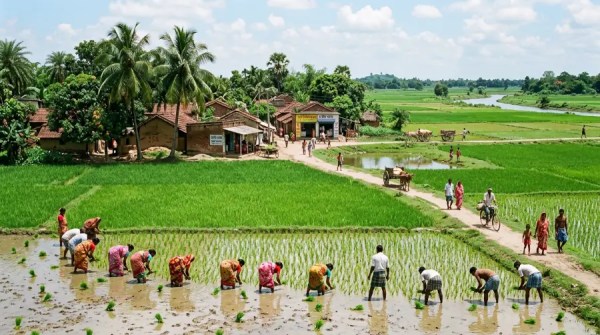
SUBRAHMANYAM JAISHANKAR, Minister for External Affairs of India, citing global challenges that have led to a fractious, polarized and frustrated world, asked: “If the world is in such a state, this body must ask itself: how has this come to pass?” “The problems arise from a combination of structural shortcomings, political calculations, naked self-interest and yes, disregard for those left behind,” he said, and thus Member States must seriously and purposefully address the challenges at hand to effect change. India has sought to respond in many ways, foremost by focusing on the issues of the vulnerable, women, farmers and youth, as well as by fashioning targeted policies and initiatives for their betterment. Citing assured access to piped water, electricity, cooking gas and new homes, as well as a narrowing gender gap in health, education and the workplace, he noted that a third-term Government has also prioritized skilling its youth. Further, it is expanding employment and entrepreneurship opportunities, including through stronger training and large-scale financial incentives. Small businesses have received 495 million Mudra loans in the last decade, with a majority allocated to women.
India is also “creating templates that are replicable elsewhere” through its digital delivery or enhancing the quality of governance and public services, he said. “A digital public infrastructure and a people’s pharmacy are today examples of what India can readily offer” and “an alternative vision where technology is used to empower, not to dominate”. To encourage the Global South to voice its shared concerns and come together, his country has convened three Global South Summits, the most recent in August, he said. Further, India is undertaking projects in 78 nations, providing resources to neighbours, as well as humanitarian assistance and disaster relief. The impact and transformative impact of the digital is evident in the daily lives of Indians who benefit from the efficient and large-scale delivery of public benefits, from nutritional support and housing to energy and health. Detailing other digital advancements, he said: “That is India’s experience and India’s relevance.” “Such leap-frogging possibilities, coupled with people centric policies and visionary leadership, can be real game-changers,” he added.
Noting the unfairness of the current globalization model, which has caused many to get left behind, he stressed: “There are economic answers, just as there are social ones.” “The UN has always maintained that peace and development go hand in hand. Yet, when challenges to one have emerged, due regard has not been given to the other,” he said. While many countries get left behind due to circumstances beyond their control, some make conscious choices with disastrous consequences, he said, pointing to Pakistan, its neighbour, as a “premier example”. “A dysfunctional nation coveting the lands of others must be exposed and countered.” Pakistan’s cross-border terrorism policy will never succeed and can have no expectation of impunity, he stressed, emphasizing that the only solution is for Pakistan to vacate the illegally occupied Indian territory and abandon its “long-standing attachment to terrorism”. The global order is inherently pluralistic and diverse. The UN began with 51 members and expanded to 193. “The world has changed profoundly and so have its concerns and opportunities,” he said, emphasizing that the UN must the central platform for finding common ground. But, “it cannot be, by remaining anachronistic”, he added.
INDIA STATEMENT
His Excellency Subrahmanyam Jaishankar
Minister for External Affairs
28 September 2024
Mr. President,
Excellencies, Distinguished Members of the General Assembly, Greetings and Namaskar from 1.4 billion people of Bharat!
I congratulate the President of the General Assembly
H.E. Mr. Philemon Yang. We strongly support the 79th
UNGA’s theme of “Leaving no one behind”.
Mr. President,
We are gathered here at a difficult time. The world is yet to recover from the ravages of the Covid pandemic. A war in Ukraine is well into its third year. The conflict in Gaza is acquiring wider ramifications.
Across the Global South, development plans have gone off the rails and SDG targets are receding. But there is more.
Unfair trade practices threaten jobs, just as unviable projects raise debt levels. Any connectivity that flouts sovereignty and territorial integrity acquires strategic connotations. Especially when it is not a shared endeavour.
Technology advancements, long a source of hope, are now equally a factor of anxiety. Climate events occur with greater intensity and frequency. Food security is as worrisome as health security.
In truth, the world stands fractious, polarized and frustrated. Conversations have become difficult; agreements even more so. This is surely not what the founders of the UN would have wanted of us. Almost exactly eight decades ago, the first steps towards the formation of the UN were taken near here, at Dumbarton Oaks. Refined thereafter at the Yalta Conference, they were finally approved in San Francisco.
The debates of that era centered around how to ensure world peace, a pre-requisite for global prosperity. Today, we find both peace and prosperity equally endangered.
And that, Mr. President, is because trust has eroded
and processes have broken down. Countries have
extracted more from the international system than
they have put in it, enfeebling it in the process.
We see that vividly in every challenge and every crisis.
Reforming multilateralism is, therefore, an
imperative.
The urgency of this call is highlighted by the theme of
this session. Leaving no one behind means advancing
peace, ensuring sustainable development and
strengthening human dignity. This cannot be
delivered by a UN paralyzed when faced with division,
conflict, terrorism and violence. Nor can it be
advanced if access to fuel, food and fertilizer is
jeopardized.
When capturing markets lacks restraint, it damages the livelihood and social fabric of others. Evasion of climate action responsibilities by the developed undermines the growth prospects of the developing. Indeed, when resource crunch limits the pursuit of SDG targets, it is not just economies but human dignity itself that is imperiled.
If the world is in such a state, this body must ask itself: how has this come to pass? The problems arise from a
combination of structural shortcomings, political calculations, naked self-interest and yes, disregard for those left behind.
It is natural to feel overwhelmed by what we confront now. After all, there are so many dimensions, different
moving parts, issues of the day and the changing landscape.
But every change must begin somewhere. And there is no better place than where it all started. We, the members of the United Nations, must now seriously and purposefully address ourselves to that task. Not because it is a competition for influence or squabble for positions. But because, if we carry on like this, the state of the world is only going to get worse. And that could mean that more of us are going to be left behind.
As the world contemplates these concerns, India has sought to respond in a variety of ways.
First, by focusing on the issues of the vulnerable,
women, farmers and youth. And fashioning targeted
policies and initiatives for their betterment.
Assured access to piped water, electricity, cooking gas
and new homes are changing millions of lives. The
gender gap has started to close, be it in health,
education or the work place. Our food producers get
financial support thrice a year at the click of a button.
And a third-term government has made skilling of the
youth its key priority.
Second, by expanding opportunities for employment
and entrepreneurship, including through stronger
training and large-scale financial incentives. 495
million Mudra loans have been given to small
businesses in the last decade. 67 % of them by women.
Equally telling, 6.56 million street vendors have
availed 8.85 million Svanidhi loans. This is just in the
last 4 years. 45% beneficiaries are again women.
Third, by creating templates that are replicable
elsewhere. It could be digital delivery or enhancing the
quality of governance and public services. As indeed,
making medicines and health facilities accessible and
affordable.
A digital public infrastructure and a people’s pharmacy
are today examples of what India can readily offer. It
is also an alternative vision where technology is used
to empower, not to dominate.
Fourth, by encouraging the Global South to voice its
shared concerns and come together. To that end, we
have convened three Global South Summits, the most
recent in August 2024.
And fifth, by contributing to the well-being of the
global commons and responding to the pressing needs
of those in distress.
This has ranged from undertaking projects in 78 nations, providing resources to neighbours and responding to HADR situations, to supplying medicines and ensuring maritime safety and security. Given the scale of transformation underway in India, each of these dimensions underline that the world’s problems can indeed be tackled. And that by working together, we can surely create a larger lifting tide.
Mr. President,
In these troubled times, it is necessary to provide hope and rekindle optimism.
We have to demonstrate that big changes are possible, and not over a long period. Nothing is more powerful in this regard than the transformative potential of the digital.
We have seen its impact in our daily lives in India over
the last decade. It is visible when public benefits, from
nutritional support and housing to energy and health,
are delivered efficiently on a vast scale. Or when small
business loans and farmers’ support are extended
without intermediaries.
In fact, when street vendors and expat workforce confidently use fintech in their regular transactions. When services, delivery and benefits move seamlessly and transparently, less people will be left behind. That is India’s experience and India’s relevance. Such leapfrogging possibilities, coupled with peoplecentric policies and visionary leadership, can be real gamechangers.
When India lands on the moon, rolls out its own 5G stack, dispatches vaccines worldwide, embraces fintech or houses so many Global Capability Centres, there is a message here.
Our quest for a ‘Viksit Bharat’ or developed India will understandably be followed closely.
Mr. President, an important cause of many getting left
behind has been the unfairness of the current
globalization model. Over-concentration of production
has hollowed out many economies, impacting their
employment and social stability.
Democratizing global production, building resilient
supply chains, ensuring trusted digital services, and
espousing an open-source culture all promote
widespread prosperity. There are economic answers,
just as there are social ones.
Mr. President,
The UN has always maintained that peace and development go hand in hand. Yet, when challenges to one have emerged, due regard has not been given to the other.
Clearly, their economic implications for the weak and
vulnerable need to be highlighted. But we must
recognize that conflicts themselves must also be
resolved. The world cannot be fatalistic about the
continuation of violence on large scale, no more than
be impervious to its broader consequences.
Whether it is the war in Ukraine or the conflict in
Gaza, the international community seeks urgent
solutions. These sentiments must be acknowledged
and acted upon.
Mr. President,
The UN is a testimony to the agreed principles and shared objectives of the world order. Respect for international law and commitments are among the foremost in this regard.
If we are to ensure global security and stability, then it is essential that those who seek to lead, set the right example. Nor can we countenance egregious violations of our basic tenets.
Terrorism is antithetical of everything the world stands for. All its forms and manifestations must be resolutely opposed. The sanctioning of global terrorists by the UN should also not be impeded for political reasons.
Mr. President,
Many countries get left behind due to circumstances beyond their control. But some make conscious choices with disastrous consequences. A premier example is our neighbour, Pakistan. Unfortunately, their misdeeds affect others as well, especially the neighbourhood.
When this polity instils such fanaticism among its
people, its GDP can only be measured in terms of
radicalization and its exports in the form of terrorism.
Today, we see the ills it sought to visit on others
consume its own society. It can’t blame the world; this
is only karma.
Mr. President, a dysfunctional nation coveting the
lands of others must be exposed and countered. We
heard some bizarre assertions from it at this forum
yesterday. So let me make India’s position perfectly
clear.
Pakistan’s cross-border terrorism policy will never succeed. And it can have no expectation of impunity. On the contrary, actions will certainly have consequences. The issue to be resolved between us is now only the vacation of illegally occupied Indian territory by Pakistan. And the abandonment of Pakistan’s longstanding attachment to terrorism.
Mr. President,
The global order is inherently pluralistic and diverse. The UN began with 51 members; we are now 193. The
world has changed profoundly and so have its concerns and opportunities.
But to address both and indeed to strengthen the order itself, it is essential that the UN be the central platform for finding common ground. And that it certainly cannot be, by remaining anachronistic.
Large parts of the world cannot be left behind when it comes to deciding the key issues of our times. An effective and efficient UN, a more representative UN and a UN fit for purpose in the contemporary era, is essential.
Let us therefore send out a clear message from this UNGA session: we are determined not to be left behind. By coming together, sharing experiences, pooling resources and strengthening our resolve, we can change the world for the better.
I thank you, Mr. President.
Read more:
- Kazakhstan’s Role in SCO: Insights from Dr. Jaishankar Interview
- S. Jaishankar at the interaction with the Indian community in Maldives (10/08/2024)
- MEA-India Media Briefing: Gaza, Qatar, FTA, Myanmar refugee
- Joint Press Statement by S. Jaishankar with FM of Iran (15/01/2024)