Structure and Function in Osteopathy: Clinical Significance and Research
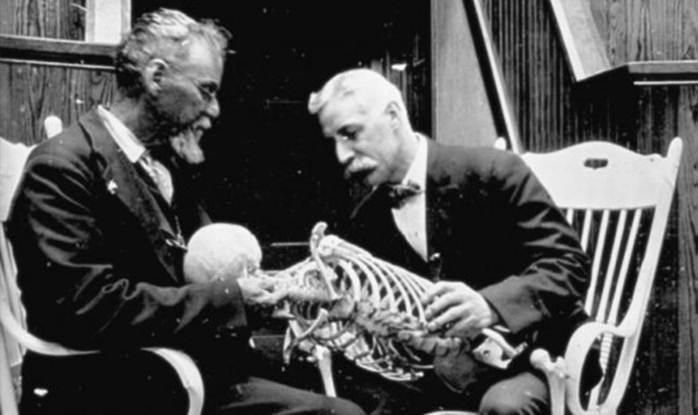
The evolution of osteopathic medicine is inseparable from the intellectual and practical legacy of Andrew Taylor Still (1828–1917), whose work in the mid-to-late nineteenth century emerged from a period of intense dissatisfaction with prevailing medical practices in the United States. Born in 1828 in Jonesboro, Virginia, and later practicing medicine on the American frontier, Still witnessed firsthand the limitations of conventional treatments such as bloodletting and the widespread use of toxic drugs like calomel. The American Civil War (1861–1865) proved to be a decisive turning point; serving as a surgeon, he observed high mortality rates and therapeutic failures, experiences that compelled him to reconsider the foundations of medical science. By June 22, 1874, in Kirksville, Missouri, Still formally articulated what he called a new philosophy of healing, later termed osteopathy, emphasizing the body’s inherent capacity for health and recovery.
Still’s “Philosophy of Osteopathy” represents not merely a medical doctrine but a holistic worldview rooted in natural law, anatomical precision, and physiological harmony. He argued that the human organism operates as a dynamic unit, governed by mechanical, chemical, and spiritual principles that must remain in balance. His oft-repeated assertion that “the body is a machine” was not reductionist but integrative, reflecting a belief that structure and function are inseparably linked, and that disturbances in one inevitably affect the other. This concept would later crystallize into one of the central osteopathic principles, namely that structure and function are reciprocally interrelated. Still rejected the notion that disease should be treated solely through external agents, instead proposing that physicians should facilitate the body’s self-regulatory and self-healing mechanisms.
The institutionalization of these ideas began with the founding of the American School of Osteopathy in 1892 in Kirksville, Missouri, widely recognized as the first formal training center for osteopathic physicians. This institution, which would later evolve into A.T. Still University, became a hub for disseminating osteopathic philosophy and clinical techniques, particularly osteopathic manipulative treatment (OMT). Early graduates carried Still’s teachings across the United States, establishing practices and advocating for legal recognition of osteopathy, which was gradually achieved state by state between 1896 (Vermont) and the early twentieth century.
The Osteopathic Oath, recited by graduates entering the profession, reflects both the ethical commitments of medicine and the distinctive philosophical underpinnings introduced by Still. Its language, shaped over decades and influenced by both classical medical ethics and osteopathic doctrine, preserves a sense of continuity with nineteenth-century ideals while addressing modern professional responsibilities. The oath states:
“I do hereby affirm my loyalty to the profession I am about to enter. I will be mindful always of my great responsibility to preserve the health and the life of my patients, to retain their confidence and respect both as a physician and a friend who will guard their secrets with scrupulous honor and fidelity, to perform faithfully my professional duties, to employ only those recognized methods of treatment consistent with good judgment and with my skill and ability, keeping in mind always nature’s laws and the body’s inherent capacity for recovery. I will be ever vigilant in aiding in the general welfare of the community, sustaining its laws and institutions, not engaging in those practices which will in any way bring shame or discredit upon myself or my profession. I will give no drugs for deadly purposes to any person, though it be asked of me. I will endeavor to work in accord with my colleagues in a spirit of progressive cooperation and never by word or by act cast imputations upon them or their rightful practices. I will look with respect and esteem upon all those who have taught me my art. To my college I will be loyal and strive always for its best interests and for the interests of the students who will come after me. I will be ever alert to further the application of basic biologic truths to the healing arts and to develop the principles of osteopathy which were first enunciated by Andrew Taylor Still.”
Embedded within this oath are several key themes that distinguish osteopathic practice. The emphasis on “nature’s laws” and the “body’s inherent capacity for recovery” echoes Still’s insistence that physicians act not as conquerors of disease but as facilitators of health. The explicit reference to “basic biologic truths” signals an ongoing commitment to scientific inquiry, linking osteopathy to developments in physiology, anatomy, and biomedical research throughout the twentieth and twenty-first centuries. Institutions such as the Kirksville College of Osteopathic Medicine, the Philadelphia College of Osteopathic Medicine (founded 1899), and later research-oriented universities have contributed to expanding the evidence base for osteopathic techniques, particularly in areas such as musculoskeletal disorders, chronic pain, and integrative care.
The osteopathic principles, often codified into four foundational tenets, provide a conceptual framework that guides both diagnosis and treatment. The first, that the body is a unit; the person is a unit of body, mind, and spirit, reflects a holistic anthropology that predates but aligns with modern biopsychosocial models. Still’s writings frequently referenced the interconnectedness of physical and mental states, and his approach anticipated later developments in psychosomatic medicine and holistic health movements. The second principle, that the body is capable of self-regulation, self-healing, and health maintenance, draws from observations of natural recovery processes, including immune responses and tissue repair, which would later be substantiated through advances in immunology and cellular biology during the twentieth century.
The third principle, concerning the reciprocal interrelationship of structure and function, has had profound implications for clinical practice. It underpins the use of manual diagnostic and therapeutic techniques, wherein physicians assess structural abnormalities—such as restricted joint motion or altered tissue texture—and intervene to restore functional balance. Research conducted in the late twentieth century, including studies published by organizations such as the American Osteopathic Association, has explored the efficacy of these interventions in conditions ranging from low back pain to respiratory dysfunction, providing empirical support for practices rooted in Still’s original insights.
The fourth principle, that rational treatment is based upon an understanding of body unity, self-regulation, and structure-function interrelationship, integrates the preceding concepts into a coherent therapeutic philosophy. It encourages physicians to adopt a patient-centered approach, considering not only localized symptoms but the broader context of the individual’s health, environment, and lifestyle. This principle has influenced contemporary trends in preventive medicine, primary care, and integrative health, positioning osteopathic physicians at the intersection of traditional and modern medical paradigms.
Historically, osteopathy’s acceptance within mainstream medicine was neither immediate nor uncontested. Early practitioners faced skepticism and legal challenges, particularly from established medical organizations such as the American Medical Association, which initially regarded osteopathy as unscientific. However, by the mid-twentieth century, increasing standardization of education, accreditation of osteopathic medical schools, and incorporation of biomedical sciences into curricula facilitated broader recognition. The granting of full practice rights to osteopathic physicians across all U.S. states by 1973 (Mississippi being the last) marked a significant milestone, reflecting both professional persistence and evolving perceptions of medical legitimacy.
Internationally, osteopathic principles have been adapted and integrated into various healthcare systems, particularly in Europe, Australia, and parts of Asia, where osteopathy is often practiced as a form of manual therapy distinct from but complementary to conventional medicine. Research institutions and universities continue to investigate the mechanisms and outcomes of osteopathic interventions, employing methodologies ranging from randomized controlled trials to biomechanical analysis. These efforts underscore the enduring relevance of Still’s original vision while subjecting it to the scrutiny of modern scientific standards.
The enduring significance of the Osteopathic Oath lies not only in its ethical directives but also in its role as a living document that connects generations of practitioners to a shared philosophical heritage. Its invocation of loyalty, responsibility, and respect for both patients and colleagues reflects a professional identity grounded in service, humility, and collaboration. At the same time, its call to advance “the principles of osteopathy” highlights an ongoing commitment to innovation and adaptation, ensuring that the field remains responsive to new discoveries and societal needs.
In examining the historical trajectory of osteopathy, one observes a continuous interplay between tradition and transformation. From Still’s initial declaration in 1874 to the global expansion of osteopathic education and practice in the twenty-first century, the core principles have remained remarkably consistent, even as their applications have evolved. The integration of osteopathic concepts into modern medical curricula, the development of evidence-based guidelines, and the increasing emphasis on interdisciplinary care all attest to the adaptability of this approach.
Ultimately, the osteopathic tradition represents a distinctive synthesis of philosophy, science, and clinical practice, rooted in the conviction that health is not merely the absence of disease but the expression of a harmonious and self-regulating organism. Through the Osteopathic Oath and the enduring influence of Andrew Taylor Still, this tradition continues to shape the practice of medicine, offering a perspective that is at once historical and forward-looking, grounded in the past yet oriented toward the future of healthcare.
Sarvarthapedia Conceptual Node: Osteopathic Thought System
Central Figures and Origins
- Andrew Taylor Still (1828–1917) → Founder of osteopathy; articulated the Philosophy of Osteopathy (1874, Kirksville, Missouri)
- Links to: Holistic Medicine, Natural Law in Medicine, Frontier Medicine (19th-century United States)
- Associated Institutions: American School of Osteopathy (1892, Kirksville), A.T. Still University
- Cross-reference: History of Medical Reform Movements, Post-Civil War Medical Practice
Foundational Documents
- Osteopathic Oath → Ethical and professional framework for osteopathic physicians
- Links to: Medical Ethics, Hippocratic Tradition, Professional Accountability
- Cross-reference: American Osteopathic Association, Medical Licensing Laws (1896–1973 USA)
- Interconnected with: Philosophy of Osteopathy, Community Health Responsibility
Core Principles Cluster
Body Unity Concept
- The body is a unit; body, mind, and spirit are integrated
- Links to: Biopsychosocial Model, Holistic Health Systems, Psychosomatic Medicine
- Cross-reference: Integrative Medicine, Mind-Body Interaction Research (20th century)
- Related Concepts: Preventive Medicine, Lifestyle Medicine
Self-Regulation and Healing
- The body is capable of self-regulation, self-healing, and maintenance
- Links to: Homeostasis (Claude Bernard, 1865), Immunology Development (1900s)
- Cross-reference: Cellular Repair Mechanisms, Inflammation and Healing Pathways
- Interconnected with: Natural Therapeutics, Minimal Intervention Philosophy
Structure–Function Interrelationship
- Structure and function are reciprocally interrelated
- Links to: Anatomy–Physiology Integration, Biomechanics, Kinesiology
- Cross-reference: Osteopathic Manipulative Treatment (OMT), Musculoskeletal Medicine
- Related Fields: Orthopedics, Physical Therapy, Chiropractic Origins (1895, D.D. Palmer)
Rational Treatment Framework
- Treatment based on unity, self-regulation, and structure-function relationship
- Links to: Clinical Reasoning, Evidence-Based Medicine, Patient-Centered Care
- Cross-reference: Primary Care Systems, Preventive Healthcare Models
- Interconnected with: Public Health, Community Medicine
Institutional and Historical Expansion
Early Institutions and Spread
- American School of Osteopathy (1892)
- Links to: Kirksville Medical Hub, Early Osteopathic Education
- Cross-reference: Philadelphia College of Osteopathic Medicine (1899)
- Related to: Medical Education Reform (Flexner Report, 1910)
Legal Recognition Movement
- State Licensing Milestones (1896 Vermont → 1973 Mississippi)
- Links to: Medical Regulation, Professional Legitimacy struggle
- Cross-reference: American Medical Association Opposition, Integration into U.S. Healthcare System
- Related Concepts: Healthcare Policy, Professional Standardization
Modern Academic and Research Institutions
- Osteopathic Medical Schools (20th–21st century expansion)
- Links to: Biomedical Research Integration, Clinical Trials in OMT
- Cross-reference: American Osteopathic Association, Accreditation Systems
- Interconnected with: Global Osteopathy Practice (Europe, Australia, Asia)
Clinical Application Network
Osteopathic Manipulative Treatment (OMT)
- Links to: Manual Therapy Techniques, Somatic Dysfunction Diagnosis
- Cross-reference: Low Back Pain Research, Respiratory Therapy Applications
- Related Fields: Rehabilitation Medicine, Sports Medicine
Preventive and Community Medicine
- Links to: Public Health Systems, Epidemiology
- Cross-reference: Community Welfare Clause in Osteopathic Oath
- Interconnected with: Health Promotion Strategies, Rural Healthcare Models
Integrative and Complementary Medicine
- Links to: Holistic Care Approaches, Alternative Medical Systems
- Cross-reference: Ayurveda, Traditional Chinese Medicine
- Related Concepts: Patient-Centered Healing, Wellness Models
Philosophical and Scientific Foundations
Philosophy of Osteopathy
- Core Idea: Nature’s laws govern health; the body possesses intrinsic healing intelligence
- Links to: Vitalism vs Mechanism Debate (19th century)
- Cross-reference: Natural Philosophy Traditions, Early American Medical Thought
- Interconnected with: Systems Biology, Complex Adaptive Systems
Scientific Integration
- Links to: Anatomical Science (Gray’s Anatomy, 1858), Physiology Advances (19th–20th century)
- Cross-reference: Evidence-Based Practice Evolution (late 20th century)
- Related Fields: Consciousness, Anthropology, Neuroscience, Biomechanical Engineering
Ethical and Professional Network
Professional Conduct
- Derived from: Osteopathic Oath commitments
- Links to: Confidentiality, Doctor–Patient Relationship, Medical Responsibility
- Cross-reference: Bioethics, Clinical Governance
Collegial Cooperation
- Links to: Interdisciplinary Medicine, Collaborative Practice Models
- Cross-reference: Healthcare Team Integration, Modern Hospital Systems
- Related Concepts: Professional Respect, Medical Diplomacy
Global and Contemporary Extensions
International Osteopathy
- Links to: United Kingdom Osteopathy Act (1993), European Osteopathic Standards
- Cross-reference: World Health Organization Traditional Medicine Strategies
- Interconnected with: Global Health Care Systems, Medical Pluralism
Future Directions
- Links to: Precision Medicine, Digital Health Integration
- Cross-reference: Artificial Intelligence in Diagnostics, Biomechanical Modeling
- Related Concepts: Sustainable Healthcare Systems, Preventive Innovation
Cross-Link Summary
High-Connectivity Nodes
- Andrew Taylor Still ↔ Philosophy of Osteopathy ↔ Osteopathic Principles ↔ Osteopathic Oath
- Structure–Function Relationship ↔ OMT ↔ Biomechanics ↔ Clinical Practice
- Self-Healing Principle ↔ Homeostasis ↔ Immunology ↔ Preventive Medicine
- Body Unity Concept ↔ Holistic Medicine ↔ Integrative Care ↔ Public Health
Knowledge Web Integration
- Historical Nodes connect to: Medical Reform Movements, 19th-century Science
- Clinical Nodes connect to: Modern Healthcare Systems, Evidence-Based Medicine
- Philosophical Nodes connect to: Systems Biology, Holistic Frameworks
- Ethical Nodes connect to: Global Medical Ethics, Professional Standards