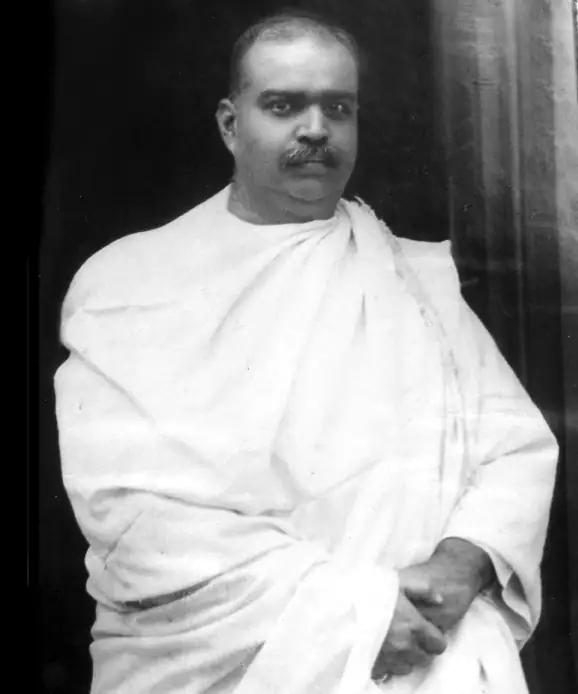
कलि विडम्बनं-नीलकण्ठ
Trickery of the Age of Kali
A satire by Nilakantha of 17th Century
प्रतिवक्तव्यं
न भेतव्यं न बोद्धव्यं न श्राव्यं वादिनो वचः ।
झटिति प्रतिवक्तव्यं सभासु विजिगीषुभिः ॥ १ ॥
Persons seeking success in public debate should meet arguments make counter arguments at once without waiting to consider what the arguments are, or even listening to them
असंभ्रमो विलज्जत्वमवज्ञा प्रतिवादिनि ।
हासो राज्ञः स्तवश्चेति पञ्चैते जयहेतवस् ॥ २ ॥
There are five elements that bring victory in debate. They are absence of panic, being free from hesitation, ignoring the adversary, derisive laughter and singing the praise of the judge (2)
उच्चैरुद्घोष्य जेतव्यं मध्यस्थश्चेदपण्डितस् ।
पण्डितो यदि तत्रैव पक्षपातोऽधिरोप्यताम् ॥ ३ ॥
If the arbitrator in a dispute is not knowledgeable, then one can win by declaring one’s ideas as loudly as possible. If the arbitrator is a learned person, his impatiality should be questioned right at the outset. (3)
लोभो हेतुर्धनं साध्यं दृष्टान्तस्तु पुरोहितस् ।
आत्मोत्कर्षो निगमनमनुमानेष्वयं विधिस् ॥ ४ ॥
In this timeTime χρόνος. Judicial: Where any expression of it occurs in any Rules, or any judgment, order or direction, and whenever the doing or not doing of anything at a certain time of the day or night or during a certain part of the day or night has an effect in law, that time is, unless it is otherwise specifically stated, held to be standard time as used in a particular country or state. (In Physics, time and Space never exist actually-“quantum entanglement”) यमः , पुं, (यमयति नियमयति जीवानां फलाफलमिति । यम् + अच् । विश्वे च कलयत्येव यः सर्व्वायुश्च सन्ततम् । अतीव दुर्निवार्य्यञ्च तं कालं प्रणमाम्यहम् ॥यमैश्च नियमैश्चैव यः करोत्यात्मसंयमम् । स चादृष्ट्वा तु मां याति परं ब्रह्म सनातनम् ॥ of Kali, self-aggrandisement is the logical conclusion of the progression from gain, riches, etc as illustrated by the family priestPriest A typical church official cadre receives salary/ maintenance from the church fund. In Sanatan society, there is no concept of ordained priest. In Rig Veda, Agni is called Purohita (1.1) A पुरोहित performs Yagna Karma. In Ramayana and Mahabharata, a पुरोहित is a Minister of the king's administration. Vasistha was पुरोहित to King Dasaratha. (4)
अभ्यास्यं लज्जमानेन तत्त्वं जिज्ञासुना चिरम् ।
जिगीषुना ह्रियं त्यक्त्वा कार्यः कोलाहलो महान् ॥ ५ ॥
The one sincerely desirous of real knowledge will engage in it’s relentless pursuit but with humility. However, the one whose aim is simply to win over his opponent will engage in loud self-eulogy without restraint. (5)
पाठनैर्ग्रन्थनिर्माणैः प्रतिष्ठा तावदाप्यते ।
एवं च तथ्यव्युत्पत्तिरायुषोऽन्ते भवेन्न वा ॥ ६ ॥
One with little knowledge easily becomes a teacher and an author and even attains a name. However, it is debatable whether he will gain true knowledge with fullness of meaning even in a whole lifetime. (6).
स्तोतारः के भविष्यन्ति मूर्खस्य जगतीतले ।
न स्तौति चेत्स्वयं च स्वं कदा तस्यास्तु निर्वृतिस् ॥ ७ ॥
Who will praise the wicked in this world ? For a wicked person self-praise is the only means of happiness. (7)
वाच्यतां समयोऽतीतः स्पष्टमग्रे भविष्यति ।
इति पाठयतां ग्रन्थे काठिन्यं कुत्र वर्तते ॥ ८ ॥
“It is already time, so read ahead and you will understand in due course”. If a teacher adopts this style of instruction, where then be difficulty in teaching any text? (8)
अगतित्वमतिश्रद्धा ज्ञानाभासेन तृप्तता ।
त्रयः शिष्यगुणा ह्येते मूर्खाचार्यस्य भाग्यजास् ॥ ९ ॥
For a teacher who has half-baked knowledge, it is his good fortune to have a student who has no other choice of a teacher, has his undivided attention all that he says and is satisfied with whatever knowledge he has. (9)
यदि न क्वापि विद्यायां सर्वथा क्रमते मतिस् ।
मान्त्रिकास्तु भविष्यामो योगिनो यतयोऽपि वा ॥ १० ॥
If our understanding does not extend to any branch of knowledge at any point of time, then let us become exorcists or yogis or saints (10).
अविलम्बेन संसिद्धौ मान्त्रिकैराप्यते यशस् ।
विलम्बे कर्मबाहुल्यं विख्याप्यावाप्यते धनम् ॥ ११ ॥
If the efforts of an exorcist are crowned with immediate success, he gets a good reputation; in case success is delayed, he gets moneyMoney Χρήματα, νόμισμα (currency), Old French monoie, Pecunia, Money supply, Reserve money, Monetary System, Money-laundering, Electronic Money, Money Transfer, Promissory notes. Coin of Alexander (330 B.C.E). Dematerialized form is Paper Currency( In USA 1600 CE and in 1861 in India). Money makes men. Balance of Payments, Net borrowing. Euro, Dollar, INR. nevertheless, for the extensive performance of long-winded rituals (11)
सुखं सुखिषु दुःखेऽपि जीवनं दुःखशालिषु ।
अनुग्रहायते येषां ते धन्याः खलु मान्त्रिकास् ॥ १२ ॥
The happiness of the rich and the sufferings of the poor, both serve as blessings to the black magician because both of them pay him money. (12)
यावदज्ञानतो मौनमाचारो वा विलक्षणस् ।
तावन्माहात्म्यरूपेण पर्यवस्यति मान्त्रिके अः ॥ १३ ॥
A black magician acquires reputation and fame in direct proportion to his inaction or contradictory procedures, which arise from his own ignorance. (13) .
दैवज्ञान
चारान् विचार्य दैवज्ञैर्वक्तव्यं भूभुजां फलम् ।
ग्रहचारपरिज्ञानं तेषामावश्यकं यतस् ॥ १४ ॥
पुत्र इत्येव पितरि कन्यकेति मातरि ।
गर्भप्रश्नेषु कथयन् दैवज्ञो विजयी भवेत् ॥ १५ ॥
The astrologer scores success in his predictions for would-be parents by telling the father-to-be that the newborn will be a boy, and the would-be mother that it will be a girl. (15).
आयुस्प्रश्ने दीर्घमायुर्वाच्यं मौहूर्तिकैर्जनैस् ।
जीवन्तो बहुमन्यन्ते मृताः प्रक्ष्यन्ति कं पुनस् ॥ १६ ॥
When persons enquire about their lifespan, the astrologer should say that they would live long. If they live that long, they will think highly (of the astrologer) and if they die, further questions do not arise as the questioner is no more (16)
सर्वं कोटिद्वयोपेतं सर्वं कालद्वयावधि ।
सर्वं व्यामिश्रमिव च वक्तव्यं दैवचिन्तकैस् ॥ १७ ॥
निर्धनानां धनावाप्तिं धनिनामधिकं धनम् ।
ब्रुवाणाः सर्वथा ग्राह्या लोकैर्ज्यौतिषिका जनास् ॥ १८ ॥
शतस्य लाभे ताम्बूलं सहस्रस्य तु भोजनम् ।
दैवज्ञानामुपालम्भो नित्यः कार्यविपर्यये ॥ १९ ॥
अपि सागरपर्यन्ता विचेतव्या वसुंधरा ।
देशो ह्यरत्निमात्रेऽपि नास्ति दैवज्ञवर्जितस् ॥ २० ॥
Even if one examines the entire world girdled by the oceans, one will not find a piece of land not occupied by astrologers (20).
वारान् के चिद्ग्रहान् के चित्के चिदृक्षाणि जानते ।
त्रितयं ये विजानन्ति ते वाचस्पतयः स्वयम् ॥ २१ ॥
Some astrologers are familiar with the names of days, some with the names of the planets and others with the latitudes (and longitudes). Anyone who is familiar with all these three will verily be Lord Brihaspati (the fountainhead of astrological scienceScience επιστήμη) (21)
नैमित्तिकाः स्वप्नदृशो देवतानाम् अमीत्रयः ।
निसर्गशत्रवः सृष्टा दैवज्ञानाममी त्रयस् ॥ २२ ॥
भैषज्यं
स्वस्थैरसाध्यरोगैश्च जन्तुभिर्नास्ति किं चन ।
कातरा दीर्घरोगाश्च भिषजां भाग्यहेतवस् ॥ २३ ॥
A physician has no use of persons who are healthy or in the terminal stage of sickness. His sources of fortune are those who fear illness and those with protracted illness (23).
नातिधैर्यं प्रदातव्यं नातिभीतिश्च रोगिणि ।
नैश्चिन्त्यान्नादिमे दानं नैराश्यादेव नान्तिमे ॥ २४ ॥
A physician should neither give sure hope nor indicate despair in treating his patients. In the first case, no fee will be forthcoming as there is no cause for worry; and in the second too, no payment can be expected due to the hopelessness of the case (24).
भैषज्यं तु यथाकामं पथ्यं तु कठिनं वदेत् ।
आरोग्यं वैद्यमाहात्म्यादन्यथात्वमपथ्यतस् ॥ २५ ॥
A doctor can treat a patient as he likes but he should take care to lay down strict restrictions regarding food etc. If the patient is restored to health, the credit can be claimed for the efficacy of the treatment and if otherwise, failure can be attributed to the breach of his instructions (25)
निदानं रोगनामानि सात्म्यासात्म्ये चिकित्सितम् ।
सर्वमप्युपदेक्ष्यन्ति रोगिणः सदने स्त्रियस् ॥ २६ ॥
When a doctor turns up to examine a patient, he gets a lot of information about the nature of the disease, what has been done so far, how long the illness has continued, what the astrological predictions are etc, from the women of the household (26).
जृम्भमाणेषु रोगेषु म्रियमाणेषु जन्तुषु ।
रोगतत्त्वेषु शनकैर्व्युत्पद्यन्ते चिकित्सकास् ॥ २७ ॥
Some physicians diagnose a disease only when the condition becomes grave or critical or sometimes, after the patient has died (27).
प्रवर्तनार्थमारम्भे मध्ये त्वौषधहेतवे ।
बहुमानार्थमन्ते च जिहीर्षन्ति चिकित्सकास् ॥ २८ ॥
A resourceful doctor collects fees from the patients in three stages– at commencement of treatment, for making medicines miday, and as gifts at the end (28).
लिप्समानेषु वैद्येषु चिरादासाद्य रोगिणम् ।
दायादाः संप्ररोहन्ति दैवज्ञा मान्त्रिका अपि ॥ २९ ॥
When a doctor thinks of collecting fees continuously from a patient suffering from a protracted illness, he will soon find two more partners getting into his business–the astrologer and the exorcist (29).
रोगस्योपक्रमे सान्त्वं मध्ये किं चिद्धनव्ययस् ।
शनैरनादरस्शान्तौ स्नातो वैद्यं न पश्यति ॥ ३० ॥
A patient eulogises the doctor initially when he goes to him for treatment. During the course of treatment he pays him some fee. Later he starts ignoring his instructions and finally when fully cured, forgets the doctor altogether (30)
दैवज्ञत्वं मान्त्रिकता भैषज्यं चाटुकौशलम् ।
एकैकमर्थलाभाय द्वित्रियोगस्तु दुर्लभस् ॥ ३१ ॥
For accumulation of wealth, it is enough if one is an astrologer, a black magician, a doctor or an impressive speaker. But more than one of these capabilities are rarely blended in an individual (31)
कवयः
अनृतं चाटुवादश्च धनयोगो महानयम् ।
सत्यं वैदुष्यमित्येष योगो दारिद्र्यकारकस् ॥ ३२ ॥
A poet gains wealth if his works are full of deceit and eulogies. TruthTruth Mathematical 'truth' may not be agreeable with the philosophical 'truth.' A question may be asked on propositional 'truth' on the grounds of physics, that space and time actually don't exist. Vedic injunction Satyam Param Dhimahi, technically Satya is none other than Brahman. For Madhymic Buddhists there is nothing as such to be called 'truth', as all the corresponding facts are only mental projections. Apart from Bio-neuroelectricity nothing exists for Biological Cognition. So-called religious truths are nothing more than a marketing strategy. and scholarship are the sources of his poverty (32)
कातर्यं दुर्विनीतत्वं कार्पण्यमविवेकताम् ।
सर्वं मार्जन्ति कवयः शालीनां मुष्टिकिंकरास् ॥ ३३ ॥
न कारणमपेक्षन्ते कवयः स्तोतुमुद्यतास् ।
किं चिदस्तुवतां तेषां जिह्वा फुरफुरायते ॥ ३४ ॥
स्तुतं स्तुवन्ति कवयो न स्वतो गुणदर्शिनस् ।
कीतः कश्चिदलिर्नाम कियती तत्र वर्णना ॥ ३५ ॥
एकैव कविता पुंसां ग्रामायाश्वाय हस्तिने ।
अन्ततोऽन्नाय वस्त्राय ताम्बूलाय च कल्पते ॥ ३६ ॥
शब्दाख्यमपरं ब्रह्म संदर्भेण परिष्कृतम् ।
विक्रीयते कतिपयैर्वृथान्यैर्विनियुज्यते ॥ ३७ ॥
वर्णयन्ति नराभासान् वाणीं लब्ध्वापि ये जनास् ।
लब्ध्वापि कामधेनुं ते लाङ्गले विनियुञ्जते ॥ ३८ ॥
प्रशंसन्तो नराभासान् प्रलपन्तोऽन्यथान्यथा ।
कथं तरन्तु कवयः कामपारम्यवादिनस् ॥ ३९ ॥
यत्सन्दर्भे यदुल्लेखे यद्व्यङ्ग्ये निभृतं मनस् ।
समाधेरपि तज्ज्यायाः शंकरो यदि वर्ण्यते ॥ ४० ॥
Where the mindMind We know nothing about its origin, growth, or demise. Where it lives, can it live without a brain? Possibly, the mind is the soul and spirit. See Consciousness is totally absorbed in the lasting joy of contemplation of Lord Sankara, where is the need for a poet’s description of the Lord (40)
बन्धवः
गृहिणी भगिनी तस्याः श्वशुरौ श्याल इत्यपि ।
प्राणिनां कलिना सृष्टाः पञ्च प्राणा इमेऽपरे ॥ ४१ ॥
The five life sustaining energies relevant to this age of Kali are the wife, and her sister, brother and parents (41)
जामातरो भागिनेया मातुला दारबान्धवास् ।
अज्ञाता एव गृहिणां भक्ष्यन्त्याखुवद्गृहे ॥ ४२ ॥
The sons-in-lawLaw νόμος: Positive command of sovereign or divine. One can be ruled either by a Statute, a Statue, or a Statement. Legislation is the rule-making process by a political or religious organisation. Physics governs natural law. Logical thinking is a sign of a healthy brain function. Dharma is eternal for Sanatanis. Judiciary > Show me the face, and I will show you the law. Some people know how to bend the law rather than break it. Law Practice. Read a scholarly article, the nephews, the uncles and other relatives of the wife are the bandicoots that quietly eat away the wealth and prosperity of a householder (42)
मातुलस्य बलं माता जामातुर्दुहिता बलम् ।
श्वशुरस्य बलं भार्या स्वयमेवातिथेर्बलम् ॥ ४३ ॥
In the household, the mother supports her brother; the daughter supports her husband; and the father-in-law is supported by his wife. But a guest is often left to fend for himself with no one to second his cause (43)
जामातुर्वक्रता तावद्यावच्छ्यालस्य बालता ।
प्रबुध्यमाने सारल्यं प्रबुद्धेऽस्मिन् पलायनम् ॥ ४४ ॥
भार्या ज्येष्ठा शिशुः श्यालः श्वश्रूः स्वातन्त्र्यवर्तिनी ।
श्वशुरस्तु प्रवासीति जामातुर्भाग्यधोरणी ॥ ४५ ॥
भूषणैर्वासनैः पात्रैः पुत्राणामुपलालनैस् ।
सकृदागत्य गच्छन्ती कन्या निर्मार्ष्टि मन्दिरम् ॥ ४६ ॥
गृहिणी स्वजनं वक्ति शुष्काहारं मिताशनम् ।
पतिपक्ष्यांस्तु बह्वाशान् क्षीरपांस्तस्करानपि ॥ ४७ ॥
भार्ये द्वे पुत्रशालिन्यौ भगिनी पतिवर्जिता ।
अश्रान्तकलहो नाम योगोऽयं गृहमेधिनाम् ॥ ४८ ॥
भार्ये द्वे बहवः पुत्रा दारिद्र्यं रोगसंभवस् ।
जीर्णौ च मातापितरावेकैकं नरकाधिकम् ॥ ४९ ॥
It is a a suffering worse than hellHell Isaiah (66:22-24), Mark (9:48), Jesus informed us, that “where their worm never dies, and the fire is never quenched.” Matthew (25:31-46)-Eternal punishment. Christian Schedule is given in Revelation 20:7-15. Garuda Purana supplied the description of Naraka (नरक).
1. Augustine, City of God, Book 21
2. Leibniz, G. W. (c. 1672) The Philosopher’s Confession.
as when a man has to cop
with two wives, a large contingent of children, penury, sickness and aged parents. (49)
उत्तमऋणाः
स्मृते सीदन्ति गात्राणि दृष्टे प्रज्ञा विनश्यति ।
अहो महदिदं भूतमुत्तमऋणाभिशाब्धितम् ॥ ५० ॥
अन्तकोऽपि हि जन्तूनामन्तकालमपेक्षते ।
न कालनियमः कश्चिदुत्तमार्णस्य विद्यते ॥ ५१ ॥
न पश्यामो मुखे दंष्ट्रां न पाशं वा कराञ्जले ।
उत्तमार्णमवेक्ष्यैव तथाप्युद्वेजिते मनस् ॥ ५२ ॥
दारिद्र्यम्
शत्रौ सान्त्वं प्रतीकारः सर्वरोगेषु भेषजम् ।
मृत्यौ मृत्युञ्जयध्यानं दारिद्र्ये तु न किं चन ॥ ५३ ॥
The remedy for enmity is compromise, medicineMedicine Refers to the practices and procedures used for the prevention, treatment, or relief of symptoms of diseases or abnormal conditions. This term may also refer to a legal drug used for the same purpose. Much of modern medicine is about management of chronic disease and prevention of more serious sequelae—not actual cures. for illness,
and meditating upon Lord Siva for overcoming mortality.. but, in respect of poverty, there is no way out (53).
शक्तिं करोति संचारे शीतोष्णे मर्षयत्यपि ।
दीपयत्युदरे वह्निं दारिद्र्यं परमौषधम् ॥ ५४ ॥
गिरं स्खलन्तीं मीलन्तीं दृष्टिं पादौ विसंस्थुलौ ।
प्रोत्साहयति याच्ञायां राजाज्ञेव दरिद्रता ॥ ५५ ॥
जीर्यन्ति राजविद्वेषा जीर्यन्त्यविहितान्यपि ।
आकिंचन्यबलाढ्यानामन्ततोऽश्मापि जीर्यति ॥ ५६ ॥
नास्य चोरा न पिशुना न दायादा न पार्थिवास् ।
दैन्यं राज्यादपि ज्यायो यदि तत्त्वं प्रबुध्यते ॥ ५७ ॥
If the import of poverty is rightly understood, it will be seen that being poor is superior to even being a king, as the indigent has no cause of fear from thieves, tale-bearers, relatives or kings (57)
धनिनः
प्रकाशयत्यहंकारं प्रवर्तयति तस्करान् ।
प्रोत्साहयति दायादांल्लाक्ष्मीः किं चिदुपस्थिता ॥ ५८ ॥
विडम्बयन्ति ये नित्यं विदग्धान् धनिनो जनास् ।
त एव तु विडम्ब्यन्ते श्रिया किम्चिदुपेक्षितास् ॥ ५९ ॥
प्रामाण्यबुद्धिः स्तोत्रेषु देवताबुद्धिरात्मनि ।
कीटबुद्धिर्मनुष्येषु नूतनायाः श्रियः फलम् ॥ ६० ॥
शृण्वन्त एव पृच्छन्ति पश्यन्तोऽपि न जानते ।
विडम्बनानि धनिकाः स्तोत्राणीत्येव मन्वते ॥ ६१ ॥
आवृत्य श्रीमदेनान्धानन्योन्यकृतसंविदस् ।
स्वैरं हसन्ति+पार्श्वस्था बालोन्मत्तपिशाचवत् ॥ ६२ ॥
स्तोतव्यैः स्तूयन्ते नित्यं सेवनीयैश्च सेव्यते ।
न बिभेति न जिह्रेति तथापि धनिको जनस् ॥ ६३ ॥
क्षणमात्रं ग्रहावेशो याममात्रं सुरामदस् ।
लक्ष्मीमदस्तु मूर्खाणामादेहमनुवर्तते ॥ ६४ ॥
श्रीर्मासमर्धमासं वा चेष्टित्वा विनिवर्तते ।
विकारस्तु तदारब्धो नित्यं लशुनगन्धवत् ॥ ६५ ॥
कण्ट्ः मदः कोद्रवजो हृदि ताम्बूलजो मदस् ।
लक्ष्मीमदस्तु सर्वाङ्गे पुत्रदारमुखेष्वपि ॥ ६६ ॥
यत्रासीदस्ति वा लक्ष्मीस्तत्रोन्मदः प्रवर्तताम् ।
कुलेऽप्यवतरत्येष कुष्ठापस्मारवत्कथम् ॥ ६७ ॥
अध्यापयन्ति शास्त्राणि तृणीकुर्वन्ति पण्डितान् ।
विस्मारयन्ति जातिं स्वां वराटाः पञ्चषा करे ॥ ६८ ॥
बिभर्तु भृत्यान् धनिको दत्तां वा देयमर्थिषु ।
यावद्याचकसाधर्म्यं तावल्लोको न मृष्यति ॥ ६९ ॥
पिशुनाः
धनभारो हि लोकस्य पिशुनैरेव धार्यते ।
कथं ते तं लघूकर्तुं यतन्तेऽपरथा स्वतस् ॥ ७० ॥
श्रमानुरूपं पिशुने किमुपक्रियते नृपैस् ।
द्विगुणं त्रिगुणं चैव कृतान्तो लालयिष्यति ॥ ७१ ॥
गोकर्णे भद्रकर्णे च जपो दुष्कर्मनाशनस् ।
राजकर्णे जपः सद्यः सर्वकर्मविनाशनस् ॥ ७२ ॥
न स्वार्थं किम्चिदिच्छन्ति न प्रेर्यन्ते च केन चित् ।
परार्थेषु प्रवर्तन्ते शठाः सन्तश्च तुल्यवत् ॥ ७३ ॥
कालान्तरे ह्यनर्थाय गृध्रो गेहोपरि स्थितस् ।
खलो गृहसमीपस्थः सद्योऽनर्थाय देहिनाम् ॥ ७४ ॥
लोभिनः
शुष्कोपवासो धर्मेषु भैषज्येषु च लङ्घनम् ।
जपयज्ञश्च यज्ञेषु रोचते लोभशालिनाम् ॥ ७५ ॥
किं वक्ष्यतीव धनिकाद्यावदुद्विजतेऽधनस् ।
किं प्रक्ष्यतीति लुब्धोऽपि तावदुद्विजते ततस् ॥ ७६ ॥
सर्वमातिथ्यशास्त्रार्थं साक्षात्कुर्वन्ति लोभिनस् ।
भिक्षाकबलमेकैकं ये हि पश्यन्ति मेरुवत् ॥ ७७ ॥
धनपालः पिशाचो हि दत्ते स्वामिन्युपस्थिते ।
धनलुब्धः पिशाचस्तु न कस्मै चन दित्सते ॥ ७८ ॥
दातारोऽर्थिभिरर्थ्यन्ते दातृभिः पुनोऽर्थिनस् ।
कर्तृकर्मव्यतीहारादहो निम्नोन्नतं कियत् ॥ ७९ ॥
स्वस्मिन्नसति नार्थस्य रक्षकः संभवेदिति ।
निश्चित्यैवं स्वयमपि भुङ्क्ते लुब्धः कथं चन ॥ ८० ॥
प्रस्थास्यमानः प्रविशेत्प्रतिष्ठेत दिने दिने ।
विचित्रानुल्लिखेद्विघ्नांस्तिष्ठासुरतिथिश्चिरम् ॥ ८१ ॥
धार्मिकाः
प्रदीयते विदुष्येकं कवौ दश नटे शतम् ।
सहस्रं दाम्भिके लोके श्रोत्रिये तु न किम्चन ॥ ८२ ॥
घटकं सम्यगाराध्य वैराग्यं परमं वहेत् ।
तावदर्थाः प्रसिद्ध्यन्ति यावच्चापलमावृतम् ॥ ८३ ॥
एकतः सर्वशास्त्राणि तुलसीकाष्ठमेकतस् ।
वक्तव्यं किं चिदित्युक्तं वस्तुतस्तुलसी परा ॥ ८४ ॥
One way of earning money is by mastering all scriptural texts and the codes and manuals of rites and rituals; and the other is by sporting a garland of tulsi beads round the neck. If it is to be frankly stated, in to-day’s world, the Tulsi garland is superior (84).
विस्मृतं वाहटेनेदं तुलस्याः पठता गुणन् ।
विश्वसंमोहिनी वित्त दायिनीति गुणद्वयम् ॥ ८५ ॥
धूर्त
कौपीनं भसितालेपो दर्भारुद्राक्षमालिका ।
मौनमेकासिका चेति मूर्खसंजीवनानि षट् ॥ ८६ ॥
Wearing only a loin cloth, covering the body with the holyHoly Hebrew root qdš makes the word qōdeš (distinct). "And you shall be to Me a kingdom of priests and a holy nation". (Exodus 19:6a). Distinct, which is not common or ordinary. "Be holy, for I, the YAHA, your ELOHIM, am holy" (Lv 19.2; cf. 11.44; 20.26) > be just, pure, and clean. Greek ἅγιος is " set apart" and is different from Hebrew 'qodes'.καὶ τοῦ ἁγίου πνεύματος (Matt 28.19). 'the holy place' (מִקְדָּשׁ, Ezekiel 37:28). Sanskrit 'pavitra -पवित्र' means sanctified by vedic mantra and rituals and not only cleaned 'something' by clean water or by fire. Folly (Oppo). ash, seated on a sacrificial grass mat, sporting a garland made of Rudraksha beads, observing silence and staying alone are the six means adopted by the wily for earning their daily bread (86).
वासः पुण्येषु तीर्थेषु प्रसिद्धश्च मृतो गुरुस् ।
अध्यापनावृत्तयश्च कीर्तनीया धनार्थिभिस् ॥ ८७ ॥
Those seeking riches should follow a scheme consisting of these : live near sacred places; claim a revered and renowned but dead person as his preceptor; and declare having taught the scriptures to many a disciple (87).
मन्त्रभ्रंशे संप्रदायः प्रयोगश्च्युतसंकृतौ ।
देशधर्मस्त्वनाचारे पृच्छतां सिद्धमुत्तरम् ॥ ८८ ॥
When a lapse occurs during the recitation of secret formulae, it should be attributed to tradition; if the fault is in procedure, it should be countered by the argument that there is an expiatory ritual to set things right and when there is a violation of the code or procedure laid down, it should be met with the argument that what has been done is the practice in that area. These will be fitting replies to those who question these faults (88)
यथा जानन्ति बहवो यथा वक्ष्यन्ति दातरि ।
तथा धर्मं चरेत्सर्वं न वृथा किं चिदाचरेत् ॥ ८९ ॥
All rites and rituals should be performed in such a manner that everyone will come to know about these and praise these acts of charity. Never should anyone observe or perform something without any recompense (89).
सदा जपपटो हस्ते मध्ये मध्येऽक्षिमीलनम् ।
सर्वं ब्रह्मेति वादश्च सद्यस्प्रत्ययहेतवस् ॥ ९० ॥
Always holding in the hand the cloth usually used at the time of chanting secret formulae , opening the eyes at intervals and murmuring that all is BrahmanBrahman ब्रह्म > ब्रह्मसूत्र > ब्रह्मसूत्रभाष्यम् > ब्रह्मजिज्ञासा > जन्माद्यस्य यतः’ are sure ways of obtaining trust (90).
आमध्याह्नं नदीवासः समाजे देवतार्चनम् ।
सततं शुचिवेषश्च इत्येतद्दम्भस्य जीवितम् ॥ ९१ ॥
Staying till high noon on the banks of a river, saying prayers before an assemblage of persons and always being dressed immaculately are the means of livelihood of a hypocrite (91).
तावद्दीर्घं नित्यकर्म यावत्स्याद्द्रष्टृमेलनम् ।
तावत्संक्षिप्यते सर्वं यावद्द्रष्टा न विद्यते ॥ ९२ ॥
Daily rituals and rites should be performed within the sight of people. The moment there is no onlooker, all these can be stopped. (92)
आनन्दबाष्परोमाञ्चौ यस्य स्वेच्छावशंवदौ ।
किं तस्य साधनैरन्यैः किंकराः सर्वपार्थिवास् ॥ ९३ ॥
दुर्जनाः
दण्ड्यमाना विकुर्वन्ति लाल्यमानास्ततस्तराम् ।
दुर्जनानामतो न्याय्यं दूरादेव विसर्जनम् ॥ ९४ ॥
To keep far away from the wicked is correct, because they create trouble when punished and difficulties when encouraged (94).
अदानमीषद्दानं च किम्चित्कोपाय दुर्धियाम् ।
संपूर्णदानं प्रकृतिर्विरामो वैरकारणम् ॥ ९५ ॥
Giving gifts of small value or not giving gifts at all kindle anger in the wicked. Their inborn wickedness remains inspite of expensive gifts. And not giving gifts will bring about animosity (95).
ज्यायानसंस्तवो दुष्टैरीर्ष्यायै संस्तवः पुनस् ।
अपत्यसंबन्धविधिः स्वानर्थायैव केवलम् ॥ ९६ ॥
Mingling with the wicked invites their anger, so avoiding them is better. Association with them through marriage, for begetting progeny begets only misfotune (96).
ज्ञातेयं ज्ञानहीनत्वं पिशुनत्वं दरिद्रता ।
मिलन्ति यदि चत्वारि तद्दिशेऽपि नमो नमस् ॥ ९७ ॥
Salutation be to that direction where the exists : the fourfold combination : relatives, the ignorant persons, tale-bearers and those in penury (97)
परछिद्रेषु हृदयं परवार्तासु च श्रवस् ।
परमर्मासु वाचं च खलानामसृजद्विधिस् ॥ ९८ ॥
The creator has provided to the wicked, the thinkingThinking Human beings began conscious thought as far back as sixty million years ago. By around three hundred thousand years ago, humans inhabiting the Indian subcontinent had developed forms of cognition comparable to those of the modern age, including awareness of competition, defense, and collective security. These early communities were capable of abstract observation, such as counting stars in the night sky, and engaged in reflective discussion about everyday experiences, including the flavors and qualities of food, indicating a sophisticated mental and social life. faculty to discover defects in others, the faculty of hearing to overhear the words that others speak, the faculty of speechSpeech 400 million years ago, the larynx was developed and allowed for communication with other animals. 60 million years ago, human beings talked about Dynosure or like animals in India. The vocal tract was in place to support modern human discourse as early as 300,000 years ago in the Indian subcontinent. to speak ill of others. (98).
विषेण पुच्छलग्नेन वृश्चिकः प्राणिनामिव ।
कलिना दशमांशेन सर्वः कालोऽपि दारुणस् ॥ ९९ ॥
Though carrying poison only in its tail, the scorpion is dangerous to living beings. In the same way, the age of Kali, though a tenth of the the whole of Time, is extremely dangerous and cruel all through one’s life (99).
यत्र भार्यागिरो वेदा यत्र धर्मोऽर्थसाधनम् ।
यत्र स्वप्रतिभा मानं तस्मै श्रीकलये नमस् ॥ १०० ॥
Salutations to the age of Kali, where one will swear by the words of one’s wife as having the authority of the scriptures, will claim himself to be the model for others and where the performance of one’s duties will be used for the accumulation of wealth (100).
काममस्तु जगत्सर्वं कालस्यास्य वशंवदम् ।
कालकालं प्रपन्नानां कालः किं नः करिष्यति? ॥ १०१ ॥
Let the entire universe be at the behest of Time.
कविना नीलकण्ठेन कलेरेतद्विडम्बनम् ।
रचितं विदुषां प्रीत्यै राजास्थानानुमोदनम् ॥ १०२ ॥
इति नीलकण्ठविरचितं कलिविडम्बनं संपूर्णम्