Encyclopedia of Sanatan Dharma
Shaligram Shila: The Sacred Stone of Vishnu from the Gandaki River
Nṛsiṃha, Varāha, Vāmana, Kṛṣṇa and Other Forms
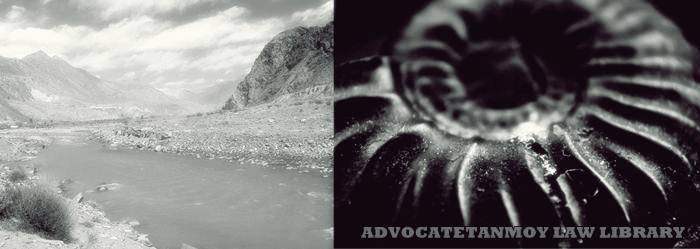
The Śālagrāma Śilā (Vishnu Shila) occupies a distinctive position in the history of Hindu sacred objects because it stands at the meeting point of natural stone, fossil history, Vaiṣṇava theology, pilgrimage, ritual practice, and Sanskrit classification. Unlike an image deliberately carved by a human artisan, the Śālagrāma is understood in the traditional system as a svayambhū or naturally manifested sacred form. Its principal geographical association is the Gandakī River of Nepal, particularly the Kālī Gandakī and the mountainous region around Muktinātha (Muktikṣetra) in present-day Mustang. The importance of this geography is not incidental. The river cuts through geological formations containing marine fossils formed from the ancient Tethys Sea, and the dark, rounded stones carried by its waters became incorporated into the ritual and theological world of Vaiṣṇavism. The geological history therefore extends millions of years into the past, while the religious history belongs to a much later Sanskritic and Purāṇic civilization.
In geological terms, the characteristic markings associated with Śālagrāma stones are connected with ammonite fossils, extinct marine cephalopods related to the modern nautilus, squid and octopus. Ammonites inhabited ancient seas and disappeared in the mass extinction approximately 66 million years ago. The Himalayan region did not yet possess its present mountainous form during their existence. The sediments in which these marine organisms were buried subsequently became part of the rocks involved in the enormous tectonic transformation produced by the collision of the Indian Plate with the Eurasian Plate. The Himalaya consequently preserves geological material derived from an ancient marine environment. The Gandakī, cutting through these uplifted formations, erodes and transports fossil-bearing material. Thus the Śālagrāma’s physical history begins not with a temple or a sculptor, but with the marine world of deep geological time.
The sacred interpretation, however, does not treat the stone merely as a fossil. The central theological proposition is that particular natural forms are manifestations of Hari, especially Viṣṇu. This distinction is important for understanding the Śālagrāma tradition historically. A fossil may be described by paleontology according to its biological origin, mineral composition and geological formation; a Śālagrāma is identified within a ritual and theological classification according to its form, markings, cakra, colour, openings and other characteristics. The two descriptions address different dimensions of the same physical object. The fossil record explains the material history of the stone; the Purāṇic tradition explains its sacred identity.
The Agni Purāṇa, in its discussion entitled Śālagrāmādi-mūrti-lakṣaṇa-kathana, gives one of the particularly elaborate Sanskrit classifications of these forms. It begins with the assertion that the forms of Śālagrāma and related images are bhukti-mukti-pradāḥ, associated with both worldly attainment and liberation. The text then distinguishes forms of Viṣṇu through specific physical signs. Vāsudeva is described as dark, with a particular arrangement of the doorway and two cakras; Saṅkarṣaṇa is associated with two joined cakras and a reddish colour; Pradyumna possesses a subtle cakra, many apertures and a blue elongated form; Aniruddha is described as yellow, marked by a lotus characteristic and rounded in shape. These descriptions demonstrate that the Purāṇic system was not treating every dark river stone as identical. It was developing a morphological taxonomy of sacred forms.
The same classification extends through numerous manifestations. Nārāyaṇa, Parameṣṭhin, Viṣṇu, Nṛsiṃha, Varāha, Kūrma, Hayagrīva, Vaikuṇṭha, Matsya, Śrīdhara, Vāmana, Trivikrama, Ananta, Dāmodara and Sudarśana are distinguished through variations in cakra, aperture, colour, lines, curvature, dots and bodily configuration. The terminology is remarkably concrete. The text repeatedly employs words such as sthūla (large or prominent), sūkṣma (subtle or small), varta/ vārtula (rounded), rekhā (line), bindu (dot or point), chidra (opening), nīla (blue), pīta (yellow), asita (dark/black), rakta (red), and cakra (wheel or discus). The sacred stone is consequently read almost as a text inscribed by nature.
The concept of the cakra is especially important. In Vaiṣṇava interpretation, the circular or wheel-like fossil structures are associated with the Sudarśana Cakra, the divine discus of Viṣṇu. Geologically, these patterns can correspond to structures preserved from the coiled shell of the ammonite, including its internal architecture and fossilized shell features. The Purāṇic observer, however, does not encounter merely an extinct animal. He encounters a naturally occurring form in which the characteristic sign of Viṣṇu’s āyudha, the Sudarśana, becomes visible. This transformation of natural morphology into theological signification is one of the defining characteristics of the Śālagrāma tradition.
The Agni Purāṇa’s classification also develops a numerical theology. It states that Sudarśana is associated with one cakra, Lakṣmī-Nārāyaṇa with two, Acyuta with three, Janārdana with four, Vāsudeva with five, Pradyumna with six, Saṅkarṣaṇa with seven, Puruṣottama with eight, while the Navavyūha is marked by nine and Daśāvatāra by ten. A form associated with twelve is described as Dvādaśātmā, while the text also refers to the Ananta configuration. Here the physical number of visible marks becomes part of a larger theological order. The stone is therefore not simply classified by appearance; its appearance becomes a vehicle for understanding Viṣṇu-tattva, divine manifestations and the vyūha conception.
The following chapter, Śālagrāmādi-cakrāṅka-pūjā-kathana, shifts from identification to ritual. The Agni Purāṇa explicitly distinguishes three forms of worship: kāmyā, undertaken with a particular desired objective; akāmyā, performed without such desire; and ubhayātmikā, combining the two orientations. The text further differentiates ritual procedures according to the particular sacred form. Śālagrāma-arcana therefore belongs to a developed liturgical system rather than being merely the private veneration of an unusual stone. The ritual involves praṇava, ṣaḍaṅga, mudrā, the worship of guru, Viśvaksena, Kṣetrapālaka, the Vedas, the various maṇḍalas, āsana, and finally the installation and worship of the śilā.
The ritual language reveals the larger cosmological structure into which the Śālagrāma was incorporated. The worshipper establishes sacred space through ādhāra, Ananta, bhūmi, pīṭha, padma, and the arka-candra-vahni maṇḍala, followed by the establishment of the sacred seat and the placement of the śilā. The stone consequently becomes the centre of a miniature cosmological arrangement. What appears externally to be a small river stone can, within ritual consciousness, function as a concentrated representation of the divine order.
The Agni Purāṇa subsequently connects the Śālagrāma tradition with the Caturviṃśati-mūrti doctrine, the twenty-four forms beginning with Keśava and Nārāyaṇa and continuing through Madhava, Govinda, Viṣṇu, Madhusūdana, Trivikrama, Vāmana, Śrīdhara, Hṛṣīkeśa, Padmanābha, Dāmodara, Vāsudeva, Saṅkarṣaṇa, Pradyumna, Aniruddha, Puruṣottama, Adhokṣaja, Nṛsiṃha, Acyuta, Upendra, Janārdana, Hari and Kṛṣṇa. Their distinctions are expressed through combinations of śaṅkha, cakra, gadā and padma. The stone thus becomes connected with a sophisticated iconographic grammar ordinarily associated with Vaiṣṇava images.
Historically, the association of Śālagrāma with Gandakī and Muktikṣetra also explains why pilgrimage became central to its cultural geography. The Himalayan river was not merely a source from which sacred objects could be acquired; the landscape itself became part of the sacred narrative. Muktinātha, situated in the high Himalaya of Nepal, emerged as an important pilgrimage centre, and the Gandakī’s fossil-bearing stones became objects of circulation far beyond their place of geological origin. A stone taken from the river could subsequently enter a household shrine hundreds or thousands of kilometres away, linking Nepalese sacred geography with the wider Vaiṣṇava world of India.
The Śālagrāma therefore possesses several histories simultaneously. Its geological history reaches back to ancient marine life and the formation of Himalayan rocks; its geographical history is anchored in the Gandakī valley and Muktikṣetra; its Purāṇic history classifies its forms through Sanskrit concepts such as cakra, bindu, rekhā, chidra, padma and gadā; and its ritual history transforms the natural object into an object of arcana. The Agni Purāṇa’s language makes clear that the sacred significance does not depend upon human carving. The characteristic feature is precisely that the śilā is naturally formed and yet becomes intelligible within an elaborate theological vocabulary. In this sense, the Śālagrāma represents a distinctive Indian conception of sacred materiality: nature itself can bear the signs through which the divine is recognized.
शालग्रामादिमूर्तिलक्षणकथनं
Agni Puran
भगवानुवाच
शालग्रामादिमूर्तेश्च वक्ष्येहं भुक्तिमुक्तिदाः ।४६.००१
वासुदेवोऽसितो द्वारे शालग्रामद्विचक्रकः ॥४६.००१
ज्ञेयः सङ्कर्षणो लग्नद्विचक्रो रक्त उत्तमः ।४६.००२
सूक्ष्मचक्रो बहुच्छिद्रः प्रद्युम्नो नीलदीघवः ॥४६.००२
पीतो निरुद्धः पद्माङ्गो वर्तुलो द्वित्रिरेखवान् ।४६.००३
कृष्णो नारायणो नाभ्युन्नतः शुषिरदीर्घवान् ॥४६.००३
परमेष्ठो साब्जचक्रः पृष्ठच्छिद्रकश्च विन्दुमान् ।४६.००४
स्थूलचक्रोऽसितो विष्णुर्मध्ये रेखा गदाकृतिः ॥४६.००४
नृसिंहः कपिकः स्थूलवक्रः स्यात्पञ्चविन्दुकः ।४६.००५
वराहः शक्तिलिङ्गः स्यात्तच्चक्रौ विषमौ सृतौ ॥४६.००५
इन्द्रनीलनिभः स्थूलस्त्रिरेखालाञ्छितः शुभः ।४६.००६
कूर्मस्तथोन्नतः पृष्ठे वर्तुलावर्तकोऽसितः ॥४६.००६
हयग्रीवोङ्कुशावाररेखो नीलः सविन्दुकः ।४६.००७
वैकुण्ठः एकचक्रोऽब्जी मणिभिः पुच्छरेखकः ॥४६.००७
मत्स्यो दीर्घस्त्रिविन्दुः स्यात्काचवर्णस्तु पूरितः ।४६.००८
श्रीधरो वनमालाङ्कः पञ्जरेखस्तु वर्तुलः ॥४६.००८
वामनो वर्तुलश्चातिह्रस्वो नीलः सविन्दुकः ।४६.००९
श्यामस्त्रिविक्रमो दक्षरेखो वामेन विन्दुकः ॥४६.००९
अनन्तो नागभोगाङ्गो नैकाभो नैकमूर्तिमान् ।४६.०१०
स्थूलो दामोदरो मध्यचक्रो द्वाःसूक्ष्मविन्दुकः(१) ॥४६.०१०
सुदर्शनस्त्वेकचक्रो लक्ष्मीनारायणो द्वयात् ।४६.०११
त्रिचक्रश्चाच्युतो देवस्त्रिचक्रको वा त्रिविक्रमः ॥४६.०११
जनार्दनश्चतुश्चक्रो वासुदेवश्च पञ्चभिः ।४६.०१२
षट्वक्रश्चैव प्रद्युम्नः सङ्कर्षणञ्च सप्तभिः ॥४६.०१२
पुरुषोत्तमोष्टचक्रो नवव्यूहो नवाङ्कितः ।४६.०१३
दशावतारो दशभिर्दशैकेनानिरुद्धकः ।४६.०१३
द्वादशात्मा द्वादशभिरत ऊर्ध्वमनन्तकः ॥४६.०१३
शालग्रामादिपूजाकथनं
भगवानुवाच
शालग्रामादिचक्राङ्कपूजाः सिद्ध्यै वदामि ते ।४७.००१
त्रिविधा स्याद्धरेः पूजा काम्याकाम्योभयात्मिका ॥४७.००१
मीनादीनान्तु पञ्चानां काम्याथो वोभयात्मिका ।४७.००२
वराहस्य नृसिंहस्य वामनस्य च मुक्तये ॥४७.००२
चक्रादीनां त्रयाणान्तु शालग्रामार्चनं शृणु ।४७.००३
उत्तमा निष्फला पूजा कनिष्ठा सफलार्चना ॥४७.००३
मध्यमा मूर्तिपूजा स्याच्चक्राब्जे चतुरस्रके ।४७.००४
प्रणवं हृदि विन्यस्य षडङ्गङ्करदेहयोः ॥४७.००४
कृतमुद्रात्रयश्चक्राद्वहिः पूवे गुरुं यजेत् ।४७.००५
आप्ये गणं वायवे च धातारं नैरृते यजेत् ॥४७.००५
विधातारञ्च कर्तारं हर्तारं दक्षसौम्ययोः ।४७.००६
विश्वक्सेनं यजेदीशे आग्नेये क्षेत्रपालकम् ॥४७.००६
ऋगादिवेदान् प्रागादौ आधारानन्तकं भुवं ।४७.००७
पीठं पद्मं चार्कचन्द्रवह्न्याख्यं मण्डलत्रयं ॥४७.००७
आसनं द्वादशार्णेन तत्र स्थाप्य शिलां यजेत् ।४७.००८
अस्तेन च समस्तेन स्ववीजेन यजेत्क्रमात् ॥४७.००८
पूर्वादावथ वेदाद्यैर्गायत्रीभ्यां जितादिना ।४७.००९
प्रणवेनार्चयेत्पञ्चान्मुद्रास्तिस्रः प्रदर्शयेत् ॥४७.००९
विश्वक्सेनस्य चक्रस्य क्षेत्रपालस्य दर्शयेत् ।४७.०१०
शालग्रामस्य प्रथमा पूजार्थो निष्फलोच्यते ॥४७.०१०
पूर्ववत्षोडशारञ्च सपद्मं मण्डलं लिखेत् ।४७.०११
शङ्खचक्रगदाखड्गैर्गुर्वाद्यं पूर्ववद्यजेत्(१) ॥४७.०११
पूर्वे सौम्ये धनुर्वाणान् वेदाद्यैरासनं ददेत् ।४७.०१२
शिलां न्यसेद्द्वादशार्णैस्तृतीयं पूजनं शृणु ॥४७.०१२
अष्टारमब्जं विलिखेत्गुर्वाद्यं पूर्ववद्यजयेत् ।४७.०१३
अष्टार्णेनासनं दत्वा तेनैव च शिलां न्यसेत् ।४७.०१३
पूजयेद्दशधा तेन गायत्रीभ्यां जितं तथा ॥४७.०१३
चतुर्विंशतिमूर्तिस्तोत्रकथनं
भगवानुवाच
ओंरूपः केशवः पद्मशङ्खचक्रगदाधरः ।४८.००१
नारायणः शङ्खपद्मगदाचक्री प्रदक्षिणं ॥४८.००१
ततो गदो माधवोरिशङ्खपद्मी नमामि तं ।४८.००२
चक्रकौमोदकीपद्मशङ्खी गोविन्द ऊर्जितः ॥४८.००२
भोक्षदः श्रीगदी पद्मी शङ्खी विष्णुश्च चक्रधृक् ।४८.००३
शङ्खचक्राब्जगदिनं मधुसूदनमानमे ॥४८.००३
भक्त्या त्रिविक्रमः पद्मगदी चक्री च शङ्ख्यपि ।४८.००४
शङ्खचक्रगदापद्मी वामनः पातु मां सदा ॥४८.००४
गदितः श्रीधरः पद्मी चक्रशार्ङ्गी च शङ्ख्यपि ।४८.००५
हृषीकेशो गदाचक्री पद्मी चक्रशङ्खी च पातु नः ॥४८.००५
वरदः पद्मनाभस्तु शङ्खाब्जारिगदाधरः ।४८.००६
दामोदरः पद्मशङ्खगदाचक्री नमामि तं ॥४८.००६
तेने गदी शङ्खचक्री वासुदेवोब्जभृज्जगत् ।४८.००७
सङ्कर्षणो गदी शङ्खी पद्मी चक्री च पातु वः ॥४८.००७
गदी चक्री शङ्खगदी प्रद्युम्नः पद्मभृत्प्रभुः ।४८.००८
अनिरुद्धश्चक्रगदी शङ्खी पद्मी च पातु नः ॥४८.००८
सुरेशोर्यब्जशङ्खाढ्यः श्रीगदी पुरुषोत्तमः ।४८.००९
अधोक्षजः पद्मगदी शङ्खी चक्री च पातु वः ॥४८.००९
देवो नृसिंहश्चक्राब्जगदाशङ्खी नमामि तम् ।४८.०१०
अच्युतः श्रीगदी पद्मी चक्री शङ्खी च पातु वः ॥४८.०१०
बालरूपी शङ्खगदी उपेन्द्रश्चक्रपद्म्यपि ।४८.०११
जनार्दनः पद्मचक्री शङ्खधारी गदाधरः ॥४८.०११
शङ्खी पद्मी च चक्री च हरिः कौमोदकीधरः ।४८.०१२
कृष्णः शङ्खी गदी पद्मी चक्री मे भुक्तिमुक्तिदः ॥४८.०१२
आदिमूत्तिर्वासुदेवस्तस्मात्सङ्कर्षणोभवत् ।४८.०१३
सङ्कर्षणाच्च प्रद्युम्नः प्रद्युम्नादनिरुद्धकः ॥४८.०१३
केशवादिप्रभेदेन ऐकैकस्य त्रिधा क्रमात् ।४८.०१४
द्वादशाक्षरकं स्तोत्रं चतुर्विंशतिमूर्तिमत् ।४८.०१४
यः पठेच्छृणुयाद्वापि निर्मलः सर्वमाप्नुयात् ॥४८.०१४
Source: Agni Purana Chapter 46/47/48
Sarvarthapedia Conceptual Network: Śālagrāma Śilā
Core Concept: Śālagrāma Śilā
Śālagrāma Śilā forms a natural junction between Vaiṣṇava theology, Purāṇic iconography, sacred geography, ritual worship, fossil history, and the wider Indian conception of natural manifestations of divinity. Within Sarvarthapedia, it should function not as an isolated article on a sacred stone, but as a central node connecting geological deep time with Sanskrit religious classification and Himalayan pilgrimage.
Primary Conceptual Links
Śālagrāma Śilā
→ Viṣṇu
→ Vaiṣṇavism
→ Gandakī River
→ Muktikṣetra / Muktinātha
→ Agni Purāṇa
→ Sudarśana Cakra
→ Śālagrāma Arcana
→ Caturviṃśati Mūrti
→ Daśāvatāra
→ Vyūha Doctrine
→ Ammonite Fossils
→ Himalayan Geology
→ Tethys Sea
→ Sacred Geography
→ Natural Sacred Objects
Cluster I: Śālagrāma and Viṣṇu Theology
Śālagrāma Śilā → Viṣṇu
The fundamental theological relationship is between the Śālagrāma Śilā and Viṣṇu. The stone is understood within Vaiṣṇava tradition as a naturally manifested form of the deity rather than as an image produced through ordinary sculptural manufacture.
This creates the principal Sarvarthapedia chain:
Śālagrāma → Viṣṇu → Nārāyaṇa → Hari → Vaiṣṇava Theology
Śālagrāma → Nārāyaṇa
The Agni Purāṇa’s classifications connect different physical configurations of the śilā with Nārāyaṇa and other manifestations of Viṣṇu.
Śālagrāma → Hari
The theological identity of the stone ultimately belongs to the larger conception of Hari as the sustaining divine principle.
Śālagrāma → Bhukti and Mukti
The Agni Purāṇa describes Śālagrāma-related forms as bhukti-mukti-pradāḥ, thereby connecting the stone with two major Hindu religious objectives:
Bhukti → worldly attainment
Mukti → liberation
This permits a broader Sarvarthapedia connection:
Śālagrāma → Sādhana → Pūjā → Bhakti → Bhukti → Mukti
Cluster II: Agni Purāṇa Classification
Agni Purāṇa → Śālagrāmādi-mūrti-lakṣaṇa
The Agni Purāṇa provides a detailed system of lakṣaṇa, or identifying characteristics, for Śālagrāma forms.
The important conceptual vocabulary includes:
Cakra → Bindu → Rekhā → Chidra → Varṇa → Ākṛti → Lakṣaṇa
These terms create a specialized morphological vocabulary for the sacred stone.
Cakra
The cakra is one of the most important identifying signs.
Sarvarthapedia can connect:
Cakra → Sudarśana → Viṣṇu’s Āyudha → Śālagrāma Identification
Bindu
Bindu refers to a point or dot appearing as one of the identifying marks.
Bindu → Lakṣaṇa → Śālagrāma Classification
Rekhā
Rekhā, or line, forms another important element of classification.
Rekhā → Morphological Sign → Divine Identification
Chidra
The chidra, or aperture/opening, is repeatedly used by the Agni Purāṇa in distinguishing forms.
Chidra → Śālagrāma Morphology → Iconographic Classification
Varṇa
Colour also participates in classification:
Asita → dark/black
Rakta → reddish
Nīla → blue
Pīta → yellow
Thus:
Varṇa → Lakṣaṇa → Mūrti-bheda → Viṣṇu Forms
Cluster III: Individual Viṣṇu Forms
Vāsudeva
Vāsudeva → Two Cakras → Śālagrāma Classification
Saṅkarṣaṇa
Saṅkarṣaṇa → Two Joined Cakras → Red Colour → Vyūha Doctrine
Pradyumna
Pradyumna → Subtle Cakra → Multiple Openings → Blue Elongated Form
Aniruddha
Aniruddha → Yellow Colour → Lotus Characteristic → Rounded Form
These four form a major conceptual chain:
Vāsudeva → Saṅkarṣaṇa → Pradyumna → Aniruddha
which corresponds directly to the theological Caturvyūha.
Caturvyūha
Caturvyūha → Vāsudeva → Saṅkarṣaṇa → Pradyumna → Aniruddha
The Śālagrāma classification therefore provides a material connection to the wider Pāñcarātra and Vaiṣṇava theological universe.
Cluster IV: Avatāra Network
Śālagrāma → Daśāvatāra
The Agni Purāṇa associates a ten-marked form with Daśāvatāra.
This creates the network:
Śālagrāma → Daśāvatāra → Matsya → Kūrma → Varāha → Nṛsiṃha → Vāmana → Paraśurāma → Rāma → Kṛṣṇa → Buddha → Kalki
The exact enumeration of the ten forms varies across Hindu textual traditions, so Sarvarthapedia should treat the Agni Purāṇa’s Śālagrāma classification and broader Daśāvatāra traditions as related but independently documented subjects.
Matsya
Matsya → Long Form → Three Bindu → Aquatic Avatāra
Kūrma
Kūrma → Raised Back → Circular Configuration → Tortoise Avatāra
Varāha
Varāha → Śakti-liṅga → Two Irregular Cakras → Earth-Restoration Myth
Nṛsiṃha
Nṛsiṃha → Large/Curved Form → Five Bindu → Man-Lion Avatāra
Vāmana
Vāmana → Very Short Rounded Form → Nīla → Bindu
Trivikrama
Trivikrama → Dakṣiṇa Rekhā → Vāma Bindu → Cosmic Stride
Thus:
Śālagrāma Morphology → Avatāra Theology → Mythic Cosmology
Cluster V: Cakra and Vaiṣṇava Iconography
Sudarśana Cakra
The Sudarśana Cakra is the most important iconographic bridge between the physical markings of the śilā and Vaiṣṇava theology.
Śālagrāma Cakra → Sudarśana Cakra → Viṣṇu → Divine Weapon → Cosmic Order
Śaṅkha
Gadā
Padma
The Agni Purāṇa’s Caturviṃśati-mūrti-stotra associates Viṣṇu’s manifestations with different arrangements of śaṅkha, cakra, gadā and padma.
Therefore:
Śālagrāma → Viṣṇu → Caturviṃśati Mūrti → Śaṅkha → Cakra → Gadā → Padma
This connects the Śālagrāma article directly with the broader Sarvarthapedia article on Vaiṣṇava Iconography.
Cluster VI: Caturviṃśati Mūrti
- Keśava
- Nārāyaṇa
- Mādhava
- Govinda
- Viṣṇu
- Madhusūdana
- Trivikrama
- Vāmana
- Śrīdhara
- Hṛṣīkeśa
- Padmanābha
- Dāmodara
- Vāsudeva
- Saṅkarṣaṇa
- Pradyumna
- Aniruddha
- Puruṣottama
- Adhokṣaja
- Nṛsiṃha
- Acyuta
- Upendra
- Janārdana
- Hari
- Kṛṣṇa
The Agni Purāṇa consequently provides a bridge between Śālagrāma morphology and the much larger Vaiṣṇava system of the twenty-four forms of Viṣṇu.
Cluster VII: Ritual Architecture
Śālagrāma → Pūjā
The Agni Purāṇa distinguishes kāmyā, akāmyā, and ubhayātmikā forms of worship.
Kāmyā Pūjā → Desired Result
Akāmyā Pūjā → Worship Without Desire
Ubhayātmikā → Combined Orientation
Śālagrāma → Arcana
Śālagrāma-arcana → Praṇava → Ṣaḍaṅga → Mudrā → Maṇḍala → Āsana → Śilā Pūjā
Maṇḍala
The ritual procedure connects the stone with:
Pīṭha → Padma → Arka → Candra → Vahni → Maṇḍala → Āsana
Thus the Śālagrāma is not merely placed before the worshipper; it is incorporated into a ritually constructed cosmological space.
Viśvaksena
Viśvaksena → Vaiṣṇava Ritual → Śālagrāma Pūjā
Kṣetrapālaka
Kṣetrapālaka → Sacred Territory → Ritual Protection → Śālagrāma Worship
Cluster VIII: Sacred Geography
Gandakī River
The Gandakī is the principal geographical node.
Gandakī → Kālī Gandakī → Śālagrāma → Nepal → Muktikṣetra
Muktikṣetra
Muktikṣetra → Muktinātha → Pilgrimage → Gandakī → Śālagrāma
This creates a major Sarvarthapedia geographical network:
Himalaya → Nepal → Mustang → Gandakī → Muktikṣetra → Śālagrāma
Sacred Geography
The Śālagrāma should therefore connect to the general Sarvarthapedia concept of Sacred Geography, where landscape, pilgrimage, rivers, mountains and religious memory become interconnected.
Sacred Geography → River → Mountain → Pilgrimage → Sacred Object → Ritual
Cluster IX: Geological History
Śālagrāma → Ammonite
The geological interpretation connects many Śālagrāma stones with fossilized ammonites, extinct marine cephalopods.
Ammonite → Ancient Marine Life → Fossilization → Himalayan Uplift → Gandakī Erosion → Śālagrāma
Tethys Sea
Tethys Sea → Marine Sediments → Fossils → Indian Plate Collision → Himalaya
The geological chronology therefore runs:
Ancient Tethys Ocean → Marine Organisms → Burial → Fossilization → Tectonic Uplift → Himalayan Formation → River Erosion → Modern Śālagrāma
Himalayan Geology
Himalayan Geology → Plate Tectonics → Indian Plate → Eurasian Plate → Mountain Formation → Fossil-bearing Rocks
This provides a major interdisciplinary bridge:
Śālagrāma → Religion → Geology → Paleontology → Himalayan History
Cluster X: Ammonite and Sacred Form
Ammonite Shell
The ammonite’s coiled shell architecture provides the geological background for the wheel-like patterns associated traditionally with the cakra.
The Sarvarthapedia network should keep the two explanatory systems distinct:
Paleontology → Fossil Structure
Vaiṣṇava Theology → Sudarśana Cakra
The relationship between them is therefore not that paleontology proves theology, or that theology replaces geology. Rather, the same physical form has acquired different systems of meaning.
Natural Formation
This produces another central conceptual link:
Natural Formation → Svayambhū → Sacred Manifestation → Śālagrāma
The absence of ordinary sculptural manufacture is itself significant within the religious understanding of the object.
Cluster XI: Natural Sacred Objects
Śālagrāma → Svayambhū
Svayambhū → Naturally Manifested Sacred Form → Divine Presence
Śālagrāma → Liṅga
A comparative link may be established with Svayambhū Liṅgas, while keeping Śālagrāma’s specifically Vaiṣṇava identity distinct.
Śālagrāma → Vaiṣṇava Natural Sacred Object
Svayambhū Liṅga → Śaiva Natural Sacred Object
Śālagrāma → Mūrti
The contrast between naturally occurring sacred form and humanly fashioned mūrti creates a broader Sarvarthapedia conceptual category:
Mūrti → Pratimā → Śilpa → Iconography
versus
Śālagrāma → Svayambhū → Natural Form → Sacred Recognition
Cluster XII: Pilgrimage and Circulation
Gandakī → Pilgrimage
The river establishes the geographical origin of the sacred object.
Pilgrimage → Śālagrāma
Pilgrims travelling through Muktikṣetra become connected with the sacred geography from which Śālagrāma stones emerge.
Śālagrāma → Household Worship
Once transported from the Gandakī region, the śilā enters domestic and temple ritual environments.
Thus:
Himalayan River → Pilgrimage → Sacred Object → Household Shrine → Daily Pūjā
This is an important example of how a place-based sacred object becomes geographically distributed without losing its association with its place of origin.
Cluster XIII: Sanskrit Textual Network
Agni Purāṇa
Agni Purāṇa → Śālagrāmādi-mūrti-lakṣaṇa → Śālagrāma Classification
Agni Purāṇa → Śālagrāmādi Pūjā
Śālagrāma Identification → Ritual Procedure → Arcana
Agni Purāṇa → Caturviṃśati Mūrti
Śālagrāma → Viṣṇu Forms → Caturviṃśati Mūrti → Vaiṣṇava Theology
This textual network can be expanded to other Purāṇic and Vaiṣṇava sources, but each source should be treated independently rather than assuming that every Śālagrāma classification is identical across Sanskrit literature.
Cluster XIV: Number as Theology
The Agni Purāṇa’s numerical classifications provide another Sarvarthapedia network.
One Cakra
Sudarśana → One Cakra
Two Cakras
Lakṣmī-Nārāyaṇa → Two Cakras
Three Cakras
Acyuta → Three Cakras
Four Cakras
Janārdana → Four Cakras
Five Cakras
Vāsudeva → Five Cakras
Six Cakras
Pradyumna → Six Cakras
Seven Cakras
Saṅkarṣaṇa → Seven Cakras
Eight Cakras
Puruṣottama → Eight Cakras
Nine Marks
Navavyūha → Nine Marks
Ten Marks
Daśāvatāra → Ten Marks
Twelve Marks
Dvādaśātmā → Twelve Marks
This creates a conceptual bridge between number, morphology, iconography, and theology.
Cluster XV: Sarvarthapedia Master Network
Central Node
Śālagrāma Śilā
Theological Network
Śālagrāma → Viṣṇu → Nārāyaṇa → Hari → Vaiṣṇavism → Bhakti → Bhukti → Mukti
Textual Network
Śālagrāma → Agni Purāṇa → Lakṣaṇa → Pūjā → Caturviṃśati Mūrti
Iconographic Network
Śālagrāma → Cakra → Sudarśana → Śaṅkha → Gadā → Padma → Viṣṇu Iconography
Avatāra Network
Śālagrāma → Matsya → Kūrma → Varāha → Nṛsiṃha → Vāmana → Trivikrama → Daśāvatāra
Vyūha Network
Śālagrāma → Vāsudeva → Saṅkarṣaṇa → Pradyumna → Aniruddha → Caturvyūha
Geographical Network
Śālagrāma → Gandakī → Kālī Gandakī → Nepal → Mustang → Muktikṣetra → Muktinātha
Geological Network
Śālagrāma → Ammonite → Tethys Sea → Marine Sediment → Fossilization → Plate Tectonics → Himalaya → Gandakī Erosion
Ritual Network
Śālagrāma → Arcana → Praṇava → Ṣaḍaṅga → Mudrā → Maṇḍala → Āsana → Pūjā
Philosophical Network
Natural Form → Svayambhū → Sacred Presence → Mūrti → Divine Manifestation → Darśana
Comparative Civilizational Network
Śālagrāma → Sacred Stone → Sacred Geography → Natural Theology → Pilgrimage → Ritual Economy → Household Religion → Temple Religion
Sarvarthapedia “See Also” Architecture
Primary See Also
Viṣṇu
Nārāyaṇa
Vaiṣṇavism
Agni Purāṇa
Gandakī River
Muktinātha
Muktikṣetra
Sudarśana Cakra
Caturviṃśati Mūrti
Caturvyūha
Daśāvatāra
Śālagrāma Pūjā
Geological See Also
Ammonite
Fossil
Tethys Sea
Himalayan Geology
Indian Plate
Himalayan Uplift
Paleontology
Religious and Cultural See Also
Sacred Geography
Mūrti
Pratimā
Svayambhū
Bhakti
Pūjā
Arcana
Pilgrimage
Vaiṣṇava Iconography
Deeper Sarvarthapedia Connections
Śālagrāma → Nature and Religion
Śālagrāma → Sacred Objects of India
Śālagrāma → Rivers in Indian Civilization
Śālagrāma → Himalayan Civilization
Śālagrāma → Sanskrit Taxonomy of Sacred Forms
Śālagrāma → Natural Manifestation and Divine Presence
Śālagrāma → Fossils in Human Religious Culture
Śālagrāma → Relationship Between Geological Time and Sacred Time