Skip to content

ADVOCATETANMOY LAW LIBRARY

Research & Library Database

Primary Menu
  • News
  • Opinion
  • Countries198
    • National Constitutions: History, Purpose, and Key Aspects
  • Judgment
  • Book
  • Legal Brief
    • Legal Eagal
  • LearnToday
  • HLJ
    • Supreme Court Case Notes
    • Daily Digest
  • Sarvarthapedia
    • Sarvarthapedia (Core Areas)
    • Systemic-and-systematic
    • Volume One
06/04/2026
  • Indian Supreme Court Judgments

Swaminathan Kunchu Acharya Vs. State of Gujarat & Ors-09/06/2022

Habeas corpus - the writ petition seeking writ of habeas corpus for production of corpus - Pranav Acharya aged 5 years
advtanmoy 23/06/2022 14 minutes read

ยฉ Advocatetanmoy Law Library

  • Share on WhatsApp (Opens in new window) WhatsApp
  • Share on X (Opens in new window) X
  • Share on Facebook (Opens in new window) Facebook
  • Share on Telegram (Opens in new window) Telegram
Supreme Court of India

Home ยป Law Library Updates ยป Court Orders ยป Indian Supreme Court Judgments ยป Swaminathan Kunchu Acharya Vs. State of Gujarat & Ors-09/06/2022

SUPREME COURT OF INDIAArticle 124 of the Constitution of India Constitution of India > 124. Supreme Court (1) There shall be a Supreme Court of India consisting of a Chief Justice of India and, until Parliament by law prescribes a larger number, of not more than seven other Judges. (2) Every Judge of the Supreme Court shall be appointed by the President by warrant under his hand and seal and shall hold office until he attains the age of sixty-five years: Provided that-- (a) a Judge may, by writing under his hand addressed to the President, resign his office (b) a Judge may be removed from his office in the manner provided in clause (4). (2A) The age of a Judge of the Supreme Court shall be determined by such authority and in such manner as Parliament may by law provide. (3) A person shall not be qualified for appointment as a Judge of the Supreme Court unless he is a citizen of India and-- (a) has been for at least five years a Judge of a High Court or of two or more such Courts in succession; or (b) has been for at least ten years an advocate of a High Court or of two or more such courts in succession; or (c) is, in the opinion of the President, a distinguished jurist. (4) A Judge of the Supreme Court shall not be removed from his office except by an order of the President passed after an address by each House of Parliament supported by a majority of the total membership of that House and by a majority of not less than two-third of the members of the House present and voting has been presented to the President in the same session for such removal on the ground of proved misbehavior or incapacity. (5) Parliament may by law regulate the procedure for the presentation of an address and for the investigation and proof of the misbehavior or incapacity of a Judge under clause (4): (6) Every person appointed to be a Judge of the Supreme Court shall, before he enters upon his office, make and subscribe before the President, or some person appointed in that behalf by him, an oath or affirmation according to the form set out for the purpose in the Third Schedule. (7) No person who has held office as a Judge of the Supreme Court shall plead or act in any court or before any authority within the territory of India.

Swaminathan Kunchu Acharya Vs. State of Gujarat & Ors.

[Criminal AppealCriminal Appeal Shankar Kerba Jadhav and others vs. The State of Maharashtra (AIR 1971 SC 840): "An appeal is a creature of a statute and the powers and jurisdiction of the appellate Court must be circumscribed by the words of the statute. At the same time a Court of appeal is a "Court of error" and its normal function is to correct the decision appealed from and its jurisdiction should be co-extensive with that of the trial Court. It cannot and ought not to do something which the trial Court was not competent to do. There does not seem to be any fetter to its power to do what the trial Court could do." No. 898 of 20222022 Important Events:]

DATE: June 09, 2022

M.R. Shah, J.

Read Next

  • Naresh vs Aarti: Cheque Bouncing Complaint Filed by POA (02/01/2025)
  • Ram v. Sukhram: Tribal women’s right in ancestral property [2025] 8 SCR 272
  • David Vs. Kuruppampady: SLP against rejecting review by HC (2020)

1. Feeling aggrieved and dissatisfied with the impugned judgmentJudgment The statement given by the Judge on the grounds of a decree or order - CPC 2(9). It contains a concise statement of the case, points for determination, the decision thereon, and the reasons for such decision - Order 20 Rule 4(2).ย  Section 354 of CrPC requires that every judgment shall contain points for determination, the decision thereon and the reasons for the decision. Indian Supreme Court Decisions > Law declared by Supreme Court to be binding on all courts (Art 141 Indian Constitution) Civil and judicial authorities to act in aid of the Supreme Court (Art 144) Supreme Court Network On Judiciary โ€“ Portal > Denning: โ€œJudges do not speak, as do actors, to please. They do not speak, as do advocates, to persuade. They do not speak, as do historians, to recount the past. They speak to give Judgment. And in their judgments, you will find passages, which are worthy to rank with the greatest literatureโ€ฆ.โ€ Law Points on Judgment Writing > The judge must write to provide an easy-to-understand analysis of the issues of law and fact which arise for decision. Judgments are primarily meant for those whose cases are decided by judges (State Bank of India and Another Vs Ajay Kumar Sood SC 2022) and order dated 02.05.2022 passed by the High CourtHigh Court High Court Judges in England and Wales handle complex and tough cases, sitting in London and traveling to court centers around the country. They preside over serious criminal and important civil cases, and support the Lord and Lady Justices in hearing appeals. High Court Judges are commonly referred to as โ€˜Mr/Mrs/Ms Justice surnameโ€™ and are given the prefix โ€˜The Honourableโ€™. They are assigned to the Kingโ€™s Bench Division, the Family Division, or the Chancery Division. The Kingโ€™s Bench Division focuses on civil wrongs and judicial review, the Family Division deals with family law, and the Chancery Division handles various cases including company law and probate. Judges are appointed through a rigorous process overseen by the Judicial Appointments Commission. of Gujarat at Ahmedabad in Special Criminal Application No. 6708/2021, by which, in the writ petitionPetition ฮฑฮฝฮฑฯ†ฮฟฯฮฌ > ฯ€ฮฑฯฮฑฮบฮฑฮปฯŽ (Prayer) seeking writ of habeas corpus for production of corpus – Pranav Acharya aged 5 years, filed by the appellant herein – paternal grandfather of the corpus, the High Court has handed over the custody of the corpus to the contesting respondent No. 4 herein – maternal aunt of the corpus, the appellant – original writ petitioner – paternal grandfather has preferred the present appeal.

2. Appellant herein aged 71 years is the paternal grandfather of corpus. Respondent No. 4 is the maternal aunt to whom the High Court has given the custody of corpus.

2.1 Parents of corpus were working and residing in the Ahmedabad. The corpus and his parents were staying happily. Unfortunately, both the parents of the corpus died during the second wave of Covid 19COVID-19 It is a SARS-COV-2 (severe acute respiratory syndrome coronavirus-2)-mediated viral infection presenting with varying degrees of clinical severity and symptomology The first documented case of COVID-19 in China was reported in 2019.. Father of corpus – Rajesh Acharya expired on 13.05.2021 and the mother of corpus, namely, Rakhi Acharya on 12.06.2021. While the parents of the corpus were infected with Covid19, the minor corpus was residing with respondent No. 4 herein – maternal aunt. The appellant – original writ petitioner before the High Court – paternal grandfather approached the High Court by way of the present writ petition – for writ of habeas corpus alleging that respondent No. 4 – maternal aunt is not allowing them to enter the house of his son and daughter in lawLaw ฮฝฯŒฮผฮฟฯ‚:ย  Positive command of sovereign or divine. One can be ruled either by a Statute, a Statue, or a Statement. Legislation is the rule-making process by a political or religious organisation. Physics governs natural law. Logical thinking is a sign of a healthy brain function. Dharma is eternal for Sanatanis. Judiciary > Show me the face, and I will show you the law. Some people know how to bend the law rather than break it. Law Practice. Read a scholarly article and to take belongings of corpus. It was also alleged that the appellant is not even permitted to meet the corpus.

Therefore, the appellant – paternal grandfather sought custody of the minor corpus aged 5 years. By the impugned judgment and order, the High Court has given the custody of the minor corpus to respondent No. 4 – maternal aunt. At this stage, it is required to be noted that as such pursuant to interim orderInterim order Once an interim order is passed in a suit or a proceeding, the interim relief granted to the party seeking interim relief could either be confirmed or vacated at the time of final disposal of the suit or proceedings, as the case may be. If the disposal is by way of an order of dismissal, interim relief which is granted as an aid of or ancillary to the final relief cannot continue beyond termination of such suit or proceedings. This is the position of law flowing from the decision in State of Orissa v. Madan Gopal Rungta ( [1952] 1 SCR 28 : (1951) SCC 1024) dated 13.09.2021 passed by the High Court, the interim custody of the minor corpus was given to the appellant, which remained with the appellant till the final disposal of the writ petition before the High Court. By the impugned judgment and order, the High Court has directed the appellant to give custody of the corpus on 31.05.2022. The High Court has also further observed that it is expected that respondent No. 4 to provide paternal grandparents a right to meet the corpus on regularRegular Regulated by Christian law and practices, the opposite meaning of Secular. A regulated government accepts Vaticanism, the control under the papal monarchy. A secular government is free from papal intervention. basis, preferably twice in a month, whenever convenient to both the families. The operative portion of the impugned judgment and order passed by the High Court is as under:

Read Next

  • Naresh vs Aarti: Cheque Bouncing Complaint Filed by POA (02/01/2025)
  • Ram v. Sukhram: Tribal women’s right in ancestral property [2025] 8 SCR 272
  • David Vs. Kuruppampady: SLP against rejecting review by HC (2020)

” 7.2 In view of above facts and taking note of overall circumstances, in our opinionOpinion A judge's written explanation of a decision of the court. In an appeal, multiple opinions may be written. The courtโ€™s ruling comes from a majority of judges and forms the majority opinion. A dissenting opinion disagrees with the majority because of the reasoning and/or the principles of law on which the decision is based. A concurring opinion agrees with the end result of the court but offers further comment possibly because they disagree with how the court reached its conclusion. the welfare and best interest of Corpus is with Respondent No. 4 (maternal aunt) namely Hemangini @ Mintu Madanmohan Shuryanvanshi. Therefore, let custody of Minor CorpusPranav Rajesh Acharya be given to maternal aunt i.e. Respondent No. 4. The Petitioner is directed to give custody of Corpus on 31st May, 2022 between 11:00 a.m. to 5:00 p.m. The Respondent No. 4 is directed to ensure the education of Corpus in the schoolSchool ฮฃฯ‡ฮฟฮปฮฎ > such as ฮฃฯ‡ฮฟฮปฮฎ ฮ’ฯ…ฮถฮฑฮฝฯ„ฮนฮฝฮฎฯ‚ ฮœฮฟฯ…ฯƒฮนฮบฮฎฯ‚ at Dahod from new academic year. The procedural formalities for the admission is expected to be completed as early as possible.

7.3 Further, in order to balance the equities and considering the age of the Petitioner and his wife, we expect Respondent No. 4 to provide paternal grandparents a right to meet the corpus on regular basis, preferably twice in a month, whenever convenient to both the families. It is desirable that Respondent No. 4 during vacation and holidays may permit the Corpus to visit and stay with his grandparents, subject to the wishes of the Corpus. It is also expected to have video calling between the Corpus and the Petitioner on regular basis. Needless to say that Respondents are expected to act as a bridge between the Corpus and his paternal grandparents so that emotional bonding remains intact.

7.4 It is however made clear that this order shall not in any way prejudice the right of Petitioner for any application to be filed before competent court of law.”

Read Next

  • Naresh vs Aarti: Cheque Bouncing Complaint Filed by POA (02/01/2025)
  • Ram v. Sukhram: Tribal women’s right in ancestral property [2025] 8 SCR 272
  • David Vs. Kuruppampady: SLP against rejecting review by HC (2020)

2.2 Feeling aggrieved and dissatisfied with the impugned judgment and order passed by the High Court directing to give custody of the corpus to respondent No. 4 – maternal aunt, the appellant – paternal grandfather of the corpus has preferred the present appeal.

3. Shri D.N. Ray, learned counsel has appeared on behalf of the appellant – paternal grandfather of the corpus and Shri Rauf Rahim, learned counsel has appeared on behalf of respondent No. 4 herein – main contesting party – maternal aunt of the corpus.

4. Shri Ray, learned counsel appearing on behalf of the appellant has submitted that the appellant is the paternal grandfather, who is seeking the custody of his minor grandson, who has lost both his parents.

4.1 It is submitted that the High Court has committed a grave/serious error in directing to handover the custody of corpus to respondent No. 4 who is the maternal aunt of corpus. It is submitted that as such no valid reasons are given by the High Court on not to give/continue the custody of corpus with the paternal grandparents. It is submitted that the reasons given by the High Court while not giving custody to the appellant/paternal grandparents and instead to give custody to the maternal aunt are not germane.

4.2 It is submitted that there are no findings given by the High Court that the appellant being a paternal grandfather would not be in a position to take care of his grandson.

4.3 It is submitted that merely because the appellant – paternal grandfather is aged 71 years and his wife – paternal grandmother is aged 63 years and therefore, to presume that the paternal grandparents would not be in a position to take better care of the grandson cannot be accepted. It is submitted that there cannot be such a presumptionPresumption An inference of the truth or falsehood of a proposition or fact that stands until rebutted by evidence to the contrary..

4.4 It is submitted that similarly the other reasons on the custody of the corpus is given to respondent No. 4 – maternal aunt is that she is having a bigger family. It is submitted that merely because respondent No. 4 is having a bigger family, there cannot be any presumption that they will take better care of the grandson of the appellant than the appellant – paternal grandparents.

4.5 It is submitted that even the corpus has also not stated anything against the appellant and his wife – paternal grandparents to the effect that he is not being taken care of well.

4.6 It is submitted that therefore in the facts and circumstances of the case and the paternal grandparents would be in a better position to take care of their grandson, the High Court has committed a serious error in tilting the balance in handing over the custody of the corpus to respondent No. 4 – maternal aunt against the claimA Claim A claim is โ€œfactually unsustainableโ€ where it could be said with confidence before trial that the factual basis for the claim is entirely without substance, which can be the case if it were clear beyond question that the facts pleaded are contradicted by all the documents or other material on which it is based. of paternal grandparents to have the custody of their grandson.

5. Shri Rauf Rahim, learned counsel appearing on behalf of respondent No. 4 while opposing the present appeal has vehemently submitted that when by giving cogent reasons and looking to the welfare and larger interest of the child, when the High Court has directed to handover the custody of the corpus to respondent No. 4 – maternal aunt, the same may not be interfered with by this Court in exercise of powers under Article 136 of the Constitution of IndiaConstitution of India เคญเคพเคฐเคคเคธเฅเคฏ เคธเค‚เคตเคฟเคงเคพเคจเคฎเฅ: 1950 โˆซ เคตเคฏเค‚ เคญเคพเคฐเคคเคธเฅเคฏ เคœเคจเคพเคƒ (3) เคฎเฅŒเคฒเคฟเค• เค…เคงเคฟเค•เคพเคฐ: (Fundamental Rights) > (4) เคฐเคพเคœเคจเฅˆเคคเคฟเค•เคจเฅ€เคคเฅ‡เคƒ เคจเคฟเคฐเฅเคฆเฅ‡เคถเคพเคคเฅเคฎเค•เคธเคฟเคฆเฅเคงเคพเคจเฅเคคเคพเคƒ (Directive principles)> (5) The Union > (6) The States> (11) เคธเค‚เค˜เคธเฅเคฏ เคš เคธเคฎเฅเคฌเคจเฅเคงเคพเคƒ เคฐเคพเคœเฅเคฏเคฎเฅ (Union-State Relation)> (15) เคจเคฟเคฐเฅเคตเคพเคšเคจเคฎเฅ (Elections)> (17) เคฐเคพเคœเคญเคพเคทเคพ (Official Language) (18) เค†เคชเคคเฅเค•เคพเคฒเฅ€เคจ เคชเฅเคฐเคพเคตเคงเคพเคจเคฎเฅ (Emergency provisions) (20) เคธเค‚เคตเคฟเคงเคพเคจเคธเค‚เคถเฅ‹เคงเคจเคฎเฅ (Amendment of Constitution). เคธเคชเฅเคคเคฎเฅ€ เค…เคจเฅเคธเฅ‚เคšเฅ€: (Seventh Schedule). Parliament, Supreme Court, President of India, Prime Minister of India. โˆ‘ (Govt of India Act 1935, Manu Samhita 5000, BCE Rigveda 7000 BCE).

5.1 It is submitted that respondent No. 4 – maternal aunt is a spinster and in good health to look after, care and devote attention towards the welfare and upbringing of the corpus. It is submitted that maternal aunt is aged about 46 years of age and M.Com and a Central GovernmentGovernment HM Govt consists of the Prime Minister, their Cabinet, and junior ministers, supported by the teams of non-political civil servants that work in government departments. The American Federal Government consists of the Legislative, Executive, and Judicial branches. employee having decent salary. It is submitted that so far as the appellant is concerned, he is a retired government employee aged 71 years. It is submitted that therefore, when the balance is struck, in that case respondent No. 4 – maternal aunt would be in a better position to look after and take care of the corpus than the appellant – paternal grandfather.

5.2 It is submitted that as such the High Court has considered all the surrounding factors viz. (i) the maternal aunt is aged 46 years of age; (ii) she is an M. Com better qualified than the paternal grandfather; (iii) she is a central government employee having decent salary; (iv) the substantial positive difference of staying in a joint family being better suited to cater the educational needs including interaction with teachers, need of cocurricular activities. It is submitted that all the relevant factors for a wholesome developmentDevelopment ฮฑฮฝฮฌฯ€ฯ„ฯ…ฮพฮท of corpus have been taken into consideration by the High Court. It is submitted that as such respondent No. 4 – maternal aunt has also got the corpus admitted on 09.07.2021 into St. Stephen’s School, Dahod, which is a well reputed school. The said school is near to her residential accommodation in Dahod and there is no difficulty in travel.

5.3 It is submitted that the appellant – paternal grandfather is a retired person and living on pension which is not much.

5.4 It is submitted that as observed by this Court in the cases of Perry Kansagra Vs. SmritiSmriti Interpretation of Sruti (Vedas) by the help of Vedangas. Read Sruti. เคธเฅเคฎเฅƒเคคเคฟ Books :-ย เคฎเคจเฅ เคฏเคพเคœเฅเคžเคตเคฒเฅเค•เฅเคฏ เค…เคคเฅเคฐเคฟ เคตเคฟเคทเฅเคฃเฅ เคนเคพเคฐเฅ€เคค เค”เคถเคจเคธ เค…เค‚เค—เคฟเคฐเคพ เคฏเคฎย  เค•เคพเคคเฅเคฏเคพเคฏเคจ เคฌเฅƒเคนเคธเฅเคชเคคเคฟ เคชเคฐเคพเคถเคฐ เคตเฅเคฏเคพเคธ เคฆเค•เฅเคท เค—เฅŒเคคเคฎ เคตเคถเคฟเคทเฅเค  เค†เคชเคธเฅเคคเคฎเฅเคฌ เคธเค‚เคตเคฐเฅเคค เคถเค‚เค–ย  เคฒเคฟเค–เคฟเคค เคฆเฅ‡เคตเคฒ เคถเคคเคพเคคเคช. Artha Shastra, Ayurveda etc Madan Kansagra; (2019) 20 SCCSCC Supreme Court Cases 753 and Ashish Ranjan Vs. Anupma Tandon and Anr.; (2010) 14 SCC 274, in case of custody of a minor child paramount consideration remains welfare and interest of the child.

5.5 Making the above submissions it is prayed to dismiss the present appeal.

6. We have heard learned counsel appearing on behalf of the respective parties at length.

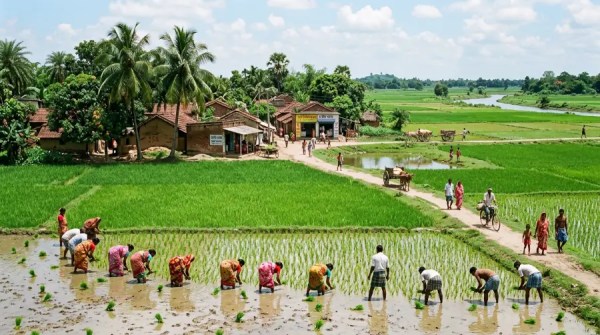
7. At the outset, it is required to be noted that the appellant is the paternal grandfather and he and his wife – paternal grandparents are seeking custody of their minor grandson, who has lost his parents in the Covid 19 pandemic. Respondent No. 4 is the maternal aunt to whom by the impugned orderImpugned order Order under challenge, the High Court has directed to hand over the custody of the corpus. It is also required to be noted that the appellant is staying in Ahmedabad and respondent No. 4 – maternal aunt is staying in Dahod, which is a tribalTribal Jana jati, banabasi in India. most of them adopted Sanatan Dharma. The English word tribeย stems from Middle Englishย tribu, which ultimately derives from Latinย tribus. In the United States, Native American tribes are legally considered to have "domestic dependent nation" status within the territorial United States. In ancient Vedic civilisation, communities were classified in kula, jati and gotra. Vedic Rishis were the ancestors of Indian Schedule Tribes. area/districtDistrict India has 800 districts under 29 federal states and 8 union territories. Adilabad Agar-Malwa Agra Ahilyanagar Ahmedabad Aizawl Ajmer Akola Alappuzha Aligarh Alipurduar Alirajpur Alluri Sitharama Raju Almora Alwar Ambala Ambedkar Nagar Amethi Amravati Amreli Amritsar Amroha Anakapalli Anand Ananthapuramu Anantnag Anjaw Annamayya Anugul Anuppur Araria Ariyalur Arvalli Arwal Ashoknagar Auraiya Aurangabad Ayodhya Azamgarh Bagalkote Bageshwar Baghpat Bahraich Bajali Baksa Balaghat Balangir Baleshwar Ballari Ballia Balod Balodabazar-Bhatapara Balotra Balrampur Balrampur-Ramanujganj Banas Kantha Banda Bandipora Banka Bankura Banswara Bapatla Bara Banki Baramulla Baran Bareilly Bargarh Barmer Barnala Barpeta Barwani Bastar Basti Bathinda Beawar Beed Begusarai Belagavi Bemetara Bengaluru Rural Bengaluru Urban Betul Bhadohi Bhadradri Kothagudem Bhadrak Bhagalpur Bhandara Bharatpur Bharuch Bhavnagar Bhilwara Bhind Bhiwani Bhojpur Bhopal Bichom Bidar Bijapur Bijnor Bikaner Bilaspur Bilaspur Birbhum Bishnupur Biswanath Bokaro Bongaigaon Botad Boudh Budaun Budgam Bulandshahr Buldhana Bundi Burhanpur Buxar Cachar Central Chamarajanagar Chamba Chamoli Champawat Champhai Chandauli Chandel Chandigarh Chandrapur Changlang Charaideo Charkhi Dadri Chatra Chengalpattu Chennai Chhatarpur Chhatrapati Sambhajinagar Chhindwara Chhotaudepur Chikkaballapura Chikkamagaluru Chirang Chitradurga Chitrakoot Chittoor Chittorgarh Chumoukedima Churachandpur Churu Coimbatore Cooch Behar Cuddalore Cuttack Dadra And Nagar Haveli Dahod Dakshin Bastar Dantewada Dakshin Dinajpur Dakshina Kannada Dhenkanal Dholpur Dhubri Dhule Dibang Valley Dibrugarh Didwana-Kuchaman Dima Hasao Dimapur Dindigul Dindori Diu Doda Dr. B.R. Ambedkar Konaseema Dumka Dungarpur Durg East East Garo Hills East Godavari East Jaintia Hills East Kameng East Khasi Hills East Siang East Singhbum Eastern West Khasi Hills Eluru Ernakulam Erode Etah Etawah Faridabad Faridkot Farrukhabad Fatehabad Fatehgarh Sahib Fatehpur Fazilka Ferozepur Firozabad Gadag Gadchiroli Gajapati Ganderbal Gandhinagar Ganganagar Gangtok Ganjam Garhwa Gariyaband Gaurela-Pendra-Marwahi Gautam Buddha Nagar Gaya Ghaziabad Ghazipur Gir Somnath Giridih Goalpara Godda Golaghat Gomati Gonda Gondia Gopalganj Gorakhpur Gumla Guna Guntur Gurdaspur Gurugram Gwalior Gyalshing Hailakandi Hamirpur Hamirpur Hanumakonda Hanumangarh Hapur Harda Hardoi Haridwar Hassan Hathras Haveri Hazaribagh Hingoli Hisar Hnahthial Hojai Hooghly Hoshiarpur Howrah Hyderabad Idukki Imphal East Imphal West Indore Jabalpur Jagatsinghapur Jagitial Jaipur Jaisalmer Jajapur Jalandhar Jalaun Jalgaon Jalna Jalore Jalpaiguri Jammu Jamnagar Jamtara Jamui Jangoan Janjgir-Champa Jashpur Jaunpur Jayashankar Bhupalapally Jehanabad Jhabua Jhajjar Jhalawar Jhansi Jhargram Jharsuguda Jhunjhunu Jind Jiribam Jodhpur Jogulamba Gadwal Jorhat Junagadh Kabeerdham Kachchh Kaimur (Bhabua) Kaithal Kakching Kakinada Kalaburagi Kalahandi Kalimpong Kallakurichi Kamareddy Kamjong Kamle Kamrup Kamrup Metro Kancheepuram Kandhamal Kangpokpi Kangra Kannauj Kanniyakumari Kannur Kanpur Dehat Kanpur Nagar Kapurthala Karaikal Karauli Karbi Anglong Kargil Karimganj Karimnagar Karnal Karur Kasaragod Kasganj Kathua Daman Damoh Dangs Darbhanga Darjeeling Darrang Datia Dausa Davanagere Deeg Dehradun Deogarh Deoghar Deoria Devbhumi Dwarka Dewas Dhalai Dhamtari Dhanbad Dhar Dharashiv Dharmapuri Dharwad Dhemaji Katihar Katni Kaushambi Kendrapara Kendujhar Keyi Panyor Khagaria Khairagarh-Chhuikhadan-Gandai Khairthal-Tijara Khammam Khandwa (East Nimar) Khargone (West Nimar) Khawzawl Kheda Kheri Khordha Khowai Khunti Kinnaur Kiphire Kishanganj Kishtwar Kodagu Koderma Kohima Kokrajhar Kolar Kolasib Kolhapur Kolkata Kollam Kondagaon Koppal Koraput Korba Korea Kota Kotputli-Behror Kottayam Kozhikode Kra Daadi Krishna Krishnagiri Kulgam Kullu Kumuram Bheem Asifabad Kupwara Kurnool Kurukshetra Kurung Kumey Kushinagar Lahaul And Spiti Lakhimpur Lakhisarai Lakshadweep District Lalitpur Latehar Latur Lawngtlai Leh Ladakh Leparada Lohardaga Lohit Longding Longleng Lower Dibang Valley Lower Siang Lower Subansiri Lucknow Ludhiana Lunglei MAUGANJ Madhepura Madhubani Madurai Mahabubabad Mahabubnagar Mahasamund Mahendragarh Mahesana Mahisagar Mahoba Mahrajganj Maihar Mainpuri Majuli Malappuram Malda Malerkotla Malkangiri Mamit Mancherial Mandi Mandla Mandsaur Mandya Munger Murshidabad Muzaffarnagar Muzaffarpur Mysuru Nabarangpur Nadia Nagaon Nagapattinam Nagarkurnool Nagaur Nagpur Nainital Nalanda Nalbari Nalgonda Namakkal Namchi Namsai Nanded Nandurbar Nandyal Narayanpet Narayanpur Manendragarh-Chirmiri-Bharatpur(M C B) Mangan Mansa Marigaon Mathura Mau Mayiladuthurai Mayurbhanj Medak Medchal Malkajgiri Meerut Meluri Mirzapur Moga Mohla-Manpur-Ambagarh Chouki Mokokchung Mon Moradabad Morbi Morena Mulugu Mumbai Mumbai Suburban Mungeli Narmada Narmadapuram Narsimhapur Nashik Navsari Nawada Nayagarh Neemuch New Delhi Nicobars Nirmal Niuland Niwari Nizamabad Noklak Noney North North 24 Parganas North And Middle Andaman North East North Garo Hills North Goa North Tripura North West Ntr Nuapada Nuh Pakke Kessang Pakur Pakyong Palakkad Palamu Palghar Pali Palnadu Palwal Panch Mahals Panchkula Pandhurna Panipat Panna Papum Pare Parbhani Parvathipuram Manyam Paschim Bardhaman Paschim Medinipur Pashchim Champaran Patan Pathanamthitta Pathankot Patiala Patna Pauri Garhwal Peddapalli Perambalur Peren Phalodi Phek Pherzawl Pilibhit Pithoragarh Poonch Porbandar Prakasam Pratapgarh Pratapgarh Prayagraj Puducherry Pudukkottai Pulwama Pune Purba Bardhaman Ranipet Ratlam Ratnagiri Rayagada Reasi Rewa Rewari Ri Bhoi Rohtak Rohtas Rudraprayag Rupnagar S.A.S Nagar Sabar Kantha Sagar Saharanpur Saharsa Sahebganj Saitual Sakti Salem Salumbar Samastipur Samba Purba Medinipur Purbi Champaran Puri Purnia Purulia Rae Bareli Raichur Raigad Raigarh Raipur Raisen Rajanna Sircilla Rajgarh Rajkot Rajnandgaon Rajouri Rajsamand Ramanagara Ramanathapuram Ramban Ramgarh Rampur Ranchi Ranga Reddy Sambalpur Sambhal Sangareddy Sangli Sangrur Sant Kabir Nagar Saraikela Kharsawan Saran Sarangarh-Bilaigarh Satara Satna Sawai Madhopur Sehore Senapati Seoni Sepahijala Serchhip Shahdara Shahdol Shahid Bhagat Singh Nagar Shahjahanpur Shajapur Shamator Shamli Sheikhpura Sheohar Sheopur Shi Yomi Shimla Shivamogga Shivpuri Shopian Shrawasti Siaha Siang Siddharthnagar Siddipet Sidhi Sikar Simdega Sindhudurg Singrauli Sirmaur Sirohi Sirsa Sitamarhi Sitapur Sivaganga Sivasagar Siwan Solan Solapur Sonbhadra Sonepur Sonipat Sonitpur Soreng South South 24 Parganas South Andamans South East South Garo Hills South Goa South Salmara Mancachar South Tripura South West South West Garo Hills South West Khasi Hills Sri Muktsar Sahib Sri Potti Sriramulu Nellore Sri Sathya Sai Srikakulam Srinagar Sukma Sultanpur Sundargarh Supaul Surajpur Surat Surendranagar Surguja Suryapet Tamenglong Tamulpur Tapi Tarn Taran Tawang Tehri Garhwal Tengnoupal Tenkasi Thane Thanjavur The Nilgiris Theni Thiruvallur Thiruvananthapuram Thiruvarur Thoothukkudi Thoubal Thrissur Tikamgarh Tinsukia Tirap Tiruchirappalli Tirunelveli Tirupathur Tirupati Tiruppur Tiruvannamalai Tonk Tseminyu Tuensang Tumakuru Udaipur Udalguri Udham Singh Nagar Udhampur Udupi Ujjain Ukhrul Warangal Wardha Washim Wayanad West West Garo Hills West Godavari West Jaintia Hills West Kameng West Karbi Anglong West Khasi Hills West Siang West Singhbhum West Tripura Wokha Y.S.R. Yadadri Bhuvanagiri Yadgir Yamunanagar Yavatmal Zunheboto Umaria Una Unakoti Unnao Upper Siang Upper Subansiri Uttar Bastar Kanker Uttar Dinajpur Uttara Kannada Uttarkashi Vadodara Vaishali Valsad Varanasi Vellore Vidisha Vijayanagara Vijayapura Vikarabad Viluppuram Virudhunagar Visakhapatnam Vizianagaram Wanaparthy.

7.1 From the impugned judgment and order passed by the High Court and while handing over the custody of the minor to respondent No. 4 – maternal aunt what have been weighed with the High Court is that the appellant – paternal grandparents are old age – 71 and 63 years respectively against which respondent No. 4 is aged 46 years; that respondent No. 4 – maternal aunt is having a bigger family; that the appellant is a retired government servant – depending upon the pension against which respondent No. 4 is a government employee and therefore she will be in a better position to take care of the minor.

Therefore, the High Court has opined that it will be in the larger interest and welfare of the child that the custody is handed over to respondent No. 4 – maternal aunt. However, at the same timeTime ฯ‡ฯฯŒฮฝฮฟฯ‚. Judicial: Where any expression of it occurs in any Rules, or any judgment, order or direction, and whenever the doing or not doing of anything at a certain time of the day or night or during a certain part of the day or night has an effect in law, that time is, unless it is otherwise specifically stated, held to be standard time as used in a particular country or state. (In Physics, time and Space never exist actually-โ€œquantum entanglementโ€) เคฏเคฎเคƒ , เคชเฅเค‚, (เคฏเคฎเคฏเคคเคฟ เคจเคฟเคฏเคฎเคฏเคคเคฟ เคœเฅ€เคตเคพเคจเคพเค‚ เคซเคฒเคพเคซเคฒเคฎเคฟเคคเคฟ เฅค เคฏเคฎเฅ + เค…เคšเฅ เฅค เคตเคฟเคถเฅเคตเฅ‡ เคš เค•เคฒเคฏเคคเฅเคฏเฅ‡เคต เคฏเคƒ เคธเคฐเฅเคตเฅเคตเคพเคฏเฅเคถเฅเคš เคธเคจเฅเคคเคคเคฎเฅ เฅค เค…เคคเฅ€เคต เคฆเฅเคฐเฅเคจเคฟเคตเคพเคฐเฅเคฏเฅเคฏเคžเฅเคš เคคเค‚ เค•เคพเคฒเค‚ เคชเฅเคฐเคฃเคฎเคพเคฎเฅเคฏเคนเคฎเฅ เฅฅเคฏเคฎเฅˆเคถเฅเคš เคจเคฟเคฏเคฎเฅˆเคถเฅเคšเฅˆเคต เคฏเคƒ เค•เคฐเฅ‹เคคเฅเคฏเคพเคคเฅเคฎเคธเค‚เคฏเคฎเคฎเฅ เฅค เคธ เคšเคพเคฆเฅƒเคทเฅเคŸเฅเคตเคพ เคคเฅ เคฎเคพเค‚ เคฏเคพเคคเคฟ เคชเคฐเค‚ เคฌเฅเคฐเคนเฅเคฎ เคธเคจเคพเคคเคจเคฎเฅ เฅฅ, it is required to be noted that the corpus has shown his inclination to stay with the appellant – paternal grandparents, so recorded in one of the orders dated 23.12.2021. It is to be noted that the custody of the minor remained with the grandfather pursuant to the interim order passed by the High Court. Nothing is observed by the High Court that during the interim custody period, the appellant – paternal grandparents did not take proper care of the minor.

There was no grievance made by the minor. On the contrary and as observed hereinabove, the minor has shown his willingness to stay with the appellant. Nothing is observed by the High Court that during the interim custody period, the appellant – paternal grandparents acted detrimental to the interest of the minor and/or they did not take proper care.

7.2 So far as the reasons assigned by the High Court while handing over the custody of the minor to the maternal aunt reproduced hereinabove, we are of the opinion that those reasons/grounds may be relevant but not germane. There cannot be any presumption that the maternal aunt being unmarried having an independent income; younger than the paternal grandparents and having a bigger family would take better care than the paternal grandparents. In our society still the paternal grandparents would always take better care of their grandson. One should not doubt the capacity and/or ability of the paternal grandparents to take care of their grandson.

It is said that the grandparents love the interest rather than the principle. Emotionally also the grandparents will always take care better care of their grandson. Grand Parents are more attached emotionally with grandchildren. It is reported that they have also managed to get admission of the minor in a school in Ahmedabad. The minor will get better education in Ahmedabad, which is a Metro City compared to the education in Dahod. Being a retired person, the paternal grandparents would devote more time and take care of minor better than respondent No. 4 who is serving in the government department. Income and/or the age and/or the bigger family cannot be the sole criteria to tilt the balance and not to give the custody of the grandson to the paternal grandparents.

At the cost of repetition, it is observed that neither the High Court has observed anything against the appellant or the paternal grandparents that they have not taken proper care of the minor grandson while interim custody of the corpus was them and/or they acted detrimental to the interest of the minor. We appreciate the efforts made by the High Court and it was very difficult choice by the High Court.

However, on the facts and circumstances of the case narrated above and for the reasons stated above, we are of the opinion that the High Court has committed an error in not handing over and/or continuing the custody of the corpus – grandson to the appellant – paternal grandparents and to give custody of the corpus to respondent No. 4 – maternal aunt of the corpus. We are of the opinion that if the balance is to be struck between the paternal grandparents and the maternal aunt, for the reasons stated above, the balance would certainly tilt in favour of the paternal grandparents. However, we may not be misunderstood that the maternal aunt may not take proper care of the minor son of her deceased sister.

8. In view of the above and for the reasons stated above, the impugned judgment and order passed by the High Court handing over the custody of the minor corpus to respondent No. 4 – maternal aunt rather than handing over the custody of the minor corpus to the appellant – paternal grandfather is unsustainable and the same deserves to be quashed and set aside and is accordingly, quashed and set aside.

However, it is also made clear that the present order shall subject to the final outcome of the proceedings under Section 7 of the Guardians and Wards Act, pending before the competent court. We direct that the custody of minor corpus – Pranav Acharya be continued with the appellant – paternal grandparents, who are directed to take care of minor – Pranav Acharya.

The appellant is also directed to ensure the better education of the corpus in a school at Ahmedabad. However, respondent No. 4 shall have visitation right and we expect the appellant to provide a right to meet the corpus on regular basis preferably once in a month, subject to the convenience of the child. It is also further observed that during the vacation and/or holidays the appellant may permit the corpus to visit and stay with the maternal aunt – respondent No. 4, of course subject to wishes and convenience of the corpus and it may not adversely affect the interest of the corpus including his education and even the extra curriculum activities. It is also expected to have video calling between the corpus and maternal aunt on regular basis.

We request both, paternal grandparents and maternal aunt & her family (on maternal side) to act jointly and cordially and have cordial relations which shall be in the larger interest of the minor Pranav Acharya. We request to all the concerned to forget bitterness and forget the past and look in the future taking into consideration the future of the minor Pranav Acharya, who unfortunately, has lost his parents at the age of five years only. With this hope and trustTrust It originated and was reduced to practice under the jurisdiction of courts by the civil law, was expanded and developed in the courts of chancery, and has been employed in nearly every field of human activity. The fundamental nature of a trust is the division of title, with the trustee being the holder of legal title and the beneficiary that of equitable title. By definition, the creation of a trust must involve a conveyance of property. > Trust Deed โˆซ Having trust/faith/confidence in something, we close the present proceedings. Present Appeal is accordingly Allowed. In the facts and circumstances of the case there shall be no order as to costsCosts Subject to any written law, costs are at the discretion of the Court, and the Court has the power to determine all issues relating to the costs of or incidental to all proceedings, including by whom and to what extent the costs are to be paid, at any stage of the proceedings or after the conclusion of the proceedings. Generally โ€œCostsโ€ includes charges, disbursements, expenses, fees, and remuneration. Costs in any matter are payable from the date of the order of the Court unless the parties otherwise agree. The costs of a third-party funding contract are not recoverable as part of the costs of, or costs..

J. [M.R. SHAH]

J. [ANIRUDDHA BOSE]

NEW DELHINew Delhi Indraprastha, the capital of Emperor Yudhisthira and Pandavas constructed by Mayasura, where Rajasuya Yagna was performed under the guidance of Krishna Dvaipayana and the protection ofย  Vasudeva Krishna in the present-day Raja Ghat area. Prtvi Rajaj was the last Hindu king of Delhi.;

June 09, 2022


Tags: Child custody JUDGMENTS Writ of Habeas Corpus

Post navigation

Previous: Equality for Lesbian, Gay, Bisexual, Transgender, Queer, and Intersexย Individuals – EXECUTIVE ORDER (15/06/2022)
Next: Krishna Rai (D) through LRS. & Ors. Vs. Banaras Hindu University through Registrar & Ors-16/06/2022
Communism
Sarvarthapedia

Manifesto of the Communist Party 1848: History, Context, and Core Concepts

Arrest
Sarvarthapedia

Latin Maxims in Criminal Law: Meaning, Usage, and Courtroom Application

United States of America: History, Government, Economy, and Global Power

Biblical Basis for Slavery: Old and New Testament Laws, Narratives, and Interpretations

Rule of Law vs Rule by Law and Rule for Law: History, Meaning, and Global Evolution

IPS Cadre Strength 2025: State-wise Authorised Strength

Uric Acid: From 18th Century Discovery to Modern Medical Science

Christian Approaches to Interfaith Dialogue: Orthodox, Catholic, Protestant, and Pentecostal Views

Origin of Central Banking in India: From Hastings to RBI and the History of Preparatory Years (1773โ€“1934)

Howrah District Environment Plan: Waste Management, Water Quality & Wetland Conservation

Bharatiya Nyaya Sanhita 2023: Sections (1-358), Punishments, and Legal Framework

Bengali Food Culture: History, Traditions, and Class Influences

West Bengal Court-Fees Act, 1970: Fees, Schedules, and Procedures

WB Land Reforms Tribunal Act 1997: History, Features, Provisions, Structure, Powers and Functions

  • Sarvarthapedia

  • Delhi Law Digest

  • Howrah Law Journal

  • Amit Aryaย vs Kamlesh Kumari:ย Doctrine of merger
  • David Vs. Kuruppampady: SLP against rejecting review by HC (2020)
  • Nazim & Ors. v. State of Uttarakhand (2025 INSC 1184)
  • Geeta v. Ajay: Expense for daughter`s marriage allowed in favour of the wife
  • Ram v. Sukhram: Tribal women’s right in ancestral property [2025] 8 SCR 272
  • Naresh vs Aarti: Cheque Bouncing Complaint Filed by POA (02/01/2025)
  • Bharatiya Nagarik Suraksha Sanhita 2023 (BNSS)
  • Bharatiya Sakshya Adhiniyam 2023 (BSA): Indian Rules for Evidence
  • Bharatiya Nyaya Sanhita (BNS) 2023
  • The Code of Civil Procedure (CPC)
  • Supreme Court Daily Digest
  • U.S. Supreme Court Orders
  • U.k. Supreme Court Orders
USA, America

United States of America: History, Government, Economy, and Global Power

Biblical Basis for Slavery

Biblical Basis for Slavery: Old and New Testament Laws, Narratives, and Interpretations

Sarvarthapedia, Law and Legal Materials

Rule of Law vs Rule by Law and Rule for Law: History, Meaning, and Global Evolution

Indian Government

IPS Cadre Strength 2025: State-wise Authorised Strength

2026 ยฉ Advocatetanmoy Law Library

  • About
  • Global Index
  • Judicial Examinations
  • Indian Statutes
  • Glossary
  • Legal Eagle
  • Subject Guide
  • Journal
  • SCCN
  • Constitutions
  • Legal Brief (SC)
  • MCQs (Indian Laws)
  • Sarvarthapedia (Articles)
  • Contact Us
  • Privacy Policy
  • FAQs
  • Library Updates