Bangladesh
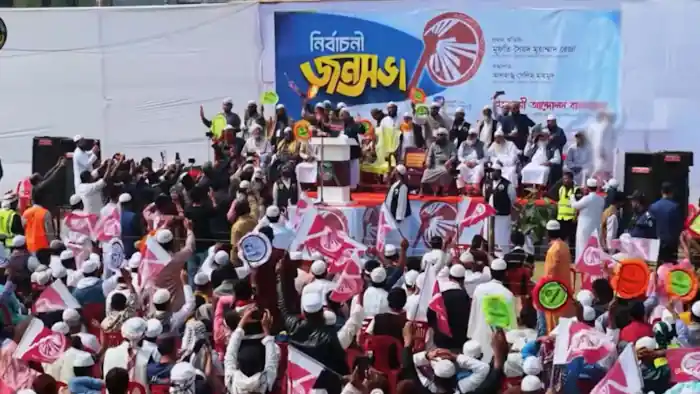
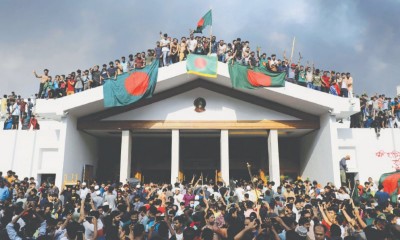
Bangladesh’s origins trace back to the Bengali Language Movement, climaxing on February 21, 1952, when police killed students in Dhaka protesting Pakistan’s attempt to impose Urdu, igniting Bengali nationalism. Widening economic and political inequities with West Pakistan intensified tensions, culminating in the 1970 election, where the Awami League under Sheikh Mujibur Rahman won overwhelmingly—yet the result was denied. After the March 25, 1971, Operation Searchlight, the Liberation War began, ending with independence on December 16, 1971, with the help of India. The post-1971 era was turbulent: Mujib was assassinated on August 15, 1975, followed by military dominance under Ziaur Rahman and later Hussain Muhammad Ershad until the 1990 pro-democracy revolt. Democracy returned with the February 27, 1991, victory of the Bangladesh Nationalist Party led by Khaleda Zia. Politics later polarized between the BNP and Awami League under Sheikh Hasina until her ouster on August 5, 2024, after a deadly student revolt. An interim cabinet led by Muhammad Yunus oversaw the February 12, 2026 election, where Tarique Rahman steered the BNP to a landslide, while Jamaat-e-Islami formed the opposition.