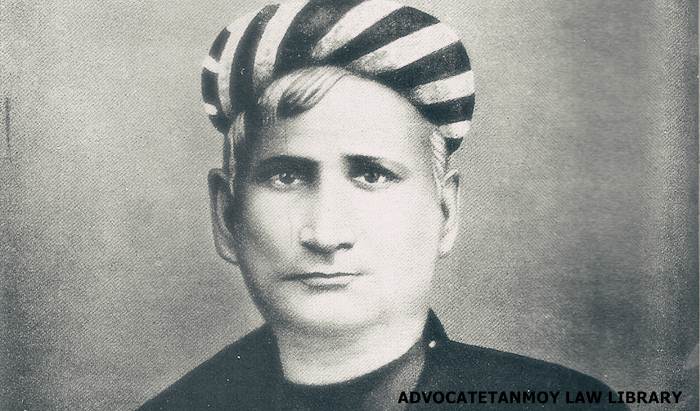
হিন্দুধর্ম্ম: বঙ্কিমচন্দ্র চট্টোপাধ্যায়
খৃষ্টধর্ম্ম (Christianity) রাজার ধর্ম্ম হইয়াও কদাচিৎ একখানি চণ্ডালের বা পোদের গ্রাম অধিকার, অথবা দুই একজন কুক্কুট-মাংস-লোলুপ ভদ্রসন্তানকে দখল ভিন্ন আর কিছুই করিতে পারে নাই। যখন বৌদ্ধধর্ম্ম, ইস্লামধর্ম্ম ও খৃষ্টধর্ম্ম, হিন্দুধর্ম্মের স্থান অধিকার করিতে পারে নাই, তখন আর কোন্ ধর্ম্মকে তাহার স্থানে এখন স্থাপিত করিব? ব্রাহ্মধর্ম্মের আমরা পৃথক্ উল্লেখ করিলাম না, কেন না, ব্রাহ্মধর্ম্ম হিন্দুধর্ম্মের শাখা মাত্র। ইহার এমন কোন লক্ষণ দেখা যায় নাই, যাহাতে মনে করা যাইতে পারে যে, ইহা ভবিষ্যতে সামাজিক ধর্ম্মে পরিণত হইবে।
An essay on Hinduism – By Bankim Chandra Chattophdya
হিন্দুধর্ম্ম (১৮৮৪ সাল)
সম্প্রতি সুশিক্ষিত বাঙ্গালিদিগের মধ্যে হিন্দুধর্ম্মের (Hindu Dharma) আলোচনা দেখা যাইতেছে। অনেকেই মনে করেন যে, আমরা হিন্দুধর্ম্মের প্রতি ভক্তিমান্ হইতেছি। যদি এ কথা সত্য হয়, তবে আহ্লাদের বিষয় বটে। জাতীয় ধর্ম্মের পুনবন ব্যতীত ভারতবর্ষের (Bharat) মঙ্গল নাই, ইহা আমাদিগের দৃঢ় বিশ্বাস। কিন্তু যাঁহারা হিন্দুধর্ম্মের প্রতি এইরূপ অনুরাগযুক্ত, তাঁহাদিগকে আমাদের গোটাকত কথা জিজ্ঞাস্য আছে। প্রথম জিজ্ঞাস্য, হিন্দুধর্ম্ম কি? হিন্দুয়ানিতে অনেক রকম দেখিতে পাই। হিন্দু হাঁচি পড়িলে পা বাড়ায় না, টিকটিকি ডাকিলে “সত্য সত্য” বলে, হাই উঠিলে তুড়ি দেয়, এ সকল কি হিন্দুধর্ম্ম? অমুক শিয়রে শুইতে নাই, অমুক আস্যে খাইতে নাই, শূন্য কলসী দেখিলে যাত্রা করিতে নাই, অমুক বারে ক্ষৌরী হইতে নাই, অমুক বারে অমুক কাজ করিতে নাই, এ সকল কি হিন্দুধর্ম্ম? অনেকে স্বীকার করিবেন যে, এ সকল হিন্দুধর্ম্ম নহে। মূর্খের আচার মাত্র। যদি ইহা হিন্দুধর্ম্ম হয়, তবে আমরা মুক্তকণ্ঠে বলিতে পারি যে, আমরা হিন্দুধর্ম্মের পুনর্জ্জীবন চাহি না।1
এক্ষণে শুনিতে পাইতেছি যে, হিন্দুধর্ম্মের নিয়মগুলি পালন করিলে শরীর ভাল থাকে। যথা একাদশীর ব্রত স্বাস্থ্যরক্ষার একটি উত্তম উপায়। তবে শরীররক্ষার ব্রতই কি হিন্দুধর্ম্ম? আমরা একটি জমিদার দেখিয়াছি। তিনি জাতিতে ব্রাহ্মণ এবং অত্যন্ত হিন্দু। তিনি অতি প্রত্যূষে গাত্রোত্থান করিয়া কি শীত কি বর্ষা প্রত্যহ প্রাতঃস্নান করেন এবং তখনই পূজাহ্নিকে বসিয়া বেলা আড়াই প্রহর পর্য্যন্ত অনন্যমনে তাহাতে নিযুক্ত থাকেন। পূজাহ্নিকের কিছুমাত্র বিঘ্ন হইলে, মাথায় রবজ্রাঘাত হইল, মনে করেন। তার পর অপরাহ্নে নিরামিষ শাকান্ন ভোজন করিয়া একাহারে থাকেন,-ভোজনান্তে জমিদারী কার্য্যে বসেন। তখন কোন্ প্রজার সর্ব্বনাশ করিবেন, কোন্ অনাথা বিধবার সর্ব্বস্ব কাড়িয়া লইবেন, কাহার ঋণ ফাঁকি দিবেন, মিথ্যা জাল করিয়া কাহাকে বিনাপরাধে জেলে দিতে হইবে, কোন্ মোকদ্দমার কি মিথ্যা প্রমাণ প্রস্তুত করিতে হইবে, ইহাতে তাঁহার চিত্ত নিবিষ্ট থাকে, এবং যত্ন পর্য্যাপ্ত হয়। আমরা জানি যে, এ ব্যক্তির পূজা আহ্নিকে, ক্রিয়া কর্ম্মে, দেবতা ব্রাহ্মণে আন্তরিক ভক্তি, সেখানে কপটতা কিছু নাই। জাল করিতে করিতেও হরিনাম করিয়া থাকেন। মনে করেন, এ সময় হরি-স্মরণ করিলে এ জাল করা আমার অবশ্য সার্থক হইবে। এ ব্যক্তি কি হিন্দু?
আর একটি হিন্দুর (Hindu) কথা বলি। তাঁহার অভক্ষ্য প্রায় কিছুই নাই। যাহা অস্বাস্থ্যকর, তাহা ভিন্ন সকলই খান। এবং ব্রাহ্মণ হইয়া এক আধটু সুরাপান পর্য্যন্ত করিয়া থাকেন। যে কোন জাতির অন্ন গ্রহণ করেন। যবন ও ম্লেচ্ছের সঙ্গে একত্র ভোজনে কোন আপত্তি করেন না। সন্ধ্যা আহ্নিক ক্রিয়া কর্ম্ম কিছুই করেন না। কিন্তু কখন মিথ্যা কথা কহেন না। যদি মিথ্যা কথা কহেন, তবে মহাভারতীয় কৃষ্ণোক্তি স্মরণপূর্ব্বক যেখানে লোকহিতার্থে মিথ্যা নিতান্ত প্রয়োজনীয়-অর্থাৎ যেখানে মিথ্যাই সত্য হয়, সেইখানেই মিথ্যা কথা কহিয়া থাকেন। নিষ্কাম হইয়া দান ও পরহিত সাধন করিয়া থাকেন। যথাসাধ্য ইন্দ্রিয় সংযম এবং অন্তরে ঈশ্বরকে ভক্তি করেন। কাহাকে বঞ্চনা করেন না, কখন পরস্ব কামনা করেন না। ইন্দ্রিয়াদি দেবতা আকাশাদি ঈশ্বরের মূর্ত্তি স্বরূপ এবং শক্তি ও সৌন্দর্য্যের বিকাশ স্বরূপ বিবেচনা করিয়া, সে সকলের মানসিক উপাসনা করেন। এবং পুরাণকথিত শ্রীকৃষ্ণে সর্ব্বগুণসম্পন্ন ঈশ্বরে প্রকৃতি পর্য্যালোচনা করিয়া আপনাকে বৈষ্ণব বলিয়া পরিচিত করেন। হিন্দুধর্ম্মানুসারে গুরুজনে ভক্তি, পুত্র কলত্রাদির সস্নেহ প্রতিপালন, পশুর প্রতি দয়া করিয়া থাকেন। তিনি অক্রোধ ও ক্ষমাশীল। এ ব্যক্তি কি হিন্দু? এ দুই ব্যক্তির মধ্যে কে হিন্দু? ইহাদের মধ্যে কেহই কি হিন্দু নয়? যদি না হয়-তবে কেন নয়? ইহাদের মধ্যে কাহাতেও যদি হিন্দুয়ানি পাইলাম না, তবে হিন্দুধর্ম্ম কি? এক ব্যক্তি ধর্ম্মভ্রষ্ট, দ্বিতীয় ব্যক্তি আচারভ্রষ্ট। আচার ধর্ম্ম, না ধর্ম্মই ধর্ম্ম? যদি আচার ধর্ম্ম না হয়, ধর্ম্মই ধর্ম্ম হয়, তবে এই আচারভ্রষ্ট ধার্ম্মিক ব্যক্তিকেই হিন্দু বলিতে হয়। তাহাতে আপত্তি কি?
ইহার উত্তরে অনেকে বলিবেন যে, এ ব্যক্তি হিন্দুশাস্ত্রবিহিত আচারবান্ নহে, এজন্য এ হিন্দু নহে। কোথায় এ হিন্দুধর্ম্মের স্বরূপ পাইব?
এ সকল লোকের বিশ্বাস যে, হিন্দুশাস্ত্রেই (Shastra) হিন্দুধর্ম্ম আছে। এই হিন্দুশাস্ত্র কি? শাস্ত্র তো অনেক। যে সকল গ্রন্থকে শাস্ত্র বলা যায়, তাহার যেখানে যাহা আছে সকলই কি হিন্দুধর্ম্ম? যদি কোন গ্রন্থ হিন্দুশাস্ত্র বলিয়া এ দেশে মান্য হয়, তবে সে ‘মনুসংহিতা’। মনুতে আছে যে, যুদ্ধকালে শত্রুসেনা যে তড়াগপুষ্করিণ্যাদির জলে স্নান পানাদি করে, তাহা নষ্ট করিবে।2 যে হিন্দুধর্ম্মে তৃষিতকে এক গণ্ডূষ জলদানের অপেক্ষা আর পুণ্য নাই বলে, সেই হিন্দুধর্ম্মেরই এই গ্রন্থে বলিতেছে যে, সহস্র সহস্র লোককে জলপীপাসাপীড়িত করিয়া প্রাণে মারিবে। এটা কি হিন্দুধর্ম্ম? যদি হয়, তবে এরূপ নৃশংস ধর্ম্মের পুনর্জ্জীবনে কি ফল? বস্তুতঃ এ হিন্দুধর্ম্ম নহে, যুদ্ধনীতি মাত্র, -কি উপায়ে যুদ্ধে জয়লাভ করিতে পারা যায়, তদ্বিষয়ক উপদেশ। ইহা হিন্দুধর্ম্ম হয়, তবে এ হিন্দুধর্ম্মে মন্বাদি অপেক্ষা মোল্ত্কে ও নেপোলিয়ন্ অধিক অভিজ্ঞ।
স্থূল কথা এই, মনুতে যাহা কিছু আছে, তাহাই যে ধর্ম্ম নহে, ইহা এক উদাহরণেই সিদ্ধ হইতেছে। এ সকলকে যদি ধর্ম্ম বলা যায়, তবে সে ধর্ম্ম শব্দের অপব্যবহার। যখন বলি, চোরের ধর্ম্ম লুকোচুরি, তখন যেমন ধর্ম্ম শব্দ অর্থান্তরে প্রযুক্ত হয়, এ সকল বিধিকে “রাজধর্ম্ম” ইত্যাদি বলা, সেইরূপ। তবে মনুতে যাহা যাহা পাই, তাহাই যদি ধর্ম্ম নহে, তবে জিজ্ঞাস্য, মনুর কোন্ উক্তিগুলিতে হিন্দুধর্ম্ম আছে এবং কোন্গুলিতে নাই, এ কথা কে মীমাংসা করিবে? যদি মন্বাদি ঋষিরা অভ্রান্ত হন, তবে তাঁহাদের সকল উক্তিগুলিই ধর্ম্ম-যদি তাহাই ধর্ম্ম হয়, তবে ইহা মুক্তকণ্ঠে বলা যাইতে পারে যে, হিন্দুধর্ম্মানুসারে সমাজ চলা অসাধ্য। মনু হইতেই একটা উদাহরণ দিয়া আমরা দেখাইতেছি। মনে কর, কাহারও পিতৃশ্রাদ্ধ উপস্থিত। হিন্দুশাস্ত্রমতে শ্রাদ্ধে ব্রাহ্মণভোজন করাইতে হইবে। কাহাকে নিমন্ত্রণ করিবে? মনুতে নিষেধ আছে যে, যে রাজার বেতনভুক্, তাহাকে খাওয়াইবে না ; যে বাণিজ্য করে, তাহাকে খাওয়াইবে না; যে টাকার সুদ খায়, তাহাকে খাওয়াইবে না; যে বেদধ্যয়নশূন্য, তাহাকে খাওয়াইবে না ; যে পরলোক মানে না, তাহাকে খাওয়াইবে না ; যাহার অনেক যজমান, তাহাকে খাওয়াইবে না, যে চিকিৎসক, তাহাকে খাওয়াইবে না; যে শ্রৌতস্মার্ত্ত অগ্নি পরিত্যাগ করিয়াছে, তাহাকে খাওয়াইবে না ; যে শূদ্রের নিকট অধ্যয়ন করে, কি শূদ্রকে অধ্যয়ন করায়, যে ছল করিয়া ধর্ম্মকর্ম্ম করে, যে দুর্জ্জন, যে পিতামাতার সহিত বিবাদ করে, যে পতিত লোকের সহিত অধ্যয়ন করে, ইত্যাদি বহুবিধ লোককে খাওয়াইবে না। এমন কথাও আছে যে, মিত্র ব্যক্তিকেও ভোজন করাইবে না। ইহা মুক্তকণ্ঠে বলা যাইতে পারে, মনুর এই বিধি অনুসারে চলিলে শ্রাদ্ধকর্ম্মে আজিকার দিনে একটিও ব্রাহ্মণ পাওয়া যায় না। সুতরাং শ্রাদ্ধাদি পিতৃকার্য্য পরিত্যাগ করিতে হয়। অথচ যে বাপের শ্রাদ্ধ করিল না, তাহাকেই হিন্দু বলি কি প্রকারে? এইরূপ ভূরি ভূরি উদাহরণের দ্বারা প্রমাণ করা যাইতে পারে যে, সর্ব্বাংশে শাস্ত্রসম্মত যে হিন্দুধর্ম্ম, তাহা কোনরূপে এক্ষণে পুনঃসংস্থাপিত হইতে পারে না; কখন হইয়াছিল কি না, তদ্বিষয়ে সন্দেহ। আর হইলেও সেরূপ হিন্দুধর্ম্মে এক্ষণে সমাজের উপকার হইবে না, ইহা এক প্রকার নিশ্চিত বলা যাইতে পারে।
যদি সমস্ত শাস্ত্রের সর্ব্বাংশে সংমিলিত যে হিন্দুধর্ম্ম, তাহা পুনঃসংস্থাপনের সম্ভাবনা না থাকে, তবে এক্ষণে আমাদের কি করা কর্ত্তব্য? দুইটি মাত্র পথ আছে। এক, হিন্দুধর্ম্ম একেবারে পরিত্যাগ করা, আর এক হিন্দুধর্ম্মের সারভাগ অর্থাৎ যেটুকু লইয়া সমাজ চলিতে পারে এবং চলিলে সমাজ উন্নত হইতে পারে, তাহাই অবলম্বন করা। হিন্দুধর্ম্ম একেবারে পরিত্যাগ করা আমরা ঘোরতর অনিষ্টকর মনে করি। যাঁহারা হিন্দুধর্ম্ম একেবারে পরিত্যাগ করিতে পরামর্শ দেন, তাঁহাদের জিজ্ঞাসা করি যে, হিন্দুধর্ম্মের পরিবর্ত্তে আর কোন নূতন ধর্ম্ম সমাজে প্রচলিত হওয়া উচিত, না সমাজকে একেবারে ধর্ম্মহীন রাখা উচিত? যে সমাজ ধর্ম্মশূন্য, তাহার উন্নতি দূরে থাকুক, বিনাশ অবশ্যম্ভাবী।3 আর তাঁহারা যদি বলেন যে, হিন্দুধর্ম্মের পরিবর্ত্তে ধর্ম্মান্তরকে সমাজ আশ্রয় করুক, তাহা হইলে আমরা জিজ্ঞাসা করি যে, কোন্ ধর্ম্মকে আশ্রয় করিতে হইবে? পৃথিবীতে আর যে কয়টি শ্রেষ্ঠ ধর্ম্ম আছে, বৌদ্ধধর্ম্ম, ইস্লামধর্ম্ম এবং খৃষ্টধর্ম্ম, এই তিন ধর্ম্মই ভারতবর্ষে হিন্দুধর্ম্মকে স্থানচ্যুত করিয়া তাহার আসন গ্রহণ করিবার জন্য যথাসাধ্য চেষ্টা করিয়াছে ; কেহই হিন্দুধর্ম্মকে স্থানচ্যুত করিতে পারে নাই। ইস্লাম কতকগুলা বন্যজাতি এবং হিন্দুনামধারী কতকগুলা অনার্য্য জাতিকে অধিকৃত করিয়াছে বটে, কিন্তু ভারতীয় প্রকৃতি আর্য্যসমাজের কোন অংশ বিচলিত করিতে পারে নাই। ভারতীয় আর্য্য হিন্দু ছিল, হিন্দুই আছে। বৌদ্ধধর্ম্ম হিন্দুধর্ম্মকে ভারতবর্ষ ছাড়িয়া দিয়া দেশান্তরে পলায়ন করিয়াছে। খৃষ্টধর্ম্ম রাজার ধর্ম্ম হইয়াও কদাচিৎ একখানি চণ্ডালের বা পোদের গ্রাম অধিকার, অথবা দুই একজন কুক্কুট-মাংস-লোলুপ ভদ্রসন্তানকে দখল ভিন্ন আর কিছুই করিতে পারে নাই। যখন বৌদ্ধধর্ম্ম, ইস্লামধর্ম্ম ও খৃষ্টধর্ম্ম, হিন্দুধর্ম্মের স্থান অধিকার করিতে পারে নাই, তখন আর কোন্ ধর্ম্মকে তাহার স্থানে এখন স্থাপিত করিব? ব্রাহ্মধর্ম্মের আমরা পৃথক্ উল্লেখ করিলাম না, কেন না, ব্রাহ্মধর্ম্ম হিন্দুধর্ম্মের শাখা মাত্র। ইহার এমন কোন লক্ষণ দেখা যায় নাই, যাহাতে মনে করা যাইতে পারে যে, ইহা ভবিষ্যতে সামাজিক ধর্ম্মে পরিণত হইবে।
যখন ধর্ম্মশূন্য সমাজ বিনাশ নিশ্চিত, যদি হিন্দুধর্ম্মের স্থান অধিকার করিবার শক্তি আর কোন ধর্ম্মেরই নাই, তখন হিন্দুধর্ম্ম রক্ষা ভিন্ন হিন্দুসমাজের আর কি গতি আছে? তবে হিন্দুধর্ম্ম লইয়া একটা গণ্ডগোলে পড়িতে হইতেছে। আমরা দেখিয়াছি যে, শাস্ত্রোক্ত যে ধর্ম্ম, তাহার সর্ব্বাঙ্গ রক্ষা করিয়া কখন সমাজ চলিতে পারে না-এখনও চলিতেছে না-এবং বোধ হয়, কখন চলে নাই। তা ছাড়া একটা প্রচলিত হিন্দুধর্ম্ম আছে; তৎকর্ত্তৃক শাস্ত্রের কতক বিধি রক্ষিত এবং কতক পরিত্যক্ত এবং অনেক অশাস্ত্রীয় আচার-ব্যবহার-বিধি তাহাতে গৃহীত হইয়াছে। হিন্দুধর্মের কি সপক্ষ কি বিপক্ষ সকলেই স্বীকার করেন যে, এই বিমিশ্র এবং কলুষিত হিন্দুধর্ম্মের দ্বারা হিন্দুসমাজের উন্নতি হইতেছে না। তাই আমরা বলিতেছিলাম যে, যেটুকু হিন্দুধর্ম্মের প্রকৃত মর্ম্ম, যেটুকু সারভাগ, যেটুকু প্রকৃত ধর্ম্ম, সেইটুকু অনুসন্ধান করিয়া আমাদের স্থির করা উচিত। তাহাই জাতীয় ধর্ম্ম বলিয়া অবলম্বন করা উচিত। যাহা প্রকৃত হিন্দুধর্ম্ম নহে, যাহা কেবল অপবিত্র কলুষিত দেশাচার বা লোকাচার, ছদ্মবেশে ধর্ম বলিয়া হিন্দুধর্ম্মের ভিতর প্রবেশ করিয়াছে, যাহা কেবল অলীক উপন্যাস, যাহা কেবল কাব্য, অথবা প্রত্নতত্ত্ব, যাহা কেবল ভণ্ড এবং স্বার্থপরদিগের স্বার্থসাধনার্থ সৃষ্ট হইয়াছে, এবং অজ্ঞ ও নির্ব্বোধগণ কর্ত্তৃক হিন্দুধর্ম্ম বলিয়া গৃহীত হইয়াছে, যাহা কেবল বিজ্ঞান, অথবা ভ্রান্ত এবং মিথ্যা বিজ্ঞান, যাহা কেবল ইতিহাস, অথবা কেবল কল্পিত ইতিহাস, কেবল ধর্ম্মগ্রন্থ মধ্যে বিন্যস্ত বা প্রক্ষিপ্ত হওয়া ধর্ম্ম বলিয়া গণিত হইয়াছে, সে সকল এখন পরিত্যাগ করিতে হইবে। যাহাতে মনুষ্যের যথার্থ উন্নতি, শারীরিক, মানসিক এবং সামাজিক সর্ব্ববিধ উন্নতি হয় তাহাই ধর্ম্ম। এইরূপ উন্নতিকর তত্ত্ব লইয়া সকল ধর্ম্মেরই সারভাগ গঠিত, এইরূপ উন্নতিকর তত্ত্বসকল, সকল ধর্ম্মাপেক্ষা হিন্দুধর্ম্মেই প্রবল। হিন্দুধর্ম্মেই তাহার প্রকৃত সম্পূর্ণতা আছে। হিন্দুধর্ম্মে যেরূপ আছে, এরূপ আর কোন ধর্ম্মেই নাই। সেটুকু সারভাগ। সেইটুকুই হিন্দুধর্ম্ম। সেটুকু ছাড়া আর যাহা থাকে-শাস্ত্রে থাকুক, অশাস্ত্রে থাকুক বা লোকচারে থাকুক-তাহা অধর্ম্ম। যাহা ধর্ম্ম তাহা সত্য, যাহা অসত্য, তাহা অধর্ম্ম। যদি অসত্য মনুতে থাকে, মহাভারতে থাকে বা বেদে থাকে, তবু অসত্য, অধর্ম্ম বলিয়া পরিহার্য্য।
এ কথায় দুইটি গোল ঘটে। প্রথম, বেদাদিতে অসত্য বা অধর্ম্ম আছে, বা থাকিতে পারে, এ কথা অনেকেই স্বীকার করিবেন না। এমন কথা শুনিলে অনেকে কানে আঙ্গুল দিবেন। এ সম্প্রদায়ের জন্য আমরা লিখিতেছি না। তাঁহাদের যা হোক্ একটা ধর্ম্ম অবলম্বন আছে। যাঁহারা হিন্দুধর্ম্মে আস্থাশূন্য হইয়াছেন, অথচ অন্য কোন ধর্ম্ম গ্রহণ করেন নাই, তাঁহাদের জন্যই লিখিতেছি। তাঁহারা এ কথা অস্বীকার করিবেন না।
আর একটি গোলযোগ এই যে, হিন্দুশাস্ত্রের কোন্ কথা সত্য, কোন্ কথা মিথ্যা, ইহার মীমাংসা কে করিবে? কোন্টুকু ধর্ম্ম, কোন্টুকু ধর্ম্ম নয়? কোন্টুকু সার, কোন্টুকু অসার? উত্তর, আপনাদেরই তাহার মীমাংসা করিতে হইবে। সত্যের লক্ষণ আছে। যেখানে সেই লক্ষণ দেখিব, সেইখানেই ধর্ম্ম বলিয়া স্বীকার করিব। যাহাতে সে লক্ষণ দেখিব না, তাহা পরিত্যাগ করিব। অতএব প্রকৃত হিন্দুধর্ম্ম নিরূপণ পক্ষে, আগে দেখিতে হইবে, হিন্দুশাস্ত্রে কি কি আছে।
কিন্তু হিন্দুশাস্ত্র অগাধ সমুদ্র। তাহার যথোচিত অধ্যয়নের অবসর অল্প লোকেরই আছে। কিন্তু সকলে পরস্পর সাহায্য করিলে, সকলেরই কিছু কিছু উপকার হইতে পারে। আমরা সে বিষয়ে যথাসাধ্য যত্ন করি।-‘প্রচার,’ ১ম বর্ষ, পৃ.
Footnotes:
1 পণ্ডিত শশধর তর্কচূড়ামণি মহাশয় যে-হিন্দুধর্ম্ম প্রচার করিতে নিযুক্ত, তাহা আমাদের মতে কখনই টিকিবে না, এবং তাঁহার যত্ন সফল হইবে না। এইরূপ বিশ্বাস আছে বলিয়া, এইরূপ বিশ্বাস আছে বলিয়া, আমরা তাঁহার কোন কথার প্রতিবাদ করিলাম না।
2 ভিন্দ্যার্চৈ্চব তড়াগানি প্রাকারোপরিখাস্তথা ইত্যাদি। ৭ম অধ্যায়, ১৯৬।
3 অনেকে বলেন যে, ধর্ম্ম (Religion) পরিত্যাগ করিয়া কেবল নীতিমাত্র অবলম্বন করিয়া সমাজ চলিতে পারে ও উন্নত হইতে পারে। এ কথার প্রতিবাদের এ স্থান নহে। সংক্ষেপে বলা যাইতে পারে যে, এমন কোন সমাজ দেখা যায় নাই যে, ধর্ম্ম ছাড়িয়া, কেবল নীতিমাত্র অবলম্বন করিয়া উন্নত হইয়াছে। দ্বিতীয়, এই নীতিবাদীরা যাহাকে নীতি বলেন, তাহা বাস্তবিক ধর্ম্ম বা ধর্ম্মমূলক।
Source: দেবতত্ত্ব ও হিন্দুধর্ম্ম-বঙ্কিমচন্দ্র চট্টোপাধ্যায় (১৮৩৮–১৮৯৪)
Read more:
- श्री दुर्गा सप्तशती (Durga Saptashati) चण्डीपाठः
- (মহিষাসুরমর্দ্দিনী) Original Bengali Script (1962)
- Loka Rahashya by Bankimchandra Chattopadhyay (1878)
- Bidyapati O Joydeva by Bankimchandra (বিদ্যাপতি ও জয়দেব) 1876
- কপালকুণ্ডলা – KapalKundala by Bankim Chandra (1870)
- The Study of Hindu Philosophy – Bankim Chandra Chattopadhyay
- Vedic Literature: Bankim Chandra Chattopadhyay (1894)
- গীতার ভাষ্য ভূমিকা (বঙ্কিমচন্দ্র চট্টোপাধ্যায়) Preface of Bhagavad Gita (Bankim Chandra)
- Encyclopedia of Sanatana Dharma