

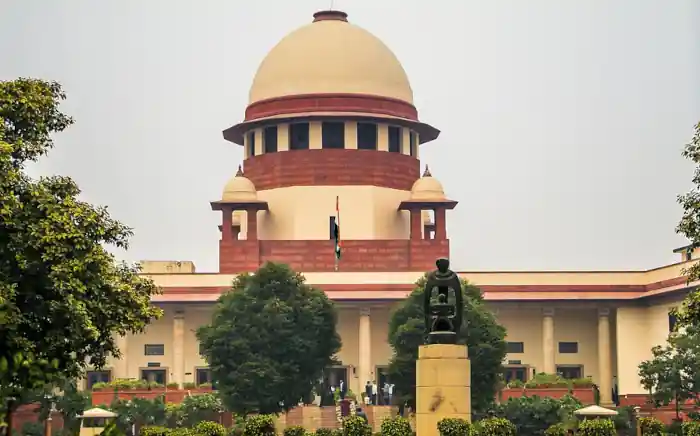
Supreme Court of India Notification 11 February 2026: New Senior Advocate Guidelines
The institution of the Senior Advocate in India represents one of the oldest surviving inheritances of the Anglo-Indian legal tradition, tracing its conceptual lineage to the distinction between the King’s Counsel and ordinary barristers in nineteenth-century England. After the establishment of the Supreme Court of India on 26 January 1950 at New Delhi under Article 124 of the Constitution of India, the Indian judiciary gradually evolved its own framework for recognising legal distinction and professional eminence within the Bar. The statutory basis for the conferment of the designation emerged with the enactment of the Advocates Act, 1961, particularly under Section 16, which divided advocates into two classes: Senior Advocates and other advocates. The designation was intended not merely as an honorific distinction but as a constitutional recognition of exceptional legal learning, courtroom ability, professional ethics, and contribution to jurisprudence.
For several decades after 1961, the process of designation remained largely dependent upon internal consultations among judges of constitutional courts, especially the Supreme Court and various High Courts. By the late twentieth century, however, criticism began to emerge from within the legal fraternity regarding opacity, subjectivity, and the absence of institutionalised criteria. Concerns were voiced in New Delhi, Mumbai, Chennai, Kolkata, Allahabad, and other major centres of litigation that the conferment process relied excessively upon informal reputation and judicial familiarity. These concerns intensified during the early twenty-first century as the Indian legal profession expanded rapidly following economic liberalisation after 1991, which produced new specialised branches of practice including arbitration, competition law, insolvency, telecommunications regulation, and intellectual property litigation.
A decisive constitutional moment occurred on 12 October 2017, when the Supreme Court of India delivered judgment in Indira Jaising v. Supreme Court of India, reported in (2017) 9 SCC 766. A Bench led by Justice Ranjan Gogoi introduced structured guidelines for the designation process. The Court sought to replace the older convention-driven model with a more transparent institutional framework. The judgment proposed a Permanent Committee, a points-based evaluation system, publication of candidate names, and opportunities for stakeholder feedback. The decision transformed the process from an informal judicial privilege into a quasi-administrative constitutional exercise governed by principles of fairness, transparency, and institutional accountability.
Subsequently, the Guidelines for Designation of Senior Advocates, 2018 were framed by the Supreme Court at New Delhi. These guidelines established measurable criteria such as reported judgments, publications, standing at the Bar, pro bono work, and interview performance. Yet the system itself became the subject of controversy. Members of the Bar argued that mathematical scoring diluted judicial discretion and failed to capture the intangible qualities of advocacy and legal stature. Others contended that interviews were unsuitable in evaluating accomplished advocates with decades of professional standing. Over the next several years, repeated debates occurred within the corridors of the Supreme Court Bar Association and the Supreme Court Advocates-on-Record Association situated near Tilak Marg in New Delhi.
The issue returned to constitutional prominence through the litigation in Jitender @ Kalla vs. State (Govt. of NCT of Delhi) and Another, decided on 13 May 2025 and reported as 2025 INSC 667. Although the case originated within a criminal law context connected with proceedings in Delhi, its wider institutional consequence emerged through observations concerning the mechanism of designation of Senior Advocates. The judgment reopened questions regarding judicial consensus, secret ballot procedures, objectivity, and the constitutional legitimacy of previous evaluative methods. The Supreme Court reconsidered whether the existing system adequately reflected the ideals of professional merit and constitutional morality expected from the highest court of the Republic.
This culminated in the SUPREME COURT OF INDIA Notification dated 11 February 2026, issued from New Delhi under the authority of the Court Registry. The notification declared that, “In terms of the decision of this Hon’ble Court dated 13th May 2025 in Jitender @ Kalla vs. State (Govt. of NCT of Delhi) and Anr. (2025 INSC 667), the ‘Guidelines for Designation of Senior Advocates by the Supreme Court of India, 2023’ have been amended, modified, and replaced.” The notification further recorded that in a Full Court Meeting held on 10 February 2026, the Chief Justice of India and the Judges of the Supreme Court approved a new framework titled the Guidelines for Designation of Senior Advocates by the Supreme Court of India, 2026. The notification was authenticated by Devender Pal Walia, Registrar (CDSA).
The 2026 Guidelines marked a significant constitutional and institutional transition. Unlike earlier frameworks that heavily emphasised numerical assessment, the revised structure restored primacy to collective judicial evaluation while retaining procedural transparency. The new guidelines reaffirmed that all matters concerning designation would be handled by a Permanent Committee called the Committee for Designation of Senior Advocates. The Committee was to consist of the Chief Justice of India as Chairperson and the two senior-most Judges of the Supreme Court as members. This composition reflected the constitutional principle that professional recognition within the Supreme Court Bar should remain under the supervision of the Court’s highest judicial leadership rather than external agencies.
A notable institutional innovation was the establishment of a Permanent Secretariat, whose composition would be determined by the Chief Justice of India in consultation with Committee members. The Secretariat was entrusted with administrative continuity, a feature absent in many earlier eras of judicial functioning. Historically, Indian judicial administration often depended upon ad hoc registry mechanisms, but the 2026 framework attempted to create a specialised institutional memory within the Supreme Court administration itself.
The guidelines mandated that the Secretariat initiate the process of designation at least once every year by inviting applications from advocates. Public notice was required to be published on the official website of the Supreme Court of India, while simultaneous intimation had to be sent to the Supreme Court Bar Association and the Supreme Court Advocates-on-Record Association. This requirement reflected the judiciary’s continuing movement toward digital administrative governance, a transformation accelerated after the COVID-19 pandemic period between 2020 and 2022, when virtual courts and electronic filing systems became embedded within judicial practice.
Eligibility criteria under the 2026 Guidelines reflected both continuity and reform. A candidate was required to possess ten years’ standing as an advocate, or alternatively ten years’ combined service as an advocate and judicial officer, including service as a District and Sessions Judge or Judicial Member of a Tribunal. The insistence upon substantial professional experience echoed long-standing traditions of the Indian Bar dating back to colonial High Courts established at Calcutta, Bombay, and Madras in 1862.
The requirement that applicants should “practise mainly in the Supreme Court” reinforced the Court’s institutional identity as the apex forum of constitutional litigation. Yet the Guidelines also recognised the growing complexity of specialised legal practice in India. Advocates practising before specialised tribunals such as the National Company Law Tribunal, National Green Tribunal, Securities Appellate Tribunal, or arbitration forums could receive concessions regarding the extent of Supreme Court appearances. This represented judicial acknowledgement that modern legal expertise often develops outside traditional constitutional litigation.
The minimum age requirement of 45 years carried historical significance. In earlier decades, the designation was often associated with advocates who had spent long periods cultivating professional reputation before constitutional courts. By formalising the age threshold, the Court sought to balance youthful brilliance with mature professional experience. Nevertheless, the Full Court retained discretion to relax the age limit in exceptional circumstances.
Particularly important were the provisions concerning prior rejection or deferment. An advocate whose application had been rejected within two years, or deferred within one year, became temporarily ineligible. This introduced a cooling-off mechanism designed to preserve institutional stability and prevent repetitive applications. Such provisions reflected administrative practices commonly associated with constitutional appointments and judicial service selections.
The evaluative criteria articulated in Paragraph 14 of the Guidelines represented perhaps the most intellectually significant aspect of the framework. The Full Court was directed to assess candidates based upon ability, standing at the Bar, and special knowledge or experience in law. The language employed by the Guidelines consciously invoked the vocabulary of classical legal professionalism rather than corporate managerialism.
“Ability” was defined broadly to include deep knowledge of law, advocacy skill, and legal writing. Importantly, the Guidelines recognised the “capacity to rationally critique judicial decisions” as a component of legal ability. This acknowledgement possessed constitutional importance because it affirmed that respectful criticism of judicial reasoning forms part of legitimate legal scholarship within a democratic constitutional order.
The concept of “standing at the Bar” drew heavily upon the ethical traditions of the Indian legal profession. The Guidelines emphasised fairness toward courts, respectful conduct with judges and colleagues, maintenance of decorum, and adherence to the “highest standards of professional etiquette and ethics.” The advocate was described first as an “officer of the Court” and only thereafter as a representative of the client. This formulation echoed older traditions articulated by jurists such as M.C. Setalvad, India’s first Attorney General, during the formative years of the Republic in the 1950s.
The inclusion of mentorship and pro bono work as relevant considerations reflected evolving constitutional values associated with access to justice. Since the rise of Public Interest Litigation during the tenure of Justice P.N. Bhagwati and Justice V.R. Krishna Iyer in the late 1970s and early 1980s, the Indian judiciary increasingly linked legal professionalism with social responsibility. The 2026 Guidelines embedded this philosophy directly within the process of professional recognition.
The insistence upon absence of criminal antecedents and disciplinary punishment underscored the moral dimension of the designation. The Court declared that an advocate convicted of offences involving moral turpitude, contempt of court, or professional misconduct would fail the ethical threshold necessary for designation. This provision reflected the judiciary’s continuing concern regarding public confidence in legal institutions.
An especially noteworthy provision appeared in Paragraph 16, which permitted the Full Court to recommend designation even where no formal application had been submitted. This revived an older judicial convention whereby exceptional legal ability could be recognised suo motu by the Court itself. Such discretion acknowledged that professional eminence sometimes transcends bureaucratic application procedures.
Decision-making under the 2026 framework was to proceed primarily through consensus. Only where consensus proved impossible would majority determination apply. Secret ballot voting was restricted to “exceptional situations” requiring recorded reasons. This provision addressed controversies that had emerged during previous designation exercises concerning anonymity and accountability within judicial voting practices.
The Guidelines also created a separate mechanism for former Chief Justices and Judges of High Courts to seek designation as Senior Advocates. However, former judges holding full-time assignments remained ineligible during tenure of such appointments. This provision attempted to maintain separation between active executive or statutory assignments and professional recognition at the Bar.
The power to review and recall designation constituted one of the strongest assertions of continuing judicial supervision. The Full Court retained authority to withdraw designation where subsequent conduct rendered an advocate unworthy of the distinction. Yet procedural fairness was preserved through the guarantee of hearing before adverse action.
The concluding provision vested interpretative authority entirely in the Chief Justice of India, whose decision regarding application or interpretation of the Guidelines would remain final. This clause reflected the constitutional position of the Chief Justice as head of the Indian judiciary and administrative leader of the Supreme Court institution.
Supreme Court of India Senior Advocate Designation Guidelines, 2026
Core Institutional Framework
Supreme Court of India
The apex constitutional court governing the conferment of Senior Advocate designation under the constitutional and statutory framework of the Indian legal system.
See also:
- Committee for Designation of Senior Advocates
- Full Court
- Chief Justice of India
- Senior Advocate
- Advocate-on-Record System
- Bar Council of India
- Judicial Independence
Senior Advocate
A distinction conferred upon advocates recognized for exceptional ability, standing at the Bar, professional ethics, and special knowledge in law.
Connected concepts:
- Legal Merit
- Professional Ethics
- Courtroom Advocacy
- Constitutional Morality
- Legal Scholarship
- Pro Bono Service
- Mentorship
See also:
- Standing at the Bar
- Special Knowledge of Law
- Ability Criteria
- Judicial Evaluation
- Full Court Consensus
Committee for Designation of Senior Advocates
A permanent institutional mechanism constituted to process applications and facilitate evaluation for Senior Advocate designation.
Composition:
- Chief Justice of India
- Two senior-most Judges of the Supreme Court
Functions:
- Administrative scrutiny
- Data collection
- Stakeholder consultation
- Secretariat supervision
See also:
- Permanent Secretariat
- Full Court
- Judicial Administration
- Institutional Transparency
Permanent Secretariat
The administrative body assisting the Committee for Designation of Senior Advocates.
Functions include:
- Inviting applications
- Publishing notices
- Collecting data
- Receiving stakeholder inputs
- Preparing dossiers for the Full Court
Connected ideas:
- Procedural Fairness
- Transparency
- Institutional Record-Keeping
- Administrative Due Process
See also:
- Supreme Court Website Publication
- Stakeholder Consultation
- Eligibility Verification
Eligibility Architecture
Eligibility Criteria
The minimum statutory and professional conditions required for designation.
Components:
- Ten years’ standing
- Supreme Court practice
- Minimum age of 45 years
- Cooling-off restrictions after rejection or deferment
See also:
- Professional Experience
- Judicial Service Experience
- Specialized Tribunal Practice
- Age Qualification
- Cooling-Off Period
Professional Standing
Represents the advocate’s stature, credibility, and ethical reputation within the legal fraternity.
Indicators:
- Fair conduct
- Respect toward judiciary
- Courtroom decorum
- Ethical integrity
- Mentorship
- Professional respect
Connected concepts:
- Officer of the Court
- Legal Ethics
- Professional Responsibility
- Bar Culture
See also:
- Integrity
- Decorum
- Mentoring Junior Advocates
- Pro Bono Advocacy
Ability Criteria
The intellectual and advocacy-related competence expected from a Senior Advocate candidate.
Includes:
- Deep knowledge of law
- Advocacy skills
- Legal writing
- Analytical critique of judgments
Connected concepts:
- Jurisprudence
- Legal Reasoning
- Courtcraft
- Constitutional Interpretation
See also:
- Legal Scholarship
- Judicial Critique
- Advocacy Excellence
Special Knowledge of Law
Recognition of domain-specific expertise in advanced or technical legal branches.
Illustrative branches:
- Arbitration
- Insolvency and Bankruptcy
- Intellectual Property
- Company Law
- Taxation
Connected concepts:
- Specialized Litigation
- Tribunal Practice
- Commercial Courts
- Expert Advocacy
See also:
- Domain Expertise
- Specialized Tribunals
- Legal Specialization
No Criminal Antecedents
A mandatory ethical threshold requiring clean professional and criminal records.
Disqualifying elements:
- Criminal conviction
- Moral turpitude
- Contempt punishment
- Bar Council disciplinary action
Connected concepts:
- Professional Integrity
- Public Confidence
- Ethical Legitimacy
See also:
- Bar Council Misconduct
- Contempt of Court
- Legal Ethics
Decision-Making Structure
Full Court
The collective body of Supreme Court judges empowered to make the final determination regarding designation.
Functions:
- Assess candidates
- Deliberate on merit
- Reach consensus or majority decision
- Exercise residual discretion
See also:
- Collegial Decision-Making
- Judicial Consensus
- Institutional Legitimacy
- Secret Ballot Exception
Consensus-Based Decision-Making
The preferred method for determining designation outcomes.
Principles:
- Collective institutional wisdom
- Judicial harmony
- Deliberative legitimacy
Alternative:
- Majority decision where consensus fails
See also:
- Secret Ballot
- Judicial Deliberation
- Institutional Integrity
Secret Ballot Exception
An exceptional procedural mechanism permitted only with recorded reasons.
Connected ideas:
- Judicial Confidentiality
- Institutional Sensitivity
- Internal Court Autonomy
See also:
- Majority Decision
- Full Court Deliberation
Transparency and Participation
Stakeholder Consultation
The process through which views from the legal community are invited regarding proposed candidates.
Stakeholders include:
- Bar associations
- Advocates
- Legal fraternity members
Connected concepts:
- Participatory Governance
- Institutional Accountability
- Public Confidence in Judiciary
See also:
- Supreme Court Website Publication
- Transparency in Appointments
Supreme Court Website Publication
Mandatory public disclosure of:
- Applications
- Notices
- Proposed designations
Purpose:
- Transparency
- Openness
- Community scrutiny
See also:
- Public Accountability
- Stakeholder Participation
- Administrative Transparency
Professional Ethics and Bar Culture
Officer of the Court
The principle that advocates owe primary responsibility to justice and the legal system before client interest.
Core values:
- Candour
- Fairness
- Integrity
- Assistance to the Court
See also:
- Legal Ethics
- Professional Responsibility
- Courtroom Decorum
Pro Bono Work
Recognition of voluntary legal service to marginalized or underserved communities.
Connected concepts:
- Access to Justice
- Social Responsibility
- Constitutional Compassion
See also:
- Legal Aid
- Public Interest Litigation
- Mentorship
Mentorship
The obligation of senior members of the Bar to guide junior advocates.
Functions:
- Skill transmission
- Ethical guidance
- Professional development
See also:
- Bar Traditions
- Legal Education
- Professional Leadership
Procedural Safeguards
Cooling-Off Period
Mandatory waiting period after rejection or deferment before reconsideration.
Structure:
- Two years after rejection
- One year after deferment
Purpose:
- Administrative stability
- Merit reassessment
- Institutional consistency
See also:
- Fresh Application
- Reconsideration Procedure
Reconsideration Mechanism
Allows unsuccessful or deferred candidates to apply again after prescribed periods.
Connected concepts:
- Natural Justice
- Institutional Fairness
- Procedural Continuity
See also:
- Cooling-Off Period
- Fresh Evaluation
Recall of Designation
The Full Court retains authority to revoke Senior Advocate designation upon misconduct.
Safeguards:
- Opportunity of hearing
- Institutional review
Connected concepts:
- Continuing Ethical Accountability
- Professional Discipline
- Judicial Oversight
See also:
- Misconduct
- Bar Council Discipline
- Natural Justice
Judicial and Constitutional Themes
Judicial Independence
The autonomy of the judiciary in determining professional recognition within the legal system.
Manifestations:
- Internal evaluation
- Judicial discretion
- Institutional self-regulation
See also:
- Full Court Authority
- Judicial Administration
- Separation of Powers
Institutional Transparency
The movement toward openness and accountability in judicial administrative processes.
Mechanisms:
- Publication of applications
- Stakeholder consultation
- Structured criteria
See also:
- Administrative Law
- Public Accountability
- Procedural Legitimacy
Meritocracy in the Legal Profession
The principle that recognition should depend upon demonstrated excellence rather than influence or seniority alone.
Evaluation factors:
- Ability
- Ethics
- Standing
- Expertise
See also:
- Professional Excellence
- Legal Scholarship
- Advocacy Skills
Related Legal Institutions
Supreme Court Bar Association
A representative institutional body of advocates practicing before the Supreme Court.
Role under the Guidelines:
- Receives intimation regarding applications
See also:
- Bar Associations
- Supreme Court Practice
- Legal Community Participation
Supreme Court Advocates-on-Record Association
The institutional body representing Advocates-on-Record before the Supreme Court.
Connected concepts:
- Supreme Court Procedure
- Advocate-on-Record System
- Institutional Representation
See also:
- Supreme Court Practice
- Bar Governance
Bar Council of India
The statutory regulator of the legal profession in India.
Relevance:
- Professional discipline
- Ethical standards
- Misconduct proceedings
See also:
- Advocates Act, 1961
- Professional Ethics
- Legal Regulation
Foundational Jurisprudence
Jitender @ Kalla vs. State (Govt. of NCT of Delhi) (2025 INSC 667)
The Supreme Court decision forming the jurisprudential basis for the 2026 Guidelines.
Significance:
- Reconsideration of earlier designation procedures
- Institutional restructuring
- Emphasis on fairness and transparency
See also:
- Judicial Reform
- Senior Advocate Designation
- Supreme Court Administrative Powers
Meta-Conceptual Cluster
Legal Excellence
An umbrella concept combining:
- Advocacy skill
- Ethical conduct
- Intellectual contribution
- Professional reputation
See also:
- Senior Advocate
- Meritocracy
- Legal Scholarship
- Professional Standing
Constitutional Professionalism
The idea that legal practice must align with constitutional values, institutional integrity, and public trust.
Connected concepts:
- Rule of Law
- Judicial Ethics
- Access to Justice
- Officer of the Court
See also:
- Pro Bono Service
- Professional Responsibility
- Judicial Integrity
More Stories
The West Bengal Government Premises (Regulation of Occupancy) Act, 1984
Regulatory Enforcement (Volume 23): Inspections, penalties, hearings, whistleblower protections
Arbitration: United Kingdom Public Acts