

Encyclopedia of Ancient and Modern India
Encyclopedia of Rashtriya Swayamsevak Sangh
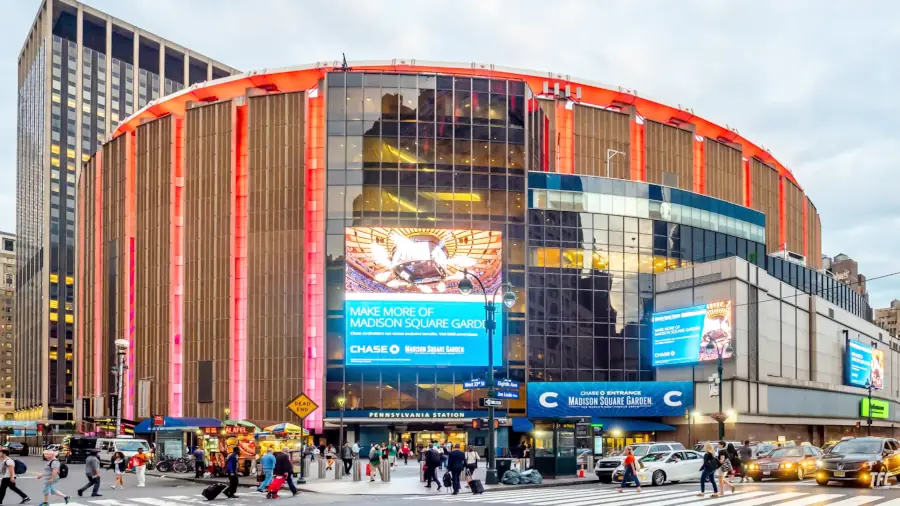
Mohan Bhagwat to Address Universal Oneness Celebration at Madison Square Garden on August 29, 2026
NEW YORK, August 26, 2026 — A major gathering of Hindu Americans is set to take place in New York on August 29, with Rashtriya Swayamsevak Sangh (RSS) chief Dr. Mohan Bhagwat scheduled to address the Universal Oneness Celebration at Madison Square Garden, bringing together Hindu organisations, community leaders and cultural groups from across the United States at a politically charged moment for the Indian-American community.
The programme, organised by the American Hindus for Engagement and Dialogue (AHEAD Forum), is being presented as a celebration of Raksha Bandhan and of the Sanskrit principle Vasudhaiva Kutumbakam — “The World Is One Family.” Organisers say the gathering is intended to move the traditional idea of familial bonds beyond the immediate family and extend it to communities, societies, humanity and the natural world.
The organisers expect about 6,000 people to attend, while other reports have put the anticipated audience at around 5,000. The programme is scheduled for August 29, with doors opening at 1 p.m. and the main programme running from 2 p.m. to 5:30 p.m.
More than 200 Hindu American organisations, according to the organisers’ latest announcement, have joined the initiative. The coalition includes organisations representing different regional, linguistic, religious, cultural and professional communities. Among those associated with the programme are India Heritage, Indian American Association of Austin, Indian Association of Greater Boston, Indian Business Association, Isha Vedic Foundation and ISKCON New York City. The breadth of the coalition is one of the principal features emphasised by AHEAD Forum.
The event’s organisers describe AHEAD Forum as a nonprofit organisation devoted to dialogue, civic engagement, interfaith understanding and cooperation across communities in the United States. The organisation says its work is intended to create platforms for discussion of civilisational perspectives, contemporary challenges and the contributions of Hindu Americans and wider communities to American public life.
For Bhagwat, the appearance comes during the centenary year of the RSS, founded in 1925. The organisation’s centenary period runs from Vijayadashami 2025 to Vijayadashami 2026 and has been accompanied by programmes in India and overseas. Bhagwat’s current international tour, covering the United States, Canada and the United Kingdom, is being described by the RSS as part of its centenary outreach.
The New York programme therefore carries significance beyond a single cultural celebration. Bhagwat has led the RSS since 2009 and has become the organisation’s principal public voice on questions ranging from social cohesion and family life to environmental responsibility, civic duty and the place of Hindu society in contemporary India. His appearance at one of the most recognisable public venues in the United States places the RSS chief before a large American audience at a time when questions concerning Hindu identity, Vedic Nation and the Indian diaspora have become increasingly prominent in American public discourse.
The central phrase of the programme, Vasudhaiva Kutumbakam, comes from the Sanskrit tradition and is commonly translated as “the world is one family.” AHEAD Forum has made the concept the organising principle of the celebration. Its official description presents the philosophy in terms of a shared source of existence and argues that recognition of this commonality should produce respect for human beings, other living creatures and the natural environment.
The organisers have also linked the theme with Raksha Bandhan, a festival traditionally associated with the relationship between brothers and sisters. In the interpretation being promoted by AHEAD Forum, the idea of protection and responsibility represented by the festival can be extended from the family to society as a whole. The Universal Oneness Celebration is consequently being positioned not simply as a religious observance but as a public statement about social responsibility and community relations.
The programme is expected to combine speeches with cultural performances, music and artistic presentations. According to the organisers, the cultural programme will draw upon classical Indian traditions and will address themes including unity across traditions, service to society and the relationship between human beings and nature.
The gathering has nevertheless become the subject of a political controversy in New York only days before it is scheduled to take place.
New York City Mayor Zohran Mamdani has publicly said that he does not support the event because of Bhagwat’s association with the RSS. Speaking at a news conference, Mamdani said he opposed the rally but questioned whether the city had jurisdiction to cancel a private event. He described his own understanding of India as that of a pluralistic and secular republic and said he was troubled by what he characterised as the rise of an exclusionary movement.
Mamdani’s remarks have brought the Madison Square Garden programme into a much broader argument over the RSS, Hindu nationalism, Indian-American political identity and the limits of governmental intervention in privately organised events.
The RSS describes itself as a Hindu-centred civilisational and cultural organisation devoted to social organisation, service and the development of Hindu society. The organisation has also used its centenary-year international outreach to challenge descriptions of the RSS as a paramilitary organisation and to present its social and service activities to audiences outside India.
The dispute has consequently produced an unusual contrast. The organisers have chosen “Universal Oneness” as the central message of the event, while opponents argue that the public appearance of the RSS chief raises precisely the questions of inclusion, minority rights and political ideology that the phrase is intended to transcend.
Supporters of the programme have responded that Hindu Americans should be able to organise a large public gathering and invite a prominent Hindu organisational leader without political interference. The event has received support from sections of the Indian-American community as well as individuals outside the community. The controversy has also attracted attention from American political and cultural figures, further widening the audience for what organisers initially described primarily as a community and philosophical gathering.
The timing is particularly significant for the RSS. Its centenary year has been marked by a renewed emphasis on organisational expansion, social contact and public engagement. The organisation has identified Panch Parivartan, or five areas of transformation — Samajik Sadbhav (social harmony), Kutumba Prabodhan (family awareness), Paryavaran (environmental responsibility), Swadeshi and Nagrik Kartavya (civic responsibility) — as major areas of social work. Its domestic programme has also focused on expanding shakhas, increasing contact with households and strengthening youth participation.
The American outreach gives these themes a different setting. The RSS is no longer addressing only Indian audiences but an Indian-origin population whose social and political identity has developed within the United States. Hindu Americans now occupy positions across medicine, technology, business, academia, law, public administration, culture and the professions, while temples, cultural associations, educational institutions and philanthropic organisations have created a substantial institutional network.
AHEAD Forum’s coalition reflects that diversity. The participating organisations include regional associations, cultural bodies, religious institutions, professional networks and service organisations. The organisers say the purpose of bringing them together is to demonstrate that Hindu American society cannot be represented by a single language, region, denomination or cultural tradition.
That diversity will be particularly visible at Madison Square Garden, where the programme is expected to combine religious and philosophical themes with the cultural expressions of the Indian diaspora.
Bhagwat’s address is therefore likely to be the principal focus of the gathering. His remarks will be closely watched for how he defines Hindu identity, pluralism, social harmony and the relationship between Indian civilisation and the global Hindu diaspora. The significance of the speech will also depend on whether he confines his message to the philosophical theme of universal oneness or addresses the political controversies surrounding the RSS directly.
The event also marks a further development in the public visibility of Hindu Americans in the United States. Earlier generations of Indian immigrants often organised community life around temples, regional associations and cultural festivals. A new generation of Hindu American organisations increasingly seeks a presence in broader civic and interfaith conversations, presenting Hindu philosophy not only as a matter of private religious belief but also as a source of ideas concerning society, environment, service and human responsibility.
For AHEAD Forum, the New York celebration is intended to give that emerging public identity a common platform. For Bhagwat and the RSS, it provides one of the most prominent American stages of the centenary year. For the event’s critics, it represents an opportunity to challenge what they regard as an increasingly influential Hindu nationalist organisation on American soil.
The debate surrounding the programme is therefore unlikely to end when the speeches conclude. The immediate question is whether the celebration can successfully maintain its stated emphasis on Vasudhaiva Kutumbakam amid the competing political interpretations surrounding its principal speaker. The larger question is how Hindu American identity will be articulated in the United States as the community becomes increasingly organised, publicly visible and engaged in debates over religion, pluralism, India and American civic life.
On August 29, Madison Square Garden will consequently become more than the venue for a Raksha Bandhan programme. It will provide a highly visible meeting point between Hindu civilisational thought, the organised Hindu American community, the RSS’s centenary outreach and the contentious politics of contemporary Indian identity in the United States. Whether the event is ultimately remembered principally as a cultural celebration, a civilisational dialogue or a political controversy will depend in large measure on Bhagwat’s address and on the response it receives from the diverse audience gathered in New York.
Universal Oneness Celebration — Sarvarthapedia Conceptual Network
Core Concept: Universal Oneness
Universal Oneness
→ Vasudhaiva Kutumbakam
→ Hindu Civilisational Thought
→ Interfaith Dialogue
→ Social Harmony
→ Human Solidarity
→ Global Citizenship
→ Religious Pluralism
→ Civilisational Dialogue
→ Diaspora Identity
See also:
Vasudhaiva Kutumbakam → Hindu Philosophy → Dharma → Lokasaṃgraha → Sarvabhūta Hita → Seva
Cluster: Vasudhaiva Kutumbakam
Philosophical Network
Vasudhaiva Kutumbakam
→ World as One Family
→ Universal Brotherhood
→ Ethical Responsibility
→ Mutual Protection
→ Social Cohesion
→ Interdependence
→ Environmental Responsibility
→ Global Peace
Vasudhaiva Kutumbakam
→ Mahā Upaniṣad
→ Upanishadic Thought
→ Vedantic Concepts of Unity
→ Hindu Conceptions of Universalism
Conceptual Connections
World as One Family
→ Family
→ Community
→ Nation
→ Humanity
→ Living World
Universal Oneness
→ Individual
→ Society
→ Civilisation
→ Humanity
→ Nature
Cluster: Raksha Bandhan
Festival and Social Meaning
Raksha Bandhan
→ Sibling Relationship
→ Protection
→ Responsibility
→ Affection
→ Social Bond
→ Community Responsibility
Raksha Bandhan
→ Universal Oneness Day
→ Expansion of Familial Ethics
→ Social Solidarity
→ Inter-community Relations
Conceptual Extension
Protection within Family
→ Protection within Community
→ Protection of Society
→ Protection of Humanity
→ Protection of Nature
This creates a conceptual bridge:
Raksha Bandhan → Responsibility → Seva → Social Harmony → Universal Oneness
Hindu American Community
Diaspora Structure
Hindu Americans
→ Indian Diaspora
→ Hindu Diaspora
→ Asian American Community
→ Religious Communities
→ Cultural Associations
→ Temple Networks
→ Professional Associations
→ Educational Organisations
→ Philanthropic Organisations
Hindu American Identity
→ Religious Identity
→ Cultural Identity
→ Civilisational Identity
→ Indian-American Identity
→ American Civic Identity
→ Diaspora Politics
Generational Transformation
First-Generation Immigrants
→ Cultural Preservation
→ Temple Institutions
→ Regional Associations
Second Generation
→ Bicultural Identity
→ American Civic Participation
→ Heritage Education
Third Generation
→ Hindu American Identity
→ Public Representation
→ Interfaith Engagement
→ Civilisational Discourse
Cluster: American Hindus for Engagement and Dialogue
Institutional Network
AHEAD Forum
→ Hindu American Civic Engagement
→ Interfaith Dialogue
→ Community Cooperation
→ Civilisational Dialogue
→ Public Education
→ Cultural Programmes
→ Religious Pluralism
AHEAD Forum
→ Washington, D.C.
→ Los Angeles
→ San Francisco
→ Dallas
→ Chicago
→ Atlanta
→ Houston
→ New York
→ Boston
Organisational Relationships
AHEAD Forum
→ Hindu American Organisations
→ Cultural Organisations
→ Religious Institutions
→ Professional Associations
→ Community Leaders
→ Interfaith Organisations
AHEAD Forum
→ Universal Oneness Celebration
→ Raksha Bandhan
→ Vasudhaiva Kutumbakam
→ Hindu American Public Engagement
Cluster: Universal Oneness Celebration 2026
Event Structure
Universal Oneness Celebration 2026
→ New York City
→ Madison Square Garden
→ August 29, 2026
→ Raksha Bandhan
→ Vasudhaiva Kutumbakam
→ Hindu American Organisations
→ Cultural Programme
→ Interfaith Participation
→ Mohan Bhagwat
Organisational Coalition
Universal Oneness Celebration
→ India Heritage
→ Indian American Association of Austin
→ Indian Association of Greater Boston
→ Indian Business Association
→ Isha Vedic Foundation
→ ISKCON New York City
→ Hindu American Community Organisations
→ More than 135 participating organisations
Organisational Coalition
→ Community Mobilisation
→ Diaspora Networking
→ Cultural Integration
→ Religious Representation
→ Civic Engagement
Cluster: Madison Square Garden
Place and Public Culture
Madison Square Garden
→ New York City
→ Major Public Gatherings
→ Indian-American Events
→ Religious Events
→ Cultural Events
→ Political Events
→ Diaspora Visibility
Madison Square Garden
→ Universal Oneness Celebration
→ Public Hindu Identity
→ Hindu American Visibility
→ Civilisational Representation
Spatial Significance
New York City
→ Global City
→ Immigration
→ Religious Diversity
→ Diaspora Communities
→ Public Culture
→ Interfaith Relations
New York City
→ Madison Square Garden
→ Universal Oneness Celebration
→ Mohan Bhagwat
→ RSS Centenary Outreach
Mohan Bhagwat
Personal and Institutional Position
Mohan Bhagwat
→ Sarsanghchalak
→ Rashtriya Swayamsevak Sangh
→ RSS Centenary
→ Hindu Social Organisation
→ Social Harmony
→ Family Values
→ Environmental Responsibility
→ Civic Responsibility
→ Seva
Mohan Bhagwat
→ Hindu Society
→ Hindu Civilisation
→ Social Organisation
→ Diaspora Engagement
→ International Outreach
Public Address Network
Mohan Bhagwat’s Madison Square Garden Address
→ Universal Oneness
→ Vasudhaiva Kutumbakam
→ Hindu American Community
→ Hindu Civilisational Thought
→ Social Harmony
→ Global Dialogue
Cluster: Rashtriya Swayamsevak Sangh
Historical Network
Rashtriya Swayamsevak Sangh
→ Founded 1925
→ K. B. Hedgewar
→ Hindu Social Organisation
→ Sangh Structure
→ Shakha
→ Swayamsevak
→ Seva
→ Social Organisation
RSS
→ Indian National Movement
→ Post-Independence India
→ Hindu Nationalism
→ Indian Politics
→ Civil Society
→ Social Service
→ Cultural Nationalism
Contemporary Network
RSS
→ Mohan Bhagwat
→ Panch Parivartan
→ Shakha Expansion
→ Social Harmony
→ Family Awareness
→ Environment
→ Swadeshi
→ Civic Responsibility
Cluster: RSS Centenary
Shatabdi Varsh
RSS Centenary
→ 1925–2025
→ Centenary Year 2025–2026
→ Shatabdi Varsh
→ Institutional Reflection
→ Organisational Expansion
→ Public Outreach
→ International Outreach
RSS Centenary
→ India
→ United States
→ United Kingdom
→ Germany
→ Global Hindu Diaspora
International Outreach
RSS @ 100
→ Civilisational Dialogue
→ Diaspora Engagement
→ International Public Relations
→ Academic Engagement
→ Policy Engagement
→ Hindu Cultural Representation
RSS Centenary Outreach
→ Mohan Bhagwat
→ United States
→ Canada
→ United Kingdom
→ Hindu American Organisations
→ Universal Oneness Celebration
Cluster: Panch Parivartan
Five Transformations
Panch Parivartan
→ Samajik Sadbhav
→ Kutumba Prabodhan
→ Paryavaran
→ Swadeshi
→ Nagrik Kartavya
Samajik Sadbhav
→ Social Harmony
→ Caste Relations
→ Religious Relations
→ Community Integration
→ National Cohesion
Kutumba Prabodhan
→ Family
→ Intergenerational Relations
→ Cultural Transmission
→ Social Stability
Paryavaran
→ Ecology
→ Water Conservation
→ Tree Plantation
→ Sustainable Living
→ Environmental Ethics
Swadeshi
→ Economic Self-Reliance
→ Local Production
→ Indigenous Industry
→ Cultural Economy
Nagrik Kartavya
→ Civic Responsibility
→ Social Discipline
→ Public Institutions
→ Democratic Participation
Cluster: Hindu Civilisational Thought
Philosophical Architecture
Hindu Civilisation
→ Dharma
→ Ṛta
→ Karma
→ Moksha
→ Seva
→ Yoga
→ Vedanta
→ Upanishads
→ Purushartha
→ Lokasaṃgraha
→ Vasudhaiva Kutumbakam
Dharma
→ Individual Duty
→ Family Duty
→ Social Duty
→ Civic Duty
→ Cosmic Responsibility
Lokasaṃgraha
→ Social Welfare
→ Preservation of Social Order
→ Collective Responsibility
→ Public Ethics
Sarvabhūta Hita
→ Welfare of All Beings
→ Environmental Ethics
→ Universal Responsibility
→ Non-Exclusivist Ethics
Cluster: Hinduism and Interfaith Dialogue
Religious Pluralism
Hindu Pluralism
→ Multiple Paths
→ Religious Diversity
→ Philosophical Diversity
→ Interfaith Dialogue
→ Sarva Dharma Sambhava
Interfaith Dialogue
→ Hinduism
→ Christianity
→ Islam
→ Judaism
→ Buddhism
→ Jainism
→ Sikhism
→ Indigenous Traditions
Universal Oneness Celebration
→ Interfaith Participation
→ Religious Pluralism
→ Shared Ethical Values
→ Dialogue Across Traditions
Cluster: Diaspora and Civilisational Identity
Indian Diaspora
Indian Diaspora
→ Cultural Memory
→ Language
→ Religion
→ Family
→ Food
→ Festivals
→ Temple Institutions
→ Professional Networks
→ Civic Participation
Hindu Diaspora
→ Religious Continuity
→ Cultural Adaptation
→ Institutional Formation
→ Intergenerational Transmission
→ Public Identity
Civilisational Identity
Civilisational Identity
→ Historical Memory
→ Cultural Heritage
→ Religious Philosophy
→ Language
→ Symbols
→ Festivals
→ Institutions
Hindu American Civilisational Identity
→ Hindu Heritage
→ American Citizenship
→ Diaspora Experience
→ Civic Participation
→ Interfaith Engagement
Cluster: Religion and American Public Life
Religion in the United States
American Religious Pluralism
→ Constitutional Freedom of Religion
→ Religious Communities
→ Interfaith Institutions
→ Public Religion
→ Civic Participation
Hindu American Public Life
→ Temples
→ Community Organisations
→ Political Participation
→ Philanthropy
→ Education
→ Interfaith Dialogue
Universal Oneness Celebration
→ Religion in Public Space
→ Diaspora Visibility
→ Civic Identity
→ Freedom of Expression
→ Interfaith Engagement
Cluster: Political Controversy
RSS and Political Debate
RSS
→ Hindu Nationalism
→ Cultural Nationalism
→ Bharatiya Janata Party
→ Indian Politics
→ Religious Identity
→ Minority Rights Debate
RSS Criticism
→ Majoritarianism Debate
→ Religious Polarisation
→ Minority Rights
→ Secularism
→ Hindu Nationalism
RSS Defence
→ Cultural Organisation
→ Social Service
→ National Integration
→ Hindu Civilisation
→ Social Harmony
New York Controversy
Mohan Bhagwat’s New York Appearance
→ Mayor Zohran Mamdani
→ Political Opposition
→ Hindu American Response
→ Freedom of Assembly
→ Freedom of Expression
→ Religious Pluralism
Political Opposition
→ RSS Ideology Debate
→ Hindu Nationalism Debate
→ Indian-American Politics
→ American Civil Liberties
Cluster: Freedom of Assembly and Expression
Constitutional Framework
Freedom of Assembly
→ Public Gathering
→ Religious Gathering
→ Cultural Gathering
→ Political Gathering
→ Community Organisation
Freedom of Expression
→ Religious Speech
→ Political Speech
→ Cultural Expression
→ Public Debate
Universal Oneness Celebration
→ Private Event
→ Public Venue
→ Organisational Rights
→ Freedom of Expression
→ Freedom of Assembly
Cluster: Civilisational Dialogue
From Cultural Representation to Dialogue
Civilisational Dialogue
→ Hindu Civilisation
→ Western Civilisation
→ Indian Diaspora
→ Comparative Civilisations
→ Religion
→ Philosophy
→ Politics
→ Society
RSS Global Outreach
→ Civilisational Dialogue
→ Hindu Diaspora
→ Academic Engagement
→ Public Diplomacy
→ International Perception
AHEAD Forum
→ Civilisational Dialogue
→ Interfaith Dialogue
→ Hindu American Civic Engagement
→ Global Hindu Identity
Cluster: Seva and Social Responsibility
Service as Civilisational Practice
Seva
→ Voluntary Service
→ Community Development
→ Disaster Relief
→ Education
→ Rural Development
→ Healthcare
→ Social Welfare
RSS Seva
→ Volunteerism
→ Social Service
→ Community Organisation
→ National Reconstruction
Hindu American Seva
→ Charitable Organisations
→ Temple-Based Service
→ Philanthropy
→ Disaster Relief
→ Community Support
Cluster: Environmental Ethics
Hindu Ecological Thought
Paryavaran
→ Environmental Protection
→ Water
→ Forests
→ Rivers
→ Biodiversity
→ Sustainable Living
Hindu Environmental Thought
→ Prakriti
→ Panchamahabhuta
→ Sacred Geography
→ Ecological Responsibility
→ Sarvabhūta Hita
Universal Oneness
→ Human Unity
→ Ecological Unity
→ Responsibility toward Nature
Cluster: Family, Society and Civilisation
Family as Social Institution
Kutumba Prabodhan
→ Family
→ Parenting
→ Intergenerational Transmission
→ Cultural Continuity
→ Social Responsibility
Family
→ Individual
→ Community
→ Society
→ Civilisation
Raksha Bandhan
→ Family Bond
→ Protection
→ Responsibility
→ Social Solidarity
→ Universal Oneness
Cluster: Conceptual Master Network
Primary Knowledge Chain
Universal Oneness Celebration
→ Vasudhaiva Kutumbakam
→ Hindu Civilisational Thought
→ Dharma
→ Lokasaṃgraha
→ Seva
→ Social Harmony
→ Civic Responsibility
→ Global Citizenship
Institutional Chain
AHEAD Forum
→ Hindu American Organisations
→ Hindu American Community
→ Diaspora Institutions
→ Civic Engagement
→ Interfaith Dialogue
→ American Public Life
RSS Chain
RSS
→ Mohan Bhagwat
→ RSS Centenary
→ Shatabdi Varsh
→ Panch Parivartan
→ Global Outreach
→ Civilisational Dialogue
→ Hindu Diaspora
Event Chain
Raksha Bandhan
→ Universal Oneness Day
→ Universal Oneness Celebration
→ Madison Square Garden
→ New York
→ Mohan Bhagwat
→ Hindu American Organisations
→ Vasudhaiva Kutumbakam
Debate Chain
Mohan Bhagwat
→ RSS
→ Hindu Nationalism
→ Indian Politics
→ Hindu American Identity
→ New York Political Debate
→ Zohran Mamdani
→ Religious Pluralism
→ Freedom of Expression
Civilisational Chain
Hindu Civilisation
→ Dharma
→ Ṛta
→ Vasudhaiva Kutumbakam
→ Sarvabhūta Hita
→ Lokasaṃgraha
→ Seva
→ Social Harmony
→ Environmental Ethics
→ Universal Responsibility
Sarvarthapedia “See Also” Cluster
Directly Related
Universal Oneness Celebration
→ Vasudhaiva Kutumbakam
→ Raksha Bandhan
→ Mohan Bhagwat
→ Rashtriya Swayamsevak Sangh
→ RSS Centenary
→ AHEAD Forum
→ Hindu American Community
→ Hindu Diaspora
→ Madison Square Garden
→ New York City
Philosophically Related
Vasudhaiva Kutumbakam
→ Mahā Upaniṣad
→ Vedanta
→ Dharma
→ Lokasaṃgraha
→ Sarvabhūta Hita
→ Seva
→ Panchamahabhuta
→ Hindu Environmental Ethics
Socially Related
Hindu American Community
→ Indian Diaspora
→ Diaspora Identity
→ Cultural Preservation
→ Temple Institutions
→ Interfaith Dialogue
→ Civic Engagement
→ Religious Pluralism
Politically Related
Mohan Bhagwat
→ RSS
→ Hindu Nationalism
→ Indian Politics
→ Indian-American Politics
→ Religious Pluralism
→ Minority Rights
→ Freedom of Expression
→ Freedom of Assembly
Civilisationally Related
Universal Oneness
→ Hindu Civilisation
→ Civilisational Dialogue
→ Global Hindu Diaspora
→ Comparative Civilisations
→ Global Citizenship
→ Human Solidarity
→ Planetary Responsibility
Geographic Network
New York City
→ Madison Square Garden
→ Hindu American Community
→ AHEAD Forum
→ Universal Oneness Celebration
United States
→ New York
→ Boston
→ Washington, D.C.
→ Chicago
→ Atlanta
→ Dallas
→ Houston
→ San Francisco
→ Los Angeles
Global Hindu Diaspora
→ United States
→ United Kingdom
→ Canada
→ Caribbean
→ Africa
→ Southeast Asia
→ Australia
→ Europe
Master Sarvarthapedia Connection
Universal Oneness Celebration should therefore function within Sarvarthapedia not merely as an event entry, but as a junction article connecting Hindu philosophy, Raksha Bandhan, Hindu American identity, diaspora studies, civilisational dialogue, RSS centenary history, Mohan Bhagwat, interfaith relations, American religious pluralism, freedom of assembly, New York public culture and contemporary debates over Hindu nationalism. The central conceptual axis is:
Family → Community → Society → Nation → Humanity → Living World → Universal Oneness
This axis connects the immediate event to the larger Sarvarthapedia architecture of Dharma → Social Responsibility → Civilisation → Global Humanity.
More Stories
Donald Trump’s Financial Empire: Illegal Income, Hidden Wealth and Business Scandals
US Midterm Election Results 2026: Democratic Victory and Republican Political Collapse
Ajmal Mohammad Amir Kasab: Life, Terrorist Training, and Execution