Jawaharlal Nehru
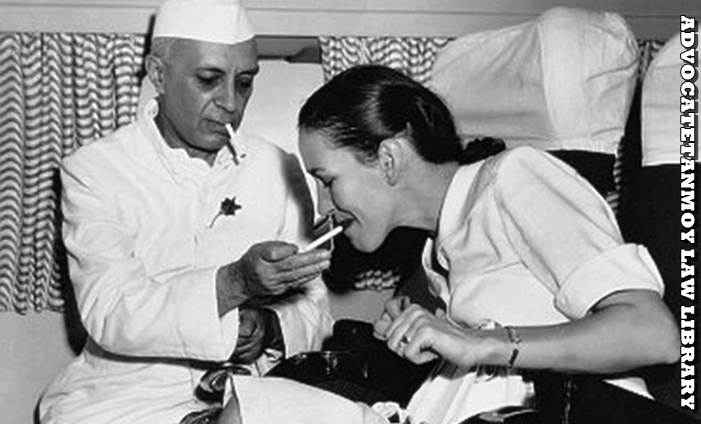
Jawaharlal Nehru entered national politics in 1919 after joining the Indian National Congress and quickly aligned with Mohandas Gandhi’s mass movements. As Congress president in 1929, he led the adoption of Purna Swaraj, marking a decisive shift toward full independence. Throughout the 1930s–1940s, Nehru became a leading strategist of the Civil Disobedience Movement (1930) and the Quit India Movement (1942), enduring long periods of imprisonment under the British Raj. With independence on 15 August 1947, Nehru became India’s first prime minister, shaping its parliamentary democracy and secular state structure. Domestically, he established key institutions in science, technology, and education, promoted heavy-industry-driven development, and strengthened federal integration by supporting the reorganization of states (1956). His foreign policy centered on “non-alignment,” asserting independence from Cold War blocs and preventing external influence on India’s sovereignty. Internationally, Nehru co-founded the Non-Aligned Movement (1961), championed decolonization, and played a prominent role in the early United Nations debates. His tenure also faced major challenges, notably the 1962 Sino-Indian War, which reshaped India’s security doctrine. Nehru served until 27 May 1964, leaving a lasting imprint on India’s political institutions, global identity, and long-term development strategy.