
The Global Terrorism Index 2026 reveals declining global terrorism but rising regional disparities, with sub-Saharan Africa as...
Pakistan
Created on August 14, 1947, as a homeland for South Asian Muslims under Muhammad Ali Jinnah, the new state soon confronted political fragility, beginning with the 1951 assassination of its first prime minister, Liaquat Ali Khan. Mounting instability culminated in the 1958 coup by Ayub Khan, inaugurating recurring military dominance. His successor, Yahya Khan (1969–1971), presided over the rupture that led to the birth of Bangladesh in December 1971. Civilian rule returned under Zulfikar Ali Bhutto, but his 1977 ouster and 1979 execution under Zia-ul-Haq ushered in sweeping Islamization. The 1990s brought unstable parliamentary cycles, followed by the 1999 takeover of Pervez Musharraf, whose era ended in 2008. Subsequent years produced a hybrid political order, where elected governments operated alongside entrenched military authority. By 2024, former premier Imran Khan remained jailed after contentious elections, intensifying polarization. Diplomatically, Pakistan joined eight Muslim-majority states in the “Board of Peace,” a Gaza reconstruction coalition with Egypt, Jordan, United Arab Emirates, Indonesia, Türkiye, Saudi Arabia, and Qatar, announced on January 21, 2026. One day later, Prime Minister Shehbaz Sharif endorsed the charter at the World Economic Forum. On January 29, 2026, officials stressed the initiative did not signal recognition of Israel, focusing solely on ceasefire efforts, rebuilding Gaza, and supporting Palestinian self-determination.
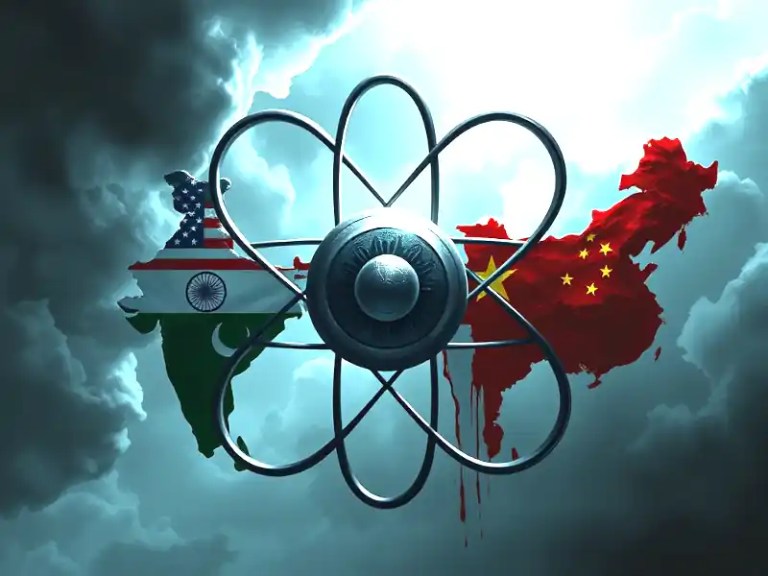
India and Pakistan's nuclear programs were shaped by historical insecurity and global powers' strategic calculations, particularly during...

Prime Minister Shehbaz Sharif chaired a high-level security meeting in Pakistan on Sunday to review the regional...

Pakistan faces a confused foreign policy moment, expressing solidarity with Iran while reaffirming ties with US-aligned Gulf...

Pakistan has launched Operation Ghazab lil-Haq after “unprovoked firing” by the Afghan Taliban along multiple Khyber Pakhtunkhwa...

A suicide blast outside Islamabad’s district court killed 12 and injured 36, intensifying tensions following Delhi’s Red...

As for the argument that limitation was not pleaded, the Court found that the objection had been...
On October 10, 2025, the Ministry of Foreign Affairs of Pakistan held a press briefing discussing Prime...
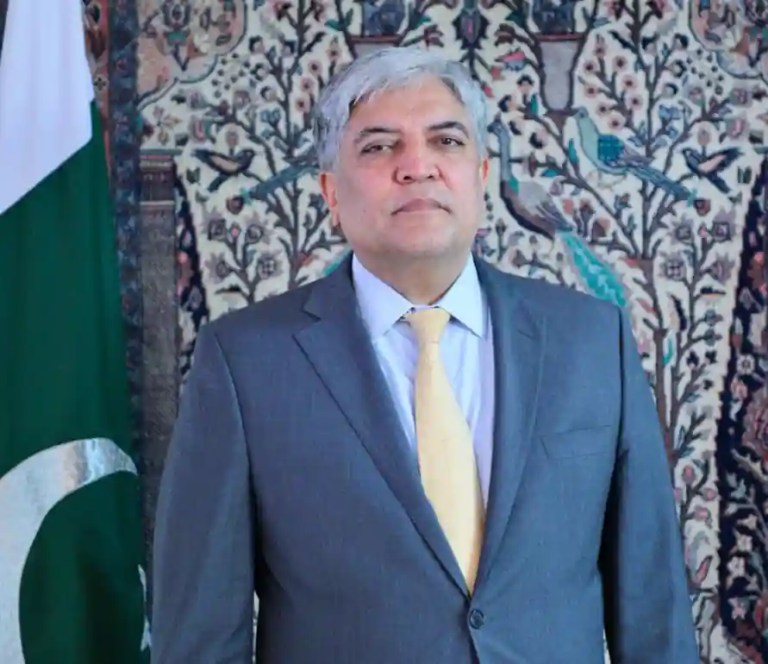
On September 19, 2025, a press briefing was held by the Ministry of Foreign Affairs regarding Prime...
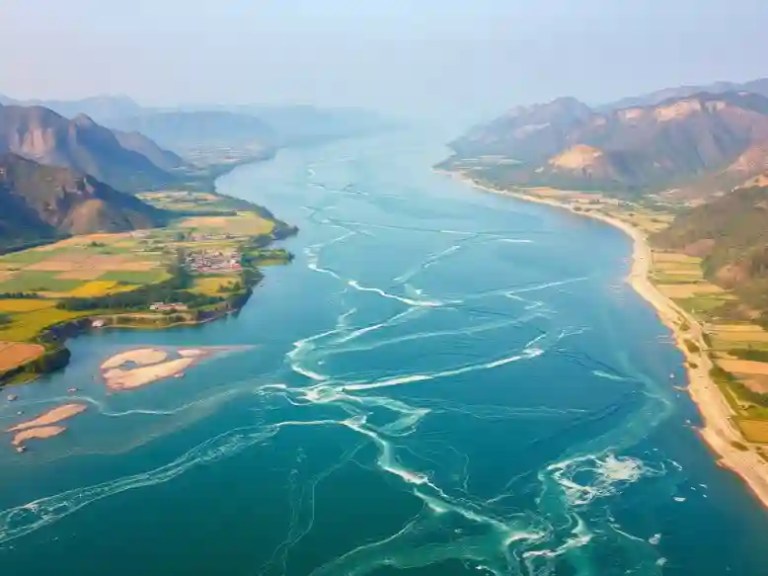
India shared flood warnings with Pakistan via diplomatic channels, citing humanitarian concerns, despite suspending the Indus Waters...
Pakistan's Prime Minister Shehbaz Sharif's recent speech exemplifies the nation's reliance on India as a scapegoat for...
On May 2, 2025, President Asif Ali Zardari of Pakistan implemented four significant ordinances, notably increasing ministerial...

On August 9, 1947, Consul General Lewis reported to the Secretary of State about a meeting with...
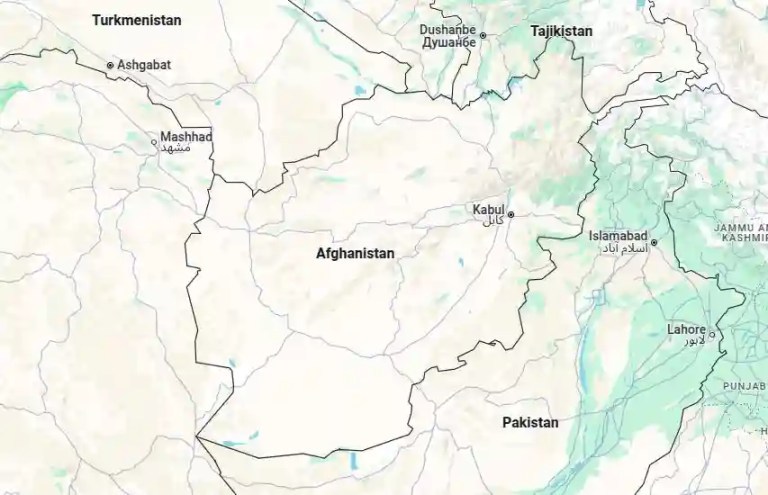
On December 21, 2024, a terrorist attack in Makeen, South Waziristan, claimed the lives of 16 Pakistani...