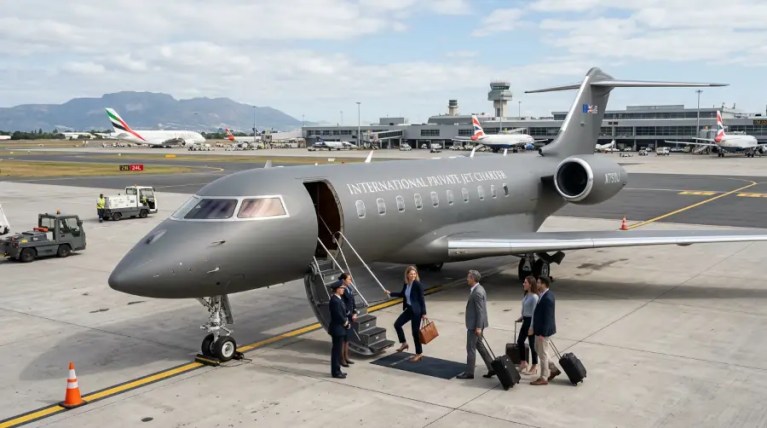
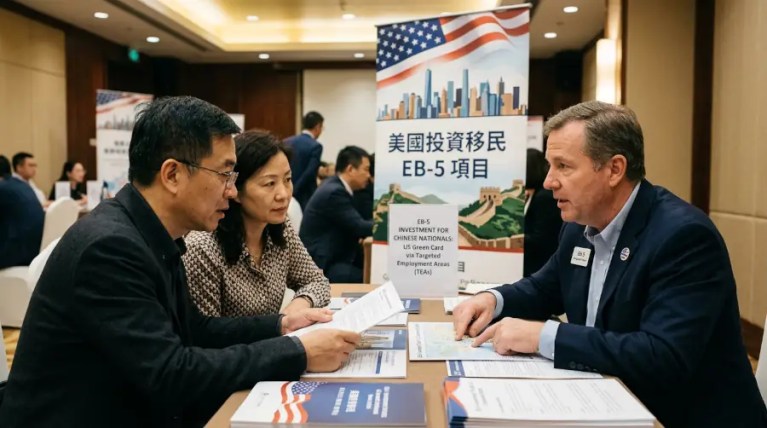
A public confrontation has erupted between U.S. President Donald Trump and Pope Leo XIV over the Iran...
Vatican City State
For more than a millennium, the popes governed territories across the Italian peninsula as powerful Christian sovereigns, a role that endured until the mid-1800s. Their lands shrank further in 1870 when Rome was incorporated into the emerging Italian state. In 1929, the Lateran Treaties negotiated between Pope Pius XI and Benito Mussolini formally created the sovereign microstate of Vatican City and recognized a special position for Roman Catholicism within Italy. A revised concordat in 1984 updated those agreements, ending Catholicism’s status as the official state religion and redefining church–state relations. Today, the Holy See focuses on a wide range of global concerns. These include defending the religious liberty of Catholics, addressing violence and discrimination against Christian minorities in Africa and the Middle East, advocating for refugees and migrants, and confronting the legacy and reality of clerical sexual abuse. The Vatican also engages deeply with humanitarian crises, promotes dialogue among religions, and wrestles with how doctrine, tradition, and theology should evolve amid rapid social change, globalization, and emerging challenges such as artificial intelligence and its perceived impact on belief and ethics. Roughly 1.3 billion people around the globe identify as Catholic, making it the largest branch of Christianity.

On May 8, 2025, Robert Francis Prevost was elected as the first American pope, Leo XIV, marking...

On May 5, 2025, at 17:30 in the Pauline Chapel of the Vatican Apostolic Palace, officials and...
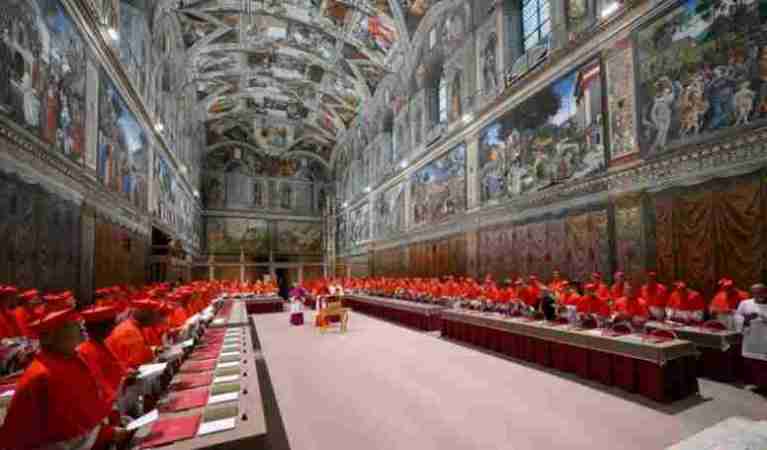
On 7 May 2025 at 16:30, the Conclave for electing the Roman Pontiff will commence, adhering to...

This bibliography provides a comprehensive list of significant books concerning papal elections, spanning various perspectives and historical...

Vaticanism embodies the centralized authority and political influence of the Vatican, governed by the Pope. It promotes...
The Vatican, a unique absolute monarchy and spiritual center for over 1.3 billion Catholics, significantly influences global...

On October 1, 2000, Chinese Foreign Ministry issued a statement to express its utmost indignation and strong...

The Holy See, officially known as the Vatican City State, covers an area of 0.439 sq. km....
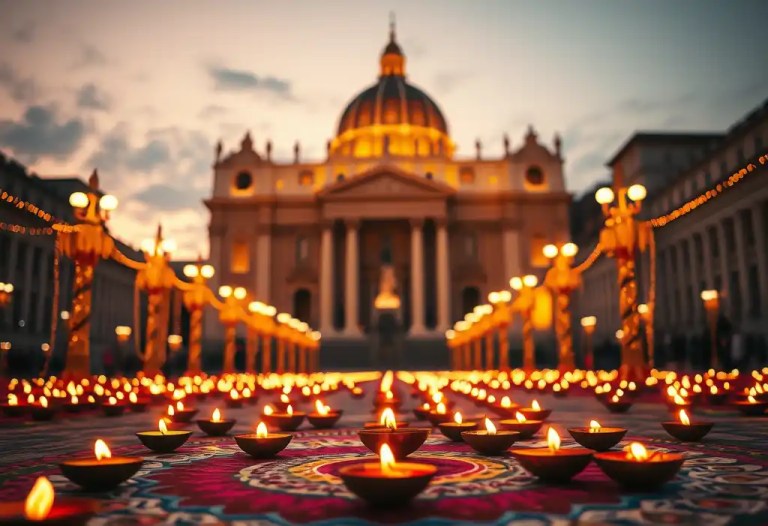
Vatican Deepavali Message: The Dicastery for Interreligious Dialogue has issued a message for Deepavali 2024, highlighting the...
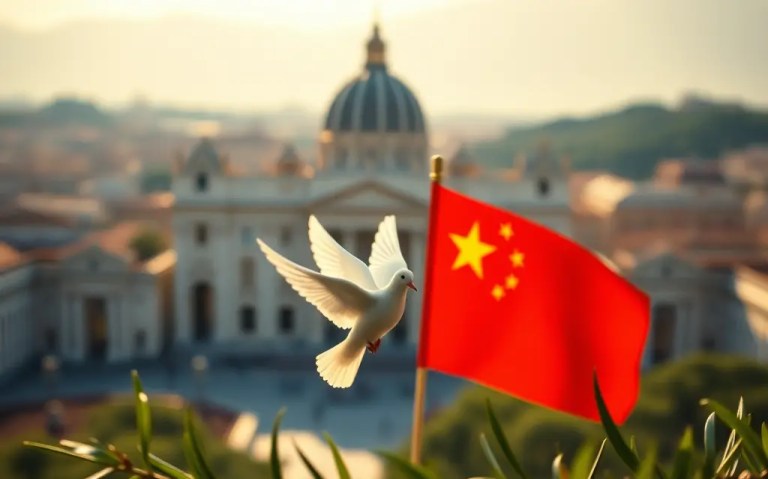
On October 22, 2024, a communique announced the extension of the Provisional Agreement between the Vatican and...
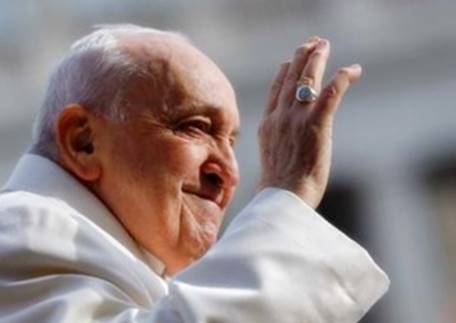
The International Theological Commission's document on religious freedom emphasizes its significance in today's diverse world. It reflects...

The Pontifical Academy of Sciences, founded by Pius XI, aims to promote mathematical, physical, and natural sciences,...

Italy,14 June 2024: Pope Francis emphasized the importance of human control over AI decisions, the need for...