Wed 7 Aug 2024
Yahya Sinwar: Hamas Political Bureau New Leader and Middle East Geopolitics
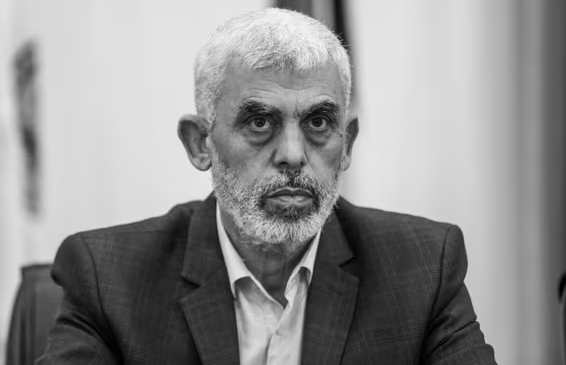
Hamas has appointed Yahya Sinwar as the new head of its political bureau, succeeding the late Ismail Haniyeh. Sinwar, known for his hardline stance and leadership in the military, is believed to be hiding in tunnels beneath Gaza. He is regarded as the mastermind behind the October 7th attack against Israel and is perceived as the chief decision-maker in Gaza. Additionally, he is believed to oversee the Israeli hostages currently in Hamas’s custody.
The appointment was announced by Hamas in a statement aired on pro-Hamas Iranian state media channels. Sinwar’s new role follows the assassination of Ismail Haniyeh, which Hamas and Iranian officials attributed to Israel. The incident occurred during the inauguration of Iran’s new president, raising concerns about a wider regional conflict involving Iran, Hezbollah in Lebanon, and Hamas in Gaza. Iran has vowed to retaliate against Israel for the attack on its soil.
The transition in Hamas’s leadership has raised questions about the future of ceasefire talks and negotiations for the release of hostages and prisoners. Haniyeh, the former political chief, played a key role in these discussions as an intermediary between Israel and Sinwar. However, with Sinwar’s elevation to the top post, the dynamics of these negotiations could potentially shift.
Sinwar’s ascension to the leadership position within Hamas reflects a significant development in the ongoing complexities of the region’s political and military landscape.
Yahya Sinwar’s Influence and Background
Yahya Sinwar, a founding member of Hamas, holds significant influence within the group due to his extensive history and leadership. Formerly heading the group’s intelligence service, Sinwar’s 23-year imprisonment in Israeli jails, serving four life sentences for attempted murder and sabotage, underscores his commitment to the cause.
Upon his release in 2011 as part of a prisoner exchange, he swiftly returned to an active role within Hamas, emphasizing the capture of Israeli soldiers as crucial to prisoner release efforts. Described as “1,000% committed and 1,000% violent” by a former interrogator, Sinwar’s fervent dedication to Hamas’s objectives is notable.
His recent elevation to the head of Hamas’s political wing further consolidates his authority within the group. This move casts uncertainty on the prospects for a potential ceasefire agreement in the ongoing conflict, particularly in light of his reported independent launching of the October 7th attack from Gaza without informing the political leadership headquartered under Ismail Haniyeh in Qatar. This development underscores the complexities and challenges surrounding negotiations and dynamics within Hamas.
Recent Assassinations of Hamas Leaders
Israel claims to have carried out a series of targeted strikes resulting in the deaths of key Hamas figures, including Mohammed Deif, the group’s military commander, reportedly killed in a July attack. Saleh al-Arouri, another top political leader, was also allegedly assassinated in January. These actions have contributed to escalating tensions between U.S. President Joe Biden and Israeli Prime Minister Benjamin Netanyahu.
According to reports from the New York Times and other U.S. media, President Biden recently confronted Prime Minister Netanyahu during a phone call, accusing him of intentionally obstructing attempts to reach a ceasefire. The Israeli leader, in turn, justified the assassinations, asserting that these operations would ultimately expedite ceasefire negotiations by exerting pressure on Hamas. Netanyahu’s stance is that the strike in Teheran may momentarily impede negotiations but will ultimately hasten the ceasefire process.
The policy of targeting high-ranking Hamas officials, both from the military and political wings, has undoubtedly contributed to the strained relations between the U.S. and Israeli leaders, as they navigate the complexities of the ongoing conflict and peace negotiations.
This delicate geopolitical situation reflects the intricate interplay between state actors and non-state entities in the Middle East, highlighting the challenges and consequences of such targeted operations.