Bachelor of Divinity (BD) Syllabus: Full Curriculum & Course Structure Senate of Serampore College (University)
Update: 2026 (April)
Bachelor of Divinity (BD) Programme Overview
This programme is designed to provide a comprehensive theological education, integrating biblical studies, theology, history, and practical ministry. It aims to equip students with the knowledge, skills, and spiritual formation necessary for effective Christian ministry and leadership.
Core Contributions of Foundational Disciplines
- Greek (Biblical): This course introduces the basic elements of New Testament Greek, establishing a foundation for New Testament study, preaching, and theological discourse. It focuses on morphology, grammar, and vocabulary to enable understanding at the word and sentence level. The purpose is to lay the groundwork for reading the New Testament in its original language, equipping students with essential skills for translation and exegesis.
- Hebrew: This unit prepares students to read the Hebrew Scriptures by teaching the script, beginning vocabulary, and basic grammar. It focuses on recognising key grammatical features of biblical texts and using these skills to translate simple sentences, aiming to lay a foundation for a lifelong, skilled reading and deepening understanding of the Old Testament.
- Old Testament: This unit approaches the Old Testament as a theological, historical, and literary work. Through reading Genesis and Exodus, it addresses foundational questions about the nature, context, and interpretation of the OT. An overview of the OT as a historical document further explores its content, its relationship to the ancient world, and its message for both its original audience and today.
- New Testament: This unit introduces students to the study and English-language exegesis of the New Testament. Focusing on the Gospel of Mark and Paul’s letter to the Ephesians, it builds a knowledge base for reading the NT from literary, theological, and historical perspectives. A survey of Acts provides a broad historical context, establishing a methodological foundation for future NT study.
- Biblical Theology: This course introduces the structure of biblical revelation as a framework for interpretation. It focuses on God’s unfolding self-revelation in history, culminating in Jesus Christ. The unit aims to acquaint students with the method and content of biblical theology and its application to Christian ministry, especially preaching.
- Ministry, Mission, and Pastoral Care: This unit applies theological and biblical truths to the practice of ministry. It enhances skills in evangelism and proclamation, teaching self-reflection and understanding of others. It develops a conviction of the importance of these practices and provides a theoretical and skills-based grounding in pastoral care, preparing students to lead high-quality pastoral care teams.
- Church History: This course provides an understanding of the broad sweep of church history, laying a foundation for engaging with contemporary issues in the church and world. It offers opportunities to appreciate historical developments in areas like Christian mission, music, or the contributions of women and children, aiming to deepen critical engagement with current ministry practices.
- Church, Music, and Worship: This component integrates the doctrine of the Church, the purpose of singing, and biblical theologies of worship. It aims to develop the theological skills and competencies needed for leading music teams and planning church services, recognising music’s power to communicate the Christian message in a contemporary, multidimensional world.
BD Curriculum Structure
The BD programme is structured under the Senate of Serampore College (University) and is divided into six academic clusters, along with general studies.
1. Biblical Cluster (BC)
Compulsory Courses
- Bible: Its Content And Message I (BOS15)
- Bible: Its Content and Message II (BOS16)
- New Testament Greek – Preliminary (BBN01)
- New Testament Greek – Advanced (BBN02)
- Biblical Hebrew – Preliminary (BBO11)
- Biblical Hebrew – Advanced (BBO12)
- The Life and Faith of the People of God: Old Testament (BBO13)
- The Life and Faith of the People of God: New Testament (BBN03)
- Liberation and Formation of Identity of the People of God in Pentateuch (BBO14/BBO15)
- Biblical Hermeneutics: Methods and Perspectives (BBG01)
- Jesus Movement in Synoptic Gospels (BBN04/ BBN05)
- Jesus Tradition in Johannine Writings (BBN06/ BBN07)
- Prophetic Responses to the struggles of the People of God (BBO16/ BBO17)
- Hope in Suffering and Joy in Liberation: Study of Hebrew Poetry and Wisdom Literature (BBO18/ BBO19)
- Jesus Tradition in Paul and Pauline circle (BBN08/ BBN09)
Optional Courses
i. Introduction to Inter-Testamental Literature (BBO51)
ii. Reading of Apocalyptic: Daniel and Revelation (BBG51)
iii. Life and Ministry of the Early Church: Study of Acts (BBN51)
iv. Christ and Community in the letter of Hebrew & Petrine Letters (BBN52)
v. Principles and Methods of Bible Translations (BBG52)
vi. Skills of Bible Translations (BBG53)
vii. Introduction to NT Apocrypha (BBN53)
viii. Introduction to Qumran Community & Literature (BBO52)
ix. Writings of the Early Apostolic Fathers: Reading Selected Texts (BBN54)
x. Reading the Bible from Feminist, Dalit, Tribal and Adivasi Perspectives (BBG54)
xi. Reading the Bible from the Ecological Perspective (BBG55)
xii. Reading the Bible from the Sacramental Perspectives (BBG56)
xiii. Theology of the New Testament (BBN55)
xiv. Theology of the Old Testament (BBO53)
2. Theology Cluster (TC)
Compulsory Courses
- Introduction to Christian Theology (BOS17)
- Discerning the Signs of the Times: Theological methodologies from the Margins (BTT01)
- Understanding Indian Society (BTS01)
- Introduction to Christian Social Ethics (BTE01)
- Introduction to Christian Doctrines (BTT02)
- Resources for constructing Theologies (Select One):
A. Western Philosophy (BTT03)
B. Theology of Martin Luther (BTT05)
C. Theology of John Calvin (BTT06)
D. Wesleyan Theology (BTT07)
E. Pentecostal & Charismatic Theology (BTT08)
F. Baptist Theology & Polity (BTT09)
G. Orthodox Theology (BTT10) - Person and Work of Jesus, the Christ (BTT11)
- Introduction to Christian Theologies in India (BTT12)
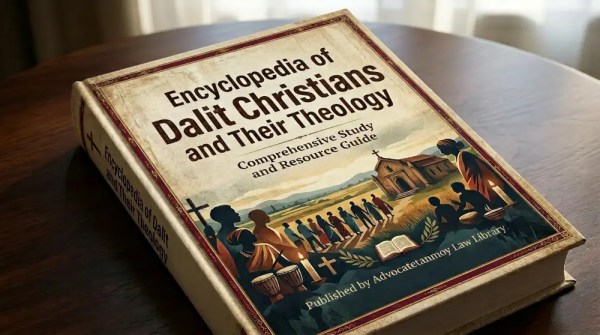
- Dalit/ Tribal/ Adivasi Theology (BTT13/ BTT14/ BTT15)
- Feminist Theology (BTW14)
Optional Courses
xv. Contemporary Trends in Theology (BTT51)
xvi. Third World Liberation Theologies (BTT52)
xvii. Post-Enlightenment Theologies (BTT53)
xviii. Theology of Human Rights (BTT54)
xix. Human Sexuality (BTE51)
xx. Theology of Iconography & Architecture (BTT55)
xxi. Liturgical Theology (BTT56)
xxii. Detailed Study of Holy Trinity (BTT57)
xxiii. Bible and Ethics (BTE52)
xxiv. Theology of Spirituality and Contemplation (BTT58)
xxv. Christianity and Social Transformation (BTS51)
xxvi. Feminist Concerns (BTW59)
xxvii. Introduction to Historical Theology (BTT60)
xxviii. People and Church and Society in North East India (BTS61)
xxix. Ancient Christian Writers (BTT61)
3. Religion Cluster (RC)
Compulsory Courses
- Cultural History of India until the Mughal Period (BOS19)
- Introduction to Major Religious Traditions in India (BRS01)
- Introduction to Indian Philosophy (BRS02)
- A detailed study of any one religious tradition:
a. Primal Religious Traditions (BRS03)
b. Hindu Religious Tradition (BRS04)
c. Buddhist Religious Tradition (BRS05)
d. Jaina Religious Tradition (BRS06)
e. Muslim Religious Tradition (BRS07)
f. Sikh Religious Tradition (BRS08) - Modern Religious and Secular Movements in India (BRS09)
Optional Courses
xxxi. Religion, Communalism & National Identity (BRS51)
xxxii. A subject each on History of South Asia:
– Islamic History of South Asia (BRS52)
– Sikh History of South East Asia (BRS53)
– Neo-Buddhism of India and Ambedkarism (BRS54)
– Jaina Philosophy of Life (BRS55)
xxxiii. The Living Gurus and Matas of Indian Religious Traditions (BRS56)
xxxiv. Introduction to Western Philosophy (BRS57)
xxxv. The Religions of the Adivasis of the region (BRS58)
xxxvi. Goddess Traditions of India (BRS59)
xxxvii. A Classical Language of the Scriptures:
a. Sanskrit (BRS61)
b. Pali (BRS62)
c. Arabic (BRS63)
d. Syriac (BRS64)
xxxviii. Cultural Anthropology (for M.Th in Primal Religious Traditions) (BRS65)
xxxix. Hindu Pilgrimage (BRS60)
xl. The Religions of the Tribals of the Region (BRS66)
4. History-Mission (HM) Cluster
Compulsory Courses
- Pioneers of Christian Witnesses in India (BOS18)
- History of Christianity from the 1st to the 18th Century (BHC01)
- Development of Missiological Thinking and Praxis (BHM01)
- History of Christianity in India (BHC02)
- Contemporary Issues and Trends in Christian Mission and Evangelism (BHM02)
- Ecumenical Movements (BHC03)
- Role of Women in the History of Christianity (BHC04)
Optional Courses
xli. A Detailed Study of History of Christianity up to 1050 CE (BHC51)
xlii. A Detailed Study of History of Reformation and the Modern Missionary Movement (BHC52)
xliii. A Study of Local History of Christianity:
1. History of the St. Thomas Christians in India (BHC53)
2. History of Christianity in a State/Country (India, Sri Lanka, Bangladesh, Nepal, Myanmar) (BHC54)
3. Origin and Development of Christianity in North East India (BHC55)
4. History of Christianity among Dalits / Adivasis / Tribals / Subalterns (BHC56)
5. History of Pentecostal, Charismatic, Revival or New Generation Movements in India (BHC57)
5. Ministry Cluster (MC)
Compulsory Courses
- General Introduction to Christian Ministry (BOS20)
- Introduction to Church Traditions in India (BOS21)
- Worship and Preaching (BMM01)
- Introduction to Communication Studies for Christian Ministry (BMN01)
- Ministerial formation of a Christian Minister (BMM03)
- Media Education, Information and Communication Technologies in Christian Ministry (BMN02)
- Principles and Practices of Pastoral Care and Counselling (BMC01)
- Introduction to Christian Education (BME01)
- Marriage and Family Counselling (BMC02)
- Christian Education for Social Change (BME02)
- Church Organization and Pastoral Administration (BMM02)
Optional Courses
xliv. Homiletics (BMH51)
xlv. Crisis Counselling (BMC51)
xlvi. Liturgy and Music (BMM51)
xlvii. Readiness to Ministry (BMM52)
xlviii. Sacramental Theology (BMM53)
xlix. Media Ethics (BMC52)
l. Pastoral Psychology (BMC53)
li. Acting, Film & Drama (BMN51)
lii. Syriac Music and Hymnody (BMM54)
liii. Recent Trends in Homiletics (BMH52)
liv. Western Church Music (BMM55)
6. Integrated and Interdisciplinary Cluster
Compulsory Courses
- Science and Religion (BID01)
- Justice, Peace and overcoming violence: Biblical and Ethical Perspective (BID02)
- Towards inclusive communities (Select One):
- People Living with HIV and AIDS (BID03)
- Children at Risk (BID04)
- Disability Perspective (BID05)
- Christian Faith and witness in pluralistic societies (BID06)
- Eco-Justice Theologies (BID07)
(Note: Courses 50-53 have an alternative examination mode and no final examination.)
Optional Courses
lv. Immigrant Theology (BID51)
7. General Studies
- Study Methods (BGN01) (Non-Credit)
- English I (BOS11)
- English II (BOS12)
- Theological English (BGN02) (Non-Credit)
- Psychology (BOS14)
- Sociology (BOS13)
Note: All optional papers are college papers and credited. Students from any cluster may register for any number of optional courses.
BD Course Schema (Semester-wise Sequence)
All colleges must strictly follow this course sequence for examination registration.
BD Orientation Curriculum
| First Semester | Second Semester | ||||
|---|---|---|---|---|---|
| Paper Code | Course Title | Cr. | Paper Code | Course Title | Cr. |
| BOS11 | English I | 4 | BOS12 | English II | 4 |
| BOS13 | Sociology | 4 | BOS18 | Pioneers of Christian Witness in India | 4 |
| BOS14 | Psychology | 4 | BOS16 | Bible: Its Content and Message II (NT) | 4 |
| BOS15 | Bible: Its Content and Message I (OT) | 2 | BOS20 | General Introduction to Christian Ministry | 4 |
| BOS17 | Introduction to Christian Theology | 4 | BOS21 | Introduction to Church Traditions in India | 4 |
| BOS19 | Cultural Histories of India | 2 | BFW00 | Field Education | — |
BD First Year
| 1st Semester | 2nd Semester | ||||
|---|---|---|---|---|---|
| Paper Code | Course Title | Cr. | Paper Code | Course Title | Cr. |
| BBN01 | New Testament Greek – Preliminary | 4 | BBN02 | New Testament Greek – Advanced (Optional) | 2 |
| BBO13 | The Life and Faith of the People of God: OT | 4 | BBO11 | Biblical Hebrew – Preliminary | 4 |
| BTT01 | Discerning the Signs of the Times | 4 | BBN03 | The Life and Faith of the People of God: NT | 4 |
| BHC01 | History of Christianity from 1st to 18th Century | 4 | BTS01 | Understanding Indian Society | 4 |
| BRS01 | Intro. to Major Religious Traditions | 2 | BRS01 | Intro. to Major Religious Traditions | 2 |
| BGN01 | Study Methods (Non-Credit) | NC | BMM01 | Worship and Preaching | 4 |
| BGN02 | Theological English (Non-Credit) | NC | |||
| BMN01 | Intro. to Communication Studies | 4 | |||
| BMM03 | Ministerial Formation | 2 | |||
| BFW01 | Field Education | 4 |
BD Second Year
| 1st Semester | 2nd Semester | ||||
|---|---|---|---|---|---|
| Paper Code | Course Title | Cr. | Paper Code | Course Title | Cr. |
| BBO12 | Biblical Hebrew – Advanced (Optional) | 2 | BBO14/ BBO15 | Liberation & Formation… Pentateuch (ENG/HEB) | 4 |
| BBG01 | Biblical Hermeneutics | 2 | BBN04/ BBN05 | Jesus Movement in Synoptic Gospels (ENG/GREEK) | 4 |
| BTE01 | Intro. to Christian Social Ethics | 4 | BTT02 | Intro. to Christian Doctrines | 4 |
| BRS02 | Intro. to Indian Philosophy | 4 | BHC02 | History of Christianity in India | 4 |
| BMN02 | Media Education, ICT in Ministry | 4 | BMC01 | Principles & Practices of Pastoral Care & Counselling (contd.) | 2 |
| BMC01 | Principles & Practices… (from 1st sem.) | 2 | BID02 | Justice, Peace and Overcoming Violence | 2 |
| BID03/04/05 | Towards Inclusive Communities (Any One) | 2 | BHM01 | Development of Missiological Thinking & Praxis | 4 |
| BFW02 | Field Education | 4 |
BD Third Year
| 1st Semester | 2nd Semester | ||||
|---|---|---|---|---|---|
| Paper Code | Course Title | Cr. | Paper Code | Course Title | Cr. |
| BBN06/ BBN07 | Jesus Tradition in Johannine Writings (ENG/GREEK) | 4 | BBO16/ BBO17 | Prophetic Responses… (ENG/HEB) | 4 |
| BTT03/05/06/07/08/09/10 | Resources for constructing Theologies (Any One) | 2 | BTT11 | Person and Work of Jesus, the Christ | 4 |
| BRS04/05/06/08/07/03 | Detailed Study of Any One Religious Tradition | 4 | BTT12 | Intro. to Christian Theologies in India | 4 |
| BMC02 | Marriage and Family Counselling | 2 | BHM02 | Contemporary Issues & Trends in Mission & Evangelism | 4 |
| BID07 | Eco-Justice Theologies | 2 | BME01 | Intro. to Christian Education | 4 |
| BID01 | Science and Religion | 2 | BID06 | Christian Faith and Witness in Pluralistic Societies | 2 |
| BID01 | Science and Religion (contd.) | 2 | |||
| BFW03 | Field Education – 3rd Yr. | 4 |
BD Fourth Year
| 1st Semester | 2nd Semester | ||||
|---|---|---|---|---|---|
| Paper Code | Course Title | Cr. | Paper Code | Course Title | Cr. |
| BBO18/ BBO19 | Hope in Suffering… Hebrew Poetry & Wisdom (ENG/HEB) | 4 | BBN08/ BBN09 | Jesus Tradition in Paul & Pauline Circle (ENG/GREEK) | 4 |
| BTT13/14/15 | Dalit/Tribal/Adivasi Theology (Any One) | 2 | BTW14 | Feminist Theology | 4 |
| BHC04 | Role of Women in the History of Christianity | 2 | BHC03 | Ecumenical Movements | 2 |
| BME02 | Christian Education for Social Change | 2 | BRS09 | Modern Religious and Secular Movements in India | 4 |
| BMM02 | Church Organization and Pastoral Administration | 4 | T00 | Thesis | 4 |
| T00 | Thesis | 4 |
Important Academic Regulations
- Qualifying Examinations: Bachelor of Theology, Bachelor of Missiology, and ATA BTH candidates must complete papers BBN01, BBO11, and BGN01 based on college convenience.
- No Final Examination Papers: Papers in bold and italic (9 subjects) have no final examination. They are compulsory, college-examined credit papers. Colleges must send marks for these, as students cannot qualify without completing them.
- Non-Credit Papers: BGN01 and BGN02 are compulsory, college-examined non-credit papers. Students cannot qualify without completing them. Their marks do not contribute to the final grade.
- Field Work: Completion of Field Work is mandatory for qualification.
- Senate Paper Evaluation: Senate papers (especially BBN01, BBO11, and all Provisional College papers) are examined in October by an internal and external examiner. Marks must be sent in a specific format (e.g., BBN01-1 Ex.40, 2 Ex. 40, Ex. 40, IA. 20, TOT 60).
- Optional Paper BRS65 (Cultural Anthropology):
- As a College Examined Paper: 4 credits, no exemption for M.Th in Primal Religious Traditions.
- As a Senate Examined Paper: Exemption for M.Th in Primal Religious Traditions. Can be taken in lieu of the Thesis.
- Prerequisites:
- BBN02 (Greek Advanced) cannot be taken without passing BBN01 (Greek Preliminary).
- BBO12 (Hebrew Advanced) cannot be taken without passing BBO11 (Hebrew Preliminary).
- Marking Rules:
- Report marks in whole numbers, not decimals or letter grades.
- Marks should not be in multiples of five, but the total should be in a multiple of five.
- Minimum pass: Internal Assessment (IA) = 16/40; Examination (EX) = 24/60.
- For Re-sit/Referred papers, the examination is out of 100% with no IA.
- Transfer Students: Students transferring between colleges retain their original registration number/student ID.
Bachelor of Divinity (BD) Conceptual Network – Sarvarthapedia
Core Integrative Concept: Scripture, Theology, and Ministry
This central node connects all clusters, emphasizing the unity of biblical revelation, theological reflection, and practical ministry. Every subject contributes toward understanding God’s revelation and applying it in life, church, and society.
Biblical Languages Cluster
Greek (Biblical)
Focuses on morphology, grammar, and vocabulary of the New Testament.
Hebrew
Focuses on script, vocabulary, and grammar of the Old Testament.
See also
- New Testament Exegesis
- Old Testament Studies
- Biblical Hermeneutics
- Translation Studies
- Theology of Scripture
Biblical Studies Cluster
Old Testament
Explores Scripture as theology, history, and literature, focusing on Genesis and Exodus and broader canonical understanding.
New Testament
Focuses on exegesis of texts such as the Gospel of Mark, Ephesians, and Acts, including historical and theological interpretation.
See also
- Biblical Languages
- Biblical Theology
- Hermeneutics
- Ancient Near Eastern Context
- Early Christian History
Biblical Theology Cluster
Biblical Theology
Studies the unfolding revelation of God in history, culminating in Jesus Christ.
See also
- Old Testament Theology
- New Testament Theology
- Christology
- Salvation History
- Preaching and Proclamation
Theology Cluster
Christian Doctrine
Systematic understanding of core beliefs of the Christian faith.
Contextual Theology
Includes Indian, Dalit, Tribal, Feminist, and Liberation perspectives.
See also
- Biblical Theology
- Ethics
- Philosophy
- Social Theology
- Christology
Religion and Philosophy Cluster
Indian Religious Traditions
Study of Hindu, Buddhist, Jain, Sikh, Muslim, and Primal traditions.
Philosophy
Engagement with Indian and Western philosophical systems.
See also
- Comparative Religion
- Cultural Studies
- Ethics
- Theology of Religions
- Interfaith Dialogue
History and Mission Cluster
Church History
Covers the development of Christianity globally and in India.
Mission Studies
Explores evangelism, missiology, and contemporary mission trends.
See also
- Theology
- Cultural Context
- Evangelism
- Social Transformation
- Global Christianity
Ministry Cluster
Ministry and Mission
Applies theology and Scripture in evangelism and proclamation.
Pastoral Care
Focuses on counselling, self-awareness, and care practices.
Worship and Preaching
Develops skills in liturgy, homiletics, and communication.
See also
- Biblical Studies
- Theology
- Communication Studies
- Psychology
- Church Leadership
Worship, Music, and Liturgy Cluster
Church, Music, and Worship
Integrates theology of worship, music, and liturgical practice.
See also
- Ecclesiology
- Aesthetics in Worship
- Cultural Expression
- Spiritual Formation
- Congregational Leadership
Integrated and Interdisciplinary Cluster
Science and Religion
Dialogue between faith and scientific understanding.
Justice and Peace
Focus on ethics, violence, and social transformation.
Inclusive Communities
Addresses HIV/AIDS, disability, and vulnerable groups.
See also
- Ethics
- Sociology
- Public Theology
- Human Rights
- Ecology and Theology
General Studies Cluster
Language and Communication
English and theological communication skills.
Social Sciences
Psychology and Sociology for understanding human behavior and society.
Study Methods
Academic skills for theological education.
See also
- Communication Studies
- Pastoral Care
- Cultural Context
- Research Methodology
Cross-Cluster Linkages
Scripture and Language
Biblical Languages connect directly with Biblical Studies and Hermeneutics.
Theology and Context
Theology interacts with Religion, Philosophy, and Social Ethics.
History and Practice
Church History informs Mission and Ministry practices.
Worship and Community
Worship integrates Theology, Music, and Pastoral Leadership.
Society and Mission
Interdisciplinary studies connect theology with real-world issues like justice, peace, and inclusion.
Central Knowledge Web Connections
God’s Revelation
Linked to Biblical Theology, Old Testament, New Testament, and Doctrine.
Interpretation
Linked to Hermeneutics, Languages, and Exegesis.
Community and Church
Linked to Ministry, Worship, Church History, and Ecclesiology.
Mission and Society
Linked to Mission Studies, Ethics, Religion, and Interdisciplinary Studies.
This network forms a web of interconnected theological knowledge, where each subject both stands independently and contributes to a larger integrated understanding of Scripture, faith, and ministry.