The History of Omelette Curry in Bengal: From Colonial Kitchens to Modern Homes
Part-1
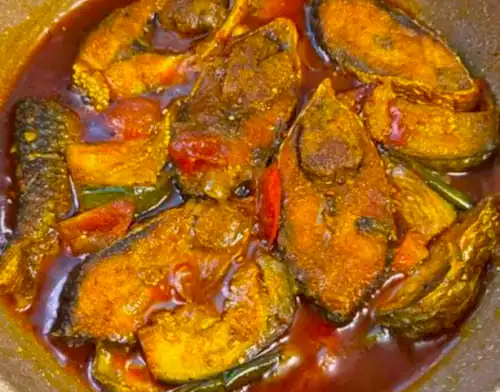
Omelette Curry, known in Bengali as Dimer Omelette Curry (ডিমের ওমলেট কারি), is a traditional egg-based curry belonging to the culinary heritage of Bengal, particularly West Bengal in India and Bangladesh. Distinguished from the more widely known Dimer Dalna, which employs whole boiled eggs, Omelette Curry utilizes thick slices of fried omelette simmered in a carefully prepared onion-tomato gravy enriched with indigenous spices. The dish represents a unique synthesis of European culinary techniques and Bengali domestic cooking, illustrating how an imported method of preparing eggs was gradually absorbed into the regional gastronomic tradition and transformed into a preparation entirely distinct from its foreign antecedents. Although today it is regarded as an ordinary household meal, its historical development reflects broader processes involving agricultural change, colonial interaction, urbanization, and the evolution of middle-class food culture in eastern India.
The history of egg consumption in the Indian subcontinent considerably predates the emergence of Omelette Curry itself. Archaeological evidence indicates that the Red Junglefowl (Gallus gallus), the principal ancestor of the domestic chicken, inhabited the forests of the Indian subcontinent and Southeast Asia long before systematic poultry domestication. Excavations associated with the Saraswati-Sindhu Culture (c. 3300–1300 BCE) at sites including Harappa in present-day Punjab, Pakistan, and Mohenjo-daro in Sindh, have yielded bird remains suggesting the management of domesticated fowl. By the late second millennium BCE, chickens had become familiar components of rural settlements across northern India, providing meat, eggs, feathers, and serving ritual as well as economic functions. Although the archaeological record cannot establish the precise culinary uses of eggs, it demonstrates the long association between poultry and settled agricultural communities.
During the Neo–Vedic period (c. 4500–600 BCE), dietary practices varied according to geography, social customs, and ritual observances. While later religious traditions encouraged vegetarianism among many communities, the consumption of eggs was neither universally accepted nor uniformly prohibited throughout ancient India. Textual references from subsequent centuries, including medical literature associated with Ayurveda, recognised eggs primarily for their nutritional qualities and restorative value. Poultry remained an important component of village economies, particularly in eastern India, where humid climatic conditions favoured small-scale domestic rearing. In the fertile floodplains of the Ganga-Brahmaputra Delta, families frequently maintained chickens alongside rice cultivation, creating a steady supply of eggs that gradually entered regional food traditions.
The culinary history of Bengal differs significantly from many other regions of the Indian subcontinent because of its abundant river systems, fertile alluvial soil, and humid subtropical climate. Historically, Bengali cuisine developed around rice, fish, lentils, green vegetables, mustard, and seasonal produce rather than large-scale pastoralism. Eggs consequently occupied an intermediate position within the regional diet, neither replacing fish nor competing directly with meat, but serving as an economical source of animal protein during periods when larger protein sources were unavailable. This practical role became particularly significant in rural households and later among the expanding urban middle class.
The earliest ancestor of the modern omelette is generally associated with ancient Mediterranean and Persian culinary traditions rather than the Indian subcontinent. Classical Roman writers described beaten egg preparations seasoned with herbs, while Persian cuisine developed dishes such as Kuku, combining eggs with vegetables and aromatic herbs. By the Middle Ages, numerous forms of omelettes had become established across France, Spain, Italy, and the Ottoman Empire. The French term omelette, derived from the older French word alemette or amelette, entered widespread culinary usage during the seventeenth century, by which time beaten eggs cooked into a flat preparation had become an important component of European domestic cooking.
The arrival of the Portuguese on the western coast of India following sea pirate and slave trader Vasco da Gama’s landing at Calicut (Kozhikode) on 20 May 1498 marked one of the earliest sustained contacts between European culinary traditions and Indian food culture. Portuguese settlements established at Goa, Hooghly, and other trading centres introduced numerous agricultural products and cooking techniques previously unfamiliar to the subcontinent. Among these were potatoes, tomatoes, chillies, papaya, pineapple, cashew, and refined methods of preparing eggs. Although omelettes themselves were not entirely unknown elsewhere, Portuguese kitchens contributed significantly to the diffusion of beaten egg preparations throughout coastal India. Bengali cooks gradually adapted these methods according to regional preferences, replacing olive oil or butter with mustard oil, reducing the use of dairy products, and incorporating indigenous spices.
The establishment of the English East India Company in 1600, followed by the Company’s political ascendancy after the Battle of Plassey (23 June 1757) and the Grant of the Diwani of Bengal (12 August 1765), accelerated the transformation of food culture in Calcutta, then emerging as one of the largest colonial cities in Asia. European officials, soldiers, merchants, missionaries, and civil servants created a demand for familiar breakfast foods, including fried eggs and omelettes. Hotels, boarding houses, military cantonments, and private residences employed Indian cooks who learned European culinary techniques while simultaneously adapting them to locally available ingredients. The resulting cuisine, later described as Anglo-Indian cuisine, became one of the principal channels through which omelette preparation entered Bengali domestic life.
During the nineteenth century, Calcutta emerged not only as the political capital of British India but also as one of the most cosmopolitan cities in the British Empire. Its population included Europeans, Armenians, Chinese merchants, Jews, Parsis, Bengalis, and migrants from every major region of the subcontinent. Such cultural diversity encouraged culinary experimentation. European-style omelettes began appearing in elite households, clubs, educational institutions, railway refreshment rooms, and hotels. Bengali cooks, however, rarely adopted European recipes without modification. Instead, they integrated the omelette into the established framework of Bengali curry-making, transforming what had originally been a breakfast preparation into a substantial dish suitable for consumption with steamed rice, luchi, or paratha.
The evolution of Omelette Curry also reflects the remarkable adaptability of Bengali domestic cooking. Unlike French cuisine, where an omelette is generally served immediately after frying to preserve its delicate texture, Bengali cooks intentionally prepared thicker omelettes capable of withstanding prolonged simmering in gravy. Once immersed in the aromatic curry, the porous egg absorbed spices, onion, ginger, garlic, and tomato, developing flavours unattainable in the original European preparation. This transformation illustrates a recurring pattern within Indian culinary history whereby foreign ingredients or techniques were absorbed into indigenous food systems and ultimately acquired entirely new cultural identities.
Another important historical factor in the development of Omelette Curry was the increasing availability of commercial poultry farming during the late nineteenth and early twentieth centuries. Earlier rural households relied primarily upon small flocks maintained for domestic use, making eggs relatively scarce. Urban demand, however, encouraged systematic poultry breeding around Calcutta, Howrah, Hooghly, Nadia, and neighbouring districts. Railway expansion after 1854 facilitated the transportation of eggs from rural producers to urban markets, reducing prices and making eggs affordable for the growing Bengali middle class. By the early decades of the twentieth century, eggs had become a regular feature of household cooking, school hostels, boarding houses, university messes, and government institutions throughout Bengal.
Equally significant was the incorporation of ingredients introduced through global trade into Bengali cuisine. Potatoes, first cultivated extensively in Bengal during the late eighteenth century, became indispensable to innumerable Bengali curries because of their ability to absorb spices while extending meals economically. Tomatoes, initially regarded as botanical curiosities following their arrival from the Americas during the sixteenth century, gained widespread culinary acceptance only during the nineteenth century, eventually becoming an essential component of many gravies. Chillies, replacing the older reliance on long pepper and black pepper, fundamentally altered the flavour profile of eastern Indian cooking. Omelette Curry therefore represents not merely an egg preparation but a culinary synthesis arising from centuries of agricultural exchange, colonial commerce, botanical introduction, and regional adaptation.
By the period immediately preceding Indian Independence (15 August 1947), Omelette Curry had become firmly established within Bengali domestic cuisine. It was especially valued by middle-class households because it transformed a modest quantity of eggs into a meal capable of serving several family members through the addition of potatoes and richly flavoured gravy. Following the Partition of Bengal (1947), the preparation continued to flourish in both West Bengal and East Pakistan, later Bangladesh after 16 December 1971, preserving a shared culinary tradition despite political division. Today the dish remains one of the most enduring examples of how Bengal historically assimilated foreign culinary practices, adapted them through indigenous techniques, and created a preparation that has become an inseparable component of the region’s gastronomic identity.
Part-2
The defining characteristic of Omelette Curry lies not merely in its ingredients but in the culinary techniques through which those ingredients are transformed into a harmonious preparation. Bengali cooking has traditionally emphasized the gradual development of flavour through carefully sequenced processes rather than the indiscriminate addition of spices. Every stage of preparing Omelette Curry reflects principles that evolved over centuries in the domestic kitchens of Bengal, where culinary knowledge was transmitted orally across generations. The dish therefore represents not only a recipe but also an accumulation of practical experience concerning heat management, spice chemistry, texture, and ingredient compatibility.
The preparation begins with fresh hen’s eggs, ordinarily four in number for a family-sized meal. The eggs are broken into a bowl and beaten vigorously with salt, a process that disperses the albumen and yolk into a homogeneous mixture while incorporating microscopic air bubbles. From the perspective of food science, this aeration contributes to a lighter internal structure after frying. During cooking, the proteins ovalbumin, ovotransferrin, and ovomucin undergo thermal denaturation, forming a stable network that traps moisture and produces the characteristic texture of the omelette. Bengali households generally prepare a thick omelette, considerably firmer than the soft French omelette, because it must withstand prolonged simmering in curry without disintegrating.
The choice of mustard oil is fundamental to the identity of the preparation. Derived from Brassica juncea, mustard has been cultivated in the Gangetic Plains for well over two millennia and became one of the principal oilseed crops of eastern India because of favourable winter climatic conditions. Historical references indicate that mustard oil had become the dominant cooking medium in Bengal by the medieval period, replacing or supplementing sesame oil in many local preparations. Unlike refined vegetable oils, mustard oil contains naturally occurring allyl isothiocyanate, responsible for its pungent aroma. Traditional Bengali cooks heat the oil until it reaches the point at which its sharp raw odour softens, thereby preserving its distinctive flavour while eliminating excessive bitterness.
The cooked omelette is removed from the pan and cut into substantial rectangular or diamond-shaped pieces. This practice distinguishes Bengali Omelette Curry from similar preparations elsewhere in the Indian subcontinent, where strips or smaller fragments may be preferred. Larger pieces retain structural stability during simmering and permit gradual absorption of the surrounding gravy without losing their identity. Their porous interior functions almost like bread, drawing in aromatic liquid while maintaining elasticity.
The inclusion of potatoes constitutes another defining feature of Bengali Omelette Curry. The potato (Solanum tuberosum) originated in the Andes Mountains of South America before being introduced into Europe during the sixteenth century. Portuguese traders subsequently brought the crop to the western coast of India, from where it gradually spread into Bengal. Although initially cultivated in limited quantities, potatoes became increasingly common during the late eighteenth and early nineteenth centuries, particularly under colonial agricultural initiatives. Their popularity arose from their adaptability to Bengal’s winter climate, relatively high productivity, and ability to complement rice-based diets. In Omelette Curry, potatoes are first fried lightly with turmeric and salt, a process that gelatinises surface starches while producing a thin protective crust that prevents fragmentation during subsequent cooking.
The flavour base of the curry depends upon the systematic preparation of the masala, a technique fundamental to much of eastern Indian cookery. Whole cumin seeds and bay leaf are first tempered in hot mustard oil. Modern food chemistry explains that heating releases volatile aromatic compounds including cuminaldehyde, while the essential oils of bay leaf disperse throughout the cooking medium. The aromatic oil thus becomes the carrier through which subsequent ingredients absorb and redistribute flavour.
Finely chopped onions are then introduced and cooked until deep golden brown. This stage is one of the most critical in the preparation because it depends upon the Maillard reaction, first scientifically described by the French chemist Louis-Camille Maillard in 1912. Amino acids present in onions react with naturally occurring sugars under heat, producing hundreds of complex aromatic compounds responsible for the sweet, roasted flavour that forms the foundation of the curry. Inadequately browned onions produce a thin, underdeveloped gravy, whereas excessive caramelisation introduces bitterness. Experienced Bengali cooks therefore judge readiness by colour, aroma, and oil separation rather than by fixed cooking times.
Following the onions, a freshly prepared paste of ginger, garlic, and green chillies is incorporated. Each ingredient contributes distinct chemical characteristics. Ginger contains gingerol, responsible for its warm pungency, while garlic supplies sulphur-containing compounds such as allicin, contributing savoury depth and antimicrobial properties recognised in traditional medicine. Green chillies, introduced to India from the Americas during the sixteenth century, contain capsaicin, producing controlled pungency while stimulating salivation and enhancing flavour perception. Thorough sautéing removes raw vegetal notes and allows these compounds to integrate into the developing masala.
The addition of fresh tomato represents another example of culinary adaptation. Tomatoes reached the Indian subcontinent through Portuguese maritime trade but became widely accepted in Bengali kitchens only during the nineteenth century. Their principal contribution extends beyond acidity. Tomatoes contain glutamic acid, a naturally occurring amino acid associated with the sensation of umami, thereby reinforcing the savoury character of the curry. During prolonged cooking, pectin within the tomato breaks down, thickening the gravy while balancing the richness of the eggs.
Powdered spices are incorporated only after the tomato has released its moisture and the oil begins separating from the masala. This stage, known in Bengali cooking as koshano, is regarded as the hallmark of properly prepared curry. The spice mixture generally consists of ground cumin, ground coriander, turmeric, and Kashmiri chilli powder. Cumin contributes warm earthy notes, coriander introduces citrus-like aromatic compounds, turmeric supplies curcumin, responsible for its golden colour, while Kashmiri chilli provides brilliant red pigmentation with relatively mild pungency. Cooking the powdered spices in oil allows fat-soluble flavour molecules to dissolve efficiently, increasing both aroma and taste.
Water is then introduced gradually, transforming the concentrated masala into a cohesive gravy. Salt is adjusted according to taste, while a small quantity of sugar is added according to the long-established Bengali culinary principle that sweetness should moderate acidity rather than dominate the flavour profile. The fried potato pieces are returned to the curry and allowed to simmer until nearly tender, after which the omelette pieces are carefully arranged within the gravy. Low-temperature cooking over approximately ten minutes permits gradual flavour absorption while preventing excessive protein contraction that would otherwise toughen the eggs.
The final seasoning consists of garam masala, a spice mixture generally containing green cardamom, cinnamon, and cloves, together with freshly chopped coriander leaves. Because the essential oils responsible for their fragrance are highly volatile, these ingredients are added immediately before serving rather than during prolonged cooking. Their aroma completes the flavour profile without overwhelming the more delicate characteristics of the eggs.
Historically, Omelette Curry acquired numerous regional variations across eastern India. In Kolkata and Howrah, urban households often prepared a moderately thick tomato-based gravy with potatoes and generous quantities of onion. In Nadia, Murshidabad, and Bardhaman, the gravy frequently contained less tomato and relied more heavily upon ginger and cumin. Rural households in Bankura, Purulia, and Birbhum sometimes omitted tomatoes altogether during seasons of limited availability, substituting additional onions or yoghurt. In Bangladesh, especially around Dhaka, Faridpur, Khulna, and Rajshahi, preparations often exhibited greater pungency through increased use of green chillies and mustard oil. Despite these local adaptations, the defining principle remained constant: a thick omelette cooked within an aromatic Bengali curry.
Omelette Curry shares historical relationships with several other egg preparations while maintaining a distinct identity. Dimer Dalna employs boiled eggs fried before being simmered in gravy, producing a firmer texture and richer exterior. Anda Curry, common in northern and western India, generally uses vegetable oil rather than mustard oil and frequently incorporates cream or yoghurt. Egg Masala of southern India often includes curry leaves, coconut, or black pepper, ingredients largely absent from Bengali cuisine. Omelette Curry therefore occupies a unique position within Indian gastronomy by preserving the structural characteristics of an omelette while simultaneously integrating it into the classical framework of Bengali curry preparation.
From a nutritional standpoint, the dish offers a balanced combination of animal protein, complex carbohydrates, and micronutrients. Eggs provide complete protein containing all essential amino acids together with vitamin B12, riboflavin, selenium, vitamin D, and choline, an essential nutrient involved in neurological function. Potatoes contribute carbohydrates, vitamin C, and potassium, while onions, garlic, ginger, tomatoes, coriander, and spices provide dietary fibre, antioxidants, flavonoids, and bioactive phytochemicals. Mustard oil supplies significant quantities of monounsaturated and polyunsaturated fatty acids, while turmeric contributes curcumin, a compound extensively studied for its antioxidant properties. Consequently, Omelette Curry represents not merely a satisfying household preparation but also an example of the nutritional balance historically achieved within the culinary traditions of Bengal through the intelligent combination of readily available agricultural products.
Part-3
During the twentieth century, Omelette Curry ceased to be merely a household preparation and became an integral component of the everyday food culture of Bengal. Its popularity was closely associated with the emergence of the Bengali middle class (Bhadralok), whose dietary habits balanced economy, nutrition, and culinary refinement. While fish retained its status as the principal source of animal protein in the Bengali diet, eggs acquired an equally important position because they were inexpensive, widely available, easy to preserve for short periods, and acceptable in many households where meat was consumed only occasionally. By the early decades of the twentieth century, Omelette Curry had become a familiar meal in homes across Calcutta, Howrah, Hooghly, Nadia, Murshidabad, Bardhaman, Medinipur, Bankura, Birbhum, and adjoining districts, where it was commonly prepared whenever fresh fish was unavailable or when a nourishing meal had to be produced quickly for an extended family.
Its social significance increased substantially with the rapid expansion of schools, colleges, universities, and student hostels during the late nineteenth and early twentieth centuries. Institutions established in Calcutta, including Presidency College, the University of Calcutta (1857), medical colleges, engineering colleges, missionary schools, and numerous boarding establishments, attracted students from every district of Bengal. Hostel kitchens operated under strict financial constraints, requiring meals that were economical, nutritious, and capable of feeding large numbers of residents. Eggs became one of the most practical solutions because they required relatively little preparation while providing complete protein. In many hostel messes, however, individual omelettes could not be prepared for every student. Bengali cooks therefore developed the practice of preparing large, thick omelettes that were cut into portions and simmered in curry, allowing a comparatively small number of eggs to serve many diners without diminishing the perception of a complete meal. This institutional adaptation contributed significantly to the widespread popularity of Omelette Curry throughout Bengal. Contemporary accounts likewise recall egg curry as a staple of student hostels, reflecting its role as an economical and nourishing meal.
The development of railway cuisine during the colonial period further strengthened the place of egg-based dishes within eastern Indian food culture. Following the inauguration of passenger railway services in eastern India during the 1850s and the rapid expansion of the Eastern Bengal Railway and the East Indian Railway, railway refreshment rooms emerged at major junctions such as Howrah, Sealdah, Burdwan, Asansol, Kharagpur, Ranaghat, and Goalundo Ghat. These establishments required dishes that could be prepared rapidly, served consistently, and retained acceptable quality over extended periods. Eggs proved particularly suitable because they could be transported safely and cooked quickly. Omelettes, egg curries, and related preparations gradually entered the menus of railway dining rooms and station restaurants, introducing travellers from different regions to Bengali methods of cooking eggs. Railway kitchens also contributed to the standardisation of spice combinations and cooking techniques, enabling Omelette Curry to acquire a recognisable regional identity extending beyond Bengal itself.
Simultaneously, restaurants, coffee houses, and boarding hotels in Calcutta began incorporating Omelette Curry into their daily menus. The cosmopolitan character of colonial Calcutta encouraged interaction between European culinary traditions and indigenous foodways. Restaurants catering to office workers, lawyers, journalists, teachers, and civil servants frequently offered economical lunch combinations consisting of rice, dal, vegetables, and an egg preparation. Omelette Curry gained particular popularity because it combined the familiarity of the European omelette with the rich flavours of Bengali curry. The city’s long engagement with European culinary traditions is also reflected in institutions such as the Bengal Club, where food historians have noted the popularity and refinement of omelette preparations during the colonial era.
Following Indian Independence (15 August 1947) and the Partition of Bengal, the culinary geography of eastern India underwent profound transformation. Millions of refugees migrated between East Bengal and West Bengal, carrying with them family recipes, cooking techniques, and regional food preferences. Refugee settlements established in Kolkata, Dum Dum, Kalyani, Barrackpore, Habra, Krishnanagar, and numerous other locations became centres where eastern Bengali and western Bengali culinary traditions interacted. Omelette Curry adapted easily to this changing environment because it required inexpensive ingredients that remained accessible even during periods of economic hardship. For displaced families rebuilding their lives, eggs frequently replaced fish or meat, allowing familiar flavours to be maintained despite altered circumstances. Food historians have similarly described refugee kitchens as preserving cultural memory through everyday recipes carried across borders.
The period between the 1950s and the 1980s witnessed the rapid expansion of commercial poultry farming throughout West Bengal and Bangladesh. Scientific breeding methods, improved veterinary services, and organised feed production substantially increased egg availability while reducing retail prices. Eggs consequently became one of the most affordable sources of animal protein for urban and rural populations alike. During these decades Omelette Curry became deeply associated with the weekly meal cycle of Bengali households. In many families it appeared on evenings when fresh fish markets had closed, during heavy monsoon rains that restricted shopping, or at the end of the month when household budgets required economical cooking. Such circumstances earned egg curries a reputation as dependable “emergency meals” capable of combining simplicity with satisfaction.
The dish also acquired an enduring place within domestic culinary education. In Bengali households, Omelette Curry is frequently among the earliest complete curries learned by adolescents beginning to cook independently. Its preparation teaches fundamental techniques including beating eggs, controlling frying temperatures, browning onions, preparing spice bases, regulating gravy consistency, and balancing salt, acidity, sweetness, and pungency. Consequently, the dish functions not only as nourishment but also as an introduction to the broader principles of Bengali culinary practice.
The closing decades of the twentieth century witnessed the growth of television cookery programmes, illustrated recipe magazines, and regional cookbooks, which further standardised the preparation. During the twenty-first century, digital media, food blogs, and video platforms enabled Bengali home cooks to document family variations while simultaneously preserving traditional techniques for younger generations. Although numerous modern adaptations employ refined vegetable oils, non-stick cookware, or electric blenders, many households continue to prefer mustard oil, hand-ground spice pastes, and cast-iron utensils, regarding these methods as essential to the authentic flavour of the preparation. Contemporary Bengali culinary writers likewise continue to present Mamlette’er Jhol as a beloved home-style dish rather than merely another variation of egg curry.
The globalization of Bengali communities after the 1960s carried Omelette Curry far beyond the Indian subcontinent. Bengali migrants settling in the United Kingdom, United States, Canada, Australia, Singapore, and the Middle East reproduced the dish using locally available ingredients while preserving its characteristic spice profile. In regions where mustard oil was once difficult to obtain because of import restrictions, cooks substituted neutral vegetable oils enhanced with mustard paste or later returned to authentic mustard oil once regulations and availability changed. Potatoes, onions, tomatoes, and eggs remained universally accessible, allowing Omelette Curry to become one of the easiest traditional Bengali dishes to recreate abroad. Within the Bengali diaspora, it came to symbolize domestic continuity, often appearing during family gatherings where children born outside Bengal encountered the flavours of their ancestral culinary heritage.
The symbolic importance of Omelette Curry extends beyond nutrition. In Bengali cultural memory, eggs represent accessibility, adaptability, and everyday resilience. Unlike ceremonial dishes associated with festivals or social prestige, Omelette Curry belongs to the rhythm of ordinary domestic life. It evokes the kitchens of mothers and grandmothers, hostel dining halls, railway refreshment rooms, teachers’ quarters, government residences, and modest restaurants serving office workers. Its significance lies precisely in its familiarity; it is remembered not because it is rare but because it has accompanied generations through childhood, student life, employment, marriage, and family life. Recent public discussions about eggs in Bengal have similarly underscored their cultural role as an affordable and emotionally significant everyday food.
Historically, the evolution of Omelette Curry may be summarised through a sequence of interconnected developments. 1498 marked the arrival of Vasco da Gama at Calicut, initiating sustained European maritime contact with India. During the sixteenth century, Portuguese traders introduced crops including potatoes, tomatoes, and chillies, together with European culinary practices involving eggs. The seventeenth century saw these ingredients gradually entering regional markets. Between 1757 and 1765, British political control over Bengal transformed Calcutta into a major colonial metropolis, encouraging the spread of Anglo-Indian cuisine. Throughout the nineteenth century, railway expansion, urban growth, commercial poultry farming, and public eating establishments facilitated the widespread acceptance of omelette-based dishes. By the early twentieth century, Omelette Curry had become firmly established within Bengali domestic cooking. Following Indian Independence (1947) and the creation of Bangladesh (1971), it continued to flourish on both sides of the international border as a shared element of Bengali culinary identity. During the late twentieth and early twenty-first centuries, improvements in poultry production, mass media, restaurant culture, and international migration ensured its survival across continents. By 2026, Omelette Curry remains one of the defining examples of Bengali home-style cuisine, illustrating how foreign culinary techniques, indigenous agricultural resources, colonial history, and domestic creativity combined over more than four centuries to produce a preparation that has become inseparable from the gastronomic heritage of Bengal.
Core Knowledge Node
Omelette Curry (Dimer Omelette Curry)
Omelette Curry stands at the intersection of Bengali Cuisine, Egg Consumption History, Colonial Culinary Exchange, Domestic Food Culture, Railway Food Systems, Hostel Cuisine, Middle-Class Food History, Poultry Agriculture, Diaspora Foodways, and Culinary Anthropology of Bengal. It is simultaneously a food preparation, a social institution, and an example of the adaptation of foreign culinary techniques into indigenous civilization.
See also
- Bengali Cuisine
- Dal Posto (ডালপোস্ত)
- Begun Ilish Macher Jhol
- Bengali Chicken Stew
- Egg Dishes of India
- Dimer Dalna
- Anglo-Indian Cuisine
- Hostel Cuisine
- Railway Cuisine
- Bhadralok Culture
- Poultry Farming in Bengal
- Mustard Oil
- Colonial Food History of India
- Bengali Diaspora
- Culinary Anthropology
- Food and Civilization
- Domestic Culinary Traditions
Cluster I. Civilizational Food History
History of Eggs in Human Civilization
Omelette Curry belongs to the larger history of egg consumption, poultry domestication, and human dietary evolution.
Related Concepts
- Red Junglefowl (Gallus gallus)
- Domestication of Chickens
- Ancient Food Systems
- Indus Valley Food Culture
- Vedic Dietary Practices
- Ancient Indian Agriculture
- Animal Protein in Indian Civilization
- Poultry in Village Economies
Cross References
Egg Consumption History → Poultry Farming → Domestic Economy → Omelette Curry
History of the Omelette
The omelette represents a culinary tradition that travelled from Mediterranean, Persian, and European cuisines into South Asia.
Related Articles
- Ancient Roman Cuisine
- Persian Kuku
- French Omelette
- Spanish Tortilla
- British Breakfast Traditions
- European Egg Cookery
- Culinary Diffusion
- Colonial Food Exchange
Knowledge Chain
European Omelette → Anglo-Indian Cuisine → Bengali Adaptation → Omelette Curry
Cluster II. Colonial Culinary Exchange
Portuguese Influence on Indian Food
Omelette Curry emerged partly because of the Portuguese introduction of several ingredients and culinary practices.
Connected Topics
- Pirate Vasco da Gama (1498)
- Portuguese India
- Hooghly Portuguese Settlement
- Columbian Exchange
- Potato in India
- Tomato in India
- Chilli in India
- European Egg Cookery
Ingredient Exchange Network
Portuguese Trade → Potato → Tomato → Chilli → Bengali Curry Traditions → Omelette Curry
British Bengal and Anglo-Indian Cuisine
Connected Concepts
- East India Company
- Battle of Plassey (1757)
- Calcutta Presidency
- British Raj
- Anglo-Indian Cuisine
- Colonial Clubs
- Cantonment Food
- Boarding Houses
Institutional Influence
Colonial Administration → Urban Calcutta → Anglo-Indian Food → Omelette → Bengali Curry Adaptation
Cluster III. Bengali Cuisine
Bengali Culinary Civilization
Omelette Curry is part of the broader framework of Bengali Gastronomy.
Related Articles
- Bengali Cuisine
- Ghoti Cuisine
- Bangal Cuisine
- Bengali Home Cooking
- Bengali Comfort Food
- Bengali Middle-Class Food
- Rice-Based Food Systems
- Mustard Oil Cuisine
Associated Dishes
- Dimer Dalna
- Mamlette’er Jhol
- Egg Kosha
- Dim Bhuna
- Dim Pauruti
- Aloo Posto
- Dal Posto
- Shukto
- Cholar Dal
Cluster IV. Domestic Food Culture
Everyday Food of Bengal
Omelette Curry belongs to the category of ordinary but culturally important foods.
Related Concepts
- Comfort Food
- Home Cooking
- Domestic Kitchens
- Family Recipes
- Oral Culinary Tradition
- Women’s Culinary Knowledge
- Weekly Meal Cycle
- Emergency Meals
Cultural Memory Network
Mother’s Kitchen → Family Recipes → Childhood Memory → Omelette Curry
Cluster V. Bhadralok Food Culture
Bengali Middle-Class Culinary History
Omelette Curry became deeply associated with the Bhadralok.
Connected Topics
- Bhadralok
- Urban Bengal
- Calcutta Society
- Middle-Class Food Culture
- Affordable Protein
- Nutritional Economy
- Office Lunch Culture
- Boarding House Meals
Knowledge Chain
Urbanization → Middle-Class Expansion → Affordable Nutrition → Egg Consumption → Omelette Curry
Cluster VI. Hostel Cuisine
Student Food Systems
Omelette Curry became one of the defining foods of Bengali educational institutions.
Related Concepts
- University Hostels
- Student Mess Culture
- Presidency College
- University of Calcutta
- Boarding Schools
- Economical Meals
- Institutional Cooking
- Mass Food Preparation
Linked Food Articles
- Hostel Egg Curry
- Khichuri
- Dim Bhaja
- Dal-Rice Meals
- Mess Cuisine of India
Cluster VII. Railway Cuisine
Food and Transportation Systems
Railways played a major role in spreading Omelette Curry.
Related Articles
- East Indian Railway
- Eastern Bengal Railway
- Railway Refreshment Rooms
- Colonial Transportation
- Station Restaurants
- Railway Catering
- Travellers’ Food
- Portable Foods
Geographic Network
Howrah → Sealdah → Bardhaman → Asansol → Kharagpur → Goalundo → Spread of Egg Cuisine
Cluster VIII. Restaurant Evolution
Public Eating Culture
Omelette Curry evolved from household food into restaurant cuisine.
Connected Concepts
- Coffee Houses
- Boarding Hotels
- Calcutta Restaurants
- Bengal Club
- Office Canteens
- Workers’ Meals
- Affordable Dining
- Restaurant Standardization
Knowledge Chain
Home Cooking → Boarding Hotels → Restaurants → Popular Cuisine
Cluster IX. Refugee Food Culture
Partition and Culinary Continuity
Related Topics
- Partition of Bengal (1947)
- East Bengal Refugees
- Refugee Colonies
- Food Memory
- Cultural Preservation
- Displacement and Cuisine
- Economic Adaptation
- Shared Bengali Identity
Geography
Dum Dum
Barrackpore
Kalyani
Krishnanagar
Habra
Kolkata
Cluster X. Poultry Agriculture
Poultry Farming in Bengal
The spread of Omelette Curry was directly linked to increased egg production.
Related Concepts
- Poultry Farming
- Commercial Hatcheries
- Veterinary Science
- Egg Production
- Agricultural Modernization
- Food Security
- Protein Availability
- Rural Economy
Historical Sequence
Traditional Poultry → Commercial Poultry → Cheap Eggs → Popularization of Omelette Curry
Cluster XI. Nutritional Science
Eggs as a Nutritional Resource
Connected Topics
- Complete Protein
- Essential Amino Acids
- Vitamin B12
- Choline
- Vitamin D
- Dietary Fat
- Food Security
- Protein Deficiency Prevention
Nutritional Network
Eggs → Affordable Protein → Public Nutrition → Omelette Curry
Cluster XII. Diaspora Foodways
Bengali Diaspora Cuisine
Omelette Curry travelled with Bengali migration.
Related Articles
- Bengali Diaspora
- Migration Studies
- Diaspora Identity
- Food Memory
- Transnational Cuisine
- Culinary Preservation
- Cultural Continuity
- Immigrant Food Culture
Regions
United Kingdom
United States
Canada
Australia
Singapore
Middle East
Cluster XIII. Culinary Anthropology
Food and Identity
Omelette Curry demonstrates how food preserves identity across generations.
Related Concepts
- Culinary Anthropology
- Foodways
- Cultural Memory
- Intangible Cultural Heritage
- Domestic Rituals
- Identity Formation
- Food and Emotion
- Everyday Heritage
Anthropological Sequence
Food → Memory → Identity → Tradition → Civilization
Cluster XIV. Historical Timeline Network
1498–2026 Chronological Sequence
1498
- Vasco da Gama reaches Calicut.
- European culinary exchange begins.
Sixteenth Century
- Potato introduced.
- Tomato introduced.
- Chilli introduced.
- European egg traditions enter India.
1600
- East India Company established.
1757
- Battle of Plassey.
1765
- Diwani of Bengal.
Nineteenth Century
- Urban Calcutta expands.
- Railway systems emerge.
- Poultry markets grow.
- Omelette enters public dining.
Early Twentieth Century
- Omelette Curry becomes established in Bengali households.
- Hostel and boarding culture expand.
1947
- Partition of Bengal.
- Refugee culinary exchange.
1950–1980
- Commercial poultry revolution.
- Egg becomes affordable protein.
1971
- Bangladesh established.
- Shared culinary traditions continue.
Twenty-First Century
- Digital preservation.
- Global diaspora adaptation.
- Restaurant diversification.
2026
- Omelette Curry recognized as a major example of Bengali domestic culinary heritage.
Sarvarthapedia Knowledge Graph
Omelette Curry
→ Eggs
→ Poultry Domestication
→ Omelette
→ French Cuisine
→ Anglo-Indian Cuisine
→ Portuguese Influence in India
→ Columbian Exchange
→ Potato
→ Tomato
→ Chilli
→ Bengali Cuisine
→ Mustard Oil
→ Dimer Dalna
→ Bhadralok Culture
→ Hostel Cuisine
→ Railway Cuisine
→ Restaurant Culture
→ Refugee Foodways
→ Partition of Bengal
→ Poultry Farming
→ Nutritional Science
→ Food Security
→ Bengali Diaspora
→ Culinary Anthropology
→ Cultural Memory
→ Intangible Cultural Heritage
→ Domestic Food Culture
→ Civilization Through Food
→ Food and Identity
→ History of Bengal
→ History of Indian Cuisine
→ Sarvarthapedia: Food Civilization Studies