The apex court finds prima facie evidence under UAPA, allows fresh bail plea after one year, while granting relief to five co-accused.
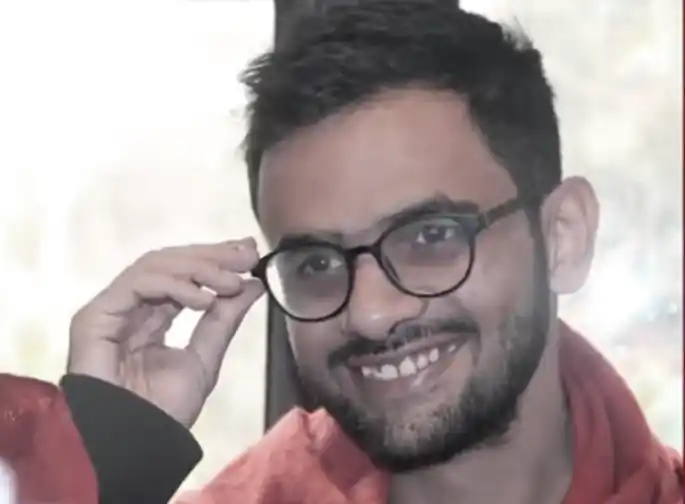
The Supreme Court of India on January 5, 2026, refused bail to activists Umar Khalid and Sharjeel Imam in the 2020 Delhi riots larger conspiracy case, emphasizing that the prosecution had placed sufficient material before the court to show a prima facie case of criminal conspiracy, and that the gravity of the allegations weighed against their release.
A bench led by Justice Aravind Kumar, with Justice N V Anjaria also presiding, delivered the judgment after hearing appeals against a 2025 order of the Delhi High Court that had denied bail to the two and others accused in the case under the Unlawful Activities (Prevention) Act (UAPA) and related provisions of the Indian Penal Code.
In its decision, the Supreme Court observed that Khalid and Imam stood on a “qualitatively different footing” from other co-accused in terms of the alleged role attributed to them in the prosecution’s case. The court noted that while bail is generally the rule, in offences under the UAPA where the allegations suggest involvement in serious criminal activities and there is compelling prima facie evidence, courts are justified in refusing bail.
While rejecting the bail petitions of Khalid and Imam, the Supreme Court granted bail to five other co-accused — Gulfisha Fatima, Meeran Haider, Shifa Ur Rehman, Mohammad Saleem Khan and Shadab Ahmed — finding that the evidence against them did not pose the same level of gravity in the context of the conspiracy allegations.
The bench clarified that Khalid and Imam may apply for bail again after a period of one year, underscoring that stringent bail norms under the UAPA are intended to balance individual liberty against national security and public order considerations. However, the court stressed that any future application must be assessed strictly on evidence and facts, not as a matter of right.
The case’s roots lie in the February 2020 northeast Delhi riots, which erupted amid protests against the Citizenship (Amendment Act) and National Register of Citizens. The violence resulted in significant loss of life and numerous injuries. Khalid and Imam were arrested in late 2020 in connection with an FIR alleging a broader conspiracy behind the unrest, with the Delhi Police contending that the riots were “orchestrated, pre-planned and well-designed” rather than spontaneous.
mint
Prosecutors argued before the Supreme Court that speeches, communications and other material suggested that Khalid and Imam were involved in planning and mobilising activities that later contributed to the violence. They contended that, particularly in cases involving anti-national activities or threats to public security, bail should be denied as the norm under the UAPA unless the defence can effectively disprove prima facie evidence.
Defence counsel, on the other hand, highlighted the prolonged incarceration of the activists — who have been in custody for nearly six years — and urged that the right to bail is a fundamental protection, especially where trial proceedings have faced delays. They also pointed to legal precedents affirming that extended pre-trial detention without determination of guilt must be weighed heavily in bail adjudications.
The Supreme Court’s ruling reinforces a judicial approach that distinguishes between peaceful protest — a constitutionally protected right — and alleged involvement in plots that could undermine national integrity. While the apex court did not adjudicate the merits of the allegations against Khalid and Imam at this stage, it held that sufficient material existed to justify continued detention without bail.
With the bail plea disposed of, both Khalid and Imam remain in judicial custody while the trial progresses. The decision comes against a backdrop of intense public debate and, at times, international attention on the case, including discussions about civil liberties, due process and fair trial standards amid the use of stringent anti-terror laws like the UAPA.
The outcome underscores the Supreme Court’s role in meticulously navigating the contours of individual rights, stringent statutory provisions and the overarching imperatives of public safety and national security in one of the most closely followed legal battles related to the 2020 Delhi riots.
5th January 2025
Read More
Judgebir Singh @ Jasbir Singh Samra & Ors. Vs. National Investigation Agency
NCT Delhi v. Raj Kumar: Default Bail Cancelled (2024 INSC 11)