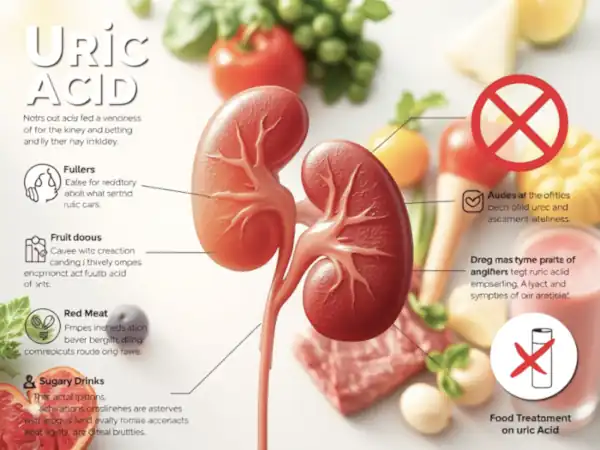
Best Lifestyle Changes to Control High Uric Acid Levels Effectively
Natural Ways to Reduce Uric Acid and Improve Kidney Function
The concept of uric acid as a physiological and pathological substance has evolved significantly across medical history, with its earliest scientific identification traced to the late eighteenth century. In 1776, the Swedish chemist Carl Wilhelm Scheele first isolated uric acid from kidney stones, marking a foundational moment in biochemical research. Later, in 1797, William Hyde Wollaston confirmed its presence in urinary calculi, establishing its association with renal pathology. Throughout the nineteenth century, particularly in London and Paris, uric acid became central to the understanding of gout, a disease historically associated with aristocratic lifestyles and excessive dietary indulgence.
By the mid-nineteenth century, Alfred Baring Garrod, working in London in 1848, demonstrated that elevated levels of uric acid in blood were directly linked to gout. His introduction of the “thread test” provided early clinical evidence that hyperuricemia was not merely a symptom but a causative factor in joint inflammation. This period marked the beginning of a metabolic interpretation of uric acid imbalance, moving away from purely symptomatic descriptions.
Bad purine metabolism
Uric acid is now defined within modern biochemistry as the end product of purine metabolism, a process occurring primarily in the liver. Purines, which are nitrogen-containing compounds found in DNA, RNA, and various foods, undergo enzymatic degradation through pathways involving xanthine oxidase, ultimately forming uric acid. Under normal physiological conditions, uric acid is dissolved in the bloodstream, filtered through the kidneys, and excreted via urine. Approximately two-thirds of uric acid elimination occurs through renal pathways, while the remaining portion is excreted via the gastrointestinal tract.
The pathological elevation of uric acid, termed hyperuricemia, arises from either overproduction or underexcretion. Historical clinical observations from the early twentieth century, particularly in Germany and the United States between 1900 and 1930, emphasized dietary excess as a primary cause. However, contemporary research identifies a more complex interplay involving insulin resistance, renal dysfunction, and chronic inflammation. These factors collectively impair the body’s ability to maintain uric acid equilibrium.
During the late twentieth century, especially after 1970, epidemiological studies conducted in Japan, United States, and India revealed a demographic shift. Previously considered a disorder of older individuals, hyperuricemia began to appear increasingly in younger populations aged 25 to 35 years. This shift has been attributed to rapid urbanization, sedentary lifestyles, and increased consumption of processed foods and sugar-sweetened beverages.
Metabolic mechanism
The metabolic mechanism underlying uric acid elevation involves three principal processes. First, hepatic overproduction occurs when excessive caloric intake, particularly from fructose and purine-rich foods, accelerates nucleotide breakdown. Second, renal underexcretion results from impaired kidney filtration, often due to dehydration, metabolic syndrome, or toxin accumulation. Third, uriIn conclusion, uric acid management represents a convergence of historical knowledge and modern scientific understanding. From its initial identification in eighteenth-century Europe to its current recognition as a multifactorial metabolic parameter, the evolution of knowledge reflects advancements in biochemistry, nutrition, and clinical medicine. Effective management requires an integrated approach addressing dietary patterns, hydration, metabolic health, and lifestyle factors, thereby ensuring long-term physiological balance and disease prevention.c acid may crystallize into monosodium urate crystals, which deposit in joints and soft tissues, triggering inflammatory responses characteristic of gout.
Clinical manifestations of elevated uric acid have been documented extensively since the nineteenth century. Acute gout attacks, described in classical European medical literature, involve sudden onset of joint pain, swelling, and redness, often affecting the first metatarsophalangeal joint. Chronic untreated hyperuricemia can lead to tophi formation, kidney stones, and progressive renal impairment.
Dietary influences
Dietary influences on uric acid levels have been studied systematically since the mid-twentieth century. Research conducted in Boston in 1965 and later in Oxford in 1990 demonstrated that high fructose intake significantly increases uric acid production. Fructose metabolism rapidly depletes intracellular ATP, leading to increased purine degradation. Consequently, consumption of soft drinks, packaged juices, and energy beverages has been identified as a major contributor to hyperuricemia.
Alcohol consumption, particularly beer, has been consistently associated with elevated uric acid levels. Studies from Munich in 1984 showed that beer contains both alcohol and purine-rich yeast components, amplifying uric acid production and reducing renal excretion. Other alcoholic beverages, including spirits and wine, also contribute, though to a lesser extent.
Animal-derived foods, especially organ meats such as liver and kidney, have historically been recognized as high-purine sources. Medical texts from Paris in 1920 advised limiting these foods in patients with gout. Similarly, excessive consumption of red meat has been linked to increased purine load, though moderate intake remains acceptable within balanced dietary frameworks.
In contrast, plant-based foods were once incorrectly implicated as primary causes of uric acid elevation. Modern research, particularly studies published in Harvard Medical School in 2004, clarified that vegetables such as spinach, tomatoes, and legumes have minimal impact when consumed appropriately. The misconception arose from incomplete understanding of purine bioavailability and metabolic context.
The role of food combinations has gained attention in recent decades. High carbohydrate intake combined with moderate purine consumption can exacerbate insulin spikes, leading to increased renal reabsorption of uric acid. This metabolic interaction highlights the importance of dietary patterns rather than isolated food items.
Hydration has been recognized since ancient times as a critical factor in renal health. Medical writings from ancient Greece, particularly those attributed to Hippocrates around 400 BCE, emphasized water intake for maintaining bodily balance. Modern nephrology confirms that adequate hydration enhances uric acid solubility and promotes excretion. Daily intake of 2.5 to 3 liters of water is considered optimal for maintaining renal clearance.
The inclusion of citrate-rich fluids, such as lemon water, has been shown in studies from Italy in 2001 to inhibit crystal aggregation, reducing the risk of kidney stone formation. Similarly, coconut water, widely consumed in tropical regions like India and Sri Lanka, provides electrolytes that support kidney function.
Vegetables with high water and fiber content contribute to metabolic regulation. Fiber reduces hepatic stress and modulates glucose metabolism, indirectly decreasing uric acid production. Root vegetables such as carrots and beetroot contain compounds that enhance nitric oxide synthesis, improving renal blood flow.
Role of vitamin C
The role of vitamin C in uric acid management was established through clinical trials conducted in Canada in 1976 and later expanded in United States in 2009. Vitamin C enhances renal excretion of uric acid and inhibits crystal formation. Fruits such as amla, citrus varieties, and guava are rich sources of this nutrient.
Dairy consumption has undergone reevaluation over time. While earlier dietary guidelines restricted dairy, studies from New Zealand in 1997 demonstrated that low-fat dairy products reduce uric acid levels by promoting excretion. Proteins such as casein and whey play a role in this uricosuric effect.
Complex carbohydrates, including whole grains and millets, have been recommended since the early 2000s for maintaining stable insulin levels. Unlike refined carbohydrates, these foods prevent rapid glucose spikes, thereby reducing renal reabsorption of uric acid.
Protein intake, often misunderstood, does not inherently increase uric acid levels. The determining factor is purine density rather than total protein. Eggs, dairy, tofu, and lean meats provide protein with minimal purine content, making them suitable for balanced diets.
Anti-inflammatory foods have gained prominence in recent decades due to their role in mitigating symptoms rather than directly lowering uric acid. Turmeric, containing curcumin, and ginger have been studied extensively in India and China for their ability to reduce inflammatory pathways. Omega-3 fatty acids, found in flaxseeds and walnuts, contribute to decreased joint inflammation.
Life Style
Lifestyle factors have been increasingly recognized as critical determinants of uric acid balance. Sedentary behavior, particularly prolonged sitting exceeding 8 to 10 hours daily, reduces circulation and renal efficiency. Research from Stockholm in 2015 indicated that even short post-meal walks significantly improve metabolic parameters.
Sleep and stress regulation are equally important. Elevated cortisol levels, associated with chronic stress and poor sleep, contribute to insulin resistance and increased uric acid production. Studies conducted in California in 2012 established a direct link between sleep deprivation and metabolic dysregulation.
Irregular eating patterns, including prolonged fasting followed by overeating, disrupt metabolic stability. This phenomenon, observed in clinical settings across Asia and Europe, leads to increased purine breakdown and insulin spikes, exacerbating hyperuricemia.
The understanding of uric acid as a systemic metabolic indicator has expanded significantly in the twenty-first century. It is now associated not only with gout but also with conditions such as metabolic syndrome, hypertension, and cardiovascular disease. This broader perspective underscores the importance of comprehensive management strategies.
Preventive approaches emphasize consistent hydration, balanced nutrition, and regular physical activity. Rather than extreme dietary restrictions, moderation and metabolic balance are considered essential. Clinical observations suggest that sustained lifestyle modifications over 4 to 6 weeks can lead to measurable reductions in uric acid levels.
Core Concept: Uric Acid Management
Uric Acid Management refers to the systematic regulation of uric acid levels within the human body through the integration of metabolic processes, renal function, dietary patterns, and lifestyle factors. It is closely associated with the prevention and control of hyperuricemia, gout, and kidney disorders, forming a central node within metabolic health sciences.
See also: Hyperuricemia
Hyperuricemia
Hyperuricemia denotes an elevated concentration of uric acid in blood, typically exceeding physiological thresholds. It is a primary precursor to gout and is strongly linked with insulin resistance and metabolic syndrome. Hyperuricemia connects directly to purine metabolism, renal excretion, and dietary intake patterns.
See also: Purine Metabolism, Gout, Kidney Function
Purine Metabolism
Purine Metabolism encompasses the biochemical pathways responsible for the breakdown of purines into uric acid within the liver. This process involves enzymes such as xanthine oxidase and is influenced by dietary intake and cellular turnover. It forms the biochemical foundation of uric acid production.
See also: Liver Function, Xanthine Oxidase, ATP Depletion
Liver Function
The Liver Function node highlights the role of the liver in regulating metabolic pathways including purine breakdown, fructose metabolism, and energy balance. Hepatic overload, often due to excessive caloric intake or chronic inflammation, increases uric acid production.
See also: Fructose Metabolism, Insulin Resistance
Fructose Metabolism
Fructose Metabolism refers to the hepatic processing of fructose, primarily derived from sugar-sweetened beverages and processed foods. Rapid metabolism of fructose leads to ATP depletion, accelerating purine degradation and increasing uric acid synthesis.
See also: Soft Drinks Consumption, ATP Depletion
ATP Depletion
ATP Depletion is a biochemical state where cellular energy reserves are rapidly consumed, particularly during fructose metabolism. This triggers increased breakdown of nucleotides, leading to elevated uric acid production.
See also: Energy Metabolism, Cellular Turnover
Kidney Function
Kidney Function represents the renal processes responsible for filtering and excreting uric acid through urine. Impaired renal clearance results in accumulation of uric acid in the bloodstream, contributing to hyperuricemia.
See also: Renal Filtration, Hydration, Electrolyte Balance
Renal Filtration
Renal Filtration describes the mechanism by which the kidneys remove waste products, including uric acid, from the blood. This process is influenced by blood flow, hydration status, and metabolic load.
See also: Hydration, Blood Circulation
Hydration
Hydration refers to adequate fluid intake necessary for maintaining optimal kidney function and facilitating the excretion of uric acid. Insufficient hydration leads to reduced filtration efficiency and increased uric acid retention.
See also: Electrolyte Balance, Coconut Water, Lemon Water
Electrolyte Balance
Electrolyte Balance involves the regulation of minerals such as potassium and sodium, which influence fluid dynamics and renal efficiency. Proper balance supports effective uric acid elimination.
See also: Coconut Water, Kidney Health
Gout
Gout is an inflammatory arthritis caused by the deposition of monosodium urate crystals in joints. It is a direct clinical manifestation of chronic hyperuricemia and is characterized by pain, swelling, and joint stiffness.
See also: Crystal Formation, Inflammation
Crystal Formation
Crystal Formation refers to the process by which excess uric acid crystallizes into needle-like structures within joints and kidneys. This occurs when uric acid solubility thresholds are exceeded.
See also: Kidney Stones, Joint Inflammation
Kidney Stones
Kidney Stones associated with uric acid are formed when crystals accumulate in the renal system. These stones impair kidney function and are linked to low hydration and high uric acid concentration.
See also: Citrate Intake, Renal Health
Inflammation
Inflammation is a biological response triggered by urate crystal deposition. Chronic inflammation contributes to joint damage and is influenced by dietary and metabolic factors.
See also: Anti-inflammatory Foods, Immune Response
Anti-inflammatory Foods
Anti-inflammatory Foods include substances such as turmeric, ginger, and omega-3-rich sources that reduce inflammatory pathways. While they do not directly lower uric acid, they alleviate symptoms associated with gout.
See also: Omega-3 Fatty Acids, Curcumin
Insulin Resistance
Insulin Resistance is a metabolic condition where cells exhibit reduced responsiveness to insulin. It promotes uric acid retention by increasing renal reabsorption and is commonly associated with obesity and sedentary lifestyles.
See also: Metabolic Syndrome, Blood Glucose Regulation
Metabolic Syndrome
Metabolic Syndrome is a cluster of conditions including insulin resistance, hypertension, and dyslipidemia. It has a strong correlation with elevated uric acid levels and systemic metabolic imbalance.
See also: Cardiovascular Risk, Obesity
Dietary Patterns
Dietary Patterns encompass the habitual consumption of foods influencing uric acid levels. High intake of purine-rich foods, fructose, and processed items increases risk, while balanced diets support regulation.
See also: Food Combinations, Complex Carbohydrates
Food Combinations
Food Combinations refer to the interaction between different macronutrients affecting metabolic responses. Combinations of high carbohydrates and moderate purines can amplify uric acid production through insulin spikes.
See also: Glycemic Load, Insulin Response
Complex Carbohydrates
Complex Carbohydrates include whole grains and fiber-rich foods that stabilize blood glucose levels and reduce metabolic stress, indirectly supporting uric acid management.
See also: Fiber Intake, Glycemic Control
Lifestyle Factors
Lifestyle Factors include physical activity, sleep patterns, and stress levels, all of which influence metabolic and renal processes related to uric acid regulation.
See also: Sedentary Behavior, Sleep Regulation
Sedentary Behavior
Sedentary Behavior involves prolonged physical inactivity, reducing circulation and impairing renal filtration efficiency. It is a significant contributor to metabolic imbalance.
See also: Physical Activity, Blood Flow
Sleep Regulation
Sleep Regulation refers to maintaining adequate and consistent sleep cycles. Poor sleep increases cortisol levels, contributing to insulin resistance and elevated uric acid.
See also: Stress Hormones, Circadian Rhythm
Stress Hormones
Stress Hormones such as cortisol influence metabolic pathways, increasing purine breakdown and uric acid production under chronic stress conditions.
See also: Endocrine System, Metabolic Stress
Gut Health
Gut Health represents the balance of intestinal microbiota and digestive efficiency. Disruptions in gut flora contribute to systemic inflammation and metabolic dysregulation, indirectly affecting uric acid levels.