Jivananda Vidyasagara Bhattacharyya
Sarvarthapedia (Twelve Core Areas)
Jibananda Vidyasagara Bhattacharyya: Encyclopedic Scholar of Sanskrit Literature
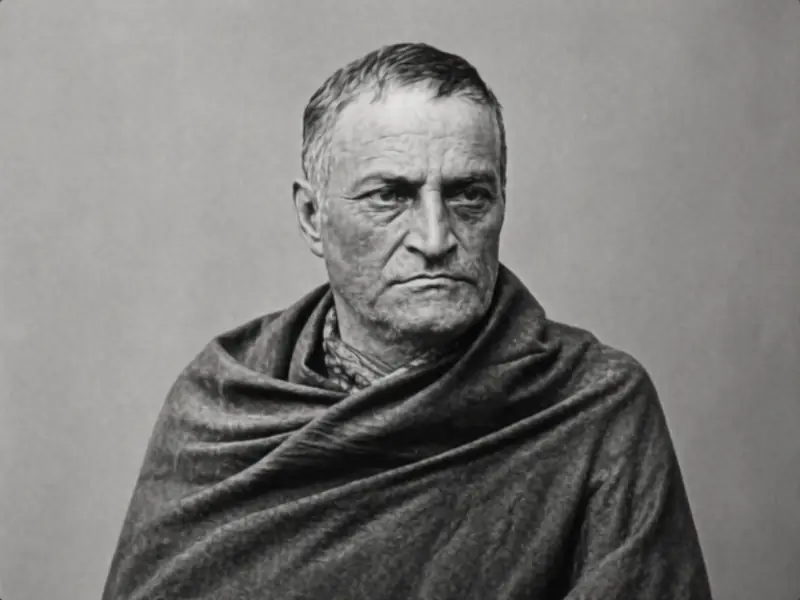
Jīvānanda Vidyāsāgara Bhattacharyya (1844–1935) belonged to a remarkable lineage of Sanskrit scholarship in nineteenth-century Bengal, a period marked by the coexistence of traditional śāstric learning and emerging colonial institutions of higher education. He was born in 1844, on the last day of the Bengali month of Caitra, into a distinguished Brahmin family. His father, Tārānātha Tarkavācaspati Bhaṭṭācharyya (1812–1885), was already widely known across scholarly circles in Calcutta and beyond as a formidable grammarian and lexicographer. His mother, Ambikādevī, belonged to a traditional household that preserved ritual and intellectual culture.
From an early age, Jīvānanda was immersed in a rigorous system of traditional Sanskrit education, conducted primarily under the supervision of his father. Unlike many contemporaries who attended institutional pāṭhaśālās alone, his intellectual formation occurred within a domestic scholastic environment that functioned as a miniature academy. He studied Vyākaraṇa (grammar), Sāhitya (literature), Alaṅkāra (poetics and rhetoric), Nyāya (logic), Sāṅkhya, Pātañjala Yoga, Vedānta, Mīmāṃsā, Jyotiṣa (astronomy and astrology), and Smṛti (legal and ritual codes). This range was not merely curricular; it reflected the encyclopedic expectations placed upon a classical paṇḍit in that era.
The intellectual influence of his father was decisive. Tārānātha Tarkavācaspati’s magnum opus, the Vācaspatyam, was a monumental Sanskrit-to-Sanskrit lexicon compiled over many years in Calcutta, drawing from manuscripts, oral traditions, and earlier lexicographical works. It became a foundational reference for later Sanskrit scholarship. His other works, such as Śabdastomamahānidhiḥ, Bahubibāhabāda (1872), and Āśubodhavyākaraṇam, reflect a rare combination of philological rigor and social engagement. Growing up in this environment, Jīvānanda absorbed not only textual knowledge but also the discipline of editing, compiling, and publishing texts, which would later define his career.
By the 1860s, Jīvānanda had already begun participating in scholarly activities, including the preparation of manuscripts for publication. His engagement with print culture, then rapidly expanding in Calcutta, distinguished him from earlier generations of scholars. The transition from manuscript to print was not merely technological—it demanded editorial decisions, collation of variants, and standardization of texts. Jīvānanda proved adept at these tasks.
In 1870, he was awarded the title “Vidyāsāgara” by the Government Sanskrit College of Calcutta, a recognition granted for exceptional mastery of Sanskrit learning. This title, though also famously associated with Īśvaracandra Vidyāsāgara, carried institutional prestige and signaled scholarly authority. Around the same period, Jīvānanda also obtained a Bachelor of Arts degree from the University of Calcutta, placing him among a relatively small group of traditionally trained scholars who also navigated the colonial university system.
By the 1870s and 1880s, Jīvānanda Vidyāsāgara Bhattacharyya had established himself as a prolific editor, commentator, and author. His output eventually approached nearly 200 works, a figure that includes original compositions as well as editions with commentaries and annotations. These works collectively span almost every major domain of Sanskrit intellectual tradition: Vedic literature, Upaniṣads, Purāṇas, Tantras, Darśanas (philosophical systems), Vyākaraṇa, Kāvya, Nāṭya, Dharmaśāstra, and Āyurveda.
His reputation extended beyond India. In 1882, during an interaction concerning Yogaśāstra, Henry Steel Olcott of the Theosophical Society is said to have been deeply impressed by Jīvānanda’s command of philosophical material and referred to him as “Godfather”, an unusual but telling acknowledgment of his intellectual stature.
A distinctive feature of Jīvānanda’s work is the systematic publication of classical texts with commentaries, often accompanied by explanatory ṭīkās intended to make difficult material accessible. He did not limit himself to one philosophical school or literary genre; rather, he worked across traditions, reflecting a non-sectarian scholastic orientation.
Among his contributions to Upaniṣadic and philosophical literature are editions of the Atharvanopaniṣadaḥ (with commentary), Bṛhadāraṇyakopaniṣad, Chāndogyopaniṣad, and collections of minor Upaniṣads such as Īśa, Kena, Kaṭha, Praśna, Muṇḍaka, and Māṇḍūkya. His work on Nyāyadarśana, Mīmāṃsādarśana with Śābarabhāṣya, Vaiśeṣikadarśana, and Vedāntadarśana demonstrates engagement with core philosophical systems.
In the domain of literature and poetics, he edited and commented on works such as Abhijñānaśākuntalam, Meghadūta, Raghuvaṃśa, Kumārasambhava, Śiśupālavadha, and Kirātārjunīya. His editions often included traditional commentaries alongside his own notes, thereby preserving earlier exegetical traditions.
His engagement with scientific and medical texts is equally noteworthy. He prepared editions of the Carakasaṃhitā, Suśrutasaṃhitā, Sāraṅgadhara-saṃhitā, Bṛhatsaṃhitā, and Sūryasiddhānta. This indicates familiarity not only with literary and philosophical traditions but also with technical śāstras.
Jīvānanda also produced original works, including a Sanskrit prose rendering of the Kathāsaritsāgara, extending to approximately 1400 pages, published in 1883. He authored texts such as Dvatrimśatputtalikāsiṃhāsana and Vetalapañcaviṃśati, demonstrating narrative skill alongside philological expertise.
Jīvānanda`s Works
The following is a selected list of works with brief descriptions (condensed due to scale):
- Atharvanopaniṣadaḥ – Upaniṣadic text with explanatory commentary
- Adhyātmarāmāyaṇa – Spiritual interpretation of the Rāmāyaṇa with notes
- Abhijñānaśākuntalam – Classical drama of Kālidāsa with commentary
- Agnipurāṇa – Purāṇic text edition
- Amarakośa – Lexicon with annotations
- Anargharāghava – Dramatic work with commentary
- Anumāna-cintāmaṇi – Nyāya treatise on inference
- Aṣṭāṅgahṛdaya – Āyurvedic compendium edited
- Aṣṭāvakra-saṃhitā – Philosophical text with commentary
- Bhagavadgītā – With commentary and ṭīkā
- Bhāṣāpariccheda – Logic primer with sub-commentaries
- Bhattikāvya – Grammar-based poem, edited in parts
- Brahmavaivarta Purāṇa – Purāṇic text in volumes
- Bṛhadāraṇyaka Upaniṣad – With commentary
- Carakasaṃhitā – Classical medical text
- Chāndogya Upaniṣad – Philosophical text edition
- Daśakumāracarita – Prose narrative with commentary
- Dayābhāga – Legal digest of inheritance law
- Gopatha Brāhmaṇa – Vedic prose text
- Hitopadeśa – Didactic fables with commentary
- Kathāsaritsāgara – Original prose rendering
- Kāvyaprakāśa – Foundational poetics treatise
- Kirātārjunīya – Epic poem with commentary
- Kumārasambhava – Kālidāsa’s epic with notes
- Liṅga Purāṇa – Purāṇic edition
- Meghadūta – Lyric poem with commentary
- Mīmāṃsādarśana – Philosophical text with Śābara’s commentary
- Mudrārākṣasa – Political drama commentary
- Nyāyadarśana – Logical treatise with notes
- Pañcatantra – Moral tales with commentary
- Raghuvaṃśa – Epic poem edited
- Śiśupālavadha – Mahākāvya with commentary
- Sūryasiddhānta – Astronomical treatise
- Suśrutasaṃhitā – Surgical text with commentary
- Vedāntasāra – Introductory Vedānta text
- Vivekacūḍāmaṇi – Advaita philosophical work
- Viṣṇupurāṇa – Purāṇic text with notes
- Yoginī Tantra – Tantric text edition
(Additional works follow similar patterns: critical editions, commentaries, or translations across disciplines.)
Jīvānanda’s career reflects the final flourishing phase of traditional Sanskrit scholarship under colonial conditions, where print technology, institutional recognition, and inherited learning intersected. His refusal of lucrative appointments in places such as Lahore, Jaipur, and Nepal suggests a deliberate choice to remain within a scholarly and editorial vocation, centered largely in Bengal.
His legacy lies not only in authorship but in preservation. By editing, annotating, and publishing texts across disciplines, he ensured their transmission into the modern era. Without such efforts, many of these works might have remained confined to manuscripts.
Sarvarthapedia Conceptual Node: JIvananda Vidyasagara Bhattacharyya
Identity and Historical Position
- Nineteenth-century Sanskrit scholar rooted in Bengal intellectual culture
- Transitional figure between manuscript tradition and print-era scholarship
- Scholar-editor, commentator, compiler, and original author
- Linked to colonial-era institutions and traditional pāṇḍitya systems
See also
- Sanskrit intellectual history
- Bengal Renaissance (traditionalist strand)
- History of print culture in India
- Scholarly transmission of śāstra
Lineage and Intellectual Inheritance
Tārānātha Tarkavācaspati Bhaṭṭācāryya (1812–1885)
- Father, teacher, and primary intellectual influence
- Lexicography and grammar as foundational disciplines
- Model of scholar engaged in both tradition and social debate
Key Works of Tārānātha
- Vācaspatyam → Sanskrit lexicography → semantic standardization
- Śabdastomamahānidhiḥ → lexical compilation → pedagogical tool
- Āśubodhavyākaraṇam → grammar → instructional literature
- Bahubibāhabāda (1872) → social discourse → dharma and reform
Conceptual Links
- Lexicography ↔ Vyākaraṇa ↔ Philology
- Grammar ↔ Logic ↔ Interpretation of śāstra
- Domestic pedagogy ↔ Scholarly lineage
Educational Formation
Traditional Disciplines Studied
- Vyākaraṇa → linguistic structure → textual precision
- Sāhitya → literary aesthetics → poetic tradition
- Alaṅkāra → rhetoric → interpretive ornamentation
- Nyāya → logic → epistemology
- Sāṅkhya → metaphysics → dualism
- Pātañjala Yoga → psychology → praxis
- Vedānta → metaphysics → non-dualism
- Mīmāṃsā → ritual exegesis → hermeneutics
- Jyotiṣa → cosmology → calendrical science
- Smṛti → law → social regulation
Conceptual Network
- Nyāya ↔ Mīmāṃsā → methods of reasoning and interpretation
- Vedānta ↔ Upaniṣads → philosophical culmination
- Vyākaraṇa ↔ Alaṅkāra ↔ Sāhitya → literary production
- Jyotiṣa ↔ Ritual → temporal structure of practice
Print Culture and Editorial Practice (1860s onward)
Manuscript to Print Transition
- Collation of variants
- Standardization of texts
- Critical editing practices
Editorial Functions
- Preservation of textual traditions
- Accessibility through commentary (ṭīkā)
- Integration of earlier commentarial traditions
See also
- History of Sanskrit printing in Calcutta
- Textual criticism in Indian traditions
- Commentary traditions (bhāṣya, vṛtti, ṭīkā)
Institutional Recognition
Academic Milestones
- Title “Vidyāsāgara” (1870) → Government Sanskrit College, Calcutta
- Bachelor of Arts → University of Calcutta
Conceptual Links
- Colonial education ↔ Traditional scholarship
- Institutional validation ↔ Intellectual authority
Associated Figures
- Īśvaracandra Vidyāsāgara → parallel title, different intellectual trajectory
Global Intellectual Contact
Interaction (1882)
- Henry Steel Olcott → Theosophical Society
- Recognition of expertise in Yogaśāstra
Conceptual Links
- Orientalism ↔ Indigenous scholarship
- Theosophy ↔ Hindu philosophical systems
Corpus and Scholarly Output
Scale and Nature
- Approximately 200 works
- Mix of original compositions and edited/commented texts
Domains Covered
- Vedic literature
- Upaniṣads
- Purāṇas
- Tantras
- Darśanas (Nyāya, Mīmāṃsā, Vedānta, Sāṅkhya, Vaiśeṣika, Yoga)
- Vyākaraṇa (grammar)
- Kāvya and Nāṭya (literature and drama)
- Dharmaśāstra (law)
- Āyurveda (medicine)
Conceptual Links
- Interdisciplinarity in Sanskrit scholarship
- Non-sectarian intellectual approach
- Encyclopedic knowledge tradition
Philosophical Textual Network
Upaniṣadic Corpus
- Atharvanopaniṣadaḥ
- Bṛhadāraṇyaka Upaniṣad
- Chāndogya Upaniṣad
- Minor Upaniṣads (Īśa, Kena, Kaṭha, Praśna, Muṇḍaka, Māṇḍūkya)
Linked Concepts
- Brahman → ultimate reality
- Ātman → self
- Mokṣa → liberation
Darśana Texts
- Nyāyadarśana → logic and epistemology
- Mīmāṃsādarśana → ritual hermeneutics
- Vaiśeṣikadarśana → ontology
- Vedāntadarśana → metaphysical synthesis
Conceptual Web
- Pramāṇa (means of knowledge)
- Pramā (valid cognition)
- Dharma (duty)
- Brahman (absolute reality)
Literary and Aesthetic Network
Kāvya and Nāṭya Works
- Abhijñānaśākuntalam
- Meghadūta
- Raghuvaṃśa
- Kumārasambhava
- Śiśupālavadha
- Kirātārjunīya
Aesthetic Concepts
- Rasa → aesthetic emotion
- Dhvani → suggestion
- Alaṅkāra → ornamentation
Associated Texts
- Kāvyaprakāśa
- Sāhityadarpaṇa
Scientific and Technical Text Network
Medical Texts
- Carakasaṃhitā → internal medicine
- Suśrutasaṃhitā → surgery
- Sāraṅgadhara-saṃhitā → pharmacology
Astronomical Texts
- Sūryasiddhānta → astronomy
- Bṛhatsaṃhitā → astrology and cosmology
Conceptual Links
- Ayurveda ↔ body and health
- Jyotiṣa ↔ cosmic order
- Science within śāstra tradition
Narrative and Original Works
Independent Compositions
- Kathāsaritsāgara (prose rendering, 1883) → narrative literature
- Dvatrimśatputtalikāsiṃhāsana → didactic tales
- Vetalapañcaviṃśati → narrative cycles
Conceptual Links
- Storytelling ↔ moral instruction
- Narrative ↔ cultural transmission
Legal and Ethical Texts
Dharmaśāstra
- Dayābhāga → inheritance law
- Smṛti literature → social codes
Conceptual Web
- Dharma → social order
- Vyavahāra → legal procedure
Tantric and Ritual Texts
Tantric Works
- Yoginī Tantra
- Other ritual manuals
Conceptual Links
- Tantra ↔ ritual practice
- Mantra ↔ sacred sound
- Śakti ↔ divine power
Editorial Methodology
Techniques
- Compilation from manuscripts
- Cross-commentarial synthesis
- Annotation for clarity
Conceptual Links
- Tradition ↔ reinterpretation
- Preservation ↔ transformation
Geographic and Cultural Context
Bengal (19th century)
- Calcutta as intellectual hub
- Interaction of colonial and indigenous knowledge systems
Other Locations (declined positions)
- Lahore
- Jaipur
- Nepal
Conceptual Links
- Mobility of scholars
- Patronage vs intellectual independence
Legacy and Transmission
Core Contributions
- Preservation of Sanskrit texts
- Expansion of print-based scholarship
- Bridging manuscript and modern academic traditions
Conceptual Network
- Knowledge Ecosystem ↔ Knowledge transmission ↔ continuity
- Textual preservation ↔ cultural memory
Meta-Cluster: Knowledge System
Jīvānanda as Node Connecting
- Grammar ↔ Philosophy ↔ Literature
- Science ↔ Ritual ↔ Law
- Manuscript tradition ↔ Print modernity
Central Idea
- Encyclopedic Sanskrit scholarship as an integrated intellectual system rather than isolated disciplines
Extended Web (Learning)
Individuals
- Tārānātha Tarkavācaspati
- Īśvaracandra Vidyāsāgara
- Henry Steel Olcott
Textual Traditions
- Vedas
- Upaniṣads
- Purāṇas
- Darśanas
Disciplines
- Vyākaraṇa
- Nyāya
- Vedānta
- Āyurveda
- Jyotiṣa
Broader Themes
- Colonial knowledge systems
- Sanskrit print culture
- Intellectual history of India
- Hindu Scriptures and Interpretation
- Commentary traditions in classical learning
Glossary of 500 Key Concepts ↔ Glossary of Religious Terms ↔ Sanskrit Glossary of Bhagavad Gita ↔ Hindu Indian Chronology
This network positions Jīvānanda Vidyāsāgara Bhattacharyya as a central node within a dense web of interconnected disciplines, texts, traditions, and historical processes, illustrating how his work both preserved and reorganized the Sanskrit knowledge system in the nineteenth century.