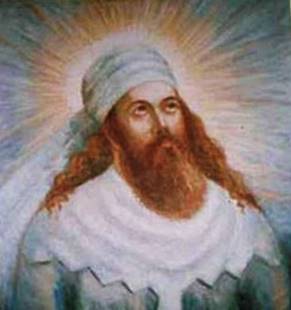
Zarathustra
Ashem, Yatha, the five Nyāyeshes, the five Gāhs,
Vispa Humata, Nām Setāyeshne, Patet Pashemānee,
all the Nirangs, Bājs, and Namaskars,
and sixteen Yashts
ASHEM VOHŪ
AHUNAVAR (YATHĀ AHŪ VAIRYŌ)
NIRANG-I-GOMEZ MĀLIDAN
KEM-NĀ MAZDĀ
HORMAZD KHODAY
JASA ME AVANGHE MAZDA
BĀZ (PRAYER) FOR SAYING GRACE
BĀZ TO BE RECITED BEFORE PASSING URINE AND ANSWERING
THE CALL OF NATURE
FIVE GĀHS TO BE RECITED SEPARATELY
SROSH BĀZ
AHMĀI RAĒSHCHA
HAZANGHREM
JASA ME AVANGHE MAZDA
KERFEH MOZD
HOSHBĀM
KHORSHED NYĀYESH
MEHER NYĀYESH
VĪSPA HUMATA
DOĀ NĀM SETĀYESHNE
HOMAGE FOR THE FOUR DIRECTIONS…
MĀH BOKHTĀR NYĀYESH…
ARDVI SURA NYĀYESH…
ĀTASH NYĀYESH…
HĀVAN GĀH
RAPITHWAN GĀH…
UZIRIN GĀH
AIWISRUTHREM GĀH…
USHAHEN GĀH
PATET (AVESTA)
PATET PASHEMANI…
HOMAGE UNTO A LAMP……
HOMAGE UNTO FRAVARTIKĀN…
HOMAGE UNTO DAKHMA – TOWER OF SILENCE
HOMAGE UNTO MOUNTAINS…
HOMAGE UNTO WATERS…
HOMAGE UNTO PLANTS
BĀZ OF RECITING ASHEM VOHU 1200
YAZISHN HĀ XX known as FRĀMRAOT
BĀZ OF RECITING YATHĀ AHU VAIRYO 1200…
NAMES OF THE DAYS AND MONTHS
Description of the Jashans of Twelve Months
NAMES OF SEVEN HAMKĀRS – COLABORATEURS…
NAMES OF 12 YAZATAS OF HAMĀYASHT…
NAMES OF 21 NASKS
YASHTS…
HORMAZD YASHT
NIRANG OF HORMAZD YASHT
HAFTAN YASHT LARGE…
ARDIBEHESHT YASHT
NIRANG OF ARDIBEHESHT YASHT…
KHORDĀD YASHT…
KHORSHED YASHT…
MAH YASHT…
TIR YASHT…
GOSH YASHT…
SROSH YASHT HĀDOKHT…
NIRANG OF SROSH YASHT HĀDOKHT
SROSH YASHT VADI…
NIRANG OF SROSH YASHT VADI…
FARVARDIN YASHT…
BEHERAM YASHT…
HOM YASHT LARGE…
HOM YASHT SMALL……
NIRANG OF HOM YASHT…
VANANT YASHT…
NIRANG OF VANANT YASHT…
KARDĀ TO BE RECITED IN MEMORY OF THE DEPARTED ONES..319
A BRIEF AND INFORMATIVE SYNOPSIS OF THE ABOVE
MENTIONED PAZEND PORTION TO BE RECITED IN BĀZ — LOW TONE…
DOĀ TANDAROSTI (IN AVESTA)…
DOĀ TANDAROSTI (IN PAZEND)
DĪN-NO KALAMO (in Avesta) – THE ZOROASTRIAN CREED (Yasna Hā 12)
A SHORT SYNOPSIS OF DĪN-NO KALAMO (i.e. THE ZOROASTRIAN CREED)…
DĪN-NO KALAMO, THE ZOROASTRIAN CREED
NIRANG TO BE RECITED AFTER THE RECITATION OF NYĀYESH AND YASHT…101 NAMES…
MONĀJĀT to be recited any time…
MONĀJĀT IN PRAISE OF THE HOLY CREATOR…
MONĀJĀT IN PRAISE OF THE HOLY PROPHET ZARTOSHT.
Avesta
PART 1:
Frequently used short prayers:
Ashem Vohu
ashem vohû vahishtem astî
ushtâ astî ushtâ ahmâi
hyat ashâi vahishtâi ashem.
अशें वोहू वहिष्ठेम् अस्ति
उष्टा अस्ति उष्टा अहमै
ह्यत अशै वहिष्ठै अशेम् ।
Ahunwar
ýathâ ahû vairyô
athâ ratush ashâtcît hacâ
vanghêush dazdâ mananghô
shyaothananãm anghêush mazdâi
यथा अहु वैर्यो
अथा रतुष अशत्चित् हचः
वङ्घेउष दजदा मानघो
श्याओथाननम् अङ्घेउष मज्दाइ
xshathremcâ ahurâi â
ýim drigubyô dadat vâstârem!!
Kem Na Mazda
kêm-nâ mazdâ mavaitê pâyûm dadå hyat mâ dregvå dîdareshatâ aênanghê anyêm thwahmât âthrascâ mananghascâ ýayå shyaothanâish ashem thraoshtâ ahurâ tãm môi dãstvãm daênayâi frâvaocâ,
kê verethrem-jâ thwâ pôi sêñghâ ýôi heñtî cithrâ môi dãm ahûmbish ratûm cizhdî at hôi vohû seraoshô jañtû mananghâ mazdâ ahmâi ýahmâi vashî kahmâicît.
pâta-nô tbishyañtat pairi mazdåsca ârmaitishca speñtasca, nase daêvî druxsh nase daêvô-cithre nase daêvô-frakarshte nase daêvô-fradâiti, apa druxsh nase apa druxsh dvâra apa druxsh vînase apâxedhre apa-nasyehe mâ mereñcainîsh gaêthå astvaitîsh ashahe, nemascâ ýâ ârmaitish îzhâcâ. ashem vohû…
केम-न मजदा मवैते पायुं दादा ह्यत मा द्रेगवा दीदरेशता ऐनङ्घे अनेयं ठ्वाहमत अथ्रस्का मनघाश्च याया श्याओथनैष अशेम थ्रोओष्टा अहुरा तं मोइ दस्त्वां दानेनायै फ्रावौच,
के वेरेथ्रेम-जा थ्वा पोइ सेंघा योइ हेन्ति चित्रा मोइ दम अहुम्बिश रतुम् सिझदी अत होई वोहु सेराओशो जन्तु मननघा मजदा अहमै यहमै वशी कहमैसित्।
पाता-नो त्बिष्यन्तत पैरि मजदास्का आर्मातिश्चा स्पेन्तास्का, नासे दाएवी द्रुक्ष नासे दाएवो-सिथ्रे नासे दएवो-फ्रकर्ष्टे नासे दाएवो-फ्रादैती, आप द्रुक्ष नासे आप द्रुक्श द्वार आप द्रुक्ष विनासे अपक्षेध्रे आप-नस्येहे मा मेरेनकैनिष गायेथा अस्तवैतिश आशहे, नेमस्का या अरमातिश ज्हाच। अशेम् वोहु…
Baj before meals
ba nãm i yazad i baxshâyañdeh i baxshâyashgar i meherbãn. hôrmezd i hvadâe.
(Y37:1): ithâ at ýazamaidê ahurem mazdãm yê gãmcâ ashemcâ dât apascâ dât urvaråscâ vanguhîsh raocåscâ dât bûmîmcâ vîspâcâ vohû.
(after meal:)
ashem vohû…(4).
yathâ ahû vairyô…(2).
ahmâi raêshca …. hazangrem … jasa-mê … (kerba mazhd…)
atha jamyât yatha afrînâmi.
ashem vohû…!!
बा नम् इ यजाद इ बक्ष्शायन्देः इ बक्षशयश्गर इ मेहेर्बान्। होर्मेज्द् इ ह्वादाए ।
(Y37:1): इथा अत इआजमैदे अहुरे मज्दां ये महामचा अशेम्चा दत अपस्का दत उर्वरास्का वङ्गुहिश रौचस्का दत् बुमीमचा विस्पाका वोहू।
(भोजनानन्तरं:)
अशें वोहू…(४) ।
यथा अहु वैर्यो…(२) ।
अहमाई रएश्चा …. हजंगरेम् … जसा-मे … (केरबा मझ्द…)
अथ जम्यात यथा अफ्रिणामि।
अशें वोहू…!!
Hawan Gah
hâvanêe ashaone ashahe rathwe ýasnâica vahmâica xshnaothrâica frasastayaêca
sâvanghêe vîsyâica ashaone ashahe rathwe ýasnâica vahmâica xshnaothrâicâ frasastayaêca.
हवने अशओने अशहे रथवे यस्नैच वह्मैका क्सश्नाओथ्रैका फ्रसस्तायेका
सवन्घे विष्यैच अशओने अशहे रथ्वे यस्नैच वह्मैच क्सश्नाओथ्रैचा फ्रसस्तायॆच।
Rapithwin Gah (midday to mid-afternoon)
rapithwinâi ashaone ashahe rathwe ýasnâica vahmâica xshnaothrâica frasastayaêca,
frâdat-fshave zañtumâica ashaone ashahe rathwe ýasnâica vahmâica xshnaothrâicâ frasastayaêca.
Uzerin Gah (mid-afternoon to sunset)
uzayeirinâi ashaone ashahe rathwe ýasnâica vahmâica xshnaothrâica frasastayaêca,
frâdat-vîrâi dâh’yumâica ashaone ashahe rathwe ýasnâica vahmâica xshnaothrâicâ frasastayaêca.
Aiwisruthrem Gah (sunset to midnight)
aiwisrûthrimâi aibigayâi ashaone ashahe rathwe ýasnâica vahmâica xshnaothrâica frasastayaêca,
frâdat-vîspãm-hujyâitêe zarathushtrôtemâica ashaone ashahe rathwe ýasnâica vahmâica xshnaothrâicâ frasastayaêca.
Ushahin Gah (midnight to dawn)
ushahinâi ashaone ashahe rathwe ýasnâica vahmâica xshnaothrâica frasastayaêca,
berejyâi nmânyâica ashaone ashahe rathwe ýasnâica vahmâica xshnaothrâicâ frasastayaêca.