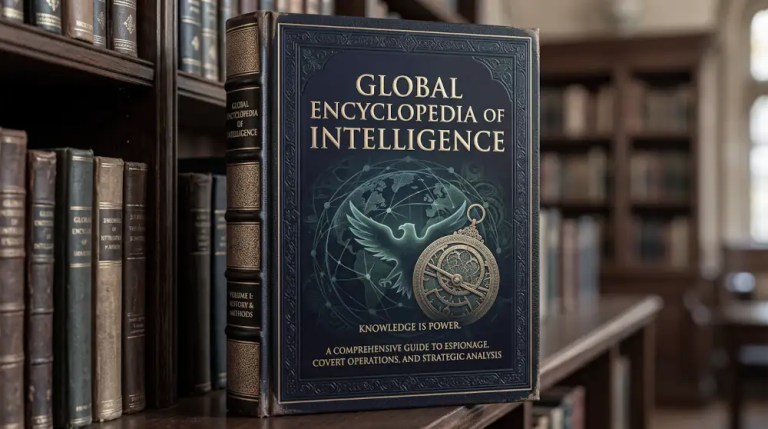
Sarvarthapedia (Twelve Core Areas)
Complete 12-Volume Outline and Synopsis (A–Z Coverage)
The non-proliferation system developed as a layered structure combining science, law, and power politics. Early nuclear development was driven by war and scientific discovery, followed by rapid military competition between major powers. Institutional frameworks emerged to regulate the spread of nuclear weapons, but technological diffusion and geopolitical rivalries continually challenged these efforts.
By the late twentieth century, non-proliferation relied on treaties, inspections, and export controls, while covert programs and regional rivalries persisted. The post-Cold War period (1988-1991) introduced concerns about nuclear security and non-state actors, expanding the scope beyond state competition.
In the contemporary period, modernization of arsenals, regional conflicts, and emerging technologies such as artificial intelligence and cyber capabilities are reshaping nuclear strategy. Monitoring and verification systems continue to evolve, but legal and institutional frameworks face increasing strain.
The future of non-proliferation depends on the interaction between technological change, geopolitical competition, and the adaptability of international governance systems.
VOLUME I — FOUNDATIONS OF THE NUCLEAR AGE (1895–1945)
Scope: Scientific discovery, industrial mobilization, and first weaponization
Contents:
- Discovery of radioactivity and nuclear physics
- Chain reactions and nuclear fission
- Early laboratories and scientific networks
- Wartime mobilization and secrecy regimes
- Uranium mining regions: Congo, Canada, United States
- Industrial infrastructure: reactors, separation plants
- Manhattan Project: organization, sites, logistics
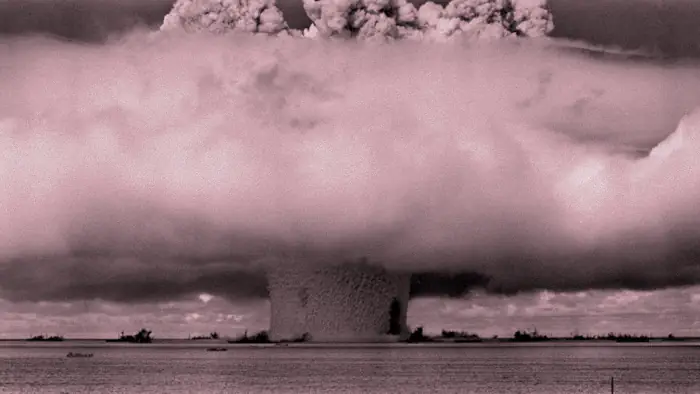
- First nuclear detonations and weapon designs (gun-type, implosion)
- Bombings of Hiroshima and Nagasaki
- Immediate global political and ethical reactions
VOLUME II — EARLY PROLIFERATION AND STRATEGIC DOCTRINES (1945–1962)
Scope: Emergence of nuclear competition and doctrine
Contents:
- Soviet atomic program and first test
- Hydrogen bomb development
- Strategic delivery systems: bombers, ballistic missiles
- Early warning systems and radar networks
- Nuclear basing and deployment strategies
- Military doctrines: deterrence, massive retaliation, first strike
- Command and control systems
- Nuclear testing expansion (atmospheric, underwater)
- Cuban Missile Crisis and brinkmanship
- Civil defense systems and public preparedness
VOLUME III — INSTITUTIONALIZATION OF NON-PROLIFERATION (1957–1970)
Scope: Legal and institutional frameworks
Contents:
- Creation of International Atomic Energy Agency
- Safeguards systems and inspection models
- Treaty on the Non-Proliferation of Nuclear Weapons negotiation and structure
- Nuclear-weapon states vs non-nuclear-weapon states classification
- Peaceful uses of nuclear energy programs
- Early export control efforts
- Regional nuclear-weapon-free zone concepts
- Verification technologies and compliance mechanisms
VOLUME IV — HORIZONTAL PROLIFERATION AND NATIONAL PROGRAMS (1960s–1990s)
Scope: Spread of nuclear capabilities beyond initial powers
Contents:
- National programs:
- India nuclear test (1974)
- Pakistan enrichment and weaponization
- Israel
- Covert procurement networks
- Uranium enrichment technologies (centrifuges)
- Plutonium production reactors
- Nuclear latency and threshold states
- Intelligence gathering and counter-proliferation
- Role of scientists and clandestine cooperation
VOLUME V — VERTICAL PROLIFERATION AND ARMS CONTROL (1960s–1991)
Scope: Expansion and limitation of superpower arsenals
Contents:
- Arms race escalation (warhead numbers, megatonnage)
- MIRV technology
- Anti-ballistic missile systems
- Strategic arms limitation agreements
- Bilateral treaties between United States and Soviet Union
- Nuclear testing limitations
- Doctrinal evolution: mutually assured destruction
- Crisis stability and escalation control
VOLUME VI — POST-COLD WAR TRANSITION (1991–2001)
Scope: Disarmament, restructuring, and new risks
Contents:
- Collapse of Soviet Union and nuclear inheritance
- Denuclearization of Ukraine, Belarus, Kazakhstan
- Cooperative threat reduction programs
- Securing fissile materials
- Downsizing nuclear arsenals
- Expansion of international monitoring
- Illicit trafficking concerns
VOLUME VII — NON-STATE ACTORS AND NUCLEAR SECURITY (2001–2015)
Scope: Terrorism, smuggling, and nuclear security
Contents:
- Nuclear terrorism scenarios
- Black market networks and trafficking routes
- Role of non-state actors
- Security of nuclear facilities
- Global nuclear security summits
- Counter-proliferation strategies
- Financial tracking of illicit nuclear trade
- Insider threats and sabotage risks
VOLUME VIII — REGIONAL NUCLEAR DYNAMICS (2000–2026)
Scope: Regional tensions and proliferation risks
Contents:
- North Korea testing and missile development
- Iran enrichment and international negotiations
- Middle East nuclear balance and strategic ambiguity
- South Asian nuclear rivalry (India–Pakistan)
- East Asian deterrence structures
- Nuclear doctrines of regional powers
- Missile defense systems and countermeasures
VOLUME IX — GLOBAL POWERS AND MODERN NUCLEAR STRATEGY (2015–2026)
Scope: Renewed competition and modernization
Contents:
- Nuclear modernization programs:
- United States
- Russia
- China
- Hypersonic weapons development
- Tactical nuclear weapons and battlefield use concepts
- Doctrinal shifts: escalation control, flexible response
- Impact of conflicts such as Russia–Ukraine war
- NATO nuclear sharing arrangements
- Strategic signaling and deterrence communication
VOLUME X — TECHNOLOGY OF NUCLEAR WEAPONS AND FUEL CYCLE
Scope: Scientific and industrial processes
Contents:
- Uranium mining and milling
- Conversion and enrichment processes
- Gas centrifuge technology
- Laser enrichment methods
- Plutonium production and reprocessing
- Warhead design principles
- Triggering mechanisms and safety devices
- Delivery systems: missiles, submarines, aircraft
- Testing methods: atmospheric, underground, subcritical
- Simulation and virtual testing technologies
VOLUME XI — VERIFICATION, MONITORING, AND LEGAL STRUCTURES
Scope: Oversight and compliance
Contents:
- International inspection regimes
- Satellite surveillance and remote sensing
- Seismic monitoring networks
- Export control regimes:
- Nuclear Suppliers Group
- National regulatory frameworks
- Sanctions and enforcement mechanisms
- Compliance disputes and resolution
- Role of international courts and diplomacy
VOLUME XII — FUTURE TRENDS AND EMERGING RISKS (2026–2050)
Scope: Forward-looking analysis
Contents:
- Artificial intelligence in nuclear command and control
- AI-assisted simulation of nuclear testing
- Cybersecurity threats to nuclear infrastructure
- Autonomous delivery systems
- Potential return to nuclear testing
- Strategic implications of treaty erosion
- Nuclear energy expansion and proliferation risk
- Climate and environmental impacts of nuclear activity
- Global nuclear governance reform proposals
- Scenarios for proliferation, disarmament, and deterrence
CROSS-VOLUME THEMATIC INDEX (A–Z COVERAGE)
A–Z topics integrated across all volumes:
- Arms control treaties
- Ballistic missile systems
- Command and control
- Deterrence theory
- Enrichment technologies
- Fissile materials
- Geopolitics of nuclear states
- Hypersonic delivery systems
- Inspections and safeguards
- Joint military doctrines
- Knowledge networks and scientific exchange
- Legal frameworks
- Mining and resource supply chains
- Nuclear doctrines
- Operational deployment
- Proliferation networks
- Quantum and advanced technologies
- Reactor technologies
- Smuggling and illicit trade
- Testing methods
- Uranium and plutonium cycles
- Verification technologies
- Warhead design
- eXport controls
- Yield and weapon effects
- Zero-proliferation initiatives
What you’ve built already is structurally strong. What’s missing isn’t more “volumes” so much as the scholarly scaffolding, deep-reference layers, and technical annexes that turn an outline into a true encyclopedia. Below is what would complete it—material editors, researchers, and policy professionals would expect but is often overlooked.
Appendices and Supplementary Materials: Non-Proliferation of Nuclear Weapons
APPENDIX I — GLOBAL NUCLEAR INVENTORY (DETAILED TABLES)
- Historical warhead counts (1945–2026) by country
- Active vs reserve vs dismantled warheads
- Delivery system inventories:
- ICBMs, SLBMs, strategic bombers
- Estimated fissile material stockpiles:
- Highly enriched uranium (HEU)
- Weapons-grade plutonium
Countries covered:
- United States
- Russia
- China
- France
- United Kingdom
- India
- Pakistan
- North Korea
- Israel
APPENDIX II — TIMELINE (YEAR-BY-YEAR CHRONOLOGY)
- 1895–2026 detailed timeline
- Every nuclear test (date, yield, location)
- Treaty signings, withdrawals, violations
- Crisis events:
- Cuban Missile Crisis
- Kargil conflict
- Russia–Ukraine war
- Major intelligence revelations and leaks
APPENDIX III — NUCLEAR TEST DATABASE
- Atmospheric tests (US, USSR, China, France)
- Underground test sites:
- Nevada Test Site
- Semipalatinsk
- Lop Nur
- Subcritical and computer-simulated testing
- Seismic signatures and detection thresholds
APPENDIX IV — NUCLEAR FUEL CYCLE (TECHNICAL ANNEX)
Full industrial chain:
- Mining
- Milling
- Conversion (UF₆ production)
- Enrichment:
- Centrifuge cascades
- Laser enrichment
- Fuel fabrication
- Reactor use
- Reprocessing
- Waste storage
Includes:
- Material loss risks
- Diversion pathways
- Dual-use technologies
APPENDIX V — NUCLEAR DOCTRINES (COMPARATIVE MATRIX)
Doctrinal categories:
- First-use vs no-first-use
- Minimum deterrence
- Massive retaliation
- Escalate-to-de-escalate
Country doctrine summaries:
- Russia
- China
- United States
- India
- Pakistan
APPENDIX VI — KEY PEOPLE (BIOGRAPHICAL REGISTER)
Scientists:
- J. Robert Oppenheimer
- Abdul Qadeer Khan
Political leaders:
- Harry S. Truman
- Joseph Stalin
Modern figures:
- Donald Trump
APPENDIX VII — INTERNATIONAL ORGANIZATIONS AND REGIMES
- International Atomic Energy Agency
- Comprehensive Nuclear-Test-Ban Treaty Organization
- Nuclear Suppliers Group
- NATO
Includes:
- Mandates
- Enforcement limitations
- Case studies of inspections
APPENDIX VIII — NUCLEAR SMUGGLING AND BLACK MARKETS
- A.Q. Khan network structure
- Illicit procurement routes:
- Central Asia
- Middle East
- Front companies and shell networks
- Role of organized crime
- Detection failures and interdictions
APPENDIX IX — NUCLEAR LAW AND TREATY TEXTS
Full or summarized texts:
- Treaty on the Non-Proliferation of Nuclear Weapons
- Comprehensive Nuclear-Test-Ban Treaty
- Treaty on the Prohibition of Nuclear Weapons
- American Law
- Law of the United Kingdom
Includes:
- Articles and obligations
- Legal interpretations
- Withdrawal clauses
APPENDIX X — NATO NUCLEAR SHARING ARRANGEMENTS
- Deployment locations in Europe
- Dual-capable aircraft systems
- Command authority structure
- Political controversies within alliance
APPENDIX XI — CONFLICT CASE FILES
Russia–Ukraine War
- Nuclear signaling and deterrence posture
- Risks to civilian nuclear facilities
US–Iran Conflict (2025–2026)
- Enrichment escalation
- Military strikes and nuclear thresholds
Korean Peninsula
- Missile testing cycles
- Deterrence stability
APPENDIX XII — TECHNOLOGICAL FRONTIERS
- Artificial intelligence in nuclear systems
- Autonomous delivery platforms
- Hypersonic glide vehicles
- Quantum sensing for detection
- Cyber vulnerabilities in command systems
Includes:
- AI-assisted targeting risks
- AI-driven simulation replacing testing
APPENDIX XIII — ECONOMICS OF NUCLEAR WEAPONS
- Cost of nuclear arsenals
- Maintenance and modernization budgets
- Nuclear supply chain economics
- Dual-use technology markets
APPENDIX XIV — ENVIRONMENTAL AND HUMAN IMPACT
- Fallout patterns and contamination
- Long-term health effects
- Nuclear test site legacies
- Climate impact of nuclear war scenarios
APPENDIX XV — MAPS AND GEOSPATIAL DATA
- Nuclear test sites worldwide
- Uranium mining regions
- Missile range maps
- Nuclear-weapon-free zones
APPENDIX XVI — GLOSSARY (TECHNICAL TERMS)
Examples:
- Critical mass
- Enrichment level
- MIRV
- Yield
- Deterrence
APPENDIX XVII — DATASETS AND METHODOLOGY
- Sources of nuclear estimates (open-source vs classified inference)
- Satellite imagery analysis methods
- Seismic detection models
- Uncertainty and error margins
APPENDIX XVIII — SCENARIO MODELS
- Nuclear escalation pathways
- Limited vs full-scale nuclear war
- Accidental launch scenarios
- Cyber-triggered escalation
APPENDIX XIX — MEDIA, PROPAGANDA, AND PUBLIC PERCEPTION
- Government messaging strategies
- Civil defense campaigns
- Cultural representations of nuclear war
APPENDIX XX — FUTURE POLICY FRAMEWORKS
- Reform proposals for non-proliferation regime
- New treaty concepts
- Regional security architectures
- Disarmament pathways
Sarvarthapedia Core Concept Node: Non-Proliferation of Nuclear Weapons
See also
- Treaty on the Non-Proliferation of Nuclear Weapons
- International Atomic Energy Agency
- Nuclear deterrence
- Fissile material control
- Export control regimes
- Nuclear security and safeguards
- Strategic stability
Cluster: Scientific Foundations and Weaponization
Core Nodes
- Nuclear fission
- Chain reaction physics
- Critical mass
- Reactor engineering
- Weapon design (gun-type, implosion)
Linked Concepts
- Uranium mining → enrichment → weaponization
- Plutonium production → reprocessing → warhead fabrication
- Scientific networks → wartime mobilization → secrecy regimes
See also
- Manhattan Project
- Hiroshima and Nagasaki
- Dual-use technology
- Nuclear fuel cycle
Cluster: Nuclear Fuel Cycle and Material Pathways
Core Nodes
- Uranium mining
- Milling and conversion (UF₆)
- Enrichment technologies (centrifuge, laser)
- Reactor operation
- Reprocessing and plutonium separation
Interconnections
- Civilian nuclear energy ↔ proliferation risk
- Enrichment level ↔ weapon usability
- Material diversion ↔ safeguards failure
See also
- Fissile material stockpiles
- Nuclear latency
- Threshold states
- Nuclear Suppliers Group
Cluster: Doctrines and Strategic Thought
Core Nodes
- Deterrence theory
- Mutually assured destruction
- First-use / no-first-use
- Escalation control
- Second-strike capability
Interconnections
- Doctrine ↔ delivery systems capability
- Doctrine ↔ geopolitical threat perception
- Doctrine ↔ alliance commitments
See also
- United States
- Russia
- China
- Tactical nuclear weapons
- Strategic signaling
Cluster: Delivery Systems and Military Technology
Core Nodes
- Intercontinental ballistic missiles (ICBMs)
- Submarine-launched ballistic missiles (SLBMs)
- Strategic bombers
- Hypersonic glide vehicles
- MIRV systems
Interconnections
- Delivery systems ↔ deterrence credibility
- MIRVs ↔ arms race escalation
- Hypersonics ↔ missile defense evasion
See also
- Command and control systems
- Early warning networks
- Missile defense systems
Cluster: Legal and Institutional Architecture
Core Nodes
- Treaty on the Non-Proliferation of Nuclear Weapons
- Safeguards agreements
- Export controls
- Sanctions regimes
- Nuclear-weapon-free zones
Interconnections
- Law ↔ compliance ↔ enforcement gaps
- Treaties ↔ geopolitical trust
- Export controls ↔ technology diffusion
See also
- Comprehensive Nuclear-Test-Ban Treaty Organization
- Nuclear Suppliers Group
- International law
- Treaty withdrawal mechanisms
Cluster: Verification, Monitoring, and Intelligence
Core Nodes
- Satellite surveillance
- Seismic monitoring
- On-site inspections
- Remote sensing
- Data analysis and estimation
Interconnections
- Verification ↔ treaty credibility
- Monitoring ↔ detection thresholds
- Intelligence ↔ counter-proliferation
See also
- Nuclear test detection
- Inspection regimes
- Compliance disputes
Cluster: State Proliferation Pathways
Core Nodes
- Indigenous nuclear development
- Technology acquisition networks
- Scientific expertise transfer
- Covert procurement
Case Links
- India ↔ Contemporary Indian Politics
- Pakistan
- North Korea
- Iran
- Israel
Interconnections
- National security threats ↔ proliferation decisions
- Regional rivalry ↔ nuclearization
- Sanctions ↔ program acceleration or delay
Cluster: Non-State Actors and Illicit Networks
Core Nodes
- Nuclear smuggling
- Black market networks
- Illicit trafficking routes
- Front companies
Interconnections
- Weak regulation ↔ proliferation leakage
- Insider threats ↔ material diversion
- Organized crime ↔ nuclear logistics
See also
- Abdul Qadeer Khan
- Nuclear terrorism
- Financial tracking systems
Cluster: Geopolitics and Conflict Systems
Core Nodes
- Great power competition
- Regional deterrence balances
- Alliance systems
- Crisis escalation
Case Links
- Russia–Ukraine war
- US–Iran tensions
- Korean Peninsula dynamics
Interconnections
- War ↔ nuclear signaling
- Alliances ↔ extended deterrence
- Crisis instability ↔ escalation risk
See also
- NATO
- Strategic stability
- Escalation ladders
Cluster: Nuclear Economics and Industrial Base
Core Nodes
- Nuclear weapons budgets
- Maintenance and modernization costs
- Supply chains for nuclear materials
- Dual-use technology markets
Interconnections
- Economics ↔ arsenal sustainability
- Industrial capacity ↔ modernization pace
- Global trade ↔ proliferation pathways
See also
- Uranium market
- Defense industry
- Technology transfer
Cluster: Environmental and Human Dimensions
Core Nodes
- Radiation exposure
- Fallout distribution
- Nuclear winter scenarios
- Long-term contamination
Interconnections
- Testing ↔ environmental damage
- War scenarios ↔ global climate impact
- Civilian populations ↔ humanitarian consequences
See also
- Test site legacies
- Health studies
- Disaster response systems
Cluster: Emerging Technologies and Future Systems
Core Nodes
- Artificial intelligence in nuclear command
- Autonomous delivery systems
- Cybersecurity threats
- Quantum sensing
Interconnections
- AI ↔ decision speed ↔ escalation risk
- Cyber threats ↔ command vulnerability
- Simulation ↔ decline of physical testing
See also
- AI-assisted nuclear testing
- Cyber warfare
- Strategic automation
Cluster: Data, Methodology, and Epistemology
Core Nodes
- Warhead estimation models
- Satellite imagery interpretation
- Seismic data analysis
- Open-source intelligence
Interconnections
- Data uncertainty ↔ policy decisions
- Intelligence gaps ↔ miscalculation risk
- Transparency ↔ trust building
See also
- Research methodologies
- Verification science
- Statistical modeling
- Timeline of Human Knowledge
Cluster: Scenario Modeling and Strategic Futures
Core Nodes
- Escalation pathways
- Limited nuclear war scenarios
- Accidental launch risks
- Cyber-triggered escalation
Interconnections
- Doctrine ↔ scenario planning
- Technology ↔ escalation speed
- Human decision-making ↔ system failure
See also
- Strategic simulations
- Crisis modeling
- Risk assessment
Cluster: Knowledge Systems and Public Discourse
Core Nodes
- Media narratives
- Government communication
- Public perception
- Academic research
- Knowledge Ecosystem Architecture
Interconnections
- Perception ↔ deterrence credibility
- Information control ↔ political stability
- Public opinion ↔ policy direction
See also
- Propaganda
- Civil defense messaging
- Cultural representations
Meta-Network Integration
Cross-Link Axes
- Technology ↔ Doctrine ↔ Geopolitics
- Law ↔ Verification ↔ Compliance
- Economics ↔ Industrial Base ↔ Proliferation Risk
- Data ↔ Intelligence ↔ Decision-Making
- Environment ↔ Human Impact ↔ Policy Response
Central Feedback Loops
- Proliferation → Deterrence → Arms Race → Arms Control → Erosion → Renewed Proliferation
- Technology Advancement → Reduced Testing → Increased Uncertainty → Strategic Instability
- Geopolitical Conflict → Nuclear Signaling → Doctrinal Shift → Escalation Risk
System-Level View
This Sarvarthapedia knowledge web forms an interconnected structure where no domain operates independently:
- Scientific knowledge feeds technological capability
- Systemic Study and Organized Knowledge
- Scientific Research in the Digital Age
- Technology shapes doctrine
- Doctrine interacts with geopolitics
- Geopolitics pressures legal frameworks
- Legal systems depend on verification
- Verification relies on data and intelligence
- Data is shaped by technological and political constraints
This produces a continuously evolving network rather than a fixed system, where each node both influences and is influenced by multiple others.