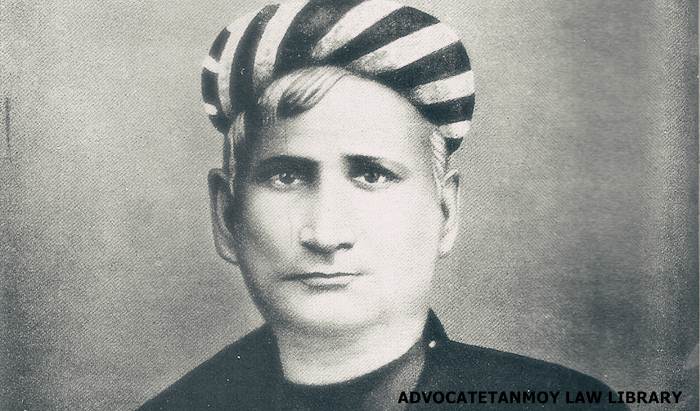
Bankim Chandra’s Introduction to the Bhagavad Gita
The commentaries and annotations on the Gita composed by Adi Shankaracharya and others already exist; therefore, another explanation of the Gita may appear unnecessary. However, those commentaries and annotations were written in Sanskrit. In the present age, there are many readers who do not understand Sanskrit, yet are deeply eager to study the Gita. But the Gita is such a profound and difficult text that many cannot comprehend it without the aid of commentary. For this reason, a Bengali commentary on the Gita is necessary.
A Bengali commentary may take two forms. First, one may provide Bengali translations of the ancient commentaries and annotations composed by Shankara and others. Second, one may prepare an entirely new Bengali commentary. Some have followed the first method. Babu Hitalal Mishra, in his own translation, sometimes compiled the essence of Shankara’s commentary and at other times the essence of the annotation written by Sridhara Swami. The eminent Vaishnava scholar Babu Kedarnath Datta, in his translation, often presented the inner meaning of the commentary composed by Vishwanath Chakravarti. Bengali readers are greatly indebted to them for this service. My esteemed friend Babu Bhudhar Chandra Chattopadhyay has undertaken another edition of the Gita, and from the announcement I have seen that it will include a translation of Shankara’s commentary. This is a matter of special good fortune for Bengali readers.
Babu Srikrishnaprasanna has adopted the second method. Along with his translation, he is publishing a Bengali commentary entitled “Gitasandipani.” It is gratifying that in “Gitasandipani” the essence of the Gita is being explained in the same manner in which the earlier scholars understood it. There is no doubt that Bengali readers will remain grateful to Babu Srikrishnaprasanna for this.
Even with all these translations and commentaries already available, it may appear futile for a person like myself to undertake yet another translation and commentary. Had there not been a genuine necessity, I would never have intervened in so serious a task. I shall therefore explain that necessity.
Among modern readers, the majority belong to the class known as the “educated.” Those educated in Western learning are generally referred to as “educated,” and I use the term in that conventional sense. Some possess more learning, some less; but whether little or great, most readers today belong to this “educated” community. The difficulty is that this educated class cannot easily understand the statements of the ancient scholars. Even when translated into Bengali, those ideas are not easily comprehensible to them. Just as the traditional scholars of the Sanskrit tols cannot easily understand Western thinkers even through translations, so too those educated in Western methods cannot easily grasp the words of the ancient Eastern scholars merely through translation. This is not their fault; it is the natural consequence of their education.
The Western mode of thought differs so greatly from that of ancient India that the translation of language alone does not convey the translation of ideas into the heart. Since our modern “educated” community has followed Western habits of thought from childhood, the ancient Indian mode of thinking remains unfamiliar to them. Therefore, merely translating the language does not make the old ideas intelligible to them. To explain those ideas, one must adopt Western methods and make use of Western concepts. The purpose of my commentary is to explain the essence of the Gita through Western methods and with the assistance of Western thought.
There is an additional necessity. Many doubts naturally arise in the minds of those educated in Western learning, yet these doubts are not resolved in the commentaries written by earlier scholars. Nor could they have been, because the readers for whom those ancient commentaries were composed were not likely to entertain such doubts at all. In this commentary, I have attempted, as far as possible, to address those questions.
Therefore, I am not a rival to the scholars who have translated or explained the Gita in Bengali; my humble desire is only to assist them as far as I can. I too have followed the earlier scholars wherever possible. In preparing this commentary, I have consulted Shankara’s commentary together with Anandagiri’s gloss, the commentary of Sridhara Swami, the Ramanuja commentary, the annotation of Madhusudana Saraswati, and the commentary of Vishwanath Chakravarti, among others. Yet I must also state that a person acquainted with Western literature, science, and philosophy cannot always remain a follower of the ancients in every respect. I myself have not always been able to do so. I have no sympathy whatsoever with those who believe that everything said by the ancient Indian scholars is entirely correct and that everything said by Western thinkers regarding worldly truths is entirely false.
My primary aim is the commentary, but commentary cannot stand without the original text; therefore the original has also been included. Since many readers are unable to understand without a translation, a translation too has been provided. There are already many excellent Bengali translations of the Gita, and readers may follow whichever they consider best. My general effort has been to keep the translation as literal as possible. However, in one or two places, for the sake of clarifying the meaning, slight deviations from literalness have occurred.
— Bankim Chandra Chattopadhyay
Kolkata, Bengali Year 1293.
গীতার ভাষ্য ভূমিকা – শ্রীবঙ্কিমচন্দ্র চট্টোপাধ্যায় (Bankim Chandra Chattopadhyaya)
ভূমিকা
ভগবান্ শঙ্করাচার্য্য (Sankaracharya) প্রভৃতি প্রণীত গীতার ভাষ্য ও টীকা থাকিতে গীতার অন্য ব্যাখ্যা অনাবশ্যক। তবে ঐ সকল ভাষ্য ও টীকা সংস্কৃত ভাষায় প্রণীত। এখনকার দিনে এমন অনেক পাঠক আছেন যে, সংস্কৃত বুঝেন না, অথচ গীতা পাঠে বিশেষ ইচ্ছুক। কিন্তু গীতা এমনই দুরূহ গ্রন্থ যে, টীকার সাহায্য ব্যতীত অনেকেরই বোধগম্য হয় না। এই জন্য গীতার একখানি বাঙ্গালা টীকা প্রয়োজনীয়।
বাঙ্গালা টীকা দুই প্রকার হইতে পারে। এক, শঙ্করাদি-প্রণীত প্রাচীন ভাষ্যের ও টীকার বাঙ্গালা অনুবাদ দেওয়া যাইতে পারে। দ্বিতীয়, নূতন বাঙ্গালা টীকা প্রণয়ন করা যাইতে পারে। কেহ কেহ প্রথমোক্ত প্রথা অবলম্বন করিয়াছেন। বাবু হিতলাল মিশ্র নিজকৃত অনুবাদে, কখন শঙ্করভাষ্যের সারাংশ, কখন শ্রীধর স্বামীর কৃত টীকার সারাংশ সঙ্কলন করিয়াছেন। পরম বৈষ্ণব ও পণ্ডিত শ্রীযুক্ত বাবু কেদারনাথ দত্ত নিজকৃত অনুবাদে, অনেক সময়ে বিশ্বনাথ চক্রবর্ত্তী প্রণীত টীকার মর্ম্মার্থ দিয়াছেন। ইঁহাদিগের নিকট বাঙ্গালী পাঠক তজ্জন্য বিশেষ ঋণী। প্রিয়বর শ্রীযুক্ত বাবু ভূধরচন্দ্র চট্টোপাধ্যায় গীতার আর একখানি সংস্করণ প্রকাশে উদ্যত হইয়াছেন; বিজ্ঞাপনে দেখিলাম, তাহাতে শঙ্করভাষ্যের অনুবাদ থাকিবে। ইহা বাঙ্গালী পাঠকের বিশেষ সৌভাগ্যের বিষয়।
শ্রীযুক্ত বাবু শ্রীকৃষ্ণপ্রসন্ন দ্বিতীয় প্রথা অবলম্বন করিয়াছেন। তিনি নিজকৃত অনুবাদের সহিত “গীতাসন্দীপনী” নামে একখানি বাঙ্গালা টীকা প্রকাশ করিতেছেন। ইহা সুখের বিষয় যে, “গীতাসন্দীপনী”তে গীতার মর্ম্ম পূর্ব্বপণ্ডিতেরা যেরূপ বুঝিয়াছিলেন, সেইরূপ বুঝান হইতেছে। বাঙ্গালী পাঠকেরা শ্রীকৃষ্ণপ্রসন্ন বাবুর নিকট তজ্জন্য কৃতজ্ঞ হইবেন সন্দেহ নাই।
এই সকল অনুবাদ বা টীকা থাকাতেও মাদৃশ ব্যক্তির অভিনব অনুবাদ ও টীকা প্রকাশে প্রবৃত্ত হওয়া বৃথা পরিশ্রম বলিয়া গণিত হইতে পারে। কিন্তু ইহার যথার্থ প্রয়োজন না থাকিলে, আমি এই গুরুতর কার্য্যে হস্তক্ষেপ করিতাম না। সে প্রয়োজন কি, তাহা বুঝাইতেছি।
এখনকার পাঠকদিগের মধ্যে প্রায় অধিকাংশই “শিক্ষিত” সম্প্রদায়ভুক্ত। যাঁহারা পাশ্চাত্ত্য শিক্ষায় শিক্ষিত, তাঁহাদিগেরই সচরাচর “শিক্ষিত” বলা হইয়া থাকে; আমি প্রচলিত প্রথার বশবর্ত্তী হইয়া তদর্থে “শিক্ষিত” শব্দ ব্যবহার করিতেছি। কাহারও শিক্ষা বেশী, কাহারও শিক্ষা কম, কিন্তু কম হউক, বেশী হউক, এখানকার পাঠক অধিকাংশই “শিক্ষিত” সম্প্রদায়ভুক্ত ইহা আমার জানা আছে। এখন গোলযোগের কথা এই যে, এই শিক্ষিত সম্প্রদায় প্রাচীন পণ্ডিতদিগের উক্তি সহজে বুঝিতে পারেন না। বাঙ্গালায় অনুবাদ করিয়া দিলেও তাহা বুঝিতে পণ্ডিতদিগের উক্তি সহজে বুঝিতে পারেন না। বাঙ্গালায় অনুবাদ দেখিয়াও সহজে বুঝিতে পারেন না। যেমন টোলের পণ্ডিতেরা, পাশ্চাত্ত্যদিগের উক্তির অনুবাদ দেখিয়াও সহজে বুঝিতে পারেন না, যাঁহারা পাশ্চাত্ত্য শিক্ষায় শিক্ষিত তাঁহারা প্রাচীন প্রাচ্য পণ্ডিতদিগের বাক্য কেবল অনুবাদ করিয়া দিলে সহজে বুঝিতে পারেন না। ইহা তাঁহাদিগের দোষ নহে, তাঁহাদিগের শিক্ষার নৈসর্গিক ফল।
পাশ্চাত্ত্য চিন্তা-প্রণালী প্রাচীন ভারতবর্ষীয়দিগের চিন্তা-প্রণালী হইতে এত বিভিন্ন যে, ভাষার অনুবাদ হইলেই ভাবের অনুবাদ হৃদয়ঙ্গম হয় না। এখন আমাদিগের “শিক্ষিত” (Educated) সম্প্রদায়, শৈশব হইতে পাশ্চাত্ত্য চিন্তা-প্রণালী অনুবর্ত্তী, প্রাচীন ভারতবর্ষীয় চিন্তা-প্রণালী তাঁহাদিগের নিকট অপরিচিত; কেবল ভাষান্তরিত হইলে প্রাচীন ভাবসকল তাঁহাদিগের হৃদয়ঙ্গম হয় না। তাঁহাদিগকে বুঝাইতে গেলে পাশ্চাত্ত্য প্রথা অবলম্বন করিতে হয়, পাশ্চাত্ত্য ভাবের সাহায্য গ্রহণ করিতে হয়। পাশ্চাত্ত্য প্রথা অবলম্বন করিয়া পাশ্চাত্ত্য ভাবের সাহায্যে গীতার মর্ম্ম তাঁহাদিগকে বুঝান, আমার এই টীকার উদ্দেশ্য।
ইহার আরও বিশেষ প্রয়োজন এই যে, পাশ্চাত্ত্য শিক্ষায় শিক্ষিত সম্প্রদায়ের মনে যে সকল সংশয় উপস্থিত হইবারও সম্ভাবনা, পূর্ব্বপণ্ডিতদিগের কৃত ভাষ্যাদিতে তাহার মীমাংসা নাই। থাকিবারও সম্ভাবনা নাই; কেন না, তাঁহারা যে সকল পাঠকের সাহায্য জন্য ভাষ্যাদি প্রণয়ন করিয়াছিলেন, তাঁহাদিগের মনে সে সকল সংশয় উপস্থিত হইবার সম্ভাবনাই ছিল না। এই টীকায় যত দূর সাধ্য, সেই সকল সংশয়ের মীমাংসা করা গিয়াছে।
অতএব যে সকল পণ্ডিতগণ গীতার ব্যাখ্যা বাঙ্গালায় প্রচার করিয়াছেন বা করিতেছেন, আমি তাঁহাদিগের প্রতিযোগী নহি; যথাসাধ্য তাঁহাদিগের সাহায্য করি, ইহাই আমার ক্ষুদ্রাভিলাষ। আমিও যত দূর পারিয়াছি, পূর্ব্বপণ্ডিতদিগের অনুগামী হইয়াছি। আনন্দগিরি-টীকা-সম্বলিত শঙ্করভাষ্য, শ্রীধর স্বামীর কৃত টীকা রামানুজভাষ্য, মধুসূদন সরস্বতীকৃত টীকা, বিশ্বনাথ চক্রবর্ত্তী-কৃত টীকা ইত্যাদির প্রতি দৃষ্টি রাখিয়া এই টীকা প্রণয়ন করিয়াছি। তবে ইহাও আমাকে বলিতে হইতেছে যে, যে ব্যক্তি পাশ্চাত্ত্য সাহিত্য, বিজ্ঞান এবং দর্শন অবগত হইয়াছে, সকল সময়েই যে, সে প্রাচীনদিগের অনুগামী হইতে পারিবে, এমন সম্ভাবনা নাই। আমিও সর্ব্বত্র তাঁহাদের অনুগামী হইতে পারি নাই। যাঁহারা বিবেচনা করেন, এদেশীয় পূর্ব্বপণ্ডিতেরা যাহা বলিয়াছেন, তাহা সকলই ঠিক এবং পাশ্চাত্ত্যগণ জাগতিক তত্ত্ব সম্বন্ধে যাহা বলেন, তাহা সকলই ভুল, তাঁহাদিগের সঙ্গে আমার কিছুমাত্র সহানুভূতি নাই।
টীকাই আমার উদ্দেশ্য, কিন্তু মূল ভিন্ন টীকা চলে না, এই জন্য মূলও দেওয়া গেল। অনেক পাঠক অনুবাদ ভিন্ন বুঝিতে সক্ষম নহেন, এজন্য একটা অনুবাদও দেওয়া গেল। বাঙ্গালা ভাষায় গীতার অনেক উৎকৃষ্ট অনুবাদ আছে। পাঠক যেটা ভাল বিবেচনা করেন, সেইটা অবলম্বন করিতে পারেন। সচরাচর যাহাতে অনুবাদ অবিকল হয়, সেই চেষ্টা করিয়াছি। কিন্তু দুই এক স্থানে অর্থব্যক্তির অনুরোধে এ নিয়মের কিঞ্চিৎ ব্যতিক্রম ঘটিয়াছে।
শ্রীবঙ্কিমচন্দ্র চট্টোপাধ্যায়
কলিকাতা।
১২৯৩ সাল।
Sarvarthapedia Conceptual Network: Bhagavad Gita Commentary Tradition
Core Concept
Bhagavad Gita Commentary Tradition → Sanskrit Exegesis → Vernacular Translation → Intellectual Modernity → Bengali Renaissance
See Also
Bhagavad Gita ↔ Vedanta ↔ Dharma ↔ Moksha ↔ Sanskrit Literature ↔ Bengali Intellectual History
Adi Shankaracharya
Conceptual Role
Adi Shankaracharya → Advaita Vedanta → Non-dual Interpretation of Gita → Classical Sanskrit Commentary Tradition
Linked Concepts
Shankara Bhashya ↔ Upanishadic Interpretation ↔ Brahman ↔ Maya ↔ Jnana Yoga
Cross References
Adi Shankaracharya ↔ Ramanuja ↔ Madhusudana Saraswati ↔ Sridhara Swami ↔ Vishwanath Chakravarti
Bengali Translation Movement
Intellectual Transition
Sanskrit Knowledge → Bengali Translation → Public Accessibility → Expansion of Scriptural Literacy
Associated Figures
Hitalal Mishra → Translation Compilation → Shankara Summary ↔ Sridhara Swami Summary
Kedarnath Datta → Vaishnava Interpretation → Vishwanath Chakravarti Tradition
Bhudhar Chandra Chattopadhyay → Translation of Shankara Commentary
Srikrishnaprasanna → Gitasandipani → Independent Bengali Commentary
See Also
Bengali Renaissance ↔ Print Culture ↔ Colonial Education ↔ Vernacular Scholarship
Bankim Chandra Chattopadhyay
Intellectual Position
Bankim Chandra Chattopadhyay → Modern Bengali Thought → Synthesis of East and West → Philosophical Nationalism
Core Argument
Literal Translation Alone → Inadequate Cultural Transmission
Western-Educated Reader → Conceptual Alienation from Ancient Indian Thought
Cross References
Western Education ↔ Colonial Modernity ↔ Interpretive Crisis ↔ Intellectual Mediation
Western Education and Indian Thought
Structural Contrast
Western Thought → Rationalism → Empiricism → Scientific Method
Ancient Indian Thought → Metaphysics → Dharma-Centred Ethics → Spiritual Cosmology
Knowledge Gap
Language Translation ≠ Thought Translation
Conceptual Difference → Misunderstanding of Ancient Texts
Related Clusters
Colonial Education → Educated Middle Class → Cultural Distance → Scriptural Reinterpretation
Educated Community
Historical Context
Educated Community → English Education System → Colonial Bengal → Emergence of New Reading Public
Intellectual Consequences
Western Habits of Thought → Difficulty Understanding Sanskritic Philosophy
Translation Without Context → Partial Comprehension → Philosophical Confusion
Cross References
Macaulay Education System ↔ Bengal Presidency ↔ Intellectual Reform ↔ Neo-Hinduism
Sanskrit Tol Tradition
Traditional Structure
Tol Scholars → Sanskrit Pedagogy → Oral Commentary Tradition → Scholastic Logic
Reciprocal Difficulty
Tol Pandits ↔ Difficulty Understanding Western Philosophy
Western-Educated Readers ↔ Difficulty Understanding Classical Indian Logic
Linked Concepts
Nyaya ↔ Mimamsa ↔ Vedanta ↔ Sanskrit Grammar
Commentary as Intellectual Mediation
Functional Structure
Commentary → Clarification → Interpretation → Cultural Translation → Philosophical Accessibility
Types of Commentary
Ancient Commentary → Preservation of Tradition
Modern Commentary → Reconciliation with Contemporary Thought
Cross References
Hermeneutics ↔ Exegesis ↔ Annotation ↔ Philosophical Interpretation
Gitasandipani
Position in Tradition
Gitasandipani → Bengali Commentary Tradition → Continuity with Earlier Scholars
Intellectual Function
Ancient Meaning → Modern Language → Reader Accessibility
Related Nodes
Srikrishnaprasanna ↔ Vaishnava Scholarship ↔ Bengali Devotional Literature
Ancient vs Modern Epistemology
Conceptual Opposition
Ancient Indian Epistemology ↔ Revelation ↔ Intuition ↔ Spiritual Experience
Modern Western Epistemology ↔ Observation ↔ Experiment ↔ Historical Criticism
Resulting Tension
Faith Tradition ↔ Scientific Rationality
Scriptural Authority ↔ Critical Inquiry
Cross References
Science ↔ Philosophy ↔ Theology ↔ Comparative Civilisation
Literal Translation and Interpretive Translation
Translation Theory
Literal Translation → Linguistic Accuracy
Interpretive Translation → Conceptual Accessibility
Bankim’s Position
Strict Literalism → Sometimes Insufficient
Clarified Meaning → Necessary Deviation from Literalness
Related Topics
Philology ↔ Comparative Linguistics ↔ Semantic Interpretation
Commentary Lineages Consulted by Bankim
Primary Sources
Shankara Bhashya → Advaita Vedanta
Ramanuja Bhashya → Vishishtadvaita
Sridhara Swami → Bhakti-Oriented Interpretation
Madhusudana Saraswati → Advaitic Devotional Synthesis
Vishwanath Chakravarti → Gaudiya Vaishnava Theology
Anandagiri → Gloss Tradition
Cross-Linked Themes
Bhakti ↔ Jnana ↔ Vedanta ↔ Yoga ↔ Moksha
Colonial Bengal Intellectual Climate
Historical Framework
19th Century Kolkata → Colonial Administration → Print Expansion → Literary Nationalism
Intellectual Transformation
English Education → Rise of Bengali Prose → Religious Reinterpretation → Public Debate
Cross References
Bengal Renaissance ↔ Hindu Reform Movements ↔ Brahmo Samaj ↔ Vernacular Modernity
Translation as Civilisational Preservation
Structural Flow
Sanskrit Scripture → Bengali Translation → Cultural Continuity → Popular Understanding
Philosophical Importance
Loss of Sanskrit Literacy → Need for Vernacular Commentary
Translation → Preservation of Civilisational Memory
Related Clusters
Cultural Identity ↔ Religious Education ↔ Intellectual Continuity ↔ Public Theology
Bhagavad Gita as Philosophical Text
Multi-Dimensional Structure
Bhagavad Gita → Ethics ↔ Metaphysics ↔ Political Duty ↔ Spiritual Liberation
Internal Pathways
Karma Yoga → Duty Without Attachment
Jnana Yoga → Knowledge of Self
Bhakti Yoga → Devotion to Krishna
Dhyana Yoga → Mental Discipline
Cross References
Mahabharata ↔ Kurukshetra ↔ Krishna ↔ Arjuna ↔ Moksha
East–West Intellectual Synthesis
Bankim’s Method
Ancient Indian Wisdom + Western Analytical Method → Modern Commentary Framework
Intended Outcome
Traditional Meaning → Modern Comprehension → Intellectual Continuity
Related Concepts
Comparative Philosophy ↔ Civilisational Dialogue ↔ Modern Hindu Thought ↔ Neo-Vedanta