Collegium’s Recommendation Raises Questions on CJI’s Prerogative
New Delhi, March 9, 2025: In what appears to be an unprecedented move, the Supreme Court Collegium has effectively designated the Chief Justice of India for 2031, even though the formal recommendation for the top post is traditionally the prerogative of the incumbent Chief Justice of India at the relevant time.
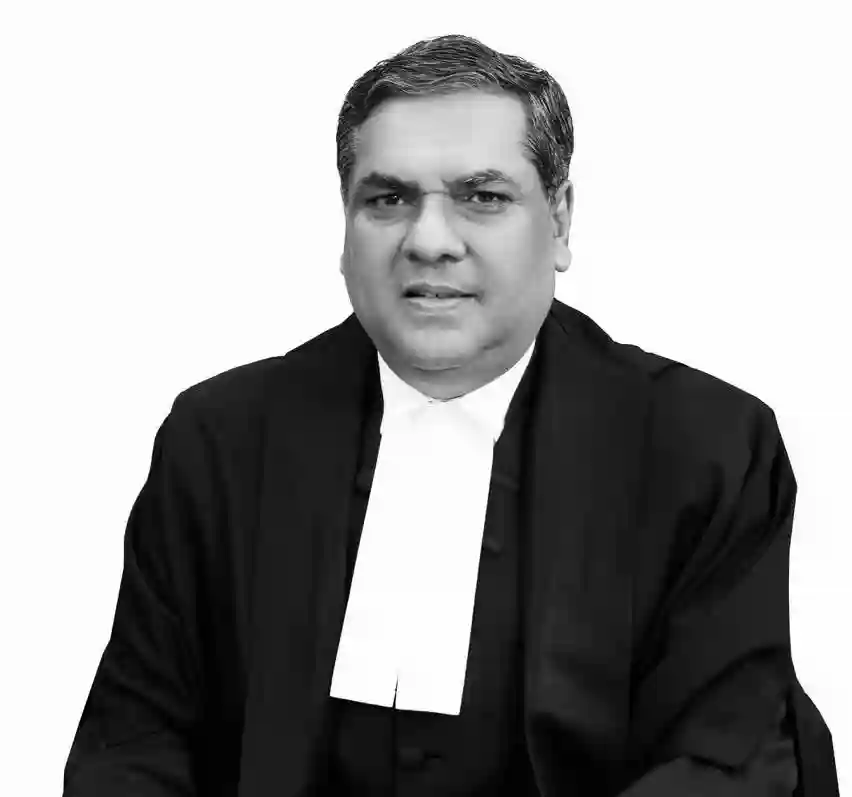
At its meeting on March 6, 2025, the Collegium deliberated on appointments to the Supreme Court, assessing merit, integrity, and seniority. It unanimously recommended Justice Joymalya Bagchi, currently a Judge of the Calcutta High Court, for elevation. Given the expected retirements, Justice Bagchi is now set to assume the position of Chief Justice of India upon the retirement of Justice K.V. Viswanathan on May 25, 2031, until his own retirement on October 2, 2031.
An Unusual Move in Judicial Appointments
While the elevation of Supreme Court Judges is within the Collegium’s purview, the recommendation for Chief Justice is traditionally made by the sitting Chief Justice of India based on seniority at the time of vacancy. By effectively pre-selecting a future CJI, this decision raises concerns about whether the Collegium is overstepping its role.
Justice Bagchi, who has served over 13 years as a High Court Judge, was originally appointed to the Calcutta High Court in June 2011, briefly transferred to Andhra Pradesh in 2021, and repatriated to Calcutta later that year. The Collegium also noted that he ranks 11th in all-India seniority among High Court Judges and that the Supreme Court currently has only one representative from the Calcutta High Court.
A Rare Precedent in Judicial History
Notably, no Chief Justice from the Calcutta High Court has been appointed since Justice Altamas Kabir’s retirement in 2013. While Justice Bagchi’s elevation strengthens regional representation, the early identification of a future CJI raises concerns about whether such preemptive decisions could impact the institutional process of selection.
By virtually deciding the Chief Justice of India for 2031, the Collegium has set a precedent that may spark debate on the autonomy of future Chief Justices in making such appointments.