Date: 10th March 2025
U.S. Bitcoin Reserve: A Game-Changer for Global Finance
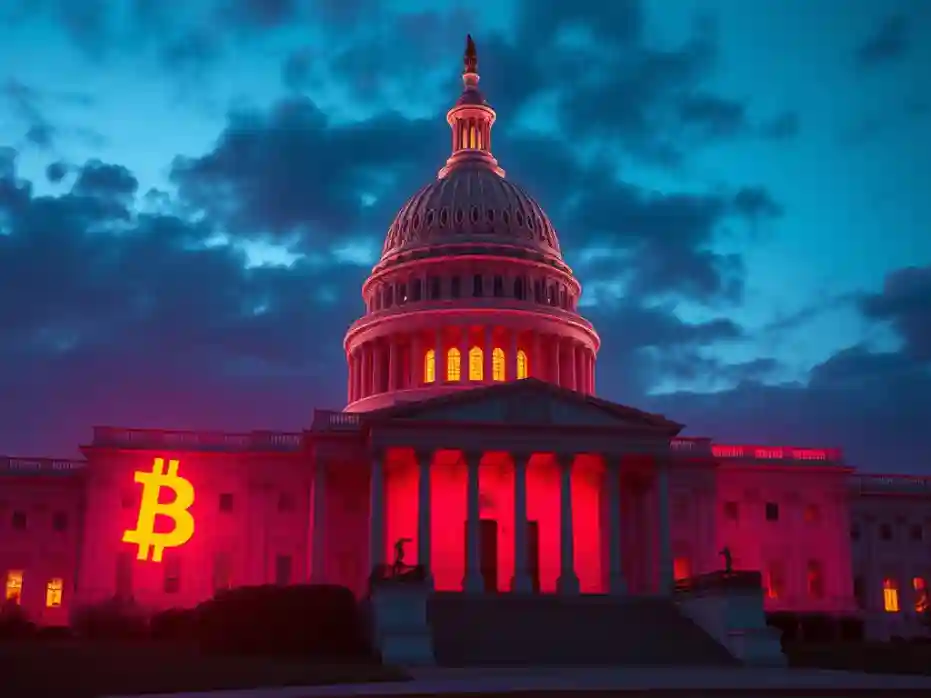
The recent executive order dated March 6, 2025, by U.S. President Donald Trump, establishing a Strategic Bitcoin Reserve and a United States Digital Asset Stockpile, marks a historic moment in global financial policy. For the first time, a major world power has officially recognized Bitcoin as a strategic asset—comparable to gold—and committed to preserving it as part of national reserves. This move could have far-reaching implications for the global financial system, the status of the U.S. dollar, and the future of digital assets worldwide.
Bitcoin Gains Official Recognition
Bitcoin, once dismissed by traditional financial institutions as a speculative asset or even a tool for illicit transactions, is now being embraced at the highest level of governance. The U.S. has acknowledged Bitcoin’s scarcity, security, and resilience—factors that make it an attractive store of value. By preventing the sale of government-owned BTC and positioning it as a reserve asset, the U.S. is signaling to the world that digital currencies are here to stay.
Moreover, the executive order recognizes the need for a structured Digital Asset Stockpile, where confiscated cryptocurrencies other than Bitcoin will be managed with a long-term strategy. This move demonstrates regulatory maturity—a shift from treating digital assets as legal nuisances to recognizing them as valuable national resources.
The Global Impact: A Financial Shift in the Making?
The establishment of a national Bitcoin reserve could accelerate global Bitcoin adoption. Countries around the world are already racing to regulate and integrate cryptocurrencies into their economies. With the U.S. taking the lead, we can expect the following:
✅ Other Nations Will Follow: When a superpower adopts a technology or asset as a strategic priority, others take notice. Countries like Germany, Japan, and the UAE have already warmed up to Bitcoin, and this executive order will only push them to formalize their policies.
✅ Institutional Confidence Will Grow: Large financial institutions—many of which were hesitant about Bitcoin due to regulatory uncertainty—may now feel encouraged to increase their Bitcoin holdings as part of their portfolio strategies.
✅ Geopolitical Financial Competition: If Bitcoin is indeed “digital gold,” then having a significant reserve could give the U.S. a geopolitical advantage in the financial system. Other global powers, especially China and Russia, may respond by accelerating their own digital currency strategies, whether through Bitcoin or Central Bank Digital Currencies (CBDCs).
India and Asia Must Take Notice
While the U.S. is moving forward, Asian economies, including India, should take this as a wake-up call. Despite India’s thriving cryptocurrency ecosystem, regulatory uncertainty still looms large. The Reserve Bank of India (RBI) has historically been skeptical of private cryptocurrencies, but this order proves that Bitcoin is no longer just an asset for speculators—it is now a strategic reserve asset.
If India continues to ignore or excessively regulate Bitcoin, it risks missing out on the next major global financial transformation. Instead of banning or restricting digital assets, India and other Asian economies should consider:
🔹 Developing their own Bitcoin reserves to ensure financial sovereignty in a changing global economy.
🔹 Creating clear regulatory frameworks that balance innovation with consumer protection.
🔹 Encouraging institutional participation so that the financial sector can integrate digital assets seamlessly.
A Defining Moment for the Future of Finance
The U.S. has taken a bold step toward recognizing Bitcoin as a legitimate financial and strategic asset. Whether this will lead to wider global adoption or increased geopolitical competition remains to be seen. However, one thing is clear—nations that fail to adapt to the digital asset revolution may find themselves at a disadvantage in the evolving financial landscape.
For India and other Asian economies, the question is no longer “Should we regulate Bitcoin?” but rather “How can we strategically integrate it into our national financial reserves?” The world is changing, and those who act now will shape the future of finance.