India’s Internal and External Intelligence System
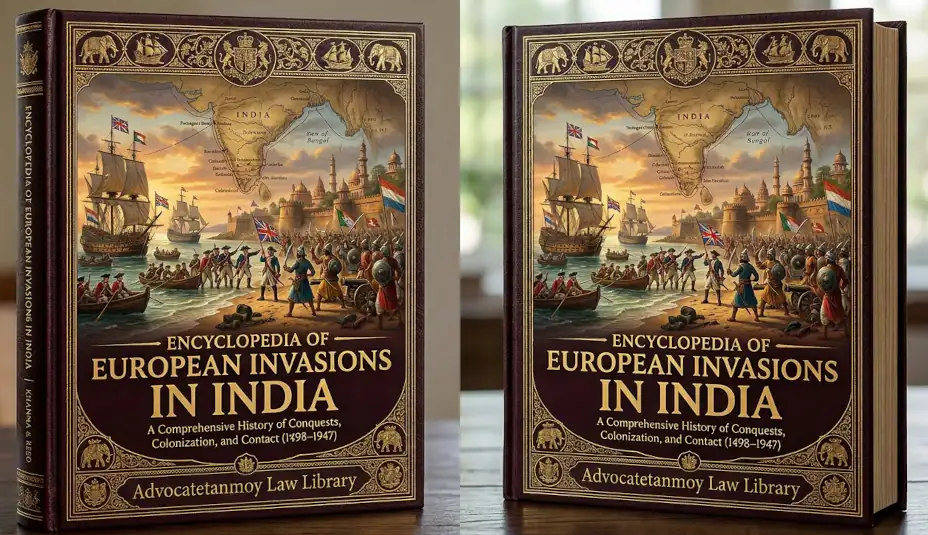
Encyclopedia of Indian Economy
India Remained India: A Civilizational Testament
Political sovereignty in India changed repeatedly, but the underlying civilization demonstrated a remarkable capacity for continuity, adaptation, and renewal. Dynasties fell, foreign powers ruled, and social structures evolved, yet many cultural traditions, sacred geographies, philosophical schools, languages, and religious practices persisted across centuries.
Trade became empire; empire sought dominion over land, wealth, faith, and memory; resistance transformed colonial subjects into architects of liberation.
Political empires rose and fell across the Indian subcontinent, but India’s civilizational identity endured. Whether interpreted through Dharma, sacred geography, cultural continuity, or social institutions, this enduring civilizational consciousness forms one influential explanation for why foreign powers—from ancient invaders to European colonial empires—could govern India for periods of time, yet could not erase or permanently replace the underlying civilization. (See Meta-Civilizational Architecture)
The history of India is not merely the history of kingdoms, dynasties, or invasions. It is the history of a civilization that repeatedly encountered foreign political powers, absorbed external influences, resisted domination, and reconstituted itself through enduring cultural, religious, and social institutions. The survival of Indian civilization despite successive periods of political subjugation constitutes one of the central historical questions of this encyclopedia.
Empires came seeking spices, wealth, converts, markets, and dominion. Some conquered territories; others built forts, churches, factories, and administrative systems. Yet beneath political change endured a civilizational matrix of sacred geography, memory, ritual, language, and Dharma. Whether interpreted as cultural continuity, civilizational resilience, or Vedic consciousness, this enduring foundation forms one of the most significant explanations for why India was ruled by foreign powers at different moments in history, yet was never permanently transformed into something other than itself.
Why Did India Survive?
Why:
- Egypt became Arabized.
- Persia became Islamized while preserving Persian culture.
- The Americas became largely settler societies.
- Many ancient civilizations disappeared.
Yet India:
- Preserved numerous ancient traditions.
- Retained sacred sites.
- Preserved classical languages and texts.
- Sustained diverse philosophical schools.
- Many social and religious practices continued across centuries.
Different historians offer different explanations—demography, geography, social institutions, religious traditions, cultural adaptability, and civilizational memory.
Volume I: The Indian World Before European Arrival
Synopsis
This volume establishes the political, economic, military, and cultural conditions of India and neighboring regions before European arrival. It challenges simplistic colonial narratives that portrayed India as stagnant or uncivilized.
Chapters
- Geography of the Indian Subcontinent
- What is India?
- What is Dharma?
- What gave India continuity across millennia?
- Ancient and Medieval Indian States
- Kuru Empire
- Magadh Empire
- Maurya Empire
- Gupta Empire
- Vijayanagara
- Islamic Rule in India
- Economic Prosperity of India
- Textile industries
- Steel production
- Shipbuilding
- Global GDP share
- Religious and Cultural Diversity
- Sanathan Dharma
- Hinduism
- Buddhism
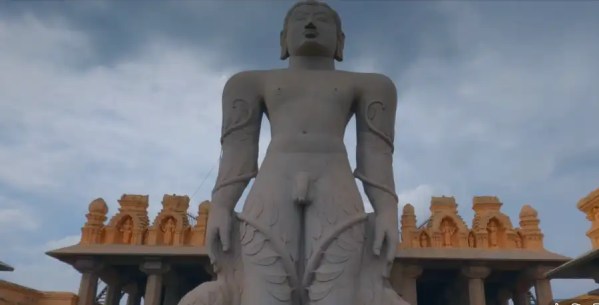
- Jainism
Volume II: Arrival of Europeans (1498–1650)
Synopsis
This volume covers the arrival of Europeans by sea and the beginning of trade monopolies and naval warfare.
Chapters
- Portuguese Arrival
- Sea Pirate and Slave Trader Vasco da Gama
- Naval warfare
- Portuguese Missionaries
- Portuguese Estado da India
Colonies:
- Goa
- Daman
- Diu
- The Dutch
- Dutch East India Company
- Spice trade
- Coromandel coast
- Danish Presence
- Danish East India Company
- Tranquebar colony
Volume III: The Portuguese Invasion and Religious Persecution
Synopsis
A detailed study of Portuguese colonialism and missionary activities.
Chapters
- Colonial Administration in Goa
- Missionaries
- Francis Xavier and His Atrocities
- The Goa Inquisition
- Force Conversion policies
- Force Conversion Nestorian Christians
- Religious trials
- Restrictions on Hindu practices
- Destruction of Hindu Temples Under Portuguese Rule
- Temple destruction and plundering of temple properties
- Reconstruction
- Legacy of Rishi Parshuram in Goa and Goa’s Hindu Heritage
- Rise of Contemporary Hindu Consciousness
- Contemporary Debates on Rice Bag Converts
The French in India: Commerce, Empire, and Defeat (1664–1954)
Part I – Origins
- Establishment of the French East India Company in 1664.
- Sponsorship by Jean-Baptiste Colbert under the reign of Louis XIV.
- Objectives:
- Spice trade
- Textile trade
- Competition with Dutch and English companies
- Imperial expansion
Part II – French Settlements
Major settlements:
- Pondicherry
- Chandernagore
- Karikal
- Mahé
- Yanam
For each:
- Date acquired
- Relations with Indian rulers
- Administration
- Religion
- Economy
- Demography
- Liberation
Part III – French Imperial Ambitions
The encyclopedia should explain that the French were not merely traders.
Their ambition was:
- Territorial expansion
- Alliances with Indian states
- Building armies
- Controlling South India
Part IV – The Age of
Joseph François Dupleix
This chapter is essential.
Topics:
- Vision of a French Indian Empire
- Alliances with Indian rulers
- Expansion in the Carnatic
- Military reforms
- Diplomacy
Some historians argue that if Dupleix had succeeded, India might have become predominantly French rather than British.
Part V – The Carnatic Wars
Detailed treatment of:
- First Carnatic War
- Second Carnatic War
- Third Carnatic War
Discuss:
- French strategy
- British strategy
- Indian allies
- Military innovations
Part VI – Robert Clive versus Joseph François Dupleix
Part VII – French Religion and Missionaries
- Catholic missions
- Jesuits in India
- Mission schools
- Interaction with Hindus
- Relations with local rulers
Compare with:
- Portuguese missionary policies
- British Protestant missions
Part VIII – Why the French Lost India
Investigate:
- Weak French naval power
- Limited finances
- Internal politics in France
- British naval superiority
- East India Company resources
- Outcomes of European wars
Part IX – Survival of French India
Even after losing imperial ambitions, France retained:
- Pondicherry
- Karikal
- Mahé
- Yanam
- Chandernagore
until the mid-20th century.
Part X – Liberation and Integration
Study:
- Referendums
- Political movements
- Transfer to independent India
- French withdrawal
Volume IV: British, Dutch, and Danish Invasion using Corporations
Synopsis
The rise of a trading corporation into an empire.
Chapters
- Creation of the East India Company (December 31, 1600)
- Arrival of the East Indian Company 1608
- Trading factories
- Surat
- Madras
- Bombay
- Calcutta
- Battle of Plassey
- Governor Clive
- Raja Krishna Chandra of Nadia
- Battle of Buxar
Corporate Rule
- Revenue systems
- Corruption
- Mir Qasim`s Firearm factory at Munger (1760
- Import of British guns in India (1765) by BEIC
- Military expansion
- Board of Ordnance at Fort William, Kolkata (1775)
- Ammunition laboratories at Fort William
- Gun & Shell Factory, Cossipore (1802)
- The British crushed Maratha artillery manufacturing (1805)
- Indian Arms Act of 1878
- British (1947) handed over 18 ordnance factories to the Indian Ministry of Defence.
Dutch Settlements in India
The Rise of the VOC (1602), the world’s first multinational corporation
Dutch East India Company
Bengal
- Chinsurah
- Kasimbazar
- Patna
Coromandel Coast
- Pulicat
- Nagapattinam
Malabar Coast
- Cochin
- Quilon
For each:
- Administration
- Trade
- Relations with Indian rulers
- Religious policy
- Military power
Dutch Trade Monopolies
Trade:
- Pepper
- Cardamom
- Cinnamon
- Indigo
- Saltpetre
- Bengal textiles
- Opium
Dutch Wars
- Dutch-Portuguese Wars
- Dutch-English rivalry
- Conflicts with Indian rulers
Dutch Religious Policy
- Less missionary zeal
- Greater commercial focus
- Limited conversions
- Protestant background
The Danish East India Company
Danish East India Company (1616)
- Textile trade
- Pepper
- Spice trade
- Competition with Dutch and English merchants
Danish India
Main colony at Tranquebar
Topics:
- Acquisition from local rulers
- Administration
- Economy
- Architecture
- Religious life
Danish Missionaries
The Danish missions produced:
- Tamil dictionaries
- Printing presses
- Bible translations
- Schools
Important figures:
- Bartholomäus Ziegenbalg
- Heinrich Plütschau
Danish in Bengal
Serampore
Topics:
- Printing presses
- Education
- Christian missions
- Intellectual exchange
Swedish East India Company
Topics:
- Trade with India
- Bengal commerce
- Swedish merchants
- Relations with Indian ports
Volume V: Economic Exploitation and Social Transformation
Synopsis
Examines the economic consequences of colonialism.
Chapters
- Drain of Wealth Theory
- Dadabhai Naoroji
- Destruction of Indian Agriculture
- Destruction of the Vedic Gurukul System of Education
- Destruction and Transformation of Industries
- Textiles
- Handicrafts
- Shipping
- Famines Under Colonial Rule
- Great Bengal Famine of 1770
- Great Famine of 1876–1878
- Bengal Famine of 1943
Textiles
- Taxation Policies
- Bengal muslin
- Dhaka weaving
- Cotton industry
Shipbuilding
- Bombay dockyards
- Bengal shipyards
Steel
- Wootz steel
- Indian metallurgy
How Europeans documented, translated, modified, or appropriated:
- Indian Mathematics
- Decimal system
- Algebra
- Astronomy
- Medicine
- Ayurveda
- Surgery
- Herbal medicine
- Metallurgy
- Zinc distillation
- Wootz steel
- Textiles
- Muslin
- Dyes
- Weaving technologies
Volume VI: Religion, Missionaries, and Cultural Conflict
Synopsis
A balanced examination of religious interactions.
Chapters
- Catholic Missions
- Protestant Missions
- Education Policies
- Conversions and Resistance
- Orchestrated Hindu Reformation
- Brahmo Samaj
- Arya Samaj
- Siddhanta Saraswati (1874–1936) and the Neo-Goudiya Movement
- Re-reading of the Bhagavat Gita
- Re-reading of Manu Samhita
- Re-reading of Kautilya`s Artha Shastra
- Orientalism and Knowledge Production
- Fort William College (1800–1854)
- Bishop’s College at Howrah
- Serampore College
Volume VII: Colonial Historiography and the Construction of Indian History
Synopsis
Explores how colonial scholars interpreted India’s past.
Chapters
Orientalism and Historiography
- James Mill and the History of British India
- Vincent Arthur Smith
- Thomas Babington Macaulay and education policy
- Aryan Migration/Origin Debates
- Colonial Archaeology
- Nationalist Responses
- Re-reading of the Vedas by Dayananda Saraswati
- R. C. Majumdar
- Jadunath Sarkar
Volume VIII: Resistance and Restoration
Synopsis
A comprehensive account of anti-colonial resistance.
Chapters
- Early Resistance
- Rani Abbakka Chowta
- Kittur Chennamma
- Veerapandiya Kattabomman,
- Pazhassi Raja Rani
- Lakshmibai
- Tatya Tope
- Indian National War Against the Invasion Regime 1857
- Indian Congress Movement ( 1885 – 1948)
- Womesh Chandra Bonnerje
- Bal Gangadhar Tilak
- Bipin Chandra Pal
- Lala Lajpat Rai
- Vinayak Damodar Savarkar
- Sri Aurobindo
- Birth of Rastriya Sayam Sevak Samhga
- Inauguration of Benaras Hindu University (1916)
Volume IX: Other European Powers in the Wider Indian Region
Synopsis
Beyond Britain and Portugal.
Chapters
French East India Company
Colonies:
- Pondicherry
- Chandernagore
- Karikal
- Dutch Colonies
- Danish Colonies
- European Influence in
- Afghanistan
- Myanmar
Volume X: European Invaders Rule in India
Colonial Laws
Revenue Laws
- Permanent Settlement
- Ryotwari System
- Mahalwari System
Criminal Laws
- Sedition laws
- Press restrictions
- Arms restrictions
Religious Legislation
- Conversion laws
- Marriage laws
- Temple administration
Land Acquisition
- Confiscation
- Zamindari policies
- Forest laws
Classification of Indians
European ideas about:
- Race
- Caste
- Tribes
- Religion
- Ethnicity
- Anthropometric surveys
- Census classifications
- Martial race theory
- Criminal tribes theory
Atrocities and Famines
Famines
- Great Bengal Famine of 1770
- Great Famine of 1876–1878
- Bengal Famine of 1943
Include:
- Mortality estimates
- Administrative responses
- Historiographical debates
- Economic causes
Colonial Wars
Portuguese Wars
- Conquest of Goa
- Siege of Diu
- Conflicts with Indian kingdoms
British Wars
- Battle of Plassey
- Battle of Buxar
- Anglo-Mysore Wars
- Anglo-Maratha Wars
- First Anglo-Sikh War
- Second Anglo-Sikh War
Volume XI: Decolonization, Memory, and Legacy
Synopsis
The final volume studies the restoration of the Motherland and the enduring effects of colonial rule.
Chapters
- Independence of India
- Partition of Bharat Bhumi and Birth of Pakistan
- Persecution of Hindus in West Pakistan and East Pakistan
- Liberation of Portuguese Colonies
- Annexation of Goa
- Chandan Nagar
- Partition and Aftermath
- Colonial Monuments and Memory
- Reparations Debate
- Colonialism in Modern Historical Consciousness
Volume XII: A Hindu Plan to Oust European Invaders and Vedic Civilizational Continuity
Why did European colonial powers rule large parts of India for centuries, yet fail to permanently transform India into a settler civilization as happened in parts of the Americas?
Throughout Indian history, a persistent civilizational consciousness rooted in Dharma, sacred geography, cultural memory, social institutions, and indigenous traditions repeatedly enabled Indian society to resist, absorb, or ultimately overcome foreign political domination.
The Grand Bharatiya Civilizational (Sabhyata) Architecture
- Rama – Dharma restored.
- Krishna – Dharma defended through wisdom and strategy.
- Chanakya – Political unity and statecraft.
- Gupta Era – Civilizational flowering.
- Vijayanagara – Southern cultural revival.
- Shivaji – Political resurgence.
- Sikh Empire – Military sovereignty
- Siddhanta Saraswati – Abhay Charan Bhaktivedanta: Globalization Prem-Bhakti
Contemporary India
- Debate over the meaning of civilizational identity
- History of Ancient and Modern India
- Contemporary Indian Politics
Part I: Ancient Archetypes of Dharma and Resistance
The Rama Paradigm
- Ramayana
- Restoration of dharma.
- Recovery of sacred order.
- Ideal kingship.
The Krishna Paradigm
- Mahabharata
- Dharma versus adharma.
- Strategic statecraft.
- Political realignment.
Part II: Statecraft and Civilizational Defence
Study:
- Devavrata Vishma of the Kuru Dynasty
- Chanakya
- Chandragupta Maurya
Themes:
- Indigenous political consolidation.
- Resistance to foreign domination.
- State formation as civilizational defence.
Part III: Religious Transformations in India
- Decline of institutional Buddhism.
- Assimilation of Buddhist ideas into Hindu traditions.
- Political changes.
- Monastic decline.
- Islamic invasions and destruction of monasteries in the North-west regions.
- Regional variations.
Part IV: Medieval Resistance
The Vijayanagara Idea
Vijayanagara Empire
Topics:
- Sacred kingship.
- Temple patronage.
- Resistance against neighboring powers.
- Preservation of Sanskrit and regional traditions.
- Sayan Bhashyam of Sayana
The Maratha Movement
Shivaji
- Swarajya.
- Hindu kingship.
- Military innovation.
- Administration.
- Religious policy.
Sikh Sovereignty
Maharaja Ranjit Singh
- State building.
- Religious pluralism.
- Military modernization.
- Defence against foreign invasions.
Part V: Bengal and the End of Islam
The events surrounding:
- Chaitanya Mahaprabhu and His Struggle to Counter Islam
- Battle of Plassey
- Mir Jafar
- Bankim Chandra and Vandemataram
Bengal Politics
- Internal political rivalries.
- Merchant interests.
- European intervention.
- Collapse of regional sovereignty.
Part VII: Why Europeans Left India
1. Economic Exhaustion
After:
- World War I
- World War II
Britain was financially weakened.
2. Political Mobilization
Study:
- Indian Political Consciousness
- Mass movements.
- Constitutional politics.
- Why did the partition occur?
- Could it have been avoided?
- Was the Congress movement successful or incomplete?
- Whether Indian Constitution reflect the Civilizational aspiration?
Part IX: Contemporary Civilizational Narratives
- Rashtriya Swayamsevak Sangh
- Bharatiya Janata Party
- Hindu Nationalism
- Cultural Nationalism.
- Struggle for Hindu Rastra
Re-interpretation of Encounters with Foreign Powers
Ancient
- Achaemenids
- Greeks
- Indo-Greeks
- Scythians
- Kushans
Medieval
- Ghaznavids
- Ghurids
- Delhi Sultanate
- Mughals
European
- Portugal
- Netherlands
- France
- United Kingdom
- Denmark
Appendix – I
- Chronology: 1498–1961
- Maps of all European colonies
- Governors and Viceroys
- East India Companies comparison table
- Missionary organizations
- Forts and trading posts
- Major battles
- Temple destructions and reconstructions with primary sources
- Famine statistics
- Bibliography of colonial and postcolonial historians
Appendix – II
Royal charters granted to East India companies
Letters of governors and viceroys
Trade agreements with Indian rulers
Missionary correspondence
Court records
Revenue documents
Travel accounts
Military dispatches
Parliamentary debates on India
Indian petitions and resistance proclamations
Charter of the East India Company
Macaulay’s Minute on Education
Queen Victoria’s Proclamation