Encyclopedia of Dalit Christians and Their Theology
Crisis of Caste Practice within Christian Community lives in India
The rise of Dalit Theology in India during the late twentieth century emerged from a profound and unresolved contradiction within Indian Christianity itself. The contradiction was not merely theological but institutional, social, educational, economic, and ecclesiastical. Although Christianity preached the spiritual equality of all believers before God, many lower-caste Christians increasingly argued during the 1970s and 1980s that actual church structures in India continued to reproduce forms of caste hierarchy, social exclusion, and institutional domination inherited from the wider fragmented European social order, accustomed with the practice of slavery. The origins of Dalit theology therefore lay not simply in abstract doctrinal reflection, but in accumulated experiences of discrimination inside churches, seminaries, diocesan offices, mission schools, hospitals, and church-controlled administrative systems.
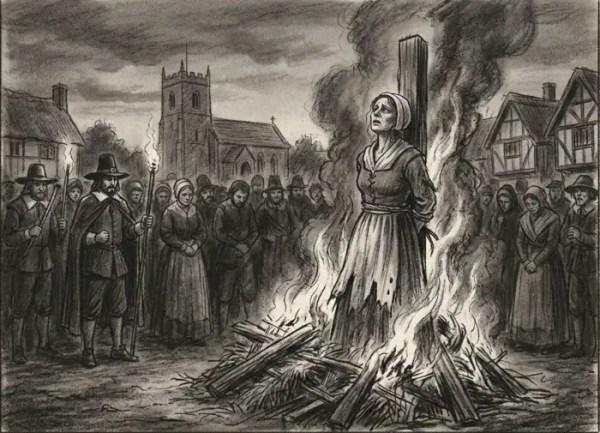
Certain nineteenth-century clergy and theologians used passages from the New Testament, especially Pauline household codes, to justify or tolerate systems of slavery within European and American colonial societies.
The historical roots of this crisis extended back into the Indian colonial period. Between approximately 1850 and 1900, Protestant and Catholic missionary societies operating in Bengal, Madras Presidency, Travancore, Chotanagpur, Punjab, and Bombay Presidency initially devoted significant effort toward the conversion of educated upper-caste Hindus, especially Brahmins and Kayasthas. Missionary circles often believed that elite conversion would produce a wider cultural transformation. In urban colonial centres such as Calcutta, particularly around Park Street, a small English-educated Christian middle class gradually emerged under British influence. These communities frequently adopted European styles of dress, English education, western church music, clerical occupations, and colonial bureaucratic culture. Over time an identifiable Christian urban elite developed, connected to mission schools, government employment, church property administration, and English-speaking institutional networks.
By the late nineteenth and early twentieth centuries, however, missionary strategy increasingly shifted toward large-scale conversion among poor agricultural labourers, tribal populations, sanitation workers, leather-working communities, and socially marginalised castes, especially in Tamil Nadu, Andhra, Chotanagpur, and parts of Central India. Missionaries often presented Christianity as a path toward literacy, dignity, employment, institutional support, and liberation from social humiliation. In certain regions conversion did produce educational advancement and limited social mobility. Nevertheless, many converted communities later argued that the social promises associated with missionary expansion remained only partially fulfilled.
By the mid-twentieth century, particularly after Indian independence in 1947, lower-caste Christian communities increasingly observed that important church structures frequently remained under the control of historically privileged Christian groups. Complaints emerged regarding unequal access to church administration, property management, clerical appointments, seminary leadership, missionary institutions, school managements, hospital boards, and church-connected NGOs. In numerous regions lower-caste Christians remained concentrated in subordinate occupations connected with church institutions, including drivers, gardeners, cleaners, caretakers, cemetery workers, and low-level service positions. At the same time elite missionary schools and prestigious English-medium educational institutions often remained socially inaccessible to poorer Christian populations who lacked financial resources, cultural capital, or ecclesiastical patronage networks.
The educational divide became especially visible in metropolitan centres such as Calcutta, Madras, Bangalore, and Bombay. Prestigious Christian schools and colleges frequently served urban upper-class and upper-caste populations, while poorer Christians were directed toward low-resource vernacular institutions. A growing number of lower-caste Christian teachers and seminarians began questioning whether the institutional church had merely reproduced the social stratifications of colonial society under theological language. Many asked a direct question: what social transformation had Christianity actually brought to converted labouring communities if caste distinctions, educational inequality, and exclusion from authority continued after baptism?
Simultaneously, criticism developed concerning the nature of Indian Christian theology itself. By the 1970s most theological materials circulating in seminaries were written either by European missionaries or by Indian upper-caste theologians educated within western academic systems. Younger seminary teachers increasingly argued that Indian theology remained excessively dependent upon Sanskritic philosophical categories, elite ecclesiastical discourse, European metaphysics, and socially insulated academic frameworks. According to these critics, theology in India spoke extensively about incarnation, sacraments, Trinity, ecclesiology, and salvation, yet remained largely silent regarding humiliation, labour exploitation, caste violence, segregated congregations, and institutional discrimination experienced by poor Christians.
During the late 1970s and early 1980s, particularly in theological centres associated with South Indian seminaries and ecumenical movements, a section of Christian teachers began identifying themselves as Dalit theologians. Initially the movement lacked systematic structure. Early writings circulated mainly through pamphlets, mimeographed essays, conference notes, newsletters, and seminary discussions. Their central theme was direct and confrontational: lower-caste Christians remained oppressed within Christian institutions by socially dominant sections of the Christian community itself. The earliest formulations were often sociological rather than doctrinal. They emerged from institutional frustration rather than from fully developed theological systems.
In the second phase during the late 1980s and especially the 1990s, Dalit theological discourse became more theoretically articulated. Writers increasingly argued that theology in India must begin not with upper-caste philosophical assumptions but with the lived experiences of the oppressed. Criticism focused upon what Dalit theologians described as upper-caste frameworks, Brahmanical intellectual categories, and elite academic concerns dominating Indian Christian thought. Influences from Latin American liberation theology, Black theology in the United States, postcolonial studies, and anti-caste politics associated with B. R. Ambedkar contributed to this transformation.
Many Dalit theologians draw heavily upon the anti-caste analysis of B. R. Ambedkar, especially his critique of Brahmanism, caste hierarchy, social exclusion, and ritual inequality. However, critics argue that these theologians often engage selectively with Ambedkar’s thought. They embrace his criticisms of caste in Hindu society while giving comparatively less attention to his criticisms of Christianity, missionary activity, and the persistence of caste among Indian Christians. (read Caste In India)
Dalit theologians sometimes reduce Ambedkar to an anti-Brahmanical thinker while overlooking his criticisms of Christianity and missionary claims
Theological reinterpretation now expanded beyond institutional complaint. Dalit theologians increasingly described Jesus as identified with the broken, humiliated, excluded, and untouchable sections of society. Biblical narratives such as the suffering of Israel in Egypt and the crucifixion of Jesus outside the city walls were reinterpreted through the lens of caste oppression. Terms such as Dalit Christology, liberation, social justice, reservation, Tamil Dalit Christianity, oppression, and human dignity entered theological vocabulary. Theology was no longer presented merely as doctrinal reflection but as a reconstruction of Christian thought from the perspective of suffering communities.
Dalit theological method also became increasingly systematised. The movement proposed that theology should proceed through several stages: beginning with the lived experience of oppressed communities, analysing caste structures socially and historically, re-reading scripture from the perspective of exclusion, reconstructing doctrine through liberationist interpretation, and finally transforming church and society through praxis-oriented action. In this framework theology became inseparable from institutional criticism and social activism.
The rise of Dalit theology also intersected with constitutional and political debates concerning reservation policies. Dalit Christian organisations argued that conversion did not erase social discrimination and therefore exclusion of Dalit Christians from certain Scheduled Caste reservation categories represented a continuing injustice. By the late 1990s Dalit theology had expanded into conferences, journals, doctoral dissertations, activist networks, ecumenical organisations, and church-sponsored NGOs with international funding support.
At the same time the movement generated substantial criticism. Conservative Catholic and Protestant scholars questioned whether Dalit theology constituted theology in the classical sense or whether it functioned primarily as ecclesiastical protest discourse shaped by identity politics and institutional grievances. Critics argued that the movement often replaced sacramental theology and metaphysical doctrine with sociological activism. Some also observed that internal conflicts within Christian communities were increasingly redirected toward broader political confrontations involving the Indian state, caste politics, and Hindu society. (see Christian Theology)
The debate surrounding Dalit theology therefore became larger than a theological disagreement. It evolved into a wider dispute concerning the meaning of conversion, the persistence of caste after baptism, the social legacy of missionary Christianity, the relationship between theology and politics, and the future of Christianity in India itself. While missionary expansion had established extensive educational and medical institutions across India, Christianity nevertheless remained a demographic minority, and in several urban regions—including Calcutta—the Christian population declined during the late twentieth century. Simultaneously, some upper-caste Christian intellectuals returned toward Hindu philosophical traditions, in this regard we can remember Brahmabandhab Upadhyay who reconverted to Sanatan Dharma after performing Prayaschitta in river Ganges.
This encyclopedia approaches Dalit theology neither as unquestionable sacred doctrine nor as a phenomenon to be dismissed through apologetic language. Rather, it treats Dalit theology as a significant intellectual and institutional development emerging from unresolved conflicts concerning caste practice within Indian Christianity after the 1970s. The purpose of this five-volume project is to document the debates, pamphlets, seminaries, personalities, institutional struggles, ideological transformations, political interventions, and theological arguments connected with the rise of Dalit theology in modern India. The encyclopedia further recognises that the controversy surrounding Dalit theology reflects a larger historical crisis concerning equality, authority, social mobility, institutional credibility, and the unfinished encounter between Christianity and caste culture within the Ecclesiastical Pattern in the Indian subcontinent. (See Contemporary Indian Politics)
Before formulating the central thesis of the Encyclopedia of Dalit Christians and Their Theology: Crisis of Caste Practice within the Indian Christian Community, the editorial board undertook a thorough examination of the major primary and secondary works associated with the development of Dalit theology in India. These studies collectively reveal that Dalit theology emerged from the growing realization during the late twentieth century that caste oppression persisted even within Christian communities, where Dalit Christians continued to experience exclusion, discrimination, unequal institutional access, and social marginalization despite conversion to Christianity.
In response to these conditions, Dalit theologians attempted to reconstruct Christian faith from the perspective of the oppressed, arguing that the Gospel demanded liberation, dignity, equality, and resistance against caste hierarchy both in society and within the church itself. The present encyclopedia has carefully studied foundational works including Arvind P. Nirmal and V. Devasahayam’s A Reader in Dalit Theology (1990); V. Devasahayam’s Outside the Camp: Bible Studies in Dalit Perspective (1992), Doing Dalit Theology in Biblical Key (1997), and the monumental Frontiers of Dalit Theology (1997); M. Azariah’s A Pastor’s Search for Dalit Theology (2002); Peniel Rajkumar’s Dalit Theology and Dalit Liberation (2010); Keith Hebden’s Dalit Theology and Christian Anarchism (2011); Y. T. Vinayaraj’s Re-imagining Dalit Theology (2010) and Dalit Theology after Continental Philosophy (2016); Anderson H. M. Jeremiah’s Community and Worldview among Paraiyars of South India (2012); and Jobymon Skaria’s Dalit Theology, Boundary Crossings, and Liberation in India (2022).
Critics of Dalit theology argued that the movement transformed theological discourse into ecclesiastical identity politics and institutional protest.
Through critical engagement with these texts, this encyclopedia situates Dalit theology not merely as a devotional or ecclesiastical movement, but as a socio-political response to the unresolved crisis of caste within Christians live in India.
Schema of the Encyclopedia of Dalit Christians and Their Theology
Volume I: Historical Foundations: Caste, Colonialism, and Dalit Christianity
Volume II: Foundations of Dalit Theology
Volume III: Dalit Theology in Dialogue
Volume IV: Lived Faith, Culture, and Resistance
Volume V: Contemporary Debates and Future Directions
Sarvarthapedia Conceptual Network : Dalit Theology of Christians Live in India
Central Node
- Dalit Theology
- Ontology
- Encyclopedia of Indian Economy
- Historical Critiques of Christianity and Christian Theology
See also
Caste within Christians live in India
Ecclesiastical Hierarchy
Missionary Christianity in India
Liberation Theology
Dalit Christology
Church Administration
Reservation Debate
Seminary Politics
Conversion and Social Mobility
Institutional Christianity
Brahmanical Knowledge Framework
Christian Minority Politics
Theology and Social Activism
Ecclesiastical Identity Politics
Historical Foundations Cluster
Colonial Missionary Expansion in India
Connected concepts
British Colonialism
Portuguese Missions in India
Catholic Missions
Protestant Missions
Missionary Education
Conversion Movements
Mission Schools
Colonial Bureaucratic Christianity
Church Property Administration
Urban Christian Elites
Regional links
Bengal Presidency
Madras Presidency
Travancore
Chotanagpur
Punjab
Bombay Presidency
Calcutta
Park Street Christianity
Related debates
Elite Conversion Theory
Mass Conversion Strategy
Christianisation and Colonial Modernity
Conversion versus Social Equality
Missionary Promises and Institutional Reality
Elite Christian Formation
Connected concepts
English-Educated Christian Middle Class
Upper-Caste Christian Networks
European Cultural Influence
Colonial Clerical Culture
Missionary Patronage
Ecclesiastical Bureaucracy
English-Medium Christian Education
See also
Christian Urban Elites
Church Employment Networks
Colonial Cultural Mimicry
Western Church Music
Government Service under British Rule
Educational Privilege
- High Church Culture
- Anglo-Christian Community
- Marthoma Christian Community
- Church of England
- CSI and CNI Churches
Mass Conversion Movements
Connected concepts
Agricultural Labour Conversion
Tribal Christianity
Dalit Christian Communities
Sanitation Worker Conversion
Leather Worker Communities
Rural Missionary Expansion
Regional clusters
Tamil Nadu Christianity
Andhra Christian Missions
Central Indian Missions
Chotanagpur Christianity
Associated themes
Promise of Dignity
Literacy through Mission Schools
Economic Expectations from Christianity
Incomplete Social Mobility
Church Dependency Structures
Caste Conflict Cluster
Caste within Indian Christianity
Core themes
Segregated Congregations
Unequal Church Access
Social Exclusion after Baptism
Caste Persistence after Conversion
Internal Christian Hierarchy
Ecclesiastical Discrimination
Institutional expressions
Church Administration
Property Management
Seminary Leadership
Missionary Institutions
Hospital Boards
Church NGOs
School Managements
Diocesan Offices
Occupational hierarchy
Drivers
Gardeners
Sweepers
Caretakers
Cemetery Workers
Service-Class Christians
See also
Reservation for Dalit Christians
Christian Social Stratification
Ecclesiastical Power Structures
Institutional Christianity in India
Educational Inequality within Christianity
Connected concepts
Elite Mission Schools
English-Medium Dominance
Vernacular Christian Schools
Educational Segregation
Clerical Patronage Networks
Cultural Capital
Urban case studies
Calcutta
Madras
Bombay
Bangalore
Related debates
Christian Equality versus Institutional Practice
Access to Church Education
Class Formation within Indian Christianity
Intellectual and Theological Cluster
Crisis of Indian Christian Theology
Connected concepts
European Metaphysics
Sanskritic Categories
Elite Ecclesiastical Discourse
Seminary Theology
Imported Theology
Socially Insulated Theology
Criticised themes
Incarnation
Sacraments
Trinity
Ecclesiology
Salvation Theology
Dalit theological criticism
Silence regarding caste violence
Silence regarding humiliation
Silence regarding labour exploitation
Silence regarding segregated congregations
See also
Contextual Theology
Liberationist Hermeneutics
Theology from the Margins
Emergence of Dalit Theology
Historical phase
Late 1970s
1980s Seminary Movements
South Indian Ecumenical Networks
Early forms
Pamphlets
Mimeographed Essays
Conference Notes
Seminary Debates
Church Newsletters
Original central claim
Lower-caste Christians remained oppressed within Christian institutions themselves
Intellectual transformation
From Sociological Protest to Theological Reconstruction
Dalit Christology
Core concepts
Jesus and the Oppressed
Broken Humanity
Humiliation and Crucifixion
Untouchability and Christ
Cross as Social Violence
Biblical Liberation Narratives
Biblical references
Israel in Egypt
Crucifixion outside the City Walls
Prophetic Justice Traditions
Exodus Narrative
Related themes
Liberation
Human Dignity
Social Justice
Resistance Theology
Dalit Theological Method
Methodological stages
Experience of Oppression
Social Analysis
Biblical Re-reading
Doctrinal Reconstruction
Praxis-Oriented Transformation
Connected concepts
Liberation Theology
Praxis
Postcolonial Theology
Contextual Hermeneutics
Political Theology
Intellectual Influence Cluster
Influences upon Dalit Theology
International influences
Latin American Liberation Theology
Black Theology in the United States
Postcolonial Studies
Christian Anarchism
Indian influences
B. R. Ambedkar
Anti-Caste Movements
Dalit Political Assertion
Reservation Politics
See also
Subaltern Studies
Identity Politics
Social Justice Movements
Major Thinkers and Texts Cluster
Arvind P. Nirmal
Connected concepts
Dalit Hermeneutics
Dalit Christology
Theology from the Oppressed Perspective
Major work
A Reader in Dalit Theology (1990)
V. Devasahayam
Connected concepts
Biblical Dalit Perspective
Liberation Hermeneutics
Dalit Biblical Interpretation
Major works
Outside the Camp (1992)
Doing Dalit Theology in Biblical Key (1997)
Frontiers of Dalit Theology (1997)
M. Azariah
Connected concepts
Pastoral Theology
Dalit Ecclesiology
Church Reform
Major work
A Pastor’s Search for Dalit Theology (2002)
Peniel Rajkumar
Connected concepts
Dalit Liberation
Theological Paradigms
Possibilities of Dalit Theology
Major work
Dalit Theology and Dalit Liberation (2010)
Keith Hebden
Connected concepts
Christian Anarchism
Liberation and Anti-Hierarchy
Political Theology
Major work
Dalit Theology and Christian Anarchism (2011)
Y. T. Vinayaraj
Connected concepts
Postmodern Theology
Continental Philosophy
Re-imagining Dalit Theology
Major works
Re-imagining Dalit Theology (2010)
Dalit Theology after Continental Philosophy (2016)
Anderson H. M. Jeremiah
Connected concepts
Paraiyar Community Studies
Lived Religion
South Indian Christian Anthropology
Major work
Community and Worldview among Paraiyars of South India (2012)
Jobymon Skaria
Connected concepts
Boundary Crossings
Biblical Interpretation
Postcolonial Dalit Studies
Major work
Dalit Theology, Boundary Crossings, and Liberation in India (2022)
Political and Institutional Debate Cluster
Reservation Debate
Connected concepts
Scheduled Caste Status
Dalit Christian Rights
Conversion and Reservation
Constitutional Equality
Associated disputes
Persistence of caste after conversion
Legal recognition of Dalit Christians
State policy and religious identity
Theology and Church Politics
Core tensions
Sacred Theology versus Social Activism
Doctrine versus Institutional Protest
Ecclesiastical Identity Politics
Church Activism
Criticisms
Replacement of sacramental theology with sociology
Politicisation of Christian discourse
Institutional grievance frameworks
Criticism Cluster
Critiques of Dalit Theology
Conservative Christian critiques
Loss of metaphysical theology
Reduction of theology to activism
Weak sacramental focus
Identity-centred ecclesiology
Sociological critiques
Dependency upon NGO structures
International funding influence
Institutional protest orientation
Political critiques
Redirection of internal church conflicts toward external political conflicts
Expansion of caste discourse into state politics
Christianity and Decline Debate Cluster
Crisis of Christianity in India
Connected concepts
Demographic Minority Status
Declining Christian Population in Urban India
Rejection of Christianity by Indian Upper Class
Institutional Credibility Crisis
Urban case study
- Calcutta Christianity
- Lack of Social Culture amongst Christians in India
Related themes
Return to Hindu Traditions
Brahmabandhab Upadhyay
Prayaschitta and Reconversion
Christianity and Indian Identity
Meta-Historical Cluster
Sarvarthapedia Interpretation
Central editorial position
Dalit theology as socio-political response
Dalit theology as institutional crisis discourse
Dalit theology as ecclesiastical conflict history
Areas of documentation
Pamphlets
Seminaries
Church Debates
Institutional Struggles
Ideological Transformations
Missionary Structures
Caste Practices within Christianity
Larger historical question
Can Christianity in India reconcile spiritual equality with inherited caste hierarchy inside ecclesiastical institutions?
See also
Ecclesiastical Pattern in India
Church and Social Mobility
Religion and Institutional Power
Caste after Conversion
Christianity and Colonial Modernity
The Future of Indian Christianity