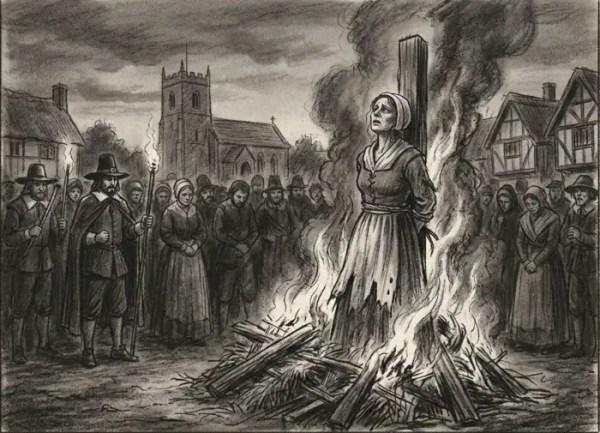
Historical Evidence
Most religious encyclopedias are organized around belief, doctrine, theology, saints, church institutions, and ecclesiastical traditions. A dedicated Encyclopedia using the Sarvarthapedia Method is invested in an Encyclopedia of Historical Critiques of Christianity and Christian Theology, which would organize knowledge around the surviving materials from which historical claims are constructed. Its central question would not be “What was believed?” but rather “What evidence exists, when does it appear, how reliable is it, and what can historians reasonably conclude from it?”
We are committed to the 450 CE Documentary Threshold Principle, our Civilizational Research Encyclopedia whose organizing principle is evidence, authority, and critique, rather than faith, doctrine, or ecclesiastical chronology.
Core Questions
- What constitutes historical evidence?
- How is evidence evaluated?
- What distinguishes evidence from tradition?
- What distinguishes documentation from belief?
- What distinguishes testimony from proof?
See Also
- Historical Method
- Historiography
- Source Criticism
- Documentary Evidence
- Collective Memory
The Historical Evidence serves as the documentary foundation for all historical investigation. Rather than beginning with doctrines, institutions, or theological claims, it begins with the surviving record itself. Every later discussion—whether concerning councils, creeds, canon formation, church authority, missionary expansion, or critiques of theology—ultimately returns to the same question: What evidence exists, when does it appear, how reliable is it, and what historical conclusions can reasonably be drawn from it? This evidentiary framework becomes the foundation upon which all subsequent historical, theological, philosophical, and civilizational analysis rests.
Encyclopedia of Historical Critiques of Christianity and Christian Theology
A Civilizational Research Encyclopedia
Documentary Threshold: 325 CE
Scope: 325 CE–Present
Estimated Size
- 50 Volumes
- 25,000–35,000 pages
- 10,000+ entries
- 5,000+ biographies
- 2,000+ primary texts
- Comprehensive cross-referencing system
Foundational Editorial Principles
Principle I: Documentary Priority
Priority is given to:
- Contemporary records
- Archaeological evidence
- Legal documents
- Counciliar records
- Manuscript evidence
- Epigraphy
- Administrative archives
Secondary priority:
- Later traditions
- Ecclesiastical histories
- Oral traditions
Lowest priority: Faith-based assertions unsupported by documentary evidence
Principle II: Distinction Between Belief and Evidence
- Historical Claim: What can be demonstrated.
- Traditional Claim: What religious communities believe.
- Critical Interpretation: How historians evaluate evidence.
Principle III: Criticism Requires Evidence
The encyclopedia studies:
- Verifiable Christianity
- Verifiable Christian institutions
- Verifiable doctrinal disputes
- Testing the Coptic Text of the Gospel of Thomas
rather than theological assumptions.
Grand Architecture: Historical Critiques of Christianity and Christian Theology
- SERIES A: Formation of Imperial Christianity (Volumes 1–10)
- SERIES B: Construction of Orthodoxy (Volumes 11–20)
- SERIES C: Alternative Christianities (Volumes 21–30)
- SERIES D: External Critiques (Volumes 31–40)
- SERIES E: Modern Critical Scholarship (Volumes 41–50)
Prolegomena Series
Volume P1 – History, Evidence, and Religious Claims
Questions:
- What is historical evidence?
- What is tradition?
- What is memory?
- What is myth?
- What is legend?
- What is documentation?
- Is revelation rational?
- Is a miracle possible?
Articles:
- Historical Method
- Source Criticism
- Documentary Evidence
- Oral Tradition
- Archaeological Evidence
- Epigraphy
- Paleography
Volume P2 – How Religious Histories Are Constructed
Topics:
- Canonical Narratives
- Sacred History
- National Histories
- Collective Memory
- Identity Formation
Volume P3 – Texts, Manuscripts, and Transmission
Topics:
- Scribal Culture
- Codices
- Parchment
- Translation
- Interpolation
- Redaction
SERIES A: Formation of Imperial Christianity (Volumes 1–10)
Volume 1 – The World of Nicaea
325–337 CE
Major Articles
- Constantine
- Council of Nicaea
- Arius
- Athanasius
- Imperial Christianity
- Nicene Creed
- New Testament in Present Form 400-450 CE
- Clementine Vulgate (Latin Bible) Vatican Press – 1592 Ed.
- Christian theology after 375 CE
Key Question: How did Christianity become an imperial institution?
Volume 2 – Documentary Christianity Before Nicaea
This volume does not reconstruct Christianity.
Instead, it studies:
- What evidence existed in 325?
- What documents were available?
- What traditions were already circulating?
Sections:
- Eusebius as Source
- Manuscript Gaps
- Lost Christian Literature
- Early Canon Lists
Volume 3 – Canon Formation
Core Question: When did the New Testament become a fixed collection?
Major Entries
- Athanasius (367)
- Codex Vaticanus
- Codex Sinaiticus
- Hippo (393)
- Carthage (397)
Special Section: Arguments concerning fourth-century canon consolidation.
Volume 4 – Scriptural Alternatives
Major Entries
- Gospel of Thomas
- Gospel of Peter
- Gospel of Mary
- Gospel of Judas
- Shepherd of Hermas
- Didache
Volume 5 – Orthodoxy and Exclusion
Major Entries
- Heresy
- Apostasy
- Excommunication
- Ecclesiastical Authority
Volume 6 – Arian Christianity
Volume 7 – Donatist Christianity
Volume 8 – Nestorian Christianity
Volume 9 – Miaphysite Christianity
Volume 10 – Christianity and Roman State Power
SERIES B: Construction of Orthodoxy (Volumes 11–20)
Volume 11 – Councils and Authority
325–787 CE
Major Councils
- Nicaea
- Constantinople
- Ephesus
- Chalcedon
- Nicaea II
Volume 12 – Creeds and Dogmas
Development of:
- Trinity
- Christology
- Mariology
Volume 13 – Saints, Relics, and Sacred Authority
Volume 14 – Monastic Institutions
Volume 15 – Papal Authority
Volume 16 – Byzantine Christianity
Volume 17 – Eastern Churches
Volume 18 – Church Law
Volume 19 – Heresy Trials
Volume 20 – Christianity and Empire
SERIES C: Alternative Christianities (Volumes 21–30)
This may become the most important section.
Volume 21 – Jewish Views of Christianity
Volume 22 – Islamic Views of Christianity
Topics
- Trinity
- Crucifixion
- Prophethood
Volume 23 – Syriac Christianity
Volume 24 – Ethiopian Christianity
Volume 25 – Armenian Christianity
Volume 26 – Gnostic Traditions
Volume 27 – Mystical Traditions
Volume 28 – Apocryphal Literature
Volume 29 – Historical Jesus Traditions
Volume 30 – Non-Nicene Christianities
SERIES D: External Critiques (Volumes 31–40)
Volume 31 – Medieval Islamic Critiques
Volume 32 – Jewish Polemics
Volume 33 – Renaissance Humanism
Volume 34 – Reformation Critiques
Volume 35 – Radical Reformation
Volume 36 – Enlightenment Critiques
Figures:
- Voltaire
- Hume
- Diderot
Volume 37 – Revolutionary Critiques
French Revolution
Volume 38 – Nineteenth-Century Rationalism
Volume 39 – Secular Humanism
Volume 40 – Scientific Critiques
SERIES E: Modern Critical Scholarship (Volumes 41–50)
Volume 41 – Historical Criticism
Volume 42 – Historical Jesus Research
Volume 43 – Textual Criticism
Volume 44 – Archaeology and Christianity
Volume 45 – Nietzsche and Christianity
Volume 46 – Marxism and Christianity
Volume 47 – Psychology of Religion
Freud
Jung
Fromm
Volume 48 – Christianity and Colonialism
Volume 49 – Christianity in India
Sections:
- First Christian In India
- Syrian Christian traditions
- Portuguese missions
- Jesuits
- British missions
- Education
- Conversion debates
- Nationalist critiques
Volume 50 – Civilizational Reference Atlas
- Master Chronology ( 325–Present )
- Councils Index
- Manuscripts Index
- Heresy Index
- Critiques Index
- Biographical Dictionary
- Geographic Atlas
- Conceptual Knowledge Web
Encyclopedia of Historical Critiques of Christianity and Christian Theology
Core Concept
A documentary-based investigation of Christianity from 325 CE onward, organized around the relationships between evidence, authority, text, memory, power, interpretation, and critique.
See Also
- Historical Method
- Documentary Evidence
- Canon Formation
- Imperial Christianity
- Councils
- Historical Criticism
- Comparative Religion
- Textual Criticism
- Political Theology
- Sociology of Religion
Documentary Threshold Principle
The methodological foundation that prioritizes periods where surviving evidence becomes sufficiently abundant for sustained historical criticism.
Connected Concepts
- Historical Method
- Source Criticism
- Documentary Evidence
- Historical Certainty
- Archaeological Verification
- Manuscript Traditions
See Also
- Council of Nicaea
- Constantine
- Eusebius
- Canon Formation
- Historical Reconstruction
Historical Method
The study of how historical knowledge is produced, verified, challenged, and revised.
Connected Concepts
- Source Criticism
- Documentary Evidence
- Archaeology
- Epigraphy
- Paleography
- Historiography
See Also
- Documentary Threshold Principle
- Historical Criticism
- Manuscript Studies
- Collective Memory
- Oral Tradition
Documentary Evidence
The foundation of historical reconstruction based on surviving records.
Types
- Imperial Records
- Council Records
- Legal Documents
- Manuscript Evidence
- Administrative Archives
- Inscriptions
- Archaeological Discoveries
See Also
- Historical Method
- Archaeology
- Epigraphy
- Paleography
- Textual Criticism
Evidence and Belief
The distinction between historical demonstration and theological affirmation.
Related Concepts
- Historical Claim
- Traditional Claim
- Critical Interpretation
- Faith Tradition
- Religious Memory
See Also
- Historical Method
- Comparative Religion
- Historiography
- Theology
Authority
The mechanisms through which religious legitimacy becomes established and maintained.
Related Concepts
- Orthodoxy
- Councils
- Creeds
- Ecclesiastical Authority
- Papal Authority
- Sacred Tradition
See Also
- Imperial Christianity
- Canon Formation
- Heresy
- Church Law
- State Power
Power
The interaction between religious institutions and political structures.
Connected Concepts
- Empire
- Governance
- Legitimacy
- Religious Law
- Institutional Control
- Church-State Relations
See Also
- Roman Empire
- Byzantine Empire
- Colonial Administrations
- Political Theology
- Missionary Expansion
Memory
The processes through which communities preserve and transmit narratives about their past.
Related Concepts
- Collective Memory
- Sacred History
- Tradition
- Myth
- Identity Formation
See Also
- Historiography
- Oral Tradition
- Canonical Narratives
- Religious Identity
Text
The transmission, preservation, interpretation, and authority of written documents.
Connected Concepts
- Manuscripts
- Codices
- Translation
- Redaction
- Interpolation
- Canon
See Also
- Canon Formation
- Textual Criticism
- Paleography
- Scribal Culture
Canon Formation
The historical process through which certain writings acquired authoritative status.
Related Concepts
- New Testament
- Athanasius
- Codex Vaticanus
- Codex Sinaiticus
- Ecclesiastical Authority
See Also
- Textual Criticism
- Councils
- Scriptural Alternatives
- Apostolic Tradition
New Testament Transmission
The history of manuscript copying, preservation, and dissemination.
Connected Concepts
- Scribal Culture
- Manuscript Families
- Textual Variants
- Translation History
- Canon Formation
See Also
- Codex Vaticanus
- Codex Sinaiticus
- Textual Criticism
- Paleography
Council of Nicaea
A major turning point in the institutional development of Christianity.
Connected Concepts
- Constantine
- Arius
- Athanasius
- Nicene Creed
- Imperial Christianity
See Also
- Constantinople
- Ephesus
- Chalcedon
- Orthodoxy
- Church-State Relations
Imperial Christianity
The fusion of ecclesiastical authority with imperial structures.
Related Concepts
- Constantine
- Roman Empire
- Orthodoxy
- Councils
- State Power
See Also
- Nicaea
- Byzantine Christianity
- Papal Authority
- Church Law
Orthodoxy
The process by which certain doctrines became normative.
Connected Concepts
- Heresy
- Creed
- Council
- Canon
- Ecclesiastical Authority
See Also
- Arianism
- Donatism
- Nestorianism
- Miaphysitism
Heresy
A category used to identify theological positions considered outside accepted doctrine.
Related Concepts
- Orthodoxy
- Excommunication
- Apostasy
- Church Law
- Religious Dissent
See Also
- Arian Christianity
- Donatism
- Nestorianism
- Heresy Trials
Arian Christianity
A major theological alternative to Nicene orthodoxy.
Connected Concepts
- Arius
- Christology
- Trinity
- Nicaea
- Imperial Politics
See Also
- Orthodoxy
- Athanasius
- Constantinople
- Non-Nicene Traditions
Donatism
A North African movement emphasizing ecclesiastical purity.
Connected Concepts
- Church Authority
- Sacraments
- Persecution
- Religious Identity
See Also
- Orthodoxy
- Augustine
- Heresy
- Roman Africa
Nestorian Christianity
A tradition associated with distinct Christological interpretations.
Connected Concepts
- Christology
- Syriac Christianity
- Persian Christianity
- Ephesus
See Also
- Eastern Churches
- Church of the East
- Non-Nicene Traditions
Miaphysite Christianity
A theological tradition emphasizing a unified understanding of Christ’s nature.
Connected Concepts
- Chalcedon
- Egyptian Christianity
- Syriac Christianity
- Armenian Christianity
See Also
- Oriental Orthodoxy
- Christology
- Byzantine Christianity
Councils
Assemblies that shaped doctrine, authority, and institutional structure.
Major Nodes
- Nicaea
- Constantinople
- Ephesus
- Chalcedon
- Nicaea II
See Also
- Orthodoxy
- Canon Formation
- Church Law
- Imperial Christianity
Church Law
Systems regulating doctrine, discipline, and ecclesiastical governance.
Connected Concepts
- Councils
- Orthodoxy
- Excommunication
- Papal Authority
See Also
- Ecclesiastical Authority
- State Power
- Heresy Trials
Papal Authority
The historical development of Roman ecclesiastical leadership.
Related Concepts
- Rome
- Church Governance
- Apostolic Succession
- Canon Law
See Also
- Orthodoxy
- Church-State Relations
- Medieval Christianity
Comparative Religion
The study of similarities, differences, and interactions among religious traditions.
Connected Concepts
- Judaism
- Christianity
- Islam
- Gnosticism
- Religious Pluralism
See Also
- Islamic Christology
- Jewish Views of Christianity
- Apocryphal Literature
Islamic Christology
Islamic interpretations concerning Jesus and Christian doctrine.
Related Concepts
- Tawhid
- Prophethood
- Crucifixion Debate
- Virgin Birth
See Also
- Comparative Religion
- Qur’anic Studies
- Late Antiquity
- Syriac Christianity
Jewish Views of Christianity
Jewish responses to Christian theological claims.
Connected Concepts
- Messianism
- Monotheism
- Biblical Interpretation
- Interreligious Debate
See Also
- Comparative Religion
- Rabbinic Literature
- Historical Jesus
Historical Jesus Research
Attempts to reconstruct Jesus using historical methods.
Related Concepts
- Roman Judea
- Second Temple Judaism
- Historical Reconstruction
- Source Criticism
See Also
- Comparative Religion
- Gospel Traditions
- Historical Criticism
Apocryphal Literature
Texts excluded from later canonical collections.
Connected Concepts
- Gospel of Thomas
- Gospel of Peter
- Gospel of Mary
- Gospel of Judas
See Also
- Canon Formation
- Gnosticism
- Early Christianity
Gnosticism
Religious movements emphasizing knowledge as a path to salvation.
Related Concepts
- Secret Knowledge
- Mysticism
- Dualism
- Alternative Christianities
See Also
- Gospel of Thomas
- Nag Hammadi
- Apocryphal Literature
Historical Criticism
Academic examination of religious texts and traditions through historical methods.
Connected Concepts
- Source Criticism
- Philology
- Textual Analysis
- Historiography
See Also
- Bruno Bauer
- Textual Criticism
- Historical Jesus Research
Textual Criticism
The study of manuscript variation and textual transmission.
Related Concepts
- Manuscripts
- Interpolation
- Redaction
- Scribal Errors
See Also
- Canon Formation
- New Testament Transmission
- Codex Sinaiticus
- Codex Vaticanus
Archaeology and Christianity
Material evidence relating to Christian communities and institutions.
Connected Concepts
- Inscriptions
- Churches
- Manuscripts
- Burial Sites
See Also
- Documentary Evidence
- Historical Method
- Epigraphy
Enlightenment Rationalism
A movement emphasizing reason as the basis of inquiry.
Related Concepts
- Voltaire
- Hume
- Diderot
- Religious Tolerance
See Also
- Secular Humanism
- Historical Criticism
- Scientific Skepticism
Secular Humanism
Ethical and philosophical perspectives independent of theological authority.
Connected Concepts
- Rational Inquiry
- Human Autonomy
- Scientific Reasoning
- Ethics
See Also
- Bertrand Russell
- Enlightenment Rationalism
- Existentialism
Existentialism
A philosophical tradition emphasizing freedom, responsibility, and meaning.
Related Concepts
- Jean-Paul Sartre
- Human Choice
- Authenticity
- Meaning
See Also
- Nietzsche
- Secular Humanism
- Philosophy of Religion
Psychology of Religion
The study of religious belief through psychological frameworks.
Connected Concepts
- Freud
- Jung
- Fromm
- Collective Belief
See Also
- Sociology of Religion
- Secular Humanism
- Religious Identity
Sociology of Religion
The study of religion as a social institution.
Related Concepts
- Authority
- Social Cohesion
- Institutions
- Collective Identity
See Also
- Church-State Relations
- Colonial Christianity
- Missionary Expansion
Christianity and Colonialism
The interaction between missionary activity and imperial expansion.
Connected Concepts
- Portuguese Empire
- British Empire
- Education
- Conversion
See Also
- Christianity in India
- Postcolonial Studies
- Missionary Networks
Christianity in India
The historical development of Christian traditions within the Indian subcontinent.
Connected Concepts
- Syriac Traditions
- Portuguese Missions
- Jesuits
- British Missions
- Nationalism
See Also
- Colonial Christianity
- Comparative Religion
- Missionary Expansion
- Postcolonial Critique
Postcolonial Critique
Analysis of Christianity within contexts of empire, colonialism, and cultural encounter.
Related Concepts
- Conversion
- Identity
- Resistance
- Cultural Adaptation
See Also
- Christianity in India
- Missionary Networks
- Colonial Studies
Intellectual History
The master interpretive node connecting evidence, texts, institutions, beliefs, critiques, and historical memory across the entire documentary record from 325 CE onward.
Connected Concepts
- Historical Method
- Documentary Evidence
- Authority
- Power
- Memory
- Textual Criticism
- Comparative Religion
- Historical Criticism
See Also
- Civilization Studies
- History of Ideas
- Sociology of Religion
- Philosophy of Religion
- Historiography