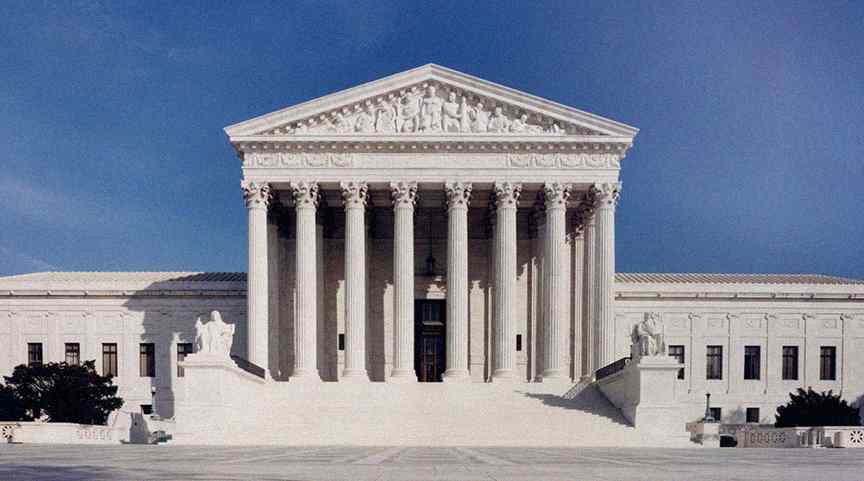
A court of common pleas, consisting of a competent number of judges, commissioned by the Governor, was...
USA
The history of the United States spans early migration, colonial settlement, independence, civil conflict, political evolution, and the rise of a powerful economy. The first inhabitants arrived thousands of years ago via the Bering land bridge, forming diverse Indigenous societies. Large-scale European colonization began in the 17th century, led chiefly by the United Kingdom, whose thirteen colonies became the nucleus of the future nation. Disputes over taxation and representation led to the American Revolution and the Declaration of Independence in 1776. The young republic then worked to build a federal system while expanding westward. However, unresolved tensions over slavery and states’ rights escalated into the Civil War, a pivotal conflict that preserved the Union and abolished slavery, though deep social divisions persisted. Post-war industrialization, urban growth, and continuous immigration transformed the country into an economic powerhouse. The United States developed a diverse economy—manufacturing, agriculture, technology, and services—eventually becoming a global leader in innovation and finance. Politically, the nation evolved into a two-party system dominated by the Democratic Party and the Republican Party. These parties continue shaping debates on governance, economic policy, and national identity as the country adapts to new domestic and global challenges.

September 11, 2001, was a day of unprecedented shock and suffering in the history of the United...
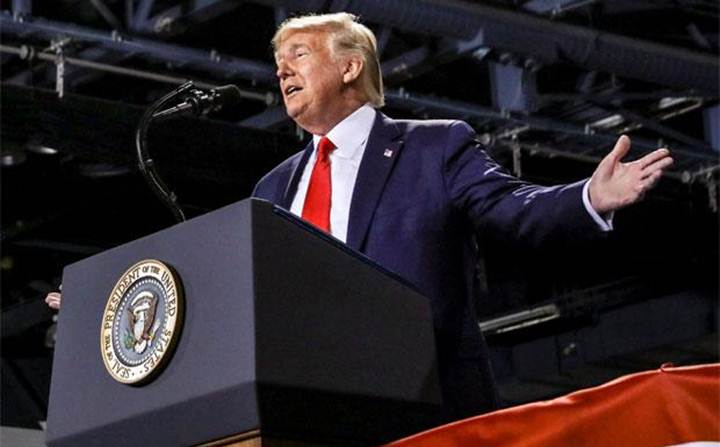
It is the policy of the United States to use radiofrequency spectrum (spectrum) as efficiently and effectively...
On July 1, 1997, as part of the Clinton Administration's Framework for Global Electronic Commerce,(1) the President...

Applicants have the option of submitting the Law School Admission Test (LSAT), Graduate Record Examination (GRE), or...
These rules govern procedure in the United States courts of appeals. On its own or a party’s...
These rules apply to proceedings in United States courts. The specific courts and proceedings to which the...
These rules govern the procedure in all criminal proceedings in the United States district courts, the United...
March 2020 Edition Federal Rules of Civil Procedure[FRCP] govern the procedure in all civil actions and proceedings...
A compact made by the American colonies to impose economic sanctions against Great Britain. Thursday, October...
Foreign influence operations include covert actions by foreign governments intended to sow divisions in our society, undermine...

Federal death penalty procedure is based on the Federal Death Penalty Act of 1994 The death penalty...

At common law, a grand jury enjoyed a certain power to issue reports alleging non-criminal misconduct.
It is the policy of the United States to facilitate market-based private sector development and inclusive economic...