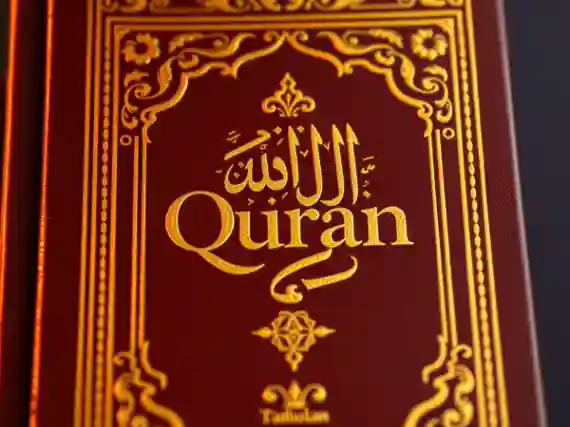
Al-Quran
الفاتحة
English Transliteration with Meaning Word by Word:
- Bismillāhi (In the name of Allah) Ar-Raḥmāni (The Most Gracious) Ar-Raḥīmi (The Most Merciful).
- Al-ḥamdu (All praise) lillāhi (is for Allah) Rabbi (Lord) al-‘ālamīna (of all the worlds).
- Ar-Raḥmāni (The Most Gracious) Ar-Raḥīmi (The Most Merciful).
- Māliki (Master) yawmi (of the Day) ad-dīni (of Judgment).
- Iyyāka (You alone) na‘budu (we worship) wa-iyyāka (and You alone) nasta‘īn (we seek help from).
- Ihdinā (Guide us) aṣ-ṣirāṭa (to the path) al-mustaqīma (the straight).
- Ṣirāṭa (The path) alladhīna (of those who) an‘amta (You have bestowed Your favor upon) ‘alayhim (upon them), ghayri (not of) al-maghḍūbi (those who have earned Your anger) ‘alayhim (upon them), wa (and) lā (not) aḍ-ḍāllīna (of those who go astray).
हिंदी लिप्यंतरण:
- बिस्मिल्लाहिर् रहमानिर् रहीम।
- अल्हम्दु लिल्लाहि रब्बिल् आलमीन।
- अर् रहमानिर् रहीम।
- मालिकि यौमिद्दीन।
- इय्याका नअ’बुदु व इय्याका नस्तई’न।
- इह् दिनास् सिरातल् मुस्तक़ीम।
- सिरातल्लज़ीना अन’अमत अ’लैहिम ग़य्रिल् मग़दूबि अ’लैहिम व ला द्दाल्लीन।
सूरा अल्-फातिहा (الفاتحة) का संस्कृत अनुवाद
- बिस्मिल्लाहिर् रहमानिर् रहीम।
ईश्वरस्य नाम्ना करुणासिन्धोः दयालोः। - अल्हम्दु लिल्लाहि रब्बिल् आलमीन।
सर्वस्य स्तुतिः ईश्वराय भवतु, यः समस्तलोकानाम् स्वामी अस्ति। - अर् रहमानिर् रहीम।
सः परमकरुणामयः दयालुः च। - मालिकि यौमिद्दीन।
सः न्यायस्य दिने स्वामी अस्ति। - इय्याका नअ’बुदु व इय्याका नस्तई’न।
त्वामेव वयं उपास्महे, त्वामेव च सहायार्थं प्रार्थयामः। - इह् दिनास् सिरातल् मुस्तक़ीम।
अस्मान् सन्मार्गे निर्देशय। - सिरातल्लज़ीना अन’अमत अ’लैहिम ग़य्रिल् मग़दूबि अ’लैहिम व ला द्दाल्लीन।
तस्य मार्गे निर्देशय, यत्र ये तव कृपां प्राप्तवन्तः, न तु ते ये कदापि कोपं प्राप्तवन्तः, न च ते ये पथभ्रष्टाः।
Bibliography for Surah Al-Fātiḥah (الفاتحة):
- The Holy Qur’an: Text, Translation, and Commentary
- Author: Abdullah Yusuf Ali
- Publisher: Amana Publications
- Publication Date: 1934 (first edition), various reprints
- Why Read It? Offers a detailed English translation and commentary, explaining the spiritual and theological significance of Surah Al-Fātiḥah.
- The Qur’an: A New Translation
- Author: M.A.S. Abdel Haleem
- Publisher: Oxford University Press
- Publication Date: 2004
- Why Read It? Provides a contemporary and easy-to-understand English translation, making the meaning of Surah Al-Fātiḥah accessible to modern readers.
- Tafsir al-Jalalayn
- Authors: Jalal ad-Din al-Mahalli and Jalal ad-Din as-Suyuti
- Publisher: Dar al-Taqwa
- Publication Date: 15th century (original), modern editions available
- Why Read It? A classic and concise tafsir (exegesis) that explains the deeper meanings of Surah Al-Fātiḥah in a simple yet insightful manner.
- Fi Dhilal al-Qur’an (In the Shade of the Qur’an)
- Author: Sayyid Qutb
- Publisher: Islamic Book Trust (English version)
- Publication Date: 1951–1965 (original Arabic), various English editions available
- Why Read It? Provides a literary and thematic analysis of Surah Al-Fātiḥah, discussing its role as the essence of Islamic faith.
- Madarij al-Salikeen (Stages of the Seekers)
- Author: Ibn Qayyim al-Jawziyya
- Publisher: Various publishers (Arabic and English editions)
- Publication Date: 14th century (original), modern reprints available
- Why Read It? Explores the spiritual and mystical dimensions of Surah Al-Fātiḥah, helping readers reflect on its deeper meanings.
Why Read Surah Al-Fātiḥah?
- Core of the Qur’an: It is the opening chapter and is often called the “Mother of the Book” (Umm al-Kitab).
- Essential in Worship: It is recited in every unit of the Islamic prayer (Salah).
- Guidance & Mercy: It encapsulates key themes of faith, divine mercy, and guidance.
- Spiritual Healing: Considered a source of spiritual and even physical healing in Islamic tradition.
By Tanmoy Bhattacharyya