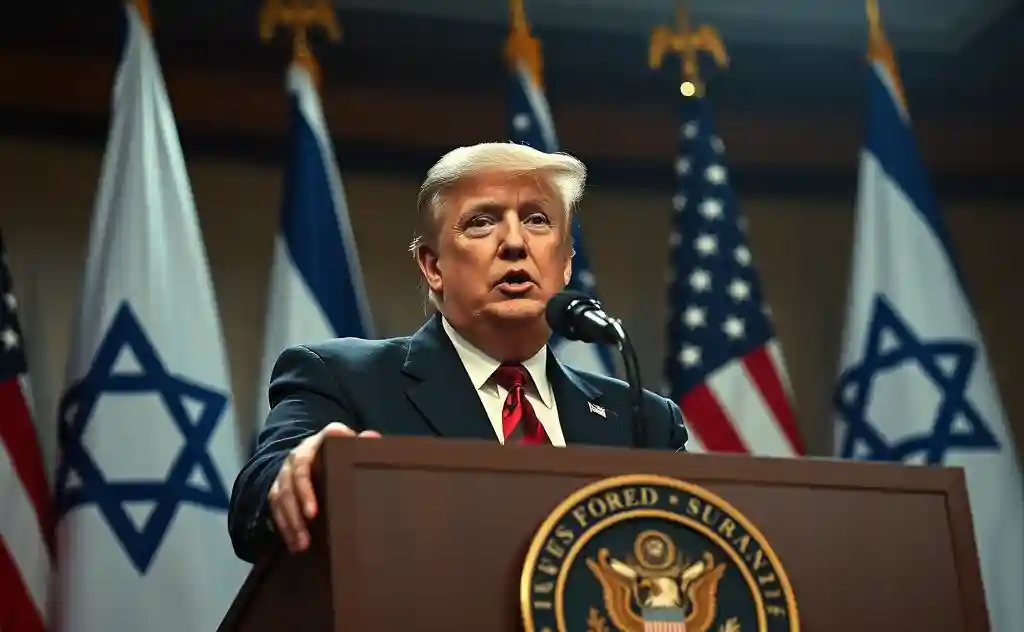
Why Donald Trump will not be able to stop Israel from bombing Gaza, Lebanon, or Iran?
Donald Trump (Republican party), like other U.S. presidents, faced complex geopolitical challenges in influencing Israel’s military actions in regions like Gaza, Lebanon, or Iran, which are often fraught with historical tensions and intricate local dynamics. Even if Trump after the winning the election for the second time, or any other leader, wished to restrain Israel from military operations, several factors limit the U.S.’s ability to directly control Israel’s actions, including the strategic partnership that has been cultivated over decades and Israel’s significant autonomy in matters of national security. Furthermore, the domestic political landscape in both the U.S. and Israel often complicates these dynamics; U.S. leaders must navigate a myriad of interests from various lobbying groups and public opinions that favor strong support for Israel. International relations, shifting alliances, and the risk of destabilizing an already volatile region also play critical roles in shaping U.S. foreign policy.
Biden has maintained strong U.S. military aid to Israel, including the $3.8 billion in annual assistance established under a 10-year agreement. In 2021, he approved additional funding for Israel’s Iron Dome missile defense system following conflicts in Gaza. Biden has reinforced that the U.S. remains committed to Israel’s security as a vital ally in the Middle East. He has continued intelligence-sharing, counterterrorism cooperation, and other defense partnerships crucial to Israel’s security. When Israel faced rocket attacks from Gaza, Biden’s administration publicly supported Israel’s right to defend itself, reflecting the U.S.’s longstanding position. Can Trump change these policies? The answer is a big ‘No’.
Here’s why:
1. Israel’s Sovereign Decision-Making
- Autonomous Security Policy: Israel considers its security needs as sovereign and non-negotiable, especially concerning threats from groups like Hamas in Gaza or Hezbollah in Lebanon, which it sees as proxies for Iran. This unwavering commitment to its own security framework underscores a broader strategy where Israel prioritizes its own assessments and judgments. This means that Israel makes independent decisions based on its assessment of immediate threats, even when it aligns with the U.S. on strategic goals, thereby highlighting the complex interplay between its national security considerations and international partnerships.
- Israel’s “Red Lines”: Israel has clear red lines concerning security threats and is willing to act independently if it believes these lines are crossed, regardless of U.S. preferences. This determination stems from its historical experiences and ongoing geopolitical dynamics in the region, highlighting the importance of maintaining its defensive stance to protect its sovereignty and national interests.
2. U.S.-Israel Strategic Alliance and Policy Alignment
- Strong Diplomatic Ties: The U.S. has historically maintained a close alliance with Israel, which gives it significant influence but not absolute control. Trump was particularly supportive of Israel’s security and diplomatic goals, including moving the U.S. embassy to Jerusalem, which was a controversial decision but symbolically important for Israel, withdrawing from the Iran nuclear deal that many believed undermined regional security, and recognizing Israel’s sovereignty over the Golan Heights, a move that was celebrated by Israeli leaders and reaffirmed the partnership between the two nations. This deep-rooted relationship is characterized by shared values and mutual interests that continue to shape U.S.-Middle East policy.
- Shared Goals Against Iran: Trump’s administration shared Israel’s concerns about Iran’s influence in the region, especially regarding Iran’s nuclear program and its support for Hezbollah. Trump’s policy toward Iran, including the “maximum pressure” campaign, was largely aligned with Israel’s stance, which emphasized the importance of regional stability and security. This alignment made it unlikely that he would restrict Israel’s responses to perceived Iranian threats, effectively allowing for a more aggressive posture in addressing the complexities of Iran’s military ambitions and its involvement in proxy conflicts throughout the Middle East.
3. Domestic U.S. Political Constraints
- Bipartisan Support for Israel: In U.S. politics, support for Israel is largely bipartisan. Any U.S. president who attempts to restrict Israel’s military responses would face significant domestic backlash from key political and interest groups, including a wide array of pro-Israel organizations, prominent lawmakers, and influential lobbyists. This strong coalition makes it politically challenging to pressure Israel to hold back on its military strategies, as many constituents view such support as a fundamental aspect of U.S. foreign policy. As a result, navigating this complex landscape requires careful consideration from those in power to balance both diplomatic relations and domestic expectations.
- Limited Leverage Due to Military Aid: While the U.S. provides substantial military aid to Israel, which theoretically offers some leverage in diplomatic discussions, U.S. presidents rarely use this aid as a tool to influence Israel’s defense policies or to drive changes in their military strategy. Trump, in particular, increased military support to Israel significantly, further strengthening Israel’s capabilities and autonomy without imposing any meaningful restrictions or conditions that might lead to a shift in policy alignment or behavior. This dynamic illustrates the complex nature of U.S.-Israel relations, where military assistance does not necessarily translate into diplomatic leverage.
4. Regional Complexity and Proxy Dynamics
- Iran’s Influence: Israel views Iran’s activities in Gaza, Lebanon, and Syria as direct threats, especially through proxies like Hezbollah and Hamas. Given the high stakes, Israel often acts preemptively to disrupt Iran’s regional networks and prevent arms transfers. This complex proxy environment makes it difficult for any U.S. administration to unilaterally restrain Israel without potentially compromising Israeli security or fueling Iranian influence.
- Escalation Risks in the Middle East: The Middle East is a highly volatile region, characterized by complex geopolitical dynamics and historical tensions, and unilateral U.S. pressure on Israel to avoid military action could lead to unforeseen escalations, particularly in sensitive areas. This is especially true if Iran or its proxies perceive it as an opportunity to act more aggressively, potentially igniting wider conflicts that could destabilize the region further and involve multiple stakeholders with varying interests and alliances.
5. Trump’s Foreign Policy Approach
- “America First” and Limited Interventionism: Trump’s “America First” doctrine focused on reducing U.S. involvement in complex international conflicts, thereby seeking to prioritize domestic issues over foreign entanglements. This approach meant Trump was generally less inclined to intervene directly in Middle Eastern affairs unless U.S. interests were directly at stake, emphasizing a nationalistic perspective that questioned the benefits of lengthy military engagements abroad and sought to redirect resources to address pressing concerns within the United States itself.
- Pragmatic Alignment with Israeli Security Goals: Trump’s administration often aligned with Israeli policies rather than countering them, as seen in the U.S. withdrawal from the Iran nuclear deal and the recognition of Jerusalem as Israel’s capital. This strong alignment made it highly unlikely that Trump would even consider trying to restrain Israel’s military responses to security threats, given the political implications and his administration’s long-standing commitment to supporting Israel in its efforts to maintain its national security and regional influence.
6. Regional Backlash and Israel’s Calculations
- Regional Security Calculus: For Israel, military operations in Gaza, Lebanon, or Iran are calculated responses to perceived existential threats, rooted deeply in its historical experiences and strategic considerations. Israel often perceives that failure to act decisively would result in greater security risks in the long term, thus viewing military engagement not merely as an option, but as a necessary course of action in safeguarding its national interests. Given Israel’s strategic calculations, it has a history of pushing back against even close allies, including the U.S., if it believes its security is at stake, showing the complexity and the often contentious nature of its geopolitical relationships.
Ultimately, while Trump’s (although Muslims overwhelmingly voted for Trump) close relationship with Israel gave him significant influence, it did not grant him direct control over Israel’s defense policies. Israel’s independent security stance, which has developed over decades in response to various regional threats, remains firmly intact. This autonomy is bolstered by a strong U.S.-Israel alignment on strategic issues, particularly concerning Iran, where both nations perceive the revolutionary regime as a primary threat. Moreover, domestic U.S. political support for Israel is widespread and transcends party lines, which reflects the deep-seated beliefs of many American citizens about Israel’s right to defend itself. Trump’s policy alignment with Israeli security priorities further cemented this relationship, amplifying the expectations of unwavering U.S. support for Israel’s actions.
These factors collectively contribute to making it highly unlikely that any U.S. president, including Trump, could or would effectively restrain Israel from taking military action in Gaza, Lebanon, or against Iranian targets. The longstanding nature of U.S.-Israel ties fosters an environment where the U.S. typically supports Israel’s actions wholeheartedly or, at most, encourages restraint in a very limited capacity, rather than attempting to impose significant limitations on its military decisions. This dynamic illustrates the complex interplay of influence and autonomy that characterizes U.S.-Israel relations in the contemporary geopolitical landscape.
To understand America’s stance on Israel and its global impact, we must consider the historical and cultural ties that connect them. Many Americans are guided by deeply rooted religious values, often within a Christian framework that emphasizes the ideals of sacrifice and redemption. In contrast, Jewish tradition often emphasizes resilience, portraying a God who triumphs over adversity. This belief inspires a strong sense of purpose and determination among Israelis.
Conclusion
Additional Perspective of U.S.-Israel Strategic Alliance
Let’s summarize the perspective of America’s stance on Israel and its role globally. Many Americans hold deeply religious values, often rooted in Christian beliefs about a crucified God, while Jewish tradition emphasizes a vision of a victorious God who overcomes all challenges. This strong cultural and religious drive influences Israel’s resilience and purpose.
Historically, the Jewish people faced persecution and displacement from their ancestral homeland, enduring hardships under both Christian and Muslim rule. Consequently, the vision of a secure, sovereign homeland has become central to Jewish identity worldwide, especially for those in the diaspora, including communities in the United States and Europe.
In examining American politics and economics, some suggest that Jewish communities have significant influence, and Israel’s role as a strategic ally is a crucial element in Middle Eastern affairs. This relationship has complex layers of cultural, political, and economic factors that shape both nations’ policies and their cooperation on the global stage.
This perspective aims to highlight the shared values and strategic considerations that continue to strengthen the bond between the U.S. and Israel.
Date: 11/07/2024
Tanmoy Bhattacharyya
Read more:
- Humanitarian Crisis in Gaza: UK Ambassador’s Call for Action – UN Speech
- Gaza Ceasefire and Hostage Deal Biden’s Middle East Plan
- Joe Biden on the Hostage Release in Gaza (21/11/2023)
- Reports on Human Rights Practices: Israel, West Bank and Gaza-2022
- Netanyahu’s Appeal: UNIFIL’s Withdrawal from Hezbollah Risks


