Reference Date: November 20, 2024
Police Investigations: A Critical Examination
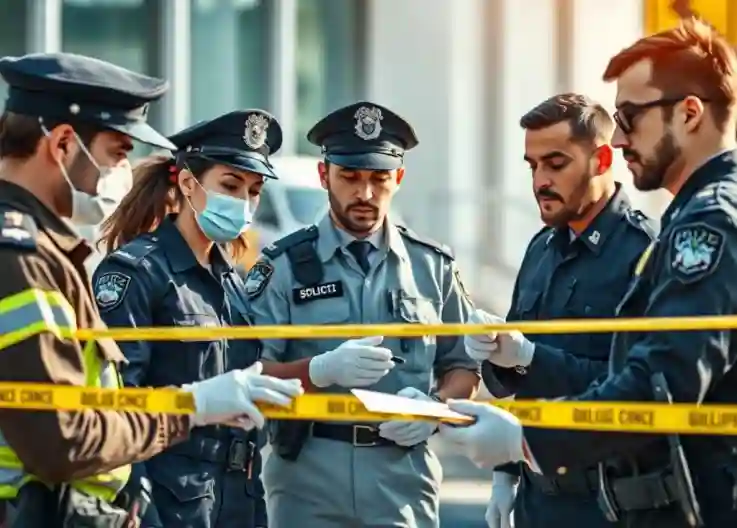
Police investigations are a cornerstone of criminal justice systems worldwide, serving as the primary mechanism for uncovering the truth behind criminal activities. However, the effectiveness, ethics, and methodologies of these investigations remain subjects of intense scrutiny. This article delves into the critical aspects of police investigations while highlighting prominent global research institutions dedicated to advancing policing methodologies.
The Process of Police Investigations
At its core, a police investigation involves the collection of evidence, interviewing witnesses and suspects, and reconstructing events to establish culpability. While modern technology, such as forensic science and digital analytics, has revolutionized investigations, the reliance on human judgment continues to raise concerns about bias, procedural errors, and ethical lapses.
Challenges in Police Investigations
- Ethical Concerns and Misconduct:
Instances of coercive interrogations, tampering with evidence, and abuse of power can undermine the integrity of investigations. High-profile cases globally have shown how investigative failures can lead to wrongful convictions. - Technological Limitations and Overreliance:
While tools like DNA analysis, surveillance systems, and artificial intelligence have enhanced capabilities, their misuse or misinterpretation can lead to flawed outcomes. Moreover, privacy concerns regarding surveillance technologies remain unresolved. - Training and Resources:
The disparity in training standards and resources among police departments worldwide often impacts the quality of investigations. Poorly trained officers may mishandle evidence or fail to adhere to proper protocols. - Systemic Bias:
Implicit biases within police forces can influence the direction and outcome of investigations, particularly in cases involving minority communities.
Leading Police Research Wings and Institutions Globally
Several institutions play a pivotal role in advancing research and practices in police investigations. These organizations focus on training, policy development, and technological advancements:
- Interpol Global Complex for Innovation (Singapore):
A hub for research on cybercrime, forensic science, and data-driven policing. - The Police Foundation (USA):
Dedicated to advancing policing through innovation and evidence-based research. - European Police Office (Europol):
Focuses on combating transnational crime and terrorism using advanced investigative methods. - Central Bureau of Investigation Academy (India):
A premier training and research institution for criminal investigations in India. - Scottish Institute for Policing Research (UK):
A collaboration between police and academia to enhance policing strategies and practices. - Australian Institute of Police Management:
Provides leadership training and research into effective law enforcement strategies. - Netherlands Institute for the Study of Crime and Law Enforcement (NSCR):
Renowned for its research into criminology and policing dynamics.
The Future of Police Investigations
As crime evolves, so must the methods used to investigate it. Emerging trends include:
- Predictive Policing: Leveraging AI to predict crime hotspots and allocate resources effectively.
- Community Policing: Building trust between police and communities to gather intelligence and reduce crime.
- Trauma-Informed Practices: Adapting investigation techniques to minimize harm to victims and witnesses.
- Cross-Border Collaboration: Enhancing global cooperation through initiatives led by organizations like Interpol and Europol.
While police investigations remain an essential element of justice systems, their success depends on ethical practices, robust training, and continuous adaptation to technological and social changes. Institutions like Interpol and the Police Foundation are instrumental in shaping modern investigative techniques, ensuring fairness and efficiency.
Police Investigation in the USA: A Comprehensive Overview
The United States employs a decentralized system of law enforcement, with investigative functions carried out by federal, state, and local agencies. This system ensures diverse capabilities to address crimes ranging from local offenses to complex international conspiracies. The efficacy of investigations relies on robust training, procedural manuals, federal support, and international collaboration.
Police Investigation in the USA: Framework and Structure
- Decentralized Policing System:
With over 18,000 law enforcement agencies, investigations in the U.S. are conducted at multiple levels:- Local Police Departments: Handle community-level crimes such as theft, assault, and drug offenses.
- State Police: Focus on inter-county crimes and highway-related offenses.
- Federal Agencies: Agencies like the FBI, DEA, and ATF investigate organized crime, terrorism, cybercrime, and violations of federal statutes.
- Federal Statute Support:
U.S. investigations are guided by federal laws such as:- The Federal Rules of Criminal Procedure: Governs the collection of evidence, arrests, and due process.
- Patriot Act: Enhances the investigative powers of agencies to combat terrorism.
- RICO Act (Racketeer Influenced and Corrupt Organizations): Targets organized crime networks.
Investigation Manuals and Protocols
Investigation manuals serve as comprehensive guides for officers, detailing protocols for evidence collection, suspect interrogation, and procedural ethics. Key manuals include:
- The FBI Law Enforcement Bulletin: Covers best practices and case studies.
- The National Institute of Justice (NIJ) Guidelines: Provides standards for forensic investigations and handling evidence.
- Federal Law Enforcement Training Centers (FLETC) Curriculum: A foundational resource for federal-level investigators.
Police Training Centers in the USA
Training is pivotal in shaping competent investigators. Prominent police training centers include:
- FBI Academy (Quantico, Virginia): Specializes in counterterrorism, cybercrime, and intelligence gathering.
- Federal Law Enforcement Training Centers (FLETC): Offers training to over 100 federal agencies, with campuses across the U.S.
- Police Executive Research Forum (PERF): Focuses on leadership and strategic policing.
- Regional Police Academies: State and local training facilities that cater to the unique needs of individual jurisdictions.
Approximate Cost of Investigation
The cost of an investigation in the U.S. varies widely depending on its complexity:
- Local Investigations: Simple cases such as petty theft may cost $500–$2,000, covering personnel and administrative expenses.
- Homicide Investigations: These range from $8,000 to $40,000, including forensic analysis and extended labor hours.
- Federal Investigations: Multi-agency operations or terrorism-related probes can exceed millions of dollars due to the use of advanced technology, surveillance, and international collaboration.
Successful Prosecution Rates
The success of police investigations is often measured by prosecution rates:
- Federal Cases: The conviction rate for federal criminal cases exceeds 90%, reflecting thorough investigations and strong evidence bases.
- State and Local Cases: Rates vary significantly by jurisdiction and crime type, with violent crimes generally seeing higher prosecution rates compared to property crimes.
International Collaboration
Given the global nature of crime, U.S. law enforcement agencies collaborate extensively with international partners:
- Interpol and Europol: Facilitate cross-border data sharing and coordinated operations.
- Joint Task Forces: Partnerships with agencies like the UK’s National Crime Agency and Canada’s RCMP.
- Mutual Legal Assistance Treaties (MLATs): Enable evidence sharing and extraditions.
- United Nations Office on Drugs and Crime (UNODC): Supports efforts against transnational organized crime.
Federal Support for Investigations
Federal agencies provide crucial support to state and local investigations through:
- Funding Grants: DOJ’s Community Oriented Policing Services (COPS) program offers financial assistance for technology and personnel.
- Technical Assistance: Resources such as the FBI’s Crime Lab and the National Center for Missing & Exploited Children.
- Legislative Backing: Federal laws ensuring streamlined cooperation and clear jurisdictional authority.
Police investigations in the U.S. are supported by a well-defined legal framework, extensive training, and advanced investigative techniques. Despite challenges such as funding disparities and systemic issues, the collaboration between local, federal, and international entities enhances the system’s efficacy. Continued investment in training, technology, and global partnerships will further strengthen the investigative process.
Police Investigation in the UK: A Comprehensive Insight
The United Kingdom operates a centralized yet regionally diversified policing system, where investigations are governed by established protocols, legal frameworks, and international partnerships. This article explores the UK’s approach to police investigations, highlighting key elements such as training centers, investigation manuals, associated costs, prosecution success rates, and the role of international collaboration.
Police Investigation in the UK: Framework and Structure
The UK’s investigative structure is led by regional police forces and specialized agencies:
- Regional Police Forces: Cover territorial jurisdictions for crimes like burglary, assault, and drug offenses.
- Specialized Agencies: Organizations like the National Crime Agency (NCA) focus on serious and organized crime, cybercrime, and trafficking.
- Scotland Yard (Metropolitan Police): Handles complex investigations in London and supports counterterrorism efforts nationally.
The legal foundation for investigations is primarily drawn from statutes like the Police and Criminal Evidence Act 1984 (PACE), which governs arrest procedures, evidence collection, and interrogation.
Investigation Manuals and Guidelines
The UK emphasizes a structured approach to investigations, using manuals and guidelines to ensure consistency:
- Authorised Professional Practice (APP): Published by the College of Policing, this comprehensive guide covers evidence collection, interviews, and digital forensics.
- Crown Prosecution Service (CPS) Guidelines: Provide standards for case preparation and evidence submission for successful prosecutions.
- National Decision Model (NDM): A framework used by officers to assess situations and make ethical decisions during investigations.
Police Training Centres in the UK
High-quality training is integral to effective policing. Leading training centers include:
- College of Policing: The UK’s leading authority for professional standards, providing courses in forensics, counterterrorism, and investigative techniques.
- Scottish Police College (Tulliallan): Offers specialized training for officers in Scotland.
- National Crime Agency Training Academy: Focuses on combating organized crime and cyber threats.
- Regional Training Units: Each police force maintains training facilities tailored to local needs.
Approximate Cost of Investigations
Investigation costs in the UK depend on the complexity and scope of the case:
- Local Crime Investigations: Typical costs range from £1,000 to £10,000, accounting for personnel, evidence collection, and administrative tasks.
- Major Crimes (e.g., Homicides): Investigations can cost between £100,000 and £1 million, particularly if forensic analysis or surveillance is required.
- Counterterrorism Operations: Complex operations can exceed £10 million due to resource-intensive surveillance, intelligence gathering, and international coordination.
Successful Prosecution Rates
Prosecution rates vary by crime type and jurisdiction:
- Overall Rate: As of recent data, around 78% of Crown Court cases result in conviction.
- Violent Crimes: These often have higher conviction rates, supported by forensic and witness evidence.
- Complex Cases (e.g., Fraud): While prosecution rates are lower, specialized units like the Serious Fraud Office (SFO) enhance success rates through expertise.
International Collaboration
Global partnerships play a crucial role in tackling transnational crime:
- Europol: The UK continues to collaborate with Europol post-Brexit through special arrangements, focusing on data exchange and joint investigations.
- Interpol: Provides access to international criminal databases and facilitates cross-border cooperation.
- Mutual Legal Assistance: Treaties allow for evidence sharing and extradition in international cases.
- Five Eyes Alliance: The UK partners with the U.S., Canada, Australia, and New Zealand for intelligence sharing, particularly in cyber and counterterrorism investigations.
Statutory and Federal Support for Investigations
The UK relies on a robust statutory framework to support investigations:
- Police and Criminal Evidence Act 1984 (PACE): Governs detention, searches, and admissibility of evidence.
- Criminal Justice Act 2003: Provides guidelines for sentencing and handling complex cases.
- Serious Organised Crime and Police Act 2005: Focuses on disrupting organized crime networks.
- Digital Forensics Framework: Ensures the secure handling of digital evidence, guided by the Investigatory Powers Act 2016.
Police investigations in the UK are underpinned by rigorous training, comprehensive guidelines, and robust international collaboration. Despite challenges such as resource constraints and evolving crime trends, the UK’s commitment to innovation and global partnerships ensures its policing system remains effective and adaptable.
Police Investigation in Europe: A Detailed Overview
Europe’s approach to police investigations reflects the diversity of its legal systems and the collaborative frameworks within the European Union (EU). Investigations in Europe are supported by comprehensive guidelines, advanced training facilities, and international cooperation. This article explores the structure of police investigations across Europe, focusing on manuals, training, costs, prosecution rates, and international collaborations.
Police Investigation in Europe: Framework and Structure
European police investigations are shaped by regional, national, and supranational bodies. Key components include:
- National Police Forces: Each country has its own force, such as the French Gendarmerie, Germany’s Bundeskriminalamt (BKA), and Spain’s Guardia Civil.
- EU Collaboration: The European Union Agency for Law Enforcement Cooperation (Europol) plays a central role in coordinating investigations across borders.
- Specialized Units: Focused agencies, such as Italy’s Carabinieri, tackle specific issues like organized crime, cybercrime, and terrorism.
Investigation Manuals and Guidelines
European police forces use a mix of national and EU-wide manuals to standardize investigative practices:
- Europol Operational Guidelines: Provide frameworks for joint investigations and cross-border crime tackling.
- Council of Europe Recommendations: Offer ethical and procedural guidelines for criminal investigations.
- National Police Manuals: Individual countries maintain detailed manuals, such as the UK’s Authorised Professional Practice (APP) or Germany’s procedural handbooks for forensics and interviews.
Police Training Centres in Europe
High-quality training is essential for effective investigations. Prominent training centers in Europe include:
- European Police College (CEPOL): Provides EU-wide training programs, emphasizing cross-border cooperation and modern investigative techniques.
- Police Academy of the Netherlands: Renowned for its advanced forensics and criminal behavior analysis courses.
- École Nationale Supérieure de la Police (France): Focuses on leadership training and advanced crime-solving techniques.
- Bundeskriminalamt Training Academy (Germany): Offers specialized training in cybercrime and organized crime investigations.
Approximate Cost of Investigations
Investigation costs vary significantly across Europe, depending on the complexity and resources involved:
- Routine Investigations: Costs for petty crimes typically range from €1,000 to €5,000.
- Major Crimes (e.g., Homicide): These can range from €50,000 to €500,000, especially when forensics or extended surveillance is required.
- Transnational Operations: Large-scale operations involving Europol or other international agencies can cost several million euros, factoring in intelligence sharing, technology, and personnel.
Successful Prosecution Rates
Prosecution success varies across European nations and depends on the legal framework and nature of crimes:
- High Success Rates in Serious Crimes: Countries like Germany and the Nordic nations often report conviction rates above 80% for serious offenses.
- Challenges in Financial and Cybercrime: Complex cases involving financial fraud or cybercrime tend to have lower prosecution rates due to difficulties in evidence collection and jurisdictional issues.
- EU-Wide Initiatives: Projects led by Europol and the European Public Prosecutor’s Office (EPPO) aim to improve prosecution rates by streamlining cross-border cooperation.
International Collaboration
International collaboration is a cornerstone of police investigations in Europe. Key mechanisms include:
- Europol: Coordinates intelligence sharing, joint operations, and criminal database access for EU member states.
- Schengen Information System (SIS): Enables borderless police cooperation across Schengen Area countries.
- Interpol: Assists with international crime investigations and provides access to global databases.
- Eurojust: Supports judicial cooperation to facilitate prosecutions in cross-border cases.
- Mutual Legal Assistance Treaties (MLATs): Ensure evidence exchange and extradition agreements with non-EU countries.
Statutory and Federal Support
Police investigations in Europe are guided by national laws and EU statutes:
- European Arrest Warrant (EAW): Simplifies extradition procedures within the EU.
- Directive (EU) 2016/680: Governs the protection of personal data processed during criminal investigations.
- National Legislation: Countries maintain laws tailored to their specific legal traditions, such as France’s Code de Procédure Pénale or Spain’s Ley de Enjuiciamiento Criminal.
- EU Funding Programs: Initiatives like Horizon Europe fund technological advancements in law enforcement.
Police investigations in Europe are marked by robust frameworks, international cooperation, and advanced training. While challenges such as cross-border crime and evolving technologies persist, the integration of EU-wide policies and the support of institutions like Europol ensure a cohesive approach to law enforcement.
Police Investigation in China: A Detailed Analysis
China’s policing system operates under a centralized framework, overseen by the Ministry of Public Security (MPS). The system is designed to maintain internal security, enforce laws, and investigate crimes ranging from minor offenses to significant international criminal activities. This article explores police investigations in China, including their structure, training, manuals, costs, prosecution rates, international collaborations, and federal statute support.
Police Investigation in China: Framework and Structure
- Centralized Policing:
The Ministry of Public Security (MPS) is the apex body responsible for overseeing police operations across China. It directs provincial and local police departments to ensure uniformity in law enforcement. - Specialized Agencies:
- Criminal Investigation Department (CID): Handles cases such as homicide, fraud, and organized crime.
- Cybersecurity Bureau: Focuses on cybercrime and digital investigations.
- Economic Crime Investigation Department: Tackles financial fraud, corruption, and money laundering.
- Role of the People’s Armed Police (PAP):
In addition to the civilian police, the PAP provides support in cases involving terrorism and large-scale public security threats.
Investigation Manuals and Guidelines
Investigation practices in China are guided by comprehensive manuals and procedural documents:
- Criminal Procedure Law (CPL): The foundational legal document outlining rules for evidence collection, interrogation, and due process.
- Ministry of Public Security Directives: Include detailed operational guidelines for conducting investigations and handling suspects.
- Forensic Science Standards: Governed by the China National Accreditation Service for Conformity Assessment (CNAS), ensuring the integrity of forensic evidence.
Police Training Centers in China
Training is a critical component of police professionalism in China. Prominent training institutions include:
- People’s Public Security University of China (PPSUC): The premier institution for police training, offering courses in criminal investigation, cybersecurity, and public order management.
- Chinese People’s Armed Police Academy: Provides training for handling large-scale security operations.
- Provincial and Municipal Police Academies: Focus on local-level training tailored to regional crime trends.
Approximate Cost of Investigations
The cost of police investigations in China varies depending on their complexity:
- Routine Cases: Investigating minor crimes such as theft or assault costs approximately 10,000–50,000 RMB ($1,400–$7,000).
- Major Crimes (e.g., Homicides): Complex investigations involving forensics or technology can range from 500,000–2,000,000 RMB ($70,000–$280,000).
- National Security Cases: High-profile or politically sensitive cases may cost significantly more, often running into millions of RMB due to extensive resources and surveillance.
Successful Prosecution Rates
China boasts one of the highest prosecution rates globally, but it raises questions about judicial independence and procedural fairness:
- Conviction Rate: Over 99% of cases brought to trial result in convictions, reflecting a focus on comprehensive pre-trial investigations.
- Criminal Case Clearance Rates: The clearance rate for criminal cases exceeds 80%, particularly for violent crimes like homicide.
- Criticism: Critics argue that such high rates may stem from systemic pressures to secure convictions rather than ensuring fair trials.
International Collaboration
China actively collaborates internationally to combat transnational crime, although its approach differs from that of Western nations:
- Interpol Membership: China contributes to global crime-fighting initiatives but has faced scrutiny over the use of Red Notices for political purposes.
- Bilateral Treaties: China has signed mutual legal assistance and extradition treaties with over 50 countries to enhance international cooperation.
- Belt and Road Initiative (BRI) Security Collaborations: Focuses on securing Chinese investments abroad through partnerships with other nations’ police forces.
- Anti-Cybercrime Operations: Collaborates with countries like the U.S. and EU on cybersecurity initiatives despite political tensions.
Statutory and Federal Support
China’s police investigations are backed by a strong legal and administrative framework:
- Criminal Procedure Law (CPL): Regulates evidence collection, arrests, and trials to ensure legal compliance.
- National Security Law: Provides the legal foundation for handling cases related to espionage, terrorism, and state secrets.
- Cybersecurity Law: Supports digital investigations by mandating data localization and access to user information for investigations.
- Supreme People’s Procuratorate (SPP): Plays an oversight role, ensuring investigations align with legal standards and prosecutorial needs.
Police investigations in China are characterized by a centralized system, robust statutory support, and advanced training. Despite concerns over judicial transparency, the high prosecution success rates and strong international collaborations highlight the efficacy of China’s approach. As crime becomes increasingly globalized, China’s ability to adapt its investigative strategies will remain a critical factor in maintaining domestic and international security.
Police Investigation in Russia: A Comprehensive Overview
Russia’s policing system is centralized under federal authority, primarily managed by the Ministry of Internal Affairs (MVD) and supplemented by specialized investigative bodies. Police investigations in Russia are guided by legal frameworks, detailed manuals, and rigorous training protocols. This article explores Russia’s approach to police investigations, including training centers, manuals, costs, prosecution rates, international collaboration, and federal statute support.
Police Investigation in Russia: Framework and Structure
- Centralized System:
- The Ministry of Internal Affairs (MVD) oversees general law enforcement and criminal investigations.
- Specialized agencies, such as the Investigative Committee of Russia (SKR), focus on severe crimes like corruption, homicide, and terrorism.
- Federal Security Service (FSB) handles cases involving espionage, terrorism, and other threats to national security.
- Regional Policing:
While oversight is centralized, regional police departments execute investigations with local autonomy under federal guidelines.
Investigation Manuals and Guidelines
Police investigations in Russia follow standardized manuals and procedural guidelines:
- Criminal Procedure Code of the Russian Federation: The primary legal document outlining investigative procedures, evidence handling, and suspect interrogation.
- Internal MVD Manuals: Define detailed protocols for handling various types of criminal cases, from minor offenses to organized crime.
- FSB Guidelines: Confidential manuals governing high-security investigations related to espionage and counterintelligence.
Police Training Centers in Russia
Police officers in Russia undergo rigorous training at specialized institutions:
- MVD Academies: Located in major cities like Moscow and St. Petersburg, these academies provide comprehensive training in criminal law, forensics, and investigation techniques.
- Investigative Committee Training Centers: Focus on advanced criminal investigation, forensic science, and legal procedures.
- FSB Academy: Trains officers in counterintelligence, cybersecurity, and counterterrorism operations.
- Regional Police Training Schools: Cater to local law enforcement, emphasizing community policing and minor crime investigation.
Approximate Cost of Investigations
The cost of police investigations in Russia varies depending on complexity and resources required:
- Routine Investigations: Minor cases, such as theft or assault, cost approximately 50,000–200,000 RUB ($700–$2,800).
- Major Crimes: Homicide or organized crime investigations range from 1–5 million RUB ($14,000–$70,000), accounting for forensic analysis and surveillance.
- High-Security Cases: Espionage or terrorism cases, often managed by the FSB, can cost millions of rubles due to the use of advanced technologies and international coordination.
Successful Prosecution Rates
Russia’s prosecution rates are among the highest globally, but they are sometimes criticized for lack of transparency:
- Conviction Rate: Over 99% of criminal cases that go to court result in convictions, reflecting the thoroughness of pre-trial investigations.
- Case Clearance Rates: The MVD reports clearance rates of around 70–80% for serious crimes, including violent offenses and theft.
- Criticism: Observers argue that high conviction rates may reflect systemic issues such as limited judicial independence and overreliance on confessions.
International Collaboration
Russia actively engages in international cooperation to address transnational crimes:
- Interpol Membership: Russia collaborates with global law enforcement through Interpol to tackle organized crime, cybercrime, and trafficking.
- Shanghai Cooperation Organization (SCO): Focuses on regional security, counterterrorism, and drug trafficking.
- Bilateral Agreements: Russia has mutual legal assistance treaties (MLATs) with various countries for extradition and evidence sharing.
- Cybercrime Partnerships: Despite political tensions, Russia participates in limited collaborations with countries like China to combat international cybercrime.
Statutory and Federal Support
Investigations in Russia are backed by comprehensive statutes and federal oversight:
- Criminal Procedure Code of the Russian Federation: Governs all aspects of the investigation process, ensuring adherence to legal standards.
- Federal Laws on Counterterrorism and Organized Crime: Provide the legal framework for handling complex, high-stakes cases.
- Ministry of Internal Affairs Directives: Regularly updated to incorporate technological advancements and evolving crime trends.
- National Database Systems: Support police investigations with centralized information on criminal records, missing persons, and wanted individuals.
Police investigations in Russia are supported by a robust legal framework, specialized training, and advanced forensic technologies. While the centralized system ensures efficiency, concerns about judicial independence and procedural fairness persist. International collaboration plays a vital role in addressing global security challenges, with Russia leveraging treaties and partnerships to combat transnational crime effectively.
Police Investigation in African Nations: An Overview
African nations exhibit diverse approaches to policing, reflecting varying legal systems, economic capacities, and sociopolitical contexts. Despite these differences, many African nations prioritize strengthening investigative capacities through training, international collaboration, and legal frameworks. This article examines police investigations across Africa, focusing on investigation manuals, training centers, costs, prosecution rates, international cooperation, and statutory support.
Police Investigation in African Nations: Framework and Structure
- Decentralized and Centralized Systems:
- Some nations, like Nigeria and South Africa, have centralized police systems, while others, such as Kenya, combine centralized oversight with regional units.
- Specialized divisions, such as South Africa’s Directorate for Priority Crime Investigation (Hawks) or Kenya’s Directorate of Criminal Investigations (DCI), tackle serious crimes like corruption and terrorism.
- Community Policing:
Many African countries adopt community policing models to address local challenges like tribal conflicts and petty crimes. - Regional Collaboration:
Organizations such as the African Union (AU) and regional economic communities (e.g., ECOWAS, SADC) support cross-border policing initiatives.
Investigation Manuals and Guidelines
Police investigations in Africa often rely on a combination of national guidelines and international standards:
- National Criminal Procedure Codes: These provide the primary framework for police investigations, detailing arrest procedures, evidence handling, and suspect rights.
- Interpol and UN Manuals: Many African nations adopt investigative guidelines from international bodies like Interpol and UNODC to standardize practices.
- Specialized Manuals: Countries like South Africa have developed manuals for handling gender-based violence, organized crime, and digital forensics.
Police Training Centers in Africa
Investing in police training is crucial to improving investigative standards. Prominent training centers include:
- South African Police Service (SAPS) Training Academy: Offers courses in criminal investigations, forensics, and public order management.
- Kenya Police Training College (KPTC): Focuses on foundational policing skills and advanced investigative techniques.
- Nigeria Police Academy: Trains officers in areas such as anti-corruption measures and counterterrorism.
- African Union Police Coordination Mechanism: Facilitates cross-border training programs, focusing on transnational crime and human trafficking.
Approximate Cost of Investigations
Investigation costs in African nations vary based on the country’s economic resources and case complexity:
- Routine Cases: Petty crimes typically cost between $500 and $2,000, factoring in personnel, transportation, and administrative expenses.
- Major Cases (e.g., Organized Crime): Complex investigations can cost between $10,000 and $50,000, particularly if forensic analyses or surveillance are required.
- Transnational Crimes: Cases involving cross-border cooperation may cost upwards of $100,000, often supported by international funding.
Successful Prosecution Rates
Prosecution rates vary significantly across African nations:
- High Conviction Rates in Some Nations: Countries like South Africa and Rwanda report relatively high conviction rates for violent crimes, thanks to well-equipped investigative units.
- Challenges in Corruption and Organized Crime: Prosecution rates are lower for corruption and white-collar crimes due to resource limitations and political interference.
- Innovations in Case Management: Digital case management systems are being adopted in nations like Ghana to streamline prosecution and improve success rates.
International Collaboration
International partnerships are vital for combating transnational crimes such as human trafficking and wildlife poaching:
- Interpol Partnerships: African nations collaborate with Interpol on cross-border operations and data sharing.
- African Police Cooperation Organization (AFRIPOL): Supports member states in enhancing policing standards and sharing intelligence.
- UNODC Support: Provides technical assistance and training to tackle organized crime and terrorism.
- Bilateral Agreements: Countries like Kenya and Nigeria have signed treaties with the U.S. and European nations to bolster investigative capacities.
Statutory and Federal Support
Police investigations in African nations are supported by national and regional legal frameworks:
- National Constitutions and Penal Codes: Provide the legal basis for investigations and prosecutions.
- Anti-Corruption and Anti-Terrorism Laws: Enacted in countries like Nigeria and Kenya to address specific challenges.
- African Charter on Human and Peoples’ Rights: Guides investigations to ensure compliance with human rights standards.
- Regional Treaties: Agreements like the SADC Protocol on Combating Illicit Drugs facilitate collaborative investigations across borders.
Police investigations in African nations face challenges such as resource constraints, political interference, and corruption. However, the growing emphasis on training, regional cooperation, and legal reforms is improving investigative capacities. As transnational crime rises, strengthening international collaborations and adopting modern technologies will be critical for effective policing across Africa.
Police Investigation in South American Countries: A Comprehensive Overview
South America faces a unique set of challenges in policing, including drug trafficking, corruption, organized crime, and environmental offenses. Each country’s police force is shaped by its legal framework, training protocols, and international collaborations. This article examines police investigations across South America, exploring investigation manuals, training centers, costs, prosecution rates, international partnerships, and statutory support.
Police Investigation in South America: Framework and Structure
- National Police Forces:
Most South American countries, including Brazil, Argentina, and Colombia, have centralized national police forces under the ministries of defense or interior.- Example: Polícia Federal (Brazil) handles complex cases like drug trafficking and cybercrime.
- Policía Nacional de Colombia has a strong focus on counter-narcotics operations.
- Specialized Divisions:
- Anti-Narcotics Units: Tackle drug cartels and cross-border trafficking.
- Cybercrime Units: Handle digital fraud, hacking, and online exploitation.
- Environmental Task Forces: Investigate deforestation and wildlife trafficking, particularly in the Amazon Basin.
Investigation Manuals and Guidelines
Investigation practices are guided by both national laws and international protocols:
- Criminal Procedure Codes: Each country has its own legal framework governing investigations. For example, Brazil’s Código de Processo Penal and Colombia’s Código Penal outline evidence collection and due process standards.
- Interpol and UNODC Manuals: Used to address transnational crimes such as drug trafficking, money laundering, and human trafficking.
- Forensic Science Guidelines: Nations like Argentina and Chile use manuals aligned with International Association for Identification (IAI) standards for crime scene investigation.
Police Training Centers in South America
South American countries invest in training programs to enhance policing capabilities:
- Brazilian Federal Police Academy (ANP): Trains officers in advanced criminal investigation, counter-narcotics, and cybercrime.
- National Police Academy of Colombia: Renowned for counter-terrorism and anti-narcotics training, often supported by international funding.
- Gendarmería Nacional Argentina Training Centers: Focus on border security and organized crime investigations.
- INTERPOL Regional Training Programs: Partner with South American nations to deliver specialized courses on international crimes.
Approximate Cost of Investigations
Investigation costs vary depending on the case complexity and the country’s economic capacity:
- Routine Cases: Investigating minor crimes, such as burglary or assault, typically costs $2,000–$5,000 USD, accounting for personnel and administrative expenses.
- Major Crimes (e.g., Homicides, Drug Trafficking): Investigations often range between $50,000–$200,000 USD, especially if forensic services or technology are required.
- Environmental and Transnational Crimes: Costs can exceed $500,000 USD, especially in remote areas like the Amazon, where logistical challenges drive up expenses.
Successful Prosecution Rates
Prosecution success rates vary significantly across South America:
- Brazil: Conviction rates for violent crimes are around 80%, though this is lower for corruption and organized crime.
- Colombia: The rate for drug-related offenses exceeds 70%, supported by international cooperation and robust anti-drug units.
- Challenges: In many nations, corruption and inefficiency in the judicial system hinder successful prosecutions, particularly in cases involving political figures or powerful organizations.
International Collaboration
International cooperation is vital for addressing South America’s transnational crime issues:
- Interpol and Ameripol: South American countries work through Ameripol (the American Police Community) to combat organized crime and drug trafficking.
- UNODC Initiatives: Programs in countries like Colombia and Peru support anti-drug trafficking operations and capacity-building for law enforcement.
- Bilateral Agreements:
- Colombia and the U.S.: Close cooperation under initiatives like Plan Colombia, focusing on anti-narcotics efforts.
- Brazil and European Union: Collaboration on environmental crime and Amazon protection.
- Operation Condor-Like Collaborations: Regional efforts to tackle human trafficking and arms smuggling.
Statutory and Federal Support
South American nations provide robust legal frameworks to support police investigations:
- Criminal Codes and Anti-Corruption Laws: Most nations, including Argentina and Chile, have laws specifically targeting organized crime, money laundering, and corruption.
- Anti-Narcotics Legislation: Countries like Peru and Bolivia enforce strict laws against drug cultivation and trafficking, often supported by the U.S. DEA.
- Environmental Protection Laws: Brazil has strengthened legal measures to address deforestation and wildlife trafficking in the Amazon Basin.
- Judicial Reforms: Countries such as Colombia have introduced reforms to ensure transparency and efficiency in handling criminal cases.
Police investigations in South American nations operate under diverse challenges, from drug trafficking to environmental crimes. Despite resource constraints and political interference, many countries are making strides through international partnerships, specialized training, and legal reforms. Strengthening prosecution rates and adopting modern investigative technologies remain critical priorities for the region.
Police Investigation in Japan: A Detailed Overview
Japan is known for its efficient and disciplined policing system, which operates under the guidance of well-defined statutes and strict adherence to protocol. Managed by the National Police Agency (NPA), Japan’s law enforcement system emphasizes thorough investigations, advanced training, and international cooperation. This article examines the framework of police investigations in Japan, including manuals, training centers, costs, prosecution rates, collaboration efforts, and federal statute support.
Police Investigation in Japan: Framework and Structure
- Centralized Oversight by the NPA:
- The National Police Agency (NPA) oversees the entire police force, ensuring consistency across prefectures.
- Prefectural Police Departments manage local law enforcement, coordinated by the NPA.
- Specialized Units:
- Criminal Investigation Departments (CID) handle homicides, robberies, and other serious crimes.
- Cybercrime Units address online fraud, hacking, and digital offenses.
- Public Security Intelligence monitors terrorism and espionage threats.
Investigation Manuals and Guidelines
Japanese police investigations are guided by structured protocols and manuals:
- Criminal Procedure Code of Japan: Provides detailed procedures for evidence collection, suspect interrogation, and arrest protocols.
- Police Investigation Guidelines (Keisatsu Chōsa Shishin): Internal manuals issued by the NPA for uniformity in investigative procedures.
- Specialized Manuals: Include protocols for cybercrime investigations, forensics, and counterterrorism operations.
- Internationally Inspired Protocols: Japan incorporates global standards for handling transnational crimes, such as those issued by Interpol or UNODC.
Police Training Centers in Japan
Police officers undergo rigorous training to ensure expertise in modern investigative techniques:
- National Police Academy (NPA):
- Located in Fuchu, Tokyo, it provides advanced training in criminal investigations, forensics, and leadership.
- Specialized programs focus on cybercrime, organized crime, and public safety.
- Prefectural Police Academies:
- Train recruits in foundational skills such as patrol, interrogation, and evidence collection.
- Interagency Training:
- The NPA collaborates with agencies like the Public Security Intelligence Agency (PSIA) for counterterrorism training.
Approximate Cost of Investigations
The cost of police investigations in Japan depends on the complexity and scope of the case:
- Routine Investigations: Simple cases, such as theft or minor assaults, cost approximately ¥500,000–¥1,000,000 ($3,400–$6,800).
- Major Crimes: Homicides or fraud cases typically cost between ¥5,000,000–¥20,000,000 ($34,000–$137,000), factoring in forensic analysis and surveillance.
- Specialized Cases: Cybercrimes or terrorism-related investigations can exceed ¥50,000,000 ($343,000) due to advanced technological requirements.
Successful Prosecution Rates
Japan boasts one of the highest prosecution success rates globally, often exceeding 99%.
- Reasons for High Conviction Rates:
- Thorough investigations, with meticulous evidence collection.
- Strong coordination between police and public prosecutors.
- Confessions obtained during extended interrogations, though this practice has faced criticism internationally.
- Case Clearance Rates:
- Violent crimes such as homicides have clearance rates of over 95%, reflecting the police’s efficiency.
- Petty crimes like theft see lower but improving clearance rates.
International Collaboration
Japan is an active participant in global policing initiatives to address transnational crimes:
- Interpol Membership:
- Facilitates cross-border cooperation, particularly for cybercrime, drug trafficking, and human trafficking.
- Bilateral Treaties:
- Japan has mutual legal assistance agreements with countries like the United States and South Korea.
- UNODC and G7 Partnerships:
- Japan works with the United Nations Office on Drugs and Crime (UNODC) and G7 nations on counterterrorism and anti-corruption initiatives.
- APEC Law Enforcement Cooperation:
- Focuses on transnational economic crimes within the Asia-Pacific region.
Statutory and Federal Support
Police investigations in Japan are underpinned by a robust legal framework:
- Criminal Procedure Code:
- Establishes the legal boundaries for police investigations, ensuring adherence to due process.
- NPA Directives:
- Regularly updated to incorporate advancements in technology and changing crime trends.
- Anti-Cybercrime Legislation:
- Strengthened laws to address increasing cases of hacking and online fraud.
- Counterterrorism and Organized Crime Laws:
- Provide broad powers for investigating terrorism, espionage, and syndicate-related offenses.
Police investigations in Japan reflect a balance of efficiency, discipline, and adherence to legal standards. While the high prosecution rates and advanced training highlight the system’s effectiveness, international scrutiny over interrogation practices continues. Japan’s commitment to global collaboration and evolving statutory frameworks positions it as a leader in law enforcement in Asia.
Police Investigation in Australia: A Comprehensive Overview
Australia’s police investigations are governed by a highly organized system, combining federal and state police forces to address local and transnational crimes. Advanced investigative techniques, robust legal frameworks, and international collaboration contribute to the country’s reputation for effective law enforcement. This article explores police investigations in Australia, focusing on investigation manuals, training centers, costs, prosecution rates, international partnerships, and federal statute support.
Police Investigation in Australia: Framework and Structure
- Dual-Tiered Policing System:
- Australian Federal Police (AFP): Handles federal-level crimes, including drug trafficking, counterterrorism, and cybercrime.
- State and Territory Police: Manage local crimes such as theft, assault, and traffic offenses. Examples include Victoria Police, New South Wales Police Force, and Queensland Police Service.
- Specialized Divisions:
- Crime Command Units: Focus on serious offenses like homicide and organized crime.
- Joint Counter Terrorism Teams (JCTTs): Collaborate between AFP and state police on national security issues.
- Task Forces: Temporary units addressing emerging threats, such as Taskforce Argos for online child exploitation.
Investigation Manuals and Guidelines
Australian police adhere to structured manuals and operational protocols:
- Investigation Guidelines:
- The AFP and state police agencies follow standardized protocols for crime scene management, evidence collection, and suspect interrogation.
- The Australian Government Investigations Standards (AGIS) provide a unified framework for investigative practices.
- Forensic Science Handbooks:
- Guidelines developed by bodies like the Australian and New Zealand Policing Advisory Agency (ANZPAA) support forensic investigations.
- Ethical and Procedural Manuals:
- Police are trained to ensure compliance with Australia’s Criminal Procedure Acts, which vary across states but emphasize fairness and legality.
Police Training Centers in Australia
- AFP College, Barton (Canberra):
- Offers comprehensive training in criminal investigations, counterterrorism, and international policing.
- State Police Academies:
- NSW Police Academy (Goulburn): Focuses on foundational and advanced policing skills.
- Victoria Police Academy (Glen Waverley): Trains recruits and officers in evidence handling, community policing, and crisis management.
- Australian Institute of Police Management (AIPM):
- Focuses on leadership and strategic management for senior police personnel.
- Interagency Training:
- The AFP collaborates with international agencies like Interpol and FBI for specialized training programs.
Approximate Cost of Investigations
Investigation costs in Australia depend on the nature and complexity of the case:
- Routine Investigations:
- Cases like minor thefts or vandalism typically cost AUD 5,000–10,000 ($3,200–$6,400), covering personnel and administrative expenses.
- Complex Crimes (e.g., Organized Crime):
- Costs can range from AUD 50,000–500,000 ($32,000–$320,000), particularly for cases requiring forensic analysis or long-term surveillance.
- Terrorism and Transnational Crimes:
- Investigations often exceed AUD 1,000,000 ($640,000), factoring in international coordination and specialized equipment.
Successful Prosecution Rates
Australia’s prosecution success rates are relatively high, with consistent coordination between police and legal entities:
- Major Crimes:
- Conviction rates for violent crimes, including homicide, exceed 90% in most jurisdictions.
- Cyber and White-Collar Crimes:
- Success rates vary, with significant challenges posed by digital anonymity and complex financial networks.
- Factors Contributing to High Rates:
- Strong evidence collection protocols.
- Comprehensive pre-trial collaboration between police and public prosecutors.
International Collaboration
Australia plays a prominent role in global law enforcement networks:
- Interpol and Europol Membership:
- Collaborates on transnational crimes like drug trafficking and human trafficking.
- Five Eyes Alliance:
- Works with the U.S., UK, Canada, and New Zealand on intelligence sharing and counterterrorism.
- AFP International Operations:
- Deploys liaison officers globally to assist in investigations involving Australian interests.
- Regional Partnerships:
- Works with ASEANAPOL (Association of Southeast Asian Nations Police) to combat human trafficking and cybercrime.
Statutory and Federal Support
Police investigations in Australia are supported by comprehensive legal frameworks:
- Criminal Procedure Laws:
- Vary by state but emphasize due process, fairness, and protection of individual rights.
- Australian Federal Statutes:
- Laws such as the Australian Crime Act (1914) and Criminal Code Act (1995) provide broad investigative powers.
- Surveillance and Cybercrime Laws:
- Include the Telecommunications (Interception and Access) Act 1979, enabling lawful interception in cybercrime investigations.
- Counterterrorism Legislation:
- Provides tools for preemptive action against terrorism, such as preventive detention orders.
Australia’s police investigations are characterized by thoroughness, professionalism, and adherence to legal standards. The nation’s strong prosecution rates and effective international collaborations highlight its commitment to maintaining law and order. As crime evolves, Australia continues to adapt its training, technology, and statutes to address emerging threats effectively.
Best Books on Police Investigation
General Investigation Practices
- “Criminal Investigation” by Bruce L. Berg and John J. Horgan
- Comprehensive coverage of techniques, tools, and the psychology behind criminal investigations.
- Suitable for students and professionals.
- Focuses on practical applications.
- “Practical Homicide Investigation” by Vernon J. Geberth
- Detailed insights into investigating homicides, including forensic science and case studies.
- A seminal resource for professionals in serious crime investigation.
- “Introduction to Criminal Investigation: Processes, Practices, and Thinking” by Michael Birzer and Cliff Roberson
- Provides a systematic approach to criminal investigations.
- Includes ethical considerations and real-world applications.
International and Comparative Policing
- “Global Perspectives on Policing and Law Enforcement” edited by J. Peter Pham
- Covers international police practices, challenges, and cultural differences.
- “Comparative Policing from a Legal Perspective” by Monica den Boer
- Focuses on the legal frameworks underpinning policing in different jurisdictions.
Forensic Science and Investigative Techniques
- “Forensic Science: An Introduction to Scientific and Investigative Techniques” by Stuart H. James and Jon J. Nordby
- Essential guide to forensic science, tailored for law enforcement investigations.
- “Bloodstain Pattern Analysis with an Introduction to Crime Scene Reconstruction” by Tom Bevel and Ross M. Gardner
- Specialized guide for forensic investigation and crime scene reconstruction.
Cybercrime and Modern Challenges
- “Cybercrime and Digital Forensics: An Introduction” by Marjie T. Britz
- Explores the intersection of technology and criminal investigation.
- Focuses on cybercrime trends and investigative methods.
- “Policing Cybercrime” by David S. Wall
- Examines how digital threats are policed globally, including international cooperation.
Leadership and Ethics in Policing
- “Police Leadership and Administration: A 21st-Century Strategic Approach” by William F. Walsh and Gennaro F. Vito
- Focuses on leadership, ethics, and decision-making in modern police organizations.
- “Ethics in Law Enforcement” by Steve McCartney and Rick Parent
- Explores moral and ethical dilemmas faced by police in their daily operations.
Bibliography for Further Research
Academic Journals
- Journal of Criminal Law and Criminology
- Covers global developments in law enforcement and criminal justice.
- Policing: An International Journal
- Examines comparative policing methods and practices.
- International Journal of Police Science & Management
- Focuses on modern police management, research, and innovations.
Reports and Manuals
- United Nations Office on Drugs and Crime (UNODC)
- Manuals on transnational crime investigation and capacity building for law enforcement.
- Interpol Criminal Investigation Standards
- Offers detailed standards for conducting international investigations.
- The Australian Government Investigations Standards (AGIS)
- Comprehensive guidelines for investigations in Australia.
Other Key Resources
- “The Police and Modern Society” by August Vollmer
- A classic text on the evolution of policing practices.
- The International Association of Chiefs of Police (IACP) Reports
- Provides insights into global policing trends, leadership, and operational strategies.
- UK College of Policing Manuals
- Focuses on investigative techniques, community policing, and ethical standards.
Keywords: police investigations, global police research institutions, forensic science, ethical policing, advanced policing technology, police misconduct, criminal justice, predictive policing, Europol, Interpol Global Complex. Police investigation USA, investigation manuals, police training centers, cost of investigation, successful prosecution rates, international collaboration in policing, federal statutes for law enforcement. Police investigation UK, police training centers UK, cost of police investigations, prosecution success rates UK, international policing collaboration, PACE guidelines, UK police statutes.