Sarvarthapedia (Core Areas)
Contemporary World History
Law and Governance, from ancient legal codes up to 2026
Law and Governance have evolved as foundational pillars of organized human society, shaping the relationship between authority and the governed through systems of rules, institutions, and practices. From the earliest civilizations to contemporary nation-states, the development of legal systems reflects changing social, political, and economic conditions, as well as philosophical debates about justice, authority, and rights. The historical trajectory of law and governance is marked by significant milestones, influential thinkers, and institutional innovations across different regions of the world.
The earliest known codification of law can be traced to ancient Mesopotamia, particularly in the city of Babylon around 1754 BCE, where the Code of Hammurabi was inscribed under the reign of King Hammurabi. This legal code, discovered in modern-day Iraq, represents one of the first attempts to systematically record laws governing trade, family relations, labor, and criminal justice. The emphasis on retributive justice, often summarized by the phrase “an eye for an eye,” illustrates early notions of proportional punishment and state authority. Similarly, in ancient Egypt around 3000 BCE, Pharaonic governance relied on the concept of Ma’at, symbolizing truth and cosmic order, which guided both legal and administrative systems.
In the Indian subcontinent, early legal traditions were rooted in religious texts such as the Vedas and later elaborated in the Dharmashastras, particularly the Manusmriti, composed around 200 BCE to 200 CE. These texts outlined duties, rights, and social order within the framework of dharma, influencing governance structures in ancient kingdoms like Magadha and the Maurya Empire. During the reign of Emperor Ashoka (c. 268–232 BCE), inscriptions on pillars and rocks across regions such as Pataliputra (modern Patna) reflected a governance model based on moral law, non-violence, and welfare-oriented policies.
Ancient Greece contributed significantly to the conceptual development of law and governance, especially in city-states like Athens during the 5th century BCE. The introduction of democracy under leaders such as Cleisthenes and later reforms by Pericles established systems where citizens could participate directly in legislative and judicial processes. Philosophers like Plato and Aristotle, particularly through works such as The Republic and Politics, analyzed the nature of governance, the role of laws, and the ideal state. Aristotle’s classification of governments—monarchy, aristocracy, and polity—remains influential in political theory.
The Roman Empire, especially between 27 BCE and 476 CE, played a crucial role in shaping modern legal systems through the development of Roman law. The Twelve Tables (c. 450 BCE) laid the foundation for legal transparency and equality among Roman citizens. Later, under Emperor Justinian I in Constantinople (modern Istanbul) during the 6th century CE, the compilation of the Corpus Juris Civilis codified centuries of Roman legal principles. This body of law significantly influenced civil law traditions in Europe and beyond.
During the medieval period, governance systems in Europe were largely shaped by feudalism, where legal authority was decentralized among local lords and monarchs. A landmark development occurred in 1215 at Runnymede, England, with the signing of the Magna Carta by King John. This document established the principle that the ruler was subject to the law, laying the groundwork for constitutional governance and the protection of individual rights. The rise of common law in England, developed through judicial decisions rather than codified statutes, further contributed to legal evolution.
In the Islamic world, beginning in the 7th century CE, the development of Sharia law based on the Qur’an and Hadith provided a comprehensive legal and moral framework governing both public and private life. Centers of learning such as Al-Azhar University in Cairo (founded in 970 CE) and Al-Qarawiyyin University in Fez (founded in 859 CE) played key roles in the interpretation and dissemination of legal knowledge. Islamic jurisprudence, or fiqh, developed through various schools such as Hanafi, Maliki, Shafi’i, and Hanbali, each contributing to diverse legal practices across regions.
The early modern period witnessed transformative changes in law and governance, particularly in Europe. The Enlightenment era of the 17th and 18th centuries introduced new ideas about natural rights, social contract, and separation of powers. Thinkers such as John Locke (1632–1704), Jean-Jacques Rousseau (1712–1778), and Montesquieu (1689–1755) argued for governance based on the consent of the governed and limitations on state power. Montesquieu’s work The Spirit of the Laws (1748) articulated the doctrine of separation of powers, influencing constitutional design in many countries.
These ideas found practical expression in significant political events such as the American Revolution (1775–1783) and the French Revolution (1789–1799). The United States Constitution, adopted in 1787 in Philadelphia, established a federal system with checks and balances among the executive, legislative, and judicial branches. Similarly, the Declaration of the Rights of Man and of the Citizen in France (1789) proclaimed principles of liberty, equality, and fraternity, influencing governance structures globally.
The 19th century saw the expansion of constitutionalism, rule of law, and administrative governance across Europe and its colonies. In Britain, reforms such as the Reform Acts (1832, 1867, 1884) expanded electoral participation and strengthened parliamentary governance. The establishment of institutions like the University of Oxford Faculty of Law and Harvard Law School (founded in 1817 in Cambridge, Massachusetts) contributed to the professionalization of legal education and the development of modern jurisprudence.
Colonial governance systems introduced European legal frameworks to regions in Asia, Africa, and the Americas. In India, under British rule from 1757 to 1947, institutions such as the Indian Civil Service (ICS) and codifications like the Indian Penal Code (1860), drafted by Thomas Babington Macaulay, shaped the legal landscape. Universities such as the University of Calcutta (established in 1857) and the University of Bombay played key roles in training legal professionals and administrators.
The 20th century marked a period of significant transformation in law and governance, driven by global conflicts, decolonization, and the emergence of international institutions. After World War I (1914–1918) and World War II (1939–1945), efforts to promote peace and cooperation led to the establishment of organizations such as the League of Nations (1920) and later the United Nations (1945) headquartered in New York City. The adoption of the Universal Declaration of Human Rights (1948) set a global standard for fundamental rights and freedoms.
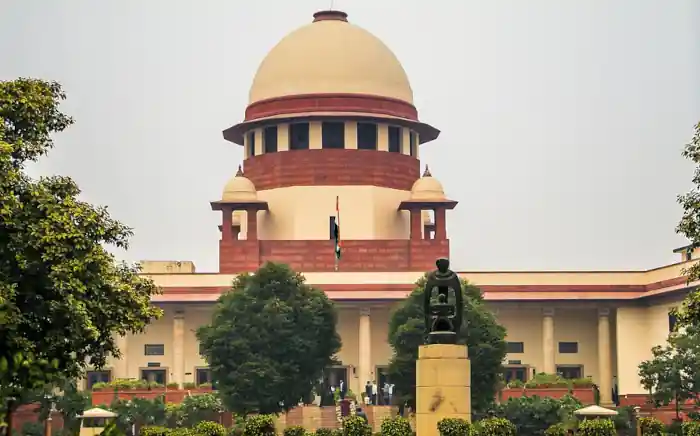
Post-colonial states in Asia and Africa developed their own legal and governance systems, often blending indigenous traditions with inherited colonial frameworks. In India, the adoption of the Constitution of India on 26 January 1950 established a sovereign democratic republic with a comprehensive legal framework guaranteeing fundamental rights, directive principles, and an independent judiciary. Institutions such as the Supreme Court of India in New Delhi became central to the interpretation and enforcement of constitutional law.
The development of international law expanded significantly in the 20th century, addressing issues such as war crimes, trade, environment, and human rights. Institutions like the International Court of Justice (ICJ) in The Hague and the World Trade Organization (WTO), established in 1995, illustrate the growing importance of global governance mechanisms. Legal scholars from institutions such as Yale Law School, London School of Economics, and the National Law School of India University (Bangalore, established 1987) contributed to the evolution of transnational legal discourse.
In contemporary times, law and governance are increasingly influenced by technological advancements, globalization, and complex socio-political challenges. The rise of digital governance, cyber law, and data protection regulations reflects the need to regulate emerging domains. The General Data Protection Regulation (GDPR) implemented by the European Union in 2018 represents a significant development in privacy law. Similarly, debates around artificial intelligence, surveillance, and algorithmic accountability are reshaping legal frameworks.
Governance today encompasses not only state institutions but also non-state actors, including multinational corporations, non-governmental organizations, and international bodies. Concepts such as good governance, emphasizing transparency, accountability, participation, and rule of law, are central to development discourse. Institutions like the World Bank and International Monetary Fund (IMF) promote governance reforms in developing countries.
The role of judiciaries has expanded in many democracies, with courts actively engaging in judicial review and public interest litigation. In countries like India, landmark judgments delivered by the Supreme Court in cases such as the Kesavananda Bharati case (1973) established the basic structure doctrine, limiting the power of constitutional amendments. Similarly, in the United States, decisions by the Supreme Court in cases like Brown v. Board of Education (1954) advanced civil rights and equality.
Education and research institutions continue to shape the future of law and governance. Universities such as Cambridge University, Columbia Law School, and Jawaharlal Nehru University (New Delhi) serve as centers for legal scholarship, policy analysis, and training of future leaders. The interdisciplinary nature of governance studies incorporates insights from political science, economics, sociology, and public administration.
Dharmic Governance in India
Law and Governance as a civilizational construct in the Indian subcontinent evolved through a deeply rooted philosophical, ethical, and institutional framework that can be traced back to the earliest strata of Dharmic thought. The foundations of governance in ancient India were not merely administrative but were integrally tied to the concept of Dharma, a multi-layered principle encompassing cosmic order, social duty, moral law, and justice. The earliest articulation of this system can be located in the period of the Vedic Civilisation, roughly dated between 4500 BCE and 500 BCE, where governance was intertwined with ritual authority, social hierarchy, and ethical obligations as recorded in texts like the Rigveda, Yajurveda, and later the Dharmashastras. The idea of Rta (cosmic order) gradually evolved into Dharma, which became the guiding principle for rulers, subjects, and institutions alike.
In this early period, governance structures were semi-tribal and participatory, with assemblies such as the Sabha and Samiti playing significant roles in decision-making. Kingship was not absolute; rather, it was conditional upon adherence to Dharma. The king, often referred to as Rajan, was expected to uphold justice, maintain order, and protect the people. This proto-constitutional framework emphasized accountability, with the king seen as a trustee rather than a sovereign in the modern sense.
The ideal embodiment of Dharmic governance is most vividly illustrated in the life and rule of Lord Rama of Sun dynasty, whose reign, often referred to as Rama Rajya, is traditionally dated to the legendry Treta Yuga but is culturally situated in texts compiled between 1500 BCE and 1450 BCE. According to the Ramayana, attributed to sage Valmiki, Rama ruled from Ayodhya and exemplified the highest standards of justice, moral rectitude, and administrative efficiency. His governance was characterized by impartial justice, welfare of subjects, and strict adherence to Dharma and uphelding the Dharma (Rule for Law), even at personal cost.
The philosophical expansion of Dharmic governance is further elaborated in the teachings of Lord Krishna, particularly in the Bhagavad Gita, composed around 5th century BCE to the 2nd century BC. Krishna’s discourse to Arjuna on the battlefield of Kurukshetra during the Kurukshetra War provides a profound treatise on duty, righteousness, and governance. Krishna redefines Dharma not as rigid adherence to rules but as context-sensitive action aligned with cosmic justice. His counsel legitimizes the use of force in governance when it serves the greater good, thereby introducing a pragmatic dimension to Dharmic law.
The application of these principles is historically associated with the reign of Yudhishthira, the eldest of the Pandavas, who ruled from Hastinapur and later Indraprastha. His rule, though embedded in epic tradition, reflects ideals of न्याय (justice), सत्य (truth), and लोकसंग्रह (welfare of the people). Yudhishthira’s governance is often cited in classical texts as a model of ethical kingship, where the ruler is bound by Dharma and guided by wise counsel, including that of sages like Vyasa.
The transition from mytho-historical narratives to more structured political theory is marked by the contributions of Kautilya, also known as Chanakya, who lived around 350 BCE to 275 BCE. His seminal work, the Arthashastra, composed in Pataliputra, represents one of the earliest comprehensive treatises on statecraft, law, and governance. Kautilya’s approach, while grounded in Dharmic principles, introduces a realist perspective emphasizing power, espionage, economic management, and administrative efficiency. He delineates the duties of the king, the structure of the bureaucracy, the functioning of courts, and the codification of laws. His influence is most notably seen in the establishment of the Maurya Empire under Chandragupta Maurya around 321 BCE.
The Mauryan period, particularly under Ashoka the Great (reigned 268 BCE – 232 BCE), marks a significant evolution in Dharmic governance. Following the Kalinga War around 261 BCE, Ashoka embraced Buddhism and propagated a policy of Dhamma, which emphasized non-violence, tolerance, and welfare. His edicts, inscribed on pillars and rocks across the subcontinent, from Sarnath to Girnar, represent one of the earliest examples of state communication and legal proclamation. These edicts outline moral guidelines, administrative reforms, and social welfare measures, reflecting a synthesis of Dharmic ethics and imperial governance.
Subsequent dynasties continued to adapt and apply these principles within their own contexts. The Gupta Empire (circa 320 CE – 550 CE) under rulers like Chandragupta I and Samudragupta saw the flourishing of legal institutions, education, and cultural development. Centers like Takshila and Nalanda University became hubs of legal and philosophical discourse, attracting scholars from across Asia. The Gupta administration emphasized decentralized governance, with local bodies playing significant roles, while the king acted as the ultimate arbiter of justice.
The Pala Empire (8th to 12th centuries CE), particularly under Dharmapala, further institutionalized Dharmic governance through patronage of Buddhist institutions and legal pluralism. Universities like Vikramashila University were established, contributing to the development of jurisprudence and administrative practices. The Palas maintained a balance between central authority and regional autonomy, reflecting the adaptive nature of Dharmic law.
Similarly, the Satavahana Dynasty (circa 1st century BCE to 3rd century CE) implemented governance systems that integrated local customs with Dharmic principles. Their inscriptions, found in places like Amaravati, indicate a structured administrative system with officials responsible for revenue, justice, and public works.
The Rashtrakuta Empire (8th to 10th centuries CE) and the Vijayanagara Empire (1336 CE – 1646 CE) further exemplify the continuity and evolution of Dharmic governance. The Rashtrakutas, ruling from Manyakheta, developed sophisticated administrative systems and patronized legal scholarship. The Vijayanagara rulers, particularly Krishnadevaraya (reigned 1509–1529 CE), implemented a robust system of governance that combined military strength with economic prosperity and cultural patronage. Their capital at Hampi was a center of legal and administrative innovation.
The Maratha period under Chhatrapati Shivaji Maharaj (1630–1680 CE) represents a पुनरुत्थान (revival) of Dharmic governance in the early modern period. Shivaji established a प्रशासनिक प्रणाली (administrative system) rooted in justice, meritocracy, and local participation. His coronation in 1674 CE at Raigad Fort symbolized the स्थापना (establishment) of a sovereign Hindu polity. He instituted the Ashta Pradhan council, a cabinet of eight ministers responsible for various aspects of governance, including finance, foreign affairs, and justice. Shivaji’s policies emphasized religious tolerance, protection of women, and efficient revenue collection, reflecting a synthesis of traditional Dharmic values and contemporary administrative needs.
Throughout this long historical trajectory, the concept of law in India remained deeply intertwined with morality, religion, and social norms. Unlike the codified legal systems of the West, Indian law evolved through texts, customs, and judicial interpretations. Institutions such as temples, guilds, and village councils played significant roles in dispute resolution and governance. The continuity of Dharmic principles across different dynasties and regions underscores the resilience and adaptability of this system.
The evolution of law and governance in India, from the Vedic period through the epics and into historical empires, reflects a unique synthesis of ethical philosophy and practical administration. The emphasis on Dharma as the आधार (foundation) of governance ensured that rulers were bound by moral obligations and accountable to their subjects. From the आदर्श (ideal) of Lord Rama to the राजनीतिक यथार्थवाद (political realism) of Kautilya, and from the सम्राटीय नीति (imperial policy) of Ashoka the Great to the स्वराज्य (self-rule) of Chhatrapati Shivaji Maharaj, the Indian tradition of governance offers a rich and enduring legacy that continues to inform contemporary discussions on law, justice, and statecraft.
Read also: Dharmic Administration of India in 300 BCE
Volume 1: History of Law & Governance
1. Ancient Legal Systems (Before 500 BCE)
- Ur-Nammu code (c. 2100 BCE, Sumerian) – Earliest known legal code (fines, not corporal punishment)
- Code of Lipit-Ishtar (c. 1870 BCE, Mesopotamia)
- Code of Hammurabi (c. 1754 BCE, Babylon) – “Eye for an eye,” 282 laws, presumption of innocence, written in stone
- Ancient Egyptian law – Ma’at (cosmic order, truth, justice), pharaoh as supreme judge, legal papyri
- Ancient Indian law – Dharmaśāstra, Manusmriti (Laws of Manu, c. 200 BCE–200 CE), caste-based duties, punishment
- Ancient Chinese law – Legalism (Shang Yang, Han Feizi), Qin dynasty codification (221 BCE), harsh punishments
- Hebrew law – Torah (Pentateuch), Ten Commandments, Mosaic law (613 mitzvot), Talmudic interpretation, halakha (Jewish law)
- Greek law – Draco (c. 621 BCE, “draconian” severity), Solon’s reforms (594 BCE, debt slavery abolished, juries), Athenian democracy, dikasteria (people’s courts)
2. Roman Law (753 BCE – 1453 CE)
- Law of the Twelve Tables (449 BCE) – First Roman codification, foundation of Roman law
- Praetor’s edicts – Development of jus gentium (law of nations) and jus naturale (natural law)
- Roman jurists – Gaius (Institutes), Ulpian, Papinian, Paulus, Modestinus
- Corpus Juris Civilis (528–534 CE, Emperor Justinian) – Digest (Pandects), Codex, Institutes, Novellae; preserved Roman law, influenced Europe
- Concepts – Pacta sunt servanda (agreements must be kept), res judicata (matter already judged), bona fides (good faith)
3. Medieval & Canon Law (500 – 1500 CE)
- Canon law – Law of the Catholic Church, Decretum Gratiani (c. 1140), Corpus Juris Canonici (1582), regulated marriage, inheritance, heresy
- Feudal law – Land tenure, vassalage, homage, fiefs, manorial courts
- English common law – Henry II (1154–1189), royal courts, itinerant judges, writ system, precedent (stare decisis)
- Magna Carta (1215) – Due process, limits on royal power, habeas corpus precursor
- Islamic law (Sharia) – Quran, Sunnah (Hadith), Ijma (consensus), Qiyas (analogy), four Sunni schools (Hanafi, Maliki, Shafi’i, Hanbali), Shia (Ja’fari)
- Merchant law (Lex Mercatoria) – Medieval trade customs, maritime law (Lex Rhodia, Rolls of Oléron)
4. Early Modern & Enlightenment (1500 – 1800)
- Treaty of Westphalia (1648) – Sovereignty, non‑interference, modern nation‑state system
- Thomas Hobbes – Leviathan (1651), social contract, absolute sovereignty
- John Locke – Two Treatises of Government (1689), natural rights (life, liberty, property), consent of governed, right of revolution
- Montesquieu – The Spirit of the Laws (1748), separation of powers (legislative, executive, judicial)
- Jean‑Jacques Rousseau – The Social Contract (1762), popular sovereignty, general will
- Blackstone’s Commentaries (1765–1769) – Systematic English common law, influenced US founders
- US Constitution (1787) – Separation of powers, federalism, Bill of Rights (1791)
- French Declaration of the Rights of Man and of the Citizen (1789) – Liberty, equality, fraternity
- Napoleonic Code (1804) – Civil law codification, property rights, contract, family law, influenced Europe & world
5. 19th & 20th Century Developments (1800 – 2000)
- Abolition of slavery – UK Slavery Abolition Act (1833), US 13th Amendment (1865)
- Women’s suffrage – New Zealand (1893), UK (1918/1928), US (1920), Switzerland (1971)
- International law – Hague Conventions (1899, 1907), League of Nations (1919), UN Charter (1945), Nuremberg Trials (1945–1946), Geneva Conventions (1949)
- Universal Declaration of Human Rights (1948) – Civil, political, economic, social, cultural rights
- Civil rights movement – Brown v. Board of Education (1954), Civil Rights Act (1964), Voting Rights Act (1965)
- Environmental law – Clean Air Act (1963, 1970), Clean Water Act (1972), EPA (1970), Kyoto Protocol (1997)
- European integration – Treaty of Rome (1957), Maastricht Treaty (1992), European Union (1993)
- End of colonialism – UN decolonization (1960), independence waves (Africa, Asia, Caribbean)
- Post‑apartheid – South Africa democratic transition (1994), Truth and Reconciliation Commission
6. 21st Century to 2026: Modern Challenges
- Digital governance – E‑government, digital IDs, online voting, algorithmic regulation
- Cybersecurity law – Data breaches, hacking, cyberwarfare (Tallinn Manual), ransomware (Colonial Pipeline 2021)
- Privacy & data protection – GDPR (EU, 2018), CCPA (California, 2020), global privacy frameworks
- AI governance – EU AI Act (2024), facial recognition bans, liability for autonomous systems
- Climate governance – Paris Agreement (2015), net‑zero pledges (2020s), climate litigation (Urgenda, Juliana)
- Pandemic law – COVID‑19 emergency powers, vaccine mandates, travel restrictions, digital health passes
- Social justice movements – Black Lives Matter (2013–2026), #MeToo, anti‑corruption protests (India, Brazil, Lebanon)
- Democratic backsliding – Hungary, Poland, Turkey, erosion of judicial independence, media freedom
- Global tax reform – OECD/G20 global minimum tax (15%, 2021–2026), digital services taxes
Volume 2: Core Branches of Law
7. Constitutional Law
- Constitution – Supreme law, fundamental rights, state structure, amendment procedures
- Judicial review – Marbury v. Madison (1803, US), power to strike down unconstitutional laws
- Federalism – Division of powers (national vs. subnational), enumerated vs. residual powers
- Separation of powers – Legislative (makes law), executive (enforces law), judicial (interprets law)
- Fundamental rights – Free speech, religion, assembly, due process, equal protection, right to privacy
- Emergency powers – Martial law, suspension of habeas corpus, state of exception (Carl Schmitt)
8. Criminal Law
- Substantive criminal law – Elements of crime (actus reus, mens rea, causation), defenses (insanity, self‑defense, duress, necessity, intoxication)
- Categories of crime – Felony (serious, >1 year prison), misdemeanor (less serious), infraction (fine only)
- Specific crimes – Homicide (murder 1st/2nd degree, manslaughter, negligent homicide), assault, battery, theft (larceny, robbery, burglary, embezzlement, fraud), sex crimes, drug offenses, white‑collar crime (insider trading, money laundering, bribery)
- Criminal procedure – Arrest, search & seizure (4th Amendment, exclusionary rule), Miranda rights (5th Amendment), preliminary hearing, grand jury, indictment, arraignment, discovery, trial (jury selection, opening statements, evidence, cross‑examination, closing arguments, jury instructions, verdict), sentencing (guidelines, mandatory minimums, death penalty), appeal
- Punishment theories – Retribution, deterrence (general/specific), incapacitation, rehabilitation, restoration
- Juvenile justice – Delinquency, juvenile courts, rehabilitation focus
9. Civil Law
- Civil vs. criminal – Preponderance of evidence (not beyond reasonable doubt), plaintiff vs. defendant, remedies (damages, injunctions, specific performance)
- Contract law – Offer, acceptance, consideration, capacity, legality, breach, remedies (compensatory, consequential, punitive, specific performance), defenses (duress, undue influence, misrepresentation, mistake, unconscionability)
- Tort law – Negligence (duty, breach, causation, damages), strict liability (product liability, abnormally dangerous activities), intentional torts (battery, assault, false imprisonment, defamation, trespass, nuisance)
- Property law – Real property (land, buildings), personal property (tangible, intangible), ownership, possession, leases, easements, mortgages, adverse possession
- Family law – Marriage, divorce (grounds, no‑fault, division of property, alimony), child custody (legal/physical, best interest standard), child support, adoption, surrogacy, domestic violence
- Succession (wills & estates) – Testate (with will), intestate (without will), probate, executor, trust, inheritance tax
10. Administrative Law
- Agency rulemaking – Notice‑and‑comment, informal vs. formal rulemaking
- Adjudication – Administrative law judges (ALJs), due process in agency proceedings
- Judicial review – Chevron deference (US, 1984–2024, overruled 2024), hard look doctrine, arbitrary and capricious standard
- Examples – FDA (drug approval), EPA (environmental regulations), SEC (securities), IRS (tax), DHS (immigration)
11. Commercial & Corporate Law
- Business entities – Sole proprietorship, partnership (general, limited), limited liability company (LLC), corporation (C‑corp, S‑corp), non‑profit
- Corporate governance – Shareholders, board of directors, officers, fiduciary duties (care, loyalty, good faith)
- Securities law – Public offerings (IPO, registration statement, prospectus), insider trading (SEC Rule 10b‑5), reporting (10‑K, 10‑Q, 8‑K), Sarbanes‑Oxley Act (2002), Dodd‑Frank Act (2010)
- Bankruptcy – Chapter 7 (liquidation), Chapter 11 (reorganization), Chapter 13 (wage earner), automatic stay, discharge
- Antitrust (competition law) – Sherman Act (1890), Clayton Act (1914), FTC Act, monopoly (illegal per se vs. rule of reason), price‑fixing, merger review (horizontal, vertical), EU competition law (TFEU Articles 101, 102)
12. International Law
- Sources – Treaties (Vienna Convention on the Law of Treaties, 1969), customary international law, general principles of law, judicial decisions (ICJ), scholarly writings
- Subjects – States (sovereignty, recognition, succession), international organizations (UN, WHO, WTO, IMF, World Bank), individuals (human rights, war crimes), non‑state actors (NGOs, multinational corporations)
- International human rights law – UDHR, ICCPR (civil/political), ICESCR (economic/social/cultural), regional systems (European Court of Human Rights, Inter‑American Court, African Court)
- International criminal law – Genocide, crimes against humanity, war crimes, aggression; ICC (Rome Statute, 1998, 124 states parties), ad hoc tribunals (ICTY, ICTR)
- Law of the sea – UNCLOS (1982, 168 parties), territorial sea (12 nm), EEZ (200 nm), continental shelf, high seas, deep seabed mining
- International environmental law – Climate change (UNFCCC, Paris Agreement), biodiversity (CBD), ozone (Montreal Protocol), transboundary pollution
- International trade law – GATT, WTO (1995), dispute settlement body (DSB), trade remedies (anti‑dumping, countervailing duties, safeguards), regional trade agreements (USMCA, RCEP)
13. Human Rights Law
- Generations of rights – First (civil/political: free speech, vote, fair trial), Second (economic/social/cultural: education, health, work), Third (solidarity: development, environment, peace)
- Monitoring bodies – UN Human Rights Council (2006), OHCHR, treaty bodies (HRC, CESCR, CERD, CAT, CRC, CEDAW, CRPD, CED)
- Regional courts – European Court of Human Rights (Strasbourg, 47 Council of Europe members), Inter‑American Court, African Court on Human and Peoples’ Rights
- Landmark cases – Brown v. Board of Education (1954, US desegregation), Roe v. Wade (1973, US abortion, overruled 2022), Obergefell v. Hodges (2015, US same‑sex marriage), Soering v. UK (1989, death row phenomenon)
14. Environmental & Energy Law
- Regulatory frameworks – Clean Air Act (US), Clean Water Act, Endangered Species Act, National Environmental Policy Act (NEPA, environmental impact statements)
- Climate law – Kyoto Protocol (1997, first commitment period 2008–2012), Paris Agreement (2015, nationally determined contributions NDCs), net‑zero legislation (UK 2019, EU 2021, US Inflation Reduction Act 2022)
- Carbon pricing – Emissions trading (EU ETS, 2005, RGGI, California Cap‑and‑Trade), carbon taxes (Sweden, Canada, UK), carbon border adjustment mechanism (CBAM, EU 2026)
- Energy law – Renewable energy mandates (Renewable Portfolio Standards), nuclear regulation (NRC, IAEA), fossil fuel permitting, offshore drilling
- Environmental justice – Executive Order 12898 (1994, US), unequal burden on minority/low‑income communities
- Biodiversity law – Convention on Biological Diversity (1992, Nagoya Protocol on genetic resources, Cartagena Protocol on biosafety)
Volume 3: Governance Systems & Political Structures
15. Forms of Government
- Democracy – Direct (Athenian, referendums), representative (parliamentary, presidential, semi‑presidential)
- Monarchy – Absolute (Saudi Arabia, Brunei), constitutional (UK, Japan, Sweden, Spain)
- Republic – Head of state not monarch, elected or appointed (US, France, Germany, India)
- Authoritarianism – Single‑party (China, North Korea, Vietnam), military junta (Myanmar, Sudan), absolute monarchy, personalist dictatorship (Syria, Belarus)
- Theocracy – Iran (Supreme Leader, Guardian Council), Vatican (Holy See)
- Federation – Division of sovereignty (US, Germany, India, Brazil, Australia)
- Unitary state – Centralized (France, Japan, UK, China)
16. Branches of Governance
- Legislative – Unicameral (one chamber, e.g., China NPC, Sweden Riksdag), bicameral (upper house: Senate, House of Lords, Rajya Sabha; lower house: House of Representatives, Lok Sabha, Bundestag); functions: lawmaking, budget, oversight, representation
- Executive – Head of state (president, monarch), head of government (prime minister, chancellor), cabinet, civil service, agencies; functions: law enforcement, foreign policy, command military, veto power
- Judicial – Court hierarchy (supreme court, appellate courts, trial courts), judicial independence, judicial review, appointment/tenure (life tenure US, mandatory retirement many countries)
17. Electoral & Voting Systems
- Majoritarian – First‑past‑the‑post (UK, US, India, Canada), two‑round system (France, Brazil)
- Proportional representation (PR) – Party list (Israel, Netherlands, South Africa), mixed‑member proportional (Germany, New Zealand, Scotland)
- Single transferable vote (STV) – Ireland, Malta, Australian Senate
- Electoral districts – Redistricting, gerrymandering (packing, cracking), independent redistricting commissions
- Voting methods – In‑person, postal, early voting, electronic voting, ranked‑choice voting (RCV, Australia, Maine, Alaska)
18. Public Policy & Administration
- Policy cycle – Agenda setting, formulation, adoption, implementation, evaluation
- Bureaucracy – Weberian model (hierarchy, merit, impersonality), New Public Management (NPM, privatization, performance metrics)
- Regulatory policy – Cost‑benefit analysis, deregulation, regulatory capture
- Social policy – Welfare state (universal vs. targeted), social security, unemployment insurance, affordable housing, food assistance (SNAP)
- Economic policy – Fiscal policy (taxation, government spending), monetary policy (central bank, interest rates, quantitative easing)
19. Local & Regional Governance
- Municipal government – Mayor‑council, council‑manager, commission
- Devolution – Transfer of powers from central to regional/local (Scotland, Wales, Northern Ireland; Catalonia; Quebec)
- Special districts – School districts, water districts, transportation authorities
- Intergovernmental relations – Grants‑in‑aid (block, categorical, matching), mandates, preemption
20. Global Governance & International Organizations
- United Nations (UN) – General Assembly (193 members), Security Council (5 permanent – US, UK, France, Russia, China, 10 elected), Secretariat (Secretary‑General), ICJ, ECOSOC, Trusteeship Council
- Bretton Woods institutions – World Bank (IBRD, IDA), International Monetary Fund (IMF)
- World Trade Organization (WTO) – Dispute settlement, trade rounds (Doha, 2001–, stalled), ministerial conferences
- Regional organizations – European Union (27 members, supranational), African Union (55 members), ASEAN (10 members), OAS (35 members), SAARC (8 members)
- G7, G20 – Informal economic governance
- NGOs & civil society – Amnesty International, Human Rights Watch, Greenpeace, Transparency International
Volume 4: Legal Systems & Traditions
21. Major Legal Families
- Civil law (Romano‑Germanic) – Codified statutes, inquisitorial procedure, judges as investigators; France (Napoleonic), Germany (BGB), Japan, most of Europe, Latin America, East Asia
- Common law – Judicial precedent (stare decisis), adversarial procedure, juries; England & Wales, US (except Louisiana), Canada (except Quebec), Australia, India, Ireland
- Religious law – Islamic law (Sharia, applied in Saudi Arabia, Iran, some family law in Egypt, Indonesia), Jewish law (Halakha, Israel family law), Canon law (Vatican, Catholic Church)
- Customary law – Indigenous legal systems (First Nations, Aboriginal Australians, Maori, many African communities), unwritten, community‑based
- Mixed systems – Scotland (civil + common), South Africa (Roman‑Dutch + common), Louisiana (civil + common), Quebec (civil for private law)
22. Court Systems & Procedure
- Trial courts – Court of first instance, judge (bench trial) or jury (jury trial), evidence presentation, witnesses, exhibits
- Appellate courts – Review errors of law, not re‑try facts, panels of judges, written briefs, oral arguments
- Supreme court – Final appellate authority, discretionary review (certiorari), constitutional interpretation
- Alternative dispute resolution (ADR) – Arbitration (binding), mediation (non‑binding), conciliation, negotiation
- Specialized courts – Bankruptcy, tax, family, juvenile, administrative, drug courts, mental health courts
23. Legal Professions & Actors
- Judges – Appointment (election, merit selection, executive appointment), tenure, recusal, judicial ethics
- Lawyers (attorneys, advocates) – Bar admission, legal ethics (client confidentiality, conflict of interest), pro bono, specialization
- Prosecutors – Criminal charges, plea bargaining, sentencing recommendations
- Public defenders – Indigent defense, right to counsel (Gideon v. Wainwright, 1963)
- Legal scholars – Law reviews, legal commentary, influence on courts
- Legal aid – Civil legal assistance for low‑income persons
Volume 5: Legal Theory & Philosophy
24. Schools of Jurisprudence
- Natural law – Universal moral principles, law must be just (Aquinas, Locke, Finnis), lex injusta non est lex
- Legal positivism – Law is command of sovereign, separate from morality (Austin, Bentham, Hart), Hart’s rule of recognition
- Legal realism – Law is what courts do, not what rules say (Holmes, Llewellyn, Frank)
- Critical legal studies (CLS) – Law perpetuates inequality (Duncan Kennedy, Roberto Unger)
- Feminist jurisprudence – Law’s gender bias, equality vs. difference (Mackinnon, Gilligan)
- Critical race theory (CRT) – Law perpetuates racial hierarchy (Derrick Bell, Kimberlé Crenshaw, intersectionality)
- Law and economics – Efficiency, cost‑benefit, Coase theorem, Posner
- Sociological jurisprudence – Law as social phenomenon (Ehrlich, Pound, Selznick)
25. Key Legal Concepts
- Rule of law – No one above law, legal certainty, equality before law, access to justice
- Due process – Procedural (notice, hearing, impartial tribunal), substantive (protection from arbitrary government action)
- Equal protection – Suspect classifications (race, national origin, religion), intermediate scrutiny (gender), rational basis (economic)
- Separation of powers – Checks and balances, non‑delegation doctrine
- Federal supremacy – Federal law overrides conflicting state law (US Supremacy Clause)
- Sovereignty – Internal (supreme authority within territory), external (independence from foreign control)
- Legal personality – Natural persons, legal persons (corporations, governments, international organizations)
Volume 6: Contemporary & Emerging Issues (up to 2026)
26. Digital Governance & Internet Law
- Net neutrality – Common carrier, no blocking/throttling/paid prioritization (US FCC repealed 2017, California law, EU regulation)
- Content moderation – Section 230 (US, platforms not liable for user content), EU Digital Services Act (2022, notice‑and‑action, risk assessments)
- E‑commerce law – Electronic signatures (E‑SIGN Act, eIDAS), consumer protection (distance selling, right of withdrawal)
- Cybercrime – Computer Fraud and Abuse Act (CFAA, US), Budapest Convention (2001, cybercrime treaty), ransomware (illegal), hacking (unauthorized access)
- Cryptocurrency regulation – Bitcoin, Ethereum; SEC enforcement (unregistered securities), FinCEN (money laundering), FATF Travel Rule, stablecoin regulation (2023–2026)
- Decentralized autonomous organizations (DAOs) – Legal status (Vermont, Wyoming), liability, governance tokens
- Smart contracts – Enforceability, self‑executing code, oracles, dispute resolution
27. Artificial Intelligence & Law
- AI regulation – EU AI Act (2024, risk‑based: unacceptable, high, limited, minimal), prohibited practices (social scoring, real‑time facial recognition in public, except narrow exceptions)
- Liability for AI – Product liability (defective AI), negligence (autonomous vehicles – Tesla, Waymo), criminal liability (who is responsible?)
- Generative AI & copyright – Training data (fair use? scraping copyrighted works), output copyrightability (US Copyright Office: human authorship required, 2023–2026), liability for hallucinations
- AI in legal practice – Legal research (Lexis+, Westlaw AI), document review (eDiscovery), predictive analytics (case outcomes), generative AI for drafting (GPT‑4, Claude), ethical rules (competence, supervision, confidentiality)
28. Privacy & Data Protection
- GDPR (EU, 2018) – Rights (access, rectification, erasure – “right to be forgotten”, data portability, object), lawful bases (consent, contract, legal obligation, vital interests, public task, legitimate interests), DPO, fines (up to €20M or 4% global revenue)
- US privacy laws – CCPA/CPRA (California), VCDPA (Virginia), CPA (Colorado), UCPA (Utah), CTDPA (Connecticut), no comprehensive federal law
- Cross‑border data transfers – Privacy Shield (invalidated Schrems II, 2020), EU‑US Data Privacy Framework (2023), standard contractual clauses (SCCs), binding corporate rules (BCRs)
- Biometric information – BIPA (Illinois), facial recognition regulation (San Francisco ban, EU restrictions)
- Children’s privacy – COPPA (US, under 13), UK Age Appropriate Design Code, EU GDPR (age of consent for digital services 13‑16)
29. Environmental & Climate Law (2026)
- Climate litigation – Urgenda (Netherlands, 2019 – government must reduce emissions), Neubauer v. Germany (2021), Juliana v. US (ongoing, youth plaintiffs), Smith v. Fonterra (NZ, 2024)
- Loss & damage – UNFCCC COP27 (2022, fund established), COP28 (2023, operationalized)
- Fossil fuel phase‑out – Beyond Oil and Gas Alliance (BOGA), International Energy Agency (IEA) net‑zero roadmap, litigation against oil majors (Shell, Exxon, Chevron)
- Biodiversity law – Kunming‑Montreal Global Biodiversity Framework (2022, 30×30 target – protect 30% of land and ocean by 2030)
- Plastic pollution treaty – UN negotiations (2022–2024, ongoing as of 2026), global plastics cap
30. Human Rights in 21st Century
- Digital rights – Access to internet (UN declared human right 2016), freedom of expression online (social media bans, hate speech), encryption
- Economic & social rights enforcement – South Africa (constitutional right to housing, health), India (right to food, right to education), ICESCR Optional Protocol (individual complaints, 2013)
- Business & human rights – UN Guiding Principles (Ruggie, 2011), OECD Due Diligence Guidance, mandatory human rights due diligence (Germany Supply Chain Act 2023, EU Corporate Sustainability Due Diligence Directive 2024)
- Refugee & migrant rights – UN Global Compacts (Migration, Refugees, 2018), EU Pact on Migration and Asylum (2024), US Title 42 (COVID era, ended 2023)
- Transitional justice – Truth commissions (South Africa, Colombia), reparations, prosecutions (ICC), lustration
31. Corruption & Anti‑Corruption
- Definitions – Bribery, embezzlement, extortion, nepotism, cronyism, patronage, influence peddling, state capture
- International instruments – UN Convention against Corruption (UNCAC, 2005), OECD Anti‑Bribery Convention (1999)
- Anti‑corruption agencies – ICAC (Hong Kong), KPK (Indonesia), CBI (India), FBI (US), NAB (Pakistan)
- Whistleblower protection – False Claims Act (US, qui tam), EU Whistleblower Directive (2019)
- Political finance regulation – Campaign finance limits, disclosure of donations (FEC), public funding
Volume 7: People, Institutions & Landmark Cases
32. Key Legal & Governance Thinkers
- Hammurabi, Plato, Aristotle, Cicero, Justinian, Gratian, Thomas Aquinas, Machiavelli, Hobbes, Locke, Montesquieu, Rousseau, Blackstone, Bentham, Austin, Marx, Dicey, Kelsen, Hart, Fuller, Dworkin, Rawls, Habermas, Foucault, Derrida, Crenshaw, MacKinnon, Sunstein, Posner, Scalia, Ginsburg, Breyer, O’Connor
33. Major Courts & Tribunals
- International Court of Justice (ICJ) – Peace Palace, The Hague (contentious cases, advisory opinions)
- International Criminal Court (ICC) – The Hague (2002, Rome Statute)
- European Court of Human Rights (ECtHR) – Strasbourg
- Court of Justice of the European Union (CJEU) – Luxembourg
- Inter‑American Court of Human Rights – San José, Costa Rica
- African Court on Human and Peoples’ Rights – Arusha, Tanzania
- US Supreme Court – Washington, DC (9 justices, lifetime appointment, Marbury v. Madison, Brown v. Board, Roe v. Wade, Dobbs, Citizens United, Bruen, Dobbs)
- Supreme Court of India – New Delhi (public interest litigation, basic structure doctrine)
- Federal Constitutional Court (Germany) – Karlsruhe (Bundesverfassungsgericht)
- Supreme Court of the United Kingdom – London (replaced House of Lords 2009)
34. Landmark Cases (Selection by Jurisdiction)
- US – Marbury v. Madison (1803, judicial review), McCulloch v. Maryland (1819, implied powers), Dred Scott (1857, overturned by 13th/14th Amendments), Plessy v. Ferguson (1896, “separate but equal,” overruled Brown 1954), Brown v. Board of Education (1954, desegregation), Miranda v. Arizona (1966, right to remain silent), Roe v. Wade (1973, abortion, overruled Dobbs 2022), Citizens United v. FEC (2010, corporate political spending), Obergefell v. Hodges (2015, same‑sex marriage), Dobbs v. Jackson Women’s Health (2022, abortion returned to states)
- UK – Entick v. Carrington (1765, no search without warrant), Donoghue v. Stevenson (1932, negligence law, “neighbour principle”), Factortame (1990, supremacy of EU law over UK statute)
- India – Kesavananda Bharati (1973, basic structure doctrine), Maneka Gandhi (1978, due process), Navtej Singh Johar (2018, decriminalized homosexuality)
- ECtHR – Soering v. UK (1989, no extradition to death penalty), A, B & C v. Ireland (2010, abortion rights)
- ICJ – Nicaragua v. US (1986, illegal mining harbors), Bosnia v. Serbia (2007, genocide), Rohingya case (Gambia v. Myanmar, 2019–)
35. Major Governance Institutions
- United Nations (193 member states, 1945)
- European Union (27 members, 1993)
- African Union (55 members, 2002)
- ASEAN (10 members, 1967)
- Organization of American States (35 members, 1948)
- Commonwealth of Nations (56 members)
- G7, G20
- World Bank, IMF, WTO
- Council of Europe (46 members, human rights, ECtHR)
- OECD (38 members, economic cooperation)
Volume 8: Appendices & Reference
Appendix A: Glossary of 500+ Legal & Governance Terms
- Abrogate to Writ of certiorari (including: amicus curiae, attorney general, burden of proof, class action, concurrent jurisdiction, double jeopardy, en banc, ex parte, habeas corpus, in camera, injunction, interlocutory appeal, jus cogens, mens rea, nolo contendere, plea bargain, quasi‑judicial, res ipsa loquitur, stare decisis, sua sponte, ultra vires, voir dire)
Appendix B: Legal Citation Systems (Bluebook (US), OSCOLA (UK), McGill (Canada))
Appendix C: Comparison of Legal Systems (Civil vs. Common vs. Religious vs. Customary)
Appendix D: Treaty Database (Major multilateral treaties: UN Charter, Geneva Conventions, ICCPR, ICESCR, Paris Agreement, Rome Statute, UNCLOS, WTO agreements)
Appendix E: Constitutions (Selected: US 1787, France 1958, Germany 1949, India 1950, South Africa 1996, China 1982)
Appendix F: Governance Indicators (Worldwide Governance Indicators – WGI, Democracy Index (EIU), Freedom House, Corruption Perceptions Index (CPI), Rule of Law Index (World Justice Project))
Appendix G: Legal Education & Degrees (LL.B., J.D., LL.M., S.J.D., bar exam, law school rankings, legal clinics)
Appendix H: Timeline of Law & Governance (c. 2100 BCE – 2026)
Appendix I: Online Legal Resources
- Statutes & regulations – Cornell LII, govinfo.gov (US), legislation.gov.uk (UK), EUR‑Lex (EU)
- Case law – Google Scholar, CourtListener, Justia, BAILII (UK), CanLII (Canada), Indian Kanoon
- Treaties – UN Treaty Collection, Council of Europe Treaty Office
- Legal research platforms – Westlaw, LexisNexis (subscription), HeinOnline, JSTOR
Appendix J: Legal Careers (Lawyer, judge, prosecutor, public defender, legal aid, law professor, paralegal, compliance officer, legislative aide, lobbyist, diplomat)
Appendix K: Ethical Codes (ABA Model Rules of Professional Conduct, IBA Principles, judicial codes of conduct)
Appendix L: Human Rights Instruments (UDHR, ICCPR, ICESCR, CEDAW, CRC, CAT, CERD, CRPD, CED)
Sarvarthapedia Conceptual Network: Law and Governance
Law and Governance form an interconnected framework of rules, authority, institutions, and practices that regulate societies. This core concept links to multiple thematic clusters including historical evolution, legal theory, political systems, institutions, and global governance.
Cluster 1: Historical Foundations of Law
Ancient Legal Systems
- Code of Hammurabi
- Roman Law
- Dharmashastra and Manusmriti
- Sharia Law
Medieval Legal Developments
- Feudal Law
- Magna Carta
- Canon Law
Early Modern Transformations
- Enlightenment Thought
- Natural Law Theory
- Social Contract Theory
Modern Legal Evolution
- Constitutional Law
- Codification Movements
- International Law
Cluster 2: Political and Governance Systems
Forms of Government
- Monarchy
- Aristocracy
- Democracy
- Republic
Governance Models
- Parliamentary System
- Presidential System
- Federalism
- Unitary System
Principles of Governance
- Rule of Law
- Separation of Powers
- Checks and Balances
- Accountability
Cluster 3: Legal Theories and Philosophical Foundations
Classical Theories
- Natural Law
- Legal Positivism
- Classical Republicanism
Modern Theories
- Legal Realism
- Critical Legal Studies
- Feminist Legal Theory
Normative Concepts
- Justice
- Rights
- Liberty
- Equality
Cluster 4: Institutions of Law and Governance
Judicial Institutions
- Supreme Courts
- Constitutional Courts
- International Court of Justice
Legislative Institutions
- Parliament
- Congress
- Assemblies
Executive Institutions
- Presidency
- Cabinet
- Bureaucracy
Educational and Research Institutions
- Law Universities
- Policy Think Tanks
- Research Institutes
Cluster 5: Constitutionalism and Rights
Constitutional Frameworks
- Written Constitutions
- Unwritten Constitutions
- Amendment Procedures
Rights Systems
- Fundamental Rights
- Human Rights
- Civil Liberties
Judicial Doctrines
- Judicial Review
- Basic Structure Doctrine
- Due Process
Cluster 6: International Law and Global Governance
International Legal Systems
- Public International Law
- Private International Law
- Treaty Law
Global Institutions
- United Nations
- World Trade Organization
- International Monetary Fund
Transnational Governance
- Global Regulatory Networks
- Multilateral Agreements
- International Courts
Cluster 7: Administrative and Public Governance
Public Administration
- Civil Services
- Bureaucratic Systems
- Administrative Law
Governance Practices
- Good Governance
- Transparency
- Accountability
- Public Participation
Policy Frameworks
- Public Policy
- Regulatory Governance
- Development Administration
Cluster 8: Law, Society, and Economy
Law and Society
- Sociology of Law
- Legal Pluralism
- Customary Law
Law and Economy
- Law and Economics
- Property Rights
- Contract Law
Social Justice
- Equity
- Welfare State
- Redistribution
Cluster 9: Contemporary and Emerging Areas
Technology and Law
- Cyber Law
- Data Protection
- Artificial Intelligence Regulation
Environmental Governance
- Environmental Law
- Climate Change Policy
- Sustainable Development
Global Challenges
- Migration Law
- Terrorism and Security Law
- Public Health Governance
Cross-Linkages Between Clusters
Law and Governance ↔ Historical Foundations
Historical legal systems influence modern constitutional and governance structures.
Law and Governance ↔ Political Systems
Forms of government determine how laws are created, interpreted, and enforced.
Law and Governance ↔ Legal Theories
Philosophical theories shape interpretations of justice, rights, and authority.
Law and Governance ↔ Institutions
Institutions operationalize governance through legislation, execution, and adjudication.
Law and Governance ↔ Global Governance
International law expands governance beyond nation-states into global cooperation.
Law and Governance ↔ Society and Economy
Legal systems regulate social relations and economic transactions, ensuring stability and fairness.
Law and Governance ↔ Emerging Areas
Technological and environmental developments continuously reshape legal frameworks and governance models.
Network Integration Layer
Interdisciplinary Connections
- Political Science
- Economics
- Sociology
- Public Administration
Knowledge Flow
- Historical evolution informs modern governance
- Legal theory influences institutional practices
- Global governance reshapes domestic law
Conceptual Interdependence
- Rule of Law connects to Justice, Rights, and Accountability
- Constitutionalism links Institutions, Rights, and Governance Models
- Global Governance connects International Law, Institutions, and Policy Frameworks
Extended “See Also” Knowledge Web
Related Core Topics
- Justice System
- State and Sovereignty
- Public Policy
- Human Rights Law
- Administrative Law
Advanced Study Areas
- Comparative Law
- Jurisprudence
- Governance Studies
- International Relations
Applied Domains
- Legal Practice
- Policy Making
- Judicial Administration
- Regulatory Affairs
This cross-referenced conceptual network creates an integrated knowledge web where each cluster interlinks with others, enabling Sarvarthapedia to function as a layered, encyclopedic system of interconnected ideas in Law and Governance.