Pakistan's Role in the 2026 US–Iran War: Diplomacy, Ceasefire and Strategic Miscalculation. Image The Gulf News
The US–Iran War (2025–2026): Pakistan’s Mediation and the Limits of Regional Diplomacy
Pakistan’s Foreign Policy Crisis During the US–Iran War: Diplomacy Without Leverage
The diplomatic trajectory of Pakistan during the United States–Iran War (2026) represents one of the most ambitious yet ultimately least successful mediation efforts undertaken by Islamabad in recent decades. Although Pakistan unexpectedly emerged as the principal intermediary between Washington and Tehran, facilitating ceasefire proposals, hosting direct negotiations, and drafting the Islamabad Memorandum of Understanding, the subsequent collapse of the peace process demonstrated the limits of Pakistan’s diplomatic influence over two adversaries whose strategic objectives remained fundamentally irreconcilable. Pakistan undoubtedly achieved an important procedural success by bringing the parties to the negotiating table, yet it failed in the more consequential objective of securing a durable political settlement. The events between February and July 2026 therefore constitute an instructive example of the distinction between diplomatic facilitation and diplomatic effectiveness.
The origins of the crisis lay in the continuing deterioration of relations between the United States and the Islamic Republic of Iran following years of disagreement over Iran’s nuclear programme, regional military alliances, sanctions, ballistic missile development, and the security of maritime navigation through the Strait of Hormuz. By late February 2026, military operations expanded into open conflict after coordinated American and Israeli strikes against Iranian military and strategic installations. Iran responded with missile attacks, drone operations, and measures affecting commercial shipping in the Persian Gulf, particularly around the Strait of Hormuz, through which nearly one-fifth of the world’s traded petroleum passes. The conflict rapidly evolved from a regional confrontation into an international economic crisis as global oil prices rose sharply and maritime insurance costs increased.
The war immediately placed Pakistan in a uniquely delicate position. Geographically, Pakistan shares a long western frontier with Iran, while simultaneously maintaining longstanding security relations with the United States, deep strategic cooperation with China, extensive economic dependence upon the Gulf monarchies, and close military ties with Saudi Arabia. Unlike many regional powers that openly favoured one side, Pakistan possessed working relations with both Washington and Tehran. This unique diplomatic position encouraged both regional governments and international observers to view Islamabad as a possible mediator.
During the first week of April 2026, Pakistani diplomacy assumed an unexpectedly central role. Prime Minister Shehbaz Sharif, Field Marshal Asim Munir, and Deputy Prime Minister and Foreign Minister Ishaq Dar initiated intensive communications with American and Iranian leadership. According to multiple international reports, Pakistan proposed a two-stage peace framework. The first phase envisaged an immediate cessation of military operations and the gradual reopening of the Strait of Hormuz, while the second phase would address broader political questions including sanctions, maritime security, and future nuclear negotiations. Pakistan reportedly maintained continuous communication with senior American officials, including Vice President JD Vance, Special Envoy Steve Witkoff, and Iranian Foreign Minister Abbas Araghchi, functioning as the principal communication channel between governments that had virtually ceased direct contact.
The first major diplomatic breakthrough occurred on 8 April 2026, when President Donald Trump publicly announced a two-week ceasefire, acknowledging requests made by Prime Minister Shehbaz Sharif and Field Marshal Asim Munir. Under the understanding, the United States suspended planned air operations while Iran was expected to facilitate the safe reopening of the Strait of Hormuz. International observers regarded the announcement as Pakistan’s greatest diplomatic achievement since the Afghan peace negotiations. For the first time in decades, Islamabad appeared capable of shaping events involving two of the world’s most significant geopolitical rivals.
Yet the ceasefire exposed the essential weakness of Pakistan’s mediation. Although hostilities temporarily declined, the agreement depended entirely upon the voluntary compliance of the parties. Pakistan possessed neither military guarantees nor economic instruments capable of enforcing implementation. Within days, both Washington and Tehran accused one another of violating the understanding. The United States alleged continuing Iranian military preparations around the Gulf, while Iran objected to American naval movements and mine-clearing operations near the Strait of Hormuz. The ceasefire technically survived, but mutual confidence had already begun to erode. Pakistan could encourage restraint, but it lacked any mechanism to compel compliance.
Recognising that the temporary truce alone could not prevent renewed conflict, Pakistan organised the Islamabad Talks on 11–12 April 2026, bringing senior American and Iranian delegations together for their highest-level direct engagement since the 1979 Iranian Revolution. The presence of Vice President JD Vance reflected the significance attached to the negotiations by Washington, while Iranian participation itself represented a remarkable diplomatic concession. Pakistani officials devoted nearly twenty-one hours to continuous negotiations, attempting to reconcile divergent positions regarding nuclear enrichment, sanctions relief, maritime navigation, and regional security arrangements.
The Islamabad negotiations nevertheless concluded without agreement. The principal obstacle remained the Iranian nuclear programme. The United States demanded long-term guarantees that Iran would permanently abandon any military nuclear capability, whereas Tehran insisted upon recognition of its sovereign right to peaceful nuclear technology and rejected several American security conditions. Disagreements also continued regarding the future security regime governing the Strait of Hormuz, American military deployments in the Gulf, and the sequencing of sanctions relief. Pakistan successfully facilitated dialogue, but the substantive political differences remained unresolved.
The diplomatic setback became particularly significant because Pakistan had invested considerable political capital in the negotiations. Islamabad had presented itself as a neutral mediator acceptable to both sides. The failure of the talks did not reflect diplomatic incompetence; rather, it demonstrated the structural limitation of mediation when neither belligerent is prepared to compromise on fundamental strategic interests. In international relations, mediators may provide communication, proposals, and confidence-building measures, but they cannot substitute their own political will for that of sovereign states.
Throughout April and May 2026, Pakistan continued intensive shuttle diplomacy. Senior Pakistani officials maintained communication with Washington, Tehran, Qatar, Oman, Saudi Arabia, Türkiye, and other regional governments. At Pakistan’s request, the United States reportedly extended the ceasefire beyond its initial period to permit further negotiations. Simultaneously, Iranian representatives submitted revised proposals concerning sanctions, maritime security, and future diplomatic engagement. Pakistan’s diplomatic activity during these weeks attracted international recognition because no other regional state maintained comparable communication with both capitals.
A second diplomatic breakthrough emerged during June 2026. After prolonged negotiations, Pakistan announced that the United States and Iran had agreed upon the text of a 14-point Islamabad Memorandum of Understanding. The proposed agreement envisaged an immediate cessation of military operations, phased reopening of the Strait of Hormuz, gradual relaxation of certain sanctions, release of frozen Iranian financial assets, establishment of technical working groups, and continued negotiations in Switzerland under Pakistani and Qatari facilitation. International leaders, including the United Nations Secretary-General, publicly welcomed the agreement and praised Pakistan’s constructive role in bringing the negotiations to this stage.
Technical negotiations subsequently commenced at Bürgenstock, Switzerland, on 21–22 June 2026, involving American, Iranian, Pakistani, and Qatari representatives. The parties established specialised committees dealing with nuclear questions, sanctions, maritime security, and dispute resolution. A direct communication mechanism was also created to reduce the danger of accidental military escalation in the Persian Gulf. On paper, the diplomatic architecture appeared comprehensive and sophisticated. Pakistan had progressed from ceasefire mediation to institutional peace negotiations within less than three months.
Nevertheless, beneath these encouraging developments, the fundamental strategic contradictions remained unchanged. Washington continued insisting that Iran fundamentally restructure its nuclear programme. Tehran maintained that national sovereignty prevented acceptance of externally imposed restrictions beyond existing international obligations. Mutual distrust, accumulated over nearly five decades since the 1979 Revolution, repeatedly undermined confidence in every proposed compromise. Pakistan could facilitate meetings and draft agreements, but it could not transform the strategic calculations of either government.
The ultimate diplomatic failure became unmistakable during July 2026. The fragile ceasefire effectively collapsed after renewed military operations around the Strait of Hormuz. Iran launched missile and drone attacks against American military facilities in Qatar, Bahrain, Kuwait, and Jordan, while the United States responded with extensive air operations against more than ninety Iranian military targets. Commercial shipping again faced disruption, global energy markets experienced renewed volatility, and international concern regarding a wider regional war intensified. President Trump publicly declared the interim understanding effectively finished, although technical negotiations formally remained open.
Pakistan responded by renewing appeals for restraint and continuation of negotiations. Islamabad urged all parties to respect international law, protect freedom of navigation, and resume dialogue under the existing mediation framework. However, these appeals demonstrated precisely why the episode is frequently described as a diplomatic failure rather than a diplomatic success. Pakistan had successfully organised negotiations, secured temporary ceasefires, hosted unprecedented direct talks, and drafted comprehensive agreements, yet it proved incapable of preventing the resumption of war.
The reasons extended beyond Pakistan’s own diplomacy. Successful international mediation ordinarily requires leverage in addition to credibility. Pakistan possessed credibility with both parties, but it lacked leverage. It could neither impose sanctions upon violators, guarantee military security, provide substantial economic incentives, nor threaten meaningful political consequences for non-compliance. By contrast, mediators in earlier international settlements often combined diplomatic facilitation with financial assistance, security guarantees, or institutional enforcement mechanisms. Pakistan possessed none of these instruments.
The episode also reflected Pakistan’s broader structural position in international politics. Its economy remained dependent upon external financial institutions, its strategic partnerships required careful balancing between competing powers, and its domestic political environment limited sustained diplomatic initiatives. Consequently, although Islamabad demonstrated remarkable diplomatic energy and professionalism throughout the crisis, its influence ultimately remained subordinate to the calculations of Washington and Tehran themselves.
In retrospect, the United States–Iran War of 2026 did not expose a failure of Pakistani diplomacy in terms of effort, professionalism, or sincerity. Rather, it revealed the limitations of middle-power mediation when confronting disputes involving great-power interests, ideological rivalry, nuclear security, and regional military strategy. Pakistan succeeded in delaying escalation, creating channels of communication, and producing temporary agreements, but it failed to convert those achievements into a stable political settlement. The repeated cycle of negotiation, ceasefire, violation, and renewed hostilities illustrated that diplomatic success cannot be measured solely by the initiation of peace talks. It must ultimately be judged by the durability of peace itself, and by that standard Pakistan’s mediation, despite genuine determination and considerable international recognition, remained incomplete and ultimately unsuccessful.
The consequences of this diplomatic failure extended well beyond the battlefield and reshaped perceptions of Pakistan’s foreign policy throughout South Asia, West Asia, and among the major powers. For almost four months, Islamabad occupied an unusual position in global diplomacy. Foreign delegations travelled to Islamabad, Rawalpindi, Muscat, Doha, and Geneva, while Pakistani diplomats maintained continuous communication with the White House, the Iranian Foreign Ministry, the United Nations, and several Gulf governments. International media briefly described Pakistan as the “essential intermediary” in the crisis. Yet this prominence proved temporary. Once military operations resumed in July 2026, the international diplomatic initiative shifted away from Islamabad toward direct negotiations involving the permanent members of the United Nations Security Council and European mediators. Pakistan, despite having initiated the first ceasefire architecture, gradually returned to the position of an observer rather than a decisive participant.
One of the most significant diplomatic criticisms directed against Pakistan concerned its inability to establish an enforceable verification mechanism. Modern ceasefire agreements normally require neutral observers, satellite monitoring, military liaison teams, or an international verification commission. Pakistan’s proposals relied primarily upon political assurances exchanged between Washington and Tehran. Neither side was willing to permit foreign monitoring missions inside sensitive military zones, and Pakistan lacked the international authority to insist upon such provisions. Consequently, every alleged ceasefire violation immediately became a matter of political accusation rather than objective verification. The United States claimed that Iranian missile units remained operational despite commitments to suspend offensive preparations, while Iran argued that American reconnaissance flights and naval deployments constituted violations of the understanding. Without a mutually accepted verification mechanism, the ceasefire steadily lost credibility.
Pakistan also encountered another structural limitation arising from its own economic dependence. Throughout 2025 and 2026, Pakistan remained engaged with the International Monetary Fund, sought continued financial support from Saudi Arabia, the United Arab Emirates, and China, and simultaneously attempted to preserve constructive relations with Western governments. This economic reality inevitably influenced diplomatic calculations. Tehran occasionally questioned whether Islamabad possessed sufficient independence to resist American pressure, whereas certain American commentators expressed concern regarding Pakistan’s expanding strategic partnership with China. Thus, despite Pakistan’s repeated declarations of neutrality, each side remained uncertain regarding Islamabad’s ultimate strategic orientation.
The diplomatic challenge became even more complicated because India remained largely outside the mediation process. Traditionally, South Asian geopolitics has influenced almost every major Pakistani foreign-policy decision. However, during the United States-Iran conflict, Washington increasingly regarded India as an important strategic partner in the broader Indo-Pacific framework while simultaneously assigning Pakistan the role of mediator with Tehran. This unusual diplomatic division illustrated changing American regional priorities. Pakistan’s usefulness lay in communication with Iran, whereas India’s value rested primarily in long-term strategic competition with China. Islamabad therefore occupied an operational role rather than a strategic one. Once direct American-Iranian channels gradually reopened, Pakistan’s relative diplomatic importance inevitably declined.
Another important weakness became visible in Pakistan’s relationship with Iran itself. Although the two countries share nearly 900 kilometres of international border, bilateral relations have periodically been strained by insurgent activity, cross-border militancy, narcotics trafficking, and security operations in Balochistan and Sistan-Baluchestan. These unresolved bilateral issues limited the level of strategic confidence between the neighbours. Iranian policymakers appreciated Pakistan’s mediation but remained cautious regarding Islamabad’s close defence relationship with the United States and the Gulf monarchies. Similarly, Pakistan remained concerned that instability within southeastern Iran could spill across the frontier. Consequently, while diplomatic cooperation remained cordial, it never evolved into the deeper strategic trust required for Pakistan to influence Iranian national security decisions.
Military developments after the collapse of the ceasefire further demonstrated Pakistan’s diplomatic limitations. During renewed American air operations against Iranian military infrastructure and subsequent Iranian missile retaliation, Islamabad publicly reaffirmed its support for international law, territorial sovereignty, and peaceful dispute resolution. Nevertheless, Pakistan deliberately avoided direct criticism of either belligerent. This balanced language reflected careful diplomatic calculation, yet it also revealed the absence of meaningful alternatives. Any explicit alignment with Washington risked damaging relations with Tehran, whereas overt support for Iran threatened Pakistan’s security cooperation with the United States and important Gulf partners. Diplomatic neutrality therefore became less a strategic choice than a strategic necessity.
The conflict also exposed the limitations of middle-power diplomacy in an increasingly multipolar international system. During the twentieth century, states such as Egypt, Yugoslavia, India, and occasionally Pakistan exercised influence through the Non-Aligned Movement, acting as intermediaries between competing global blocs. By contrast, twenty-first-century international crises increasingly involve multiple great powers, overlapping economic sanctions, cyber operations, energy security, and complex regional alliances. Mediation today requires not merely diplomatic skill but also technological capabilities, financial leverage, intelligence cooperation, and multilateral institutional support. Pakistan demonstrated competence in traditional diplomatic engagement but lacked the broader instruments that contemporary mediation increasingly demands.
The episode likewise affected Pakistan’s domestic political discourse. Government officials portrayed the negotiations as evidence that Pakistan had regained international diplomatic relevance after several years of political instability and economic hardship. Opposition parties, however, argued that mediation without durable results amounted to symbolic diplomacy rather than substantive achievement. Academic commentators similarly divided in their assessments. Some praised Islamabad for preventing a wider regional war during the initial weeks of the conflict, while others contended that Pakistan overestimated its influence over two governments whose strategic objectives remained fundamentally incompatible. These debates reflected a broader question concerning Pakistan’s future foreign policy: whether the country should continue pursuing ambitious mediation roles or instead concentrate upon regional economic integration and domestic institutional reform.
From an international legal perspective, Pakistan consistently grounded its diplomatic position upon the principles contained in the United Nations Charter, particularly the peaceful settlement of disputes, non-use of force except in self-defence, and respect for state sovereignty. Pakistani representatives repeatedly emphasised that military confrontation in the Persian Gulf threatened not only regional security but also the global economy, international energy markets, and freedom of navigation. These legal arguments received considerable support within the United Nations General Assembly, yet they carried limited influence over the military calculations of the principal belligerents. The conflict once again demonstrated that international law often depends upon political consensus among major powers for its practical enforcement.
Historians are likely to compare Pakistan’s mediation during the 2026 United States-Iran War with earlier diplomatic efforts involving Camp David (1978), the Dayton Accords (1995), the Good Friday Agreement (1998), and the Doha Agreement on Afghanistan (2020). Unlike those negotiations, Pakistan’s initiative never reached the stage at which all principal issues were comprehensively settled. Instead, it remained an evolving process repeatedly interrupted by renewed military escalation. This distinction is historically significant because it illustrates that successful mediation requires not only access to decision-makers but also sufficient incentives and enforcement mechanisms to ensure compliance after agreements are signed.
Perhaps the most enduring lesson of the episode concerns the relationship between geography and diplomatic influence. Pakistan occupies one of the world’s most strategically important geographical locations, connecting South Asia, Central Asia, West Asia, and the Arabian Sea. Throughout modern history, this location has repeatedly enhanced Pakistan’s geopolitical importance, whether during the Cold War, the Soviet-Afghan War, or the Global War on Terror. Yet the events of 2026 demonstrated that strategic geography alone cannot guarantee diplomatic success. In the contemporary international system, sustained influence increasingly depends upon economic resilience, technological capacity, institutional continuity, and political credibility.
The Pakistan-mediated negotiations also revealed a paradox frequently encountered in international diplomacy. The mediator may receive international recognition for initiating peace, yet bear disproportionate criticism when peace ultimately collapses. Pakistan neither initiated the war nor controlled the military forces involved, but because it publicly associated itself with the ceasefire process, the failure of that process inevitably affected perceptions of Pakistani diplomacy. International recognition during the early stages of negotiation was therefore matched by international disappointment following renewed hostilities.
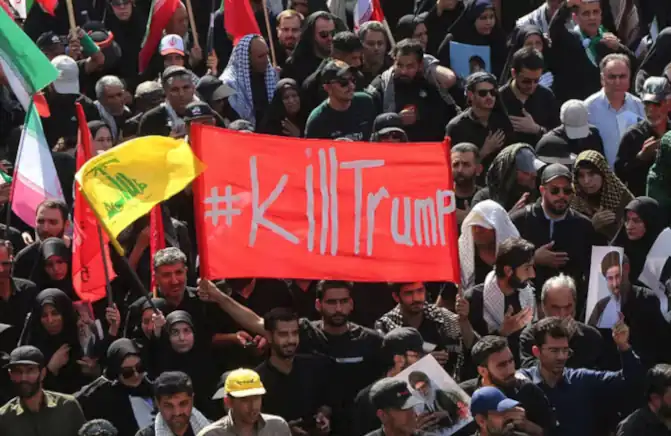
The renewed exchange of military strikes between the United States and Iran on 9 July 2026, barely weeks after the Islamabad Memorandum of Understanding and the temporary ceasefire negotiated with active Pakistani facilitation, demonstrated the practical collapse of Pakistan’s diplomatic initiative. The renewed conflict coincided with the burial of Ayatollah Ali Khamenei in Mashhad, following several days of state funeral ceremonies. At the very moment when Iranian national sentiment had reached its highest emotional intensity, American aircraft conducted one of the largest waves of strikes since the June ceasefire, targeting nearly ninety military objectives across Iran, while Tehran retaliated with missile attacks against American military facilities and allied positions in the Gulf region. President Donald Trump simultaneously declared that the fragile truce was effectively “over” and warned of further military escalation unless attacks against commercial shipping in the Strait of Hormuz ceased.
For Pakistan, these developments represented more than the collapse of a ceasefire; they constituted the collapse of the diplomatic architecture painstakingly constructed over several months. Islamabad had invested substantial political capital by presenting itself as the principal intermediary between Washington and Tehran. Pakistani officials repeatedly announced progress, hosted negotiations, proposed ceasefire formulas, and portrayed the country as an indispensable diplomatic bridge. Yet the events of 9 July 2026 revealed that neither Washington nor Tehran considered themselves politically or militarily bound by arrangements negotiated through Pakistan. The resumption of hostilities indicated that the ceasefire had become a tactical pause rather than a strategic settlement.
An important analytical question therefore arises: did both the United States and Iran merely use Pakistani diplomacy to obtain operational breathing space? Military history contains numerous examples in which negotiations occur simultaneously with force mobilisation, logistical preparation, intelligence gathering, and strategic redeployment. During the weeks of relative calm following the June memorandum, both sides retained their military capabilities, continued surveillance operations, repositioned naval forces, strengthened missile defences, and prepared contingency plans for renewed combat. From this perspective, the ceasefire may have served less as a genuine peace process than as a temporary operational pause during which each side improved its strategic position before resuming hostilities.
Whether this interpretation is ultimately correct remains a matter of historical debate. Nevertheless, the rapid return to military operations strongly suggests that neither government regarded the ceasefire as the final political settlement that Pakistan publicly described it to be. The diplomatic process lacked robust verification mechanisms, enforcement provisions, and mutual strategic trust. Consequently, once each side concluded that military operations again served its national interest, the political commitments embodied in the Islamabad framework quickly became secondary.
Pakistan’s own motivations also deserve critical examination. Since 2023, the country has experienced severe economic pressures characterised by external debt obligations, dependence upon the International Monetary Fund, currency instability, inflation, and declining foreign exchange reserves. Under such circumstances, successful international mediation offered Islamabad an opportunity to restore diplomatic prestige, demonstrate geopolitical relevance, and strengthen its standing among Western governments and Gulf partners. Foreign policy and economic policy became closely intertwined. Diplomatic visibility could potentially improve Pakistan’s international image at a time when economic assistance and investor confidence remained critically important.
From the perspective of India, however, Pakistan’s mediation produced few observable strategic gains. New Delhi neither opposed nor actively participated in the negotiations. Indian policymakers largely viewed the conflict as an external regional crisis while concentrating upon their own strategic priorities in the Indo-Pacific, technological cooperation with the United States, and domestic economic growth. As the ceasefire collapsed, Pakistan’s claim to have emerged as a decisive regional mediator lost much of its credibility in Indian strategic discourse. Instead, the episode reinforced the perception that Pakistan remained influential only so long as larger powers found its services temporarily useful. (See India)
Within the wider Islamic world, Pakistan likewise failed to translate diplomatic activity into lasting political leadership. Traditional regional powers—including Saudi Arabia, Qatar, Türkiye, and Oman—continued pursuing their own diplomatic initiatives independent of Islamabad. Although Pakistan received praise for facilitating dialogue, it did not emerge as the recognised political leader of the Islamic world. The inability to preserve the ceasefire prevented Islamabad from converting procedural diplomatic achievements into enduring strategic influence.
The relationship between Field Marshal Asim Munir and President Donald Trump also became the subject of considerable public discussion. Their meetings and public exchanges were interpreted by supporters as evidence of Pakistan’s renewed strategic importance and by critics as reflecting excessive reliance upon personal rapport rather than institutional diplomacy. In international relations, however, durable foreign policy rarely depends upon personal relationships alone. Sustainable diplomatic outcomes require institutional agreements supported by national interests on both sides. Once the military situation deteriorated, personal cordiality between leaders proved insufficient to prevent renewed conflict.
Some commentators have further argued that Pakistan expected indirect economic benefits from its mediation, including improved relations with international financial institutions and Western governments. It is reasonable to observe that diplomatic success can strengthen a country’s international standing and potentially create a more favourable environment for economic cooperation. However, there is no publicly established evidence that Pakistan’s mediation was undertaken solely or primarily in exchange for anticipated IMF assistance or other financial concessions. Such claims remain speculative unless supported by documentary evidence.
Similarly, allegations that Field Marshal Asim Munir was acting to protect or advance Donald Trump’s private cryptocurrency business in Pakistan have not been substantiated by publicly available evidence. Unless credible documentation emerges, such assertions should be treated as opinion rather than historical fact.
Ultimately, the events of 9 July 2026 demonstrated that Pakistan’s diplomatic initiative failed in its principal objective. The renewed American and Iranian strikes transformed the Islamabad peace process into little more than an interrupted chapter in an ongoing war. Pakistan succeeded in creating channels of communication and temporary ceasefires, but it failed to produce a durable political settlement. Whether the ceasefire was consciously exploited by both belligerents as an opportunity to regroup will remain a question for future historians, but the practical outcome is already evident: the diplomatic capital invested by Islamabad yielded neither lasting peace, nor enhanced regional leadership, nor decisive strategic influence. The episode therefore stands as a reminder that successful mediation requires not only access to negotiating tables but also sufficient leverage to ensure that agreements survive once the guns begin firing again.
Sarvarthapedia Cross-Referenced Conceptual Network: Pakistan’s Diplomatic Failure in the US–Iran War (2025–2026)
Core Civilizational Cluster
- United States–Iran War (2025–2026) (Central Node)
- See also:
- Pakistan’s Diplomatic Failure
- West Asian Geopolitics
- Modern Warfare
- Middle Power Diplomacy
- Nuclear Diplomacy
- International Crisis Management
- See also:
Pakistan Diplomacy Cluster
Pakistan’s Diplomatic Failure
- See also:
- Pakistan Foreign Policy
- Pakistan Military Establishment
- Islamabad Peace Process
- Shuttle Diplomacy
- Diplomatic Mediation
- Strategic Autonomy
- Pakistan–United States Relations
- Pakistan–Iran Relations
- Pakistan–Saudi Arabia Relations
- Pakistan–China Strategic Partnership
- Pakistan and IMF
- Foreign Policy Limitations
Islamabad Peace Process
- See also:
- Islamabad Memorandum of Understanding
- Ceasefire Negotiations
- Peace Conferences
- Conflict Resolution
- Confidence Building Measures
- Back-channel Diplomacy
Shuttle Diplomacy
- See also:
- Third-Party Mediation
- Quiet Diplomacy
- Negotiation Theory
- Crisis Diplomacy
- International Arbitration
United States Cluster
United States Foreign Policy
- See also:
- Donald Trump Presidency
- US National Security Strategy
- Indo-Pacific Strategy
- Maximum Pressure Policy
- Sanctions Regime
- Freedom of Navigation
- US Central Command (CENTCOM)
Donald Trump
- See also:
- America First Doctrine
- Iran Policy
- Middle East Security
- Strait of Hormuz Crisis
- US Military Intervention
- Gulf Security
Iran Cluster
Islamic Republic of Iran
- See also:
- Iranian Nuclear Programme
- Islamic Revolutionary Guard Corps
- Supreme Leader
- Mashhad
- Tehran
- Iranian Missile Programme
- Strategic Deterrence
Ayatollah Ali Khamenei
- See also:
- Iranian Leadership
- Supreme Leadership Institution
- Political Islam
- Iran–Israel Conflict
- Succession Politics
Mojtaba Khamenei
- See also:
- Iranian Political Succession
- Supreme Leadership
- Iranian Revolutionary Institutions
Military Conflict Cluster
Escalating Military Strikes
- See also:
- Air Campaign
- Missile Warfare
- Drone Warfare
- Strategic Bombing
- Precision Strike
- Retaliatory Attack
- Rules of Engagement
Ceasefire
- See also:
- Temporary Truce
- Armistice
- Peace Agreement
- Ceasefire Violation
- Verification Mechanism
- Monitoring Mission
Ceasefire Breakdown
- See also:
- Escalation Dynamics
- Renewed Hostilities
- Strategic Pause
- War Termination
- Conflict Recurrence
Maritime Security Cluster
Strait of Hormuz
- See also:
- Persian Gulf
- Maritime Chokepoints
- Energy Security
- Naval Warfare
- Freedom of Navigation
- Global Oil Trade
- Tanker Security
Maritime Security
- See also:
- Naval Strategy
- Sea Lines of Communication
- International Maritime Law
- Commercial Shipping
Nuclear Cluster
Iranian Nuclear Programme
- See also:
- Uranium Enrichment
- Nuclear Non-Proliferation
- IAEA
- Nuclear Deterrence
- Sanctions
- Arms Control
Nuclear Diplomacy
- See also:
- JCPOA
- Nuclear Negotiations
- Verification Regime
- Strategic Stability
International Relations Cluster
Middle Power Diplomacy
- See also:
- Pakistan
- Qatar
- Oman
- Türkiye
- Switzerland
- Norway
- Peace Mediation
Diplomatic Mediation
- See also:
- Conflict Resolution
- Good Offices
- Peace Process
- Negotiation
- Third-Party Intervention
Strategic Leverage
- See also:
- Economic Power
- Military Power
- Diplomatic Influence
- Great Power Politics
Balance of Power
- See also:
- Regional Security
- Alliance Politics
- Strategic Competition
- Geopolitical Rivalry
Economic Cluster
IMF and Pakistan
- See also:
- International Monetary Fund
- Economic Diplomacy
- Sovereign Debt
- Balance of Payments
- External Financing
Economic Statecraft
- See also:
- Sanctions
- Financial Leverage
- Development Assistance
- Strategic Investment
- Foreign Aid
Oil Markets
- See also:
- Brent Crude
- Energy Prices
- Petroleum Trade
- Global Inflation
- Shipping Insurance
Islamic World Cluster
Islamic Diplomacy
- See also:
- Organization of Islamic Cooperation
- Saudi Arabia
- Qatar
- United Arab Emirates
- Türkiye
- Iran
- Pakistan
Regional Leadership
- See also:
- Islamic World
- Soft Power
- Religious Diplomacy
- Political Legitimacy
India Cluster
India’s Strategic Position
- See also:
- Strategic Neutrality
- Indo-Pacific Strategy
- India–United States Partnership
- India–Middle East Relations
- Indian Foreign Policy
India’s Observation Strategy
- See also:
- Non-Intervention
- Strategic Patience
- Regional Balance
- Great Power Competition
International Law Cluster
International Humanitarian Law
- See also:
- Geneva Conventions
- Protection of Civilians
- Military Necessity
- Proportionality
- Distinction Principle
War Crimes
- See also:
- Civilian Infrastructure
- International Criminal Court
- Laws of Armed Conflict
- Human Rights
Intelligence and Strategic Studies Cluster
Strategic Intelligence
- See also:
- Military Assessment
- Satellite Surveillance
- Electronic Intelligence
- Battlefield Awareness
- Intelligence Sharing
Strategic Pause
- See also:
- Force Regeneration
- Rearmament
- Operational Planning
- Logistics
- War Preparation
Historical Comparison Cluster
Failed Peace Processes
- See also:
- Munich Agreement (1938)
- Korean Armistice (1953)
- Camp David Accords (1978)
- Oslo Accords (1993)
- Dayton Agreement (1995)
- Doha Agreement (2020)
Historical Mediation
- See also:
- Henry Kissinger’s Shuttle Diplomacy
- Oslo Peace Process
- Oman Mediation
- Qatar Mediation
- Geneva Peace Talks
Sarvarthapedia Meta-Civilizational Connections
Connects to
- Encyclopedia of International Relations
- Encyclopedia of Military Civilization
- Encyclopedia of Intelligence and Espionage
- Encyclopedia of Modern Warfare
- Encyclopedia of Pakistan
- Encyclopedia of Iran
- Encyclopedia of the United States
- Encyclopedia of Nuclear Weapons and Arms Control
- Encyclopedia of Energy Security
- Encyclopedia of Maritime Civilization
- Encyclopedia of Economic Statecraft
- Encyclopedia of International Organizations
- Encyclopedia of Diplomacy and Foreign Policy
- Encyclopedia of Conflict Resolution
- Encyclopedia of West Asian Civilization
- Encyclopedia of Islamic Civilization
- Encyclopedia of Strategic Studies
- Encyclopedia of Global Security
- Encyclopedia of Twenty-First Century Geopolitics
- Encyclopedia of Contemporary World History
- Encyclopedia of the Indo–Pakistan War of 1971
Ultimate Conceptual Web
United States–Iran War (2025–2026) → Pakistan’s Diplomatic Failure → Middle Power Diplomacy → Strategic Leverage → Economic Statecraft → Great Power Competition → International Security → Regional Balance of Power → Conflict Resolution → Peace Process → Ceasefire → Ceasefire Breakdown → Renewed War → Modern Warfare → International Humanitarian Law → Global Energy Security → Maritime Security → West Asian Geopolitics → Civilizational Security Studies → Global Strategic Order.