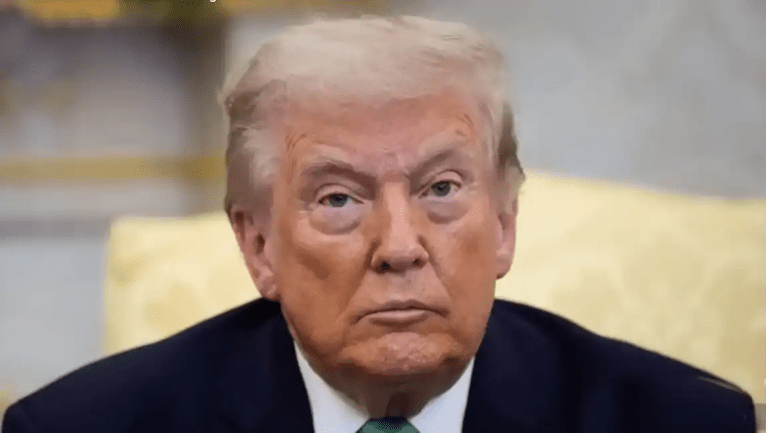
The 2026 executive order by President Trump intensified U.S. sanctions against Cuba, linking Havana's policies to threats...
Cuba
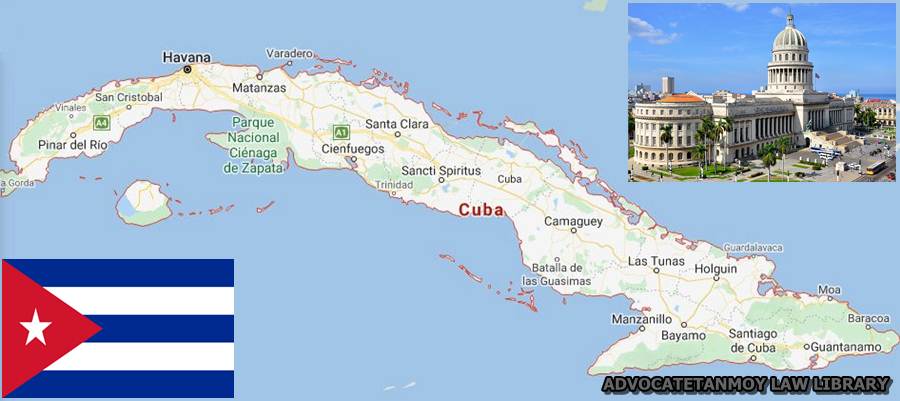
From the early 1950s to the present, Cuba has been defined by revolution, Cold War geopolitics, economic struggle, and one-party continuity. In 1952, Fulgencio Batista seized power, prompting resistance movements led by Fidel Castro. Castro’s guerrilla campaign culminated in Batista’s flight on January 1, 1959, marking the start of a socialist state aligned with the Soviet Union. Nationalizations in 1960 triggered a U.S. embargo; the failed 1961 Bay of Pigs invasion cemented hostility. The 1962 Cuban Missile Crisis placed the world on the brink of nuclear war. Through the 1970s–80s, Cuba deployed troops abroad (notably in Angola), maintained free healthcare and education systems, but depended heavily on Soviet aid. After the USSR collapsed in 1991, Cuba entered the “Special Period,” facing blackouts, food scarcity, and economic contraction. Raúl Castro eased some market reforms after taking power in 2008 due to Fidel’s illness. A thaw came in 2014 with U.S.–Cuba normalization, but policies shifted again after 2017. In 2018, Miguel Díaz-Canel became the first non-Castro president since 1959. Economic crisis, protests in 2021, and continued shortages have defined recent years. By the mid-2020s, migration surged and political reform remained limited, leaving Cuba still struggling between continuity and pressure for change.

The U.S. decision to permit a Russian oil tanker to deliver 730,000 barrels to Cuba, despite ongoing...
As the U.S. grapples with increasing challenges in the Middle East, particularly with Iran’s military capabilities, attention...
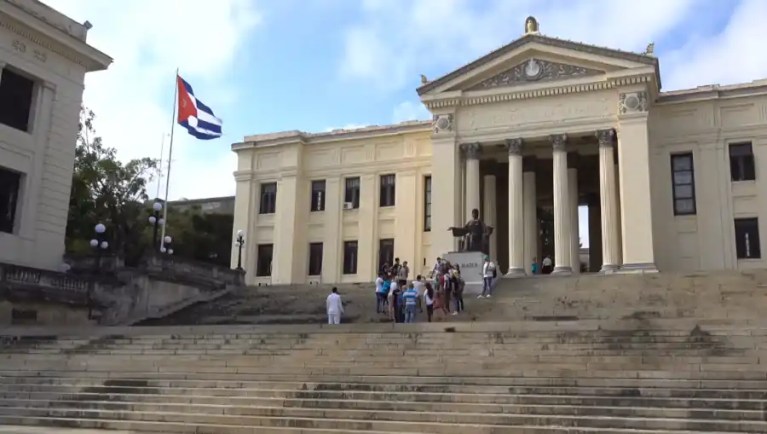
Under Donald J. Trump in his second term, U.S. policy toward Cuba has shifted to maximal pressure...

In his speech at the UN General Assembly, Cuba’s Foreign Minister Bruno Rodríguez Parrilla expressed strong solidarity...

HAVANA, Sept. 15 full text of the remarks by Li Xi, a member of the Standing Committee...
The Soberana 02 vaccine began its expanded phase II clinical trial this week, which will be extended...
[display-posts category=”Law of Cuba” posts_per_page=”-1″ =”true” order=”ASC” orderby=”title” include_excerpt=”true”]
Central Bank of Cuba The creation of the Central Bank of Cuba (BCC), arranged by the Council...
We, the delegates of the people of Cuba, assembled in Constituent Convention, for the purpose of establishing...

The cadre has the important mission of seeing to it that the great spirit of the revolution...