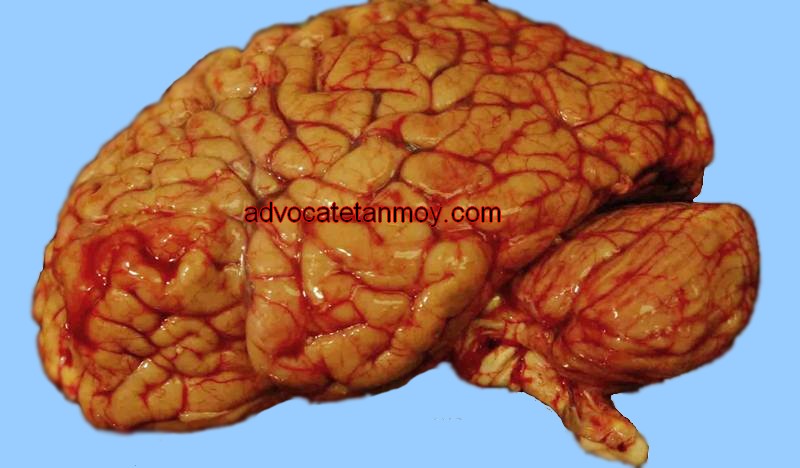
At Maclean Hospital, Harvard Brain Tissue Research Center collects, dissects, stores, and provides brain tissue, which has been donated to science. The center maintains an extensive collection of post-mortem human brain tissue, stemming from individuals with Huntington's chorea, Alzheimer's disease, and Parkinson's disease. The Center also has a collection of brains from individuals diagnosed with neurological disorders such as schizophrenia, as well as a group of "normal " brains, which are used in comparison groups for all brain disorders. The brains are available to researchers around the world, who can request a whole or portion of the brain they are studying. (Photo by Rick Friedman/Corbis via Getty Images)
The gut-brain interactions have been studied for decades, providing a number of information about the close interactions between the gut-associated immune system, enteric nervous system, and gutbased endocrine system, these findings have largely been ignored by the psychiatric and neurological research community.
Most brain or mental disorders develop gradually and over the years. Disease like Alzheimer’s may take decades to develop, and the same is right for depression in most of the cases. Disturbances in gut microflora/microbiota may have something to do with these conditions. Evidence is emerging that gut microflora may influence the working of the brain in numerous ways. Moreover, these microbes can even produce some of the neurotransmitters. Further, microbiome or genes of these microbes may also interact with the working of the brain.
In a number of gut-derived bacterial products, Staphylococcal enterotoxin B as one example, can induce behavioral changes indicative of anxiety when administered in the periphery, a key component of the gut microbiota to brain connection are the increasingly robust studies involving the systemic administration of LPS endotoxins. LPS administration at low levels has been shown to cause acute anxiety, depressive symptoms, cognitive deficits and increased visceral pain sensitivity.
What makes human is, the combination of our own DNA [43%], plus the DNA of our gut microbes