Pakistan Fuel Crisis 2026: Inflation, Borrowing and Global Oil Disruption
Pakistan Fuel Price Hike 2026: Economic Crisis, IMF Pressure and Oil Shock Explained
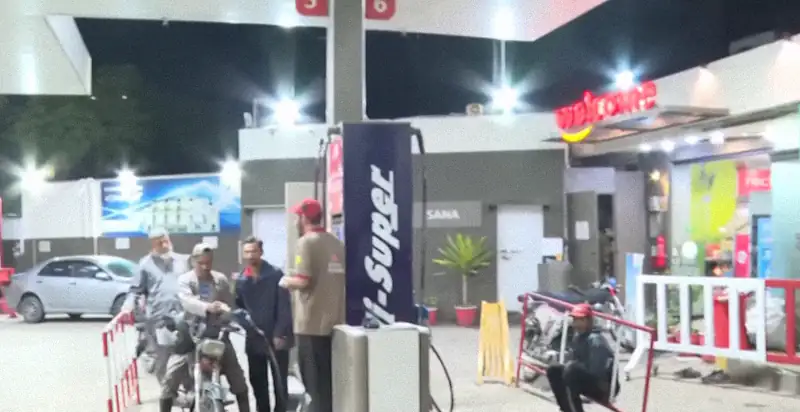
The government of Pakistan raised the prices of petrol and high-speed diesel (HSD) by Rs 26.77 per litre on Friday 1st May 2026, pushing petrol to Rs 393.35 per litre and diesel to Rs 380.19 per litre, according to a press release issued by the Petroleum Division for the pricing week beginning on April 25, 2026. The increase immediately intensified pressure on households already struggling with inflation, unemployment, currency depreciation and rising electricity tariffs. In cities such as Karachi, Lahore, Peshawar, Quetta, Multan and Rawalpindi, transporters announced fare revisions within hours of the notification, while traders warned of another wave of food inflation. Petrol in Pakistan is primarily consumed by private cars, motorcycles, rickshaws and small commercial vehicles, making it directly linked to the economic survival of the urban middle class and lower-middle-income families. Diesel, meanwhile, drives the country’s heavy transport system, agricultural machinery, buses, railway-linked logistics and industrial generators, meaning any increase in HSD prices rapidly spreads through the entire economy.
The latest rise came after weeks of volatility triggered by the US-Israeli war on Iran, which began on February 28, 2026. The conflict destabilised global energy markets and caused severe disruptions in the Persian Gulf, particularly after the closure of the Strait of Hormuz, one of the world’s most critical oil transit chokepoints. Before the war, roughly one-fifth of global oil and gas shipments passed through the Strait during peacetime. Once military tensions escalated, marine insurers either withdrew war-risk coverage or dramatically raised premiums for vessels travelling through Gulf waters. This led to a sharp increase in international crude prices, especially in the Dubai and Oman markets, from which Pakistan imports nearly 80 per cent of its petroleum supplies.
Pakistan’s vulnerability to external oil shocks is rooted in decades of structural economic weakness. Since the early 1990s, successive governments relied heavily on imported fuel instead of developing long-term energy security through domestic refining capacity, strategic reserves or renewable alternatives. The country’s rising dependence on imported petroleum coincided with persistent fiscal deficits, declining industrial productivity and increasing external borrowing. By the 2000s, petroleum imports had become one of the largest burdens on Pakistan’s current account balance. The situation worsened after repeated devaluations of the Pakistani rupee against the US dollar. Since oil is purchased internationally in dollars, every fall in the rupee automatically made fuel more expensive inside Pakistan.
The economic fragility visible in 2026 had roots stretching back to earlier crises. During the 1998 nuclear sanctions, Pakistan faced foreign exchange shortages and economic isolation. In the years after the 2008 global financial crisis, international oil prices crossed historic levels, touching nearly $147 per barrel in July 2008. Pakistan at the time experienced rolling blackouts, transport strikes and inflation exceeding 20 per cent. Under the governments of Pervez Musharraf, Yousaf Raza Gillani, Nawaz Sharif, Imran Khan and later Shehbaz Sharif, petroleum pricing repeatedly became a politically explosive issue. Fuel subsidies were often introduced for short-term relief but eventually withdrawn under pressure from the International Monetary Fund (IMF), which demanded fiscal discipline in exchange for bailout packages.
After the war on Iran erupted in February 2026, the Shehbaz Sharif government initially attempted to absorb some of the shock. On March 6, 2026, petrol and diesel prices were increased by Rs55 per litre, while on March 9, the government announced what officials described as “unprecedented austerity measures.” Cabinet expenditures were reduced, development allocations were cut and nearly 60 per cent of official government vehicles were reportedly grounded in an effort to conserve fuel and limit public anger. Prime Minister Shehbaz Sharif publicly claimed on several occasions that he had rejected recommendations for even larger increases. On one occasion, he said he refused a proposal to raise petrol prices by Rs95 per litre and HSD by Rs203 per litre. Earlier, he had also rejected increases of Rs76 per litre for petrol and Rs177 per litre for diesel following a spike in international oil prices on March 13.
Despite those claims, pressure from international markets and domestic fiscal realities continued to mount. Pakistan’s foreign exchange reserves remained fragile, import financing costs increased and shipping complications around the Gulf created supply uncertainty. The government feared that excessive subsidies could destabilise negotiations with the IMF, especially at a time when Islamabad remained dependent on external financing from lenders such as the IMF, the World Bank, China, Saudi Arabia and the United Arab Emirates. Officials repeatedly argued that blanket fuel subsidies were fiscally impossible because Pakistan lacked the financial capacity enjoyed by wealthier oil-importing states.
A major turning point came on April 2, 2026, when Petroleum Minister Ali Pervaiz Malik and Finance Minister Muhammad Aurangzeb jointly announced one of the largest petroleum price increases in Pakistan’s history. Petrol prices were raised to Rs 458.4 per litre, while HSD climbed to Rs 520.35 per litre. The increase amounted to Rs 137.24 per litre for petrol and Rs 184.49 per litre for diesel. Kerosene prices were simultaneously increased by Rs 34.08 per litre, reaching Rs 457.80 per litre. During the press conference in Islamabad, Malik described the situation as a consequence of an international crisis beyond Pakistan’s control. He stated that crude oil prices had crossed the $250 per barrel mark due to wartime disruptions and warned that even wealthy countries were struggling to maintain fuel supplies.
Muhammad Aurangzeb defended the increases while announcing a series of targeted subsidies aimed at reducing the burden on vulnerable groups. Under the programme, two-wheeler users were promised a subsidy of Rs100 per litre, capped at 20 litres per month for three months. Small farmers were offered a one-time subsidy of Rs1,500 per acre, while transport operators using diesel were promised monthly assistance ranging from Rs70,000 to Rs100,000 depending on vehicle category. The government also pledged support for rail passengers and public transport systems in Punjab and Islamabad to prevent an uncontrolled rise in commuting costs.
Yet public reaction remained deeply negative. In many parts of Pakistan, people viewed the subsidy programme as insufficient, poorly defined and difficult to implement. Critics pointed out that previous targeted subsidy schemes had suffered from corruption, weak verification systems and delays in payments. Economists also argued that subsidies financed through borrowing merely postponed the financial burden rather than eliminating it. Pakistan’s debt servicing obligations had already consumed a large share of annual government revenues, leaving limited fiscal space for social protection.
Only a day after the massive April 2 increase, Prime Minister Shehbaz Sharif attempted to soften the political backlash by slashing the petroleum levy by Rs80 per litre, reducing petrol prices to Rs378 per litre. On April 10, the government further reduced diesel prices by Rs135 per litre and petrol prices by Rs12 per litre. Later in April, another reduction of Rs32.12 in diesel prices was approved, though petrol prices remained unchanged. These rapid revisions reflected both the volatility of global oil markets and the government’s struggle to balance public anger with fiscal realities.
The crisis also exposed the strategic importance of maritime trade routes. The closure of the Strait of Hormuz forced Pakistan to seek alternative supply arrangements. The Oil Companies Advisory Council (OCAC), representing more than three dozen oil firms and refineries, wrote to State Bank Governor Jameel Ahmad, requesting an extension of permission for petroleum imports on a cost, insurance and freight (CIF) basis until market conditions stabilised. Oil companies argued that war-risk insurance had become prohibitively expensive and that extraordinary financial arrangements were needed to keep imports flowing. The State Bank’s temporary relaxation was viewed as essential to preventing fuel shortages.
Government officials repeatedly insisted that Pakistan had managed the crisis better than some neighbouring countries. Adviser to the Prime Minister Rana Sanaullah, speaking at a press conference in Islamabad, said the global energy emergency had pushed several countries into severe shortages, with military deployment reportedly required at petrol stations in some regions. He claimed Pakistan had avoided such scenes due to timely decisions, emergency planning and fuel supply management. According to Sanaullah, the government spent nearly Rs129 billion during March alone to shield consumers from the initial impact of rising oil prices.
However, many independent analysts argued that the deeper issue was not merely the war in the Middle East but Pakistan’s long-standing economic mismanagement. Decades of political instability, tax evasion, weak exports, dependence on imported energy and excessive borrowing had left the country highly vulnerable to external shocks. Pakistan’s energy sector itself suffered from chronic inefficiencies, including circular debt, outdated refineries, electricity theft and policy inconsistency. Successive governments frequently delayed difficult reforms for political reasons, only to implement painful measures under IMF pressure during crises.
Historically, petroleum pricing in Pakistan has often mirrored broader political trends. During the rule of General Zia-ul-Haq in the 1980s, low global oil prices and foreign assistance linked to the Afghan war helped maintain relative economic stability. In contrast, the democratic transitions of the 1990s were marked by fiscal instability and repeated fuel price adjustments. Under General Pervez Musharraf after 2001, economic growth initially improved due to post-9/11 Western support, but rising global oil prices later strained the economy. By the late 2010s and early 2020s, Pakistan faced recurring balance-of-payments crises, forcing governments to repeatedly negotiate IMF bailout programmes that demanded cuts in fuel subsidies.
The 2026 fuel crisis therefore became symbolic of larger national anxieties. Rising petrol prices affected not only transportation but also food distribution, agricultural production, school fees, electricity generation and medical costs. In rural areas of Punjab and Sindh, farmers worried about diesel costs for tube wells and tractors. In urban centres, ride-hailing drivers and rickshaw operators struggled to maintain earnings as fuel expenses consumed larger portions of daily income. Industrial sectors dependent on diesel generators faced rising operational costs amid continuing electricity shortages.
Ali Pervaiz Malik repeatedly defended government policy by arguing that Pakistan had “fiscal constraints” and international obligations that could not be ignored. He stressed that economic stability achieved over the previous one to two years could not be sacrificed through unlimited subsidies. He also highlighted diplomatic efforts for regional de-escalation and said Pakistan had no role in the Middle East conflict. Nevertheless, opposition parties accused the government of burdening ordinary citizens while failing to expand domestic refining capacity or reduce elite privileges.
The political sensitivity of fuel pricing in Pakistan has historically been immense because petroleum costs directly influence inflation expectations. Every major increase tends to trigger hoarding, panic buying and transport strikes. During April 2026, social media platforms filled with criticism, memes and public frustration. Many Pakistanis compared the new prices with rates in oil-producing Gulf states, ignoring the fact that those countries benefit from domestic crude production and far stronger fiscal reserves.
The 2026 petroleum crisis also revived debate over Pakistan’s long-delayed transition toward alternative energy. Experts pointed out that despite abundant sunlight and wind potential, renewable energy projects had progressed slowly due to policy uncertainty and financing difficulties. Electric public transport initiatives announced in previous years remained limited in scale. Critics argued that dependence on imported oil had become a national security issue rather than merely an economic concern.
By late April 2026, Pakistan’s fuel pricing policy had become a balancing act between public anger, IMF conditions, geopolitical instability and the practical need to avoid supply shortages. The government’s strategy shifted from blanket subsidies toward targeted assistance, reflecting the harsh reality that Islamabad no longer possessed the fiscal strength to broadly shield consumers from global market shocks. The combination of the US-Israeli war on Iran, disruption in the Strait of Hormuz, rising shipping insurance costs, heavy external borrowing and a structurally weak economy created one of the most serious petroleum crises Pakistan had faced in decades.
For ordinary citizens, however, the crisis was experienced less through official statements and more through everyday survival. Motorcycle riders reduced travel, businesses shortened operating hours and transporters passed costs to passengers. The rise in petrol and diesel prices became not merely a story about oil markets or foreign wars, but a reflection of Pakistan’s deeper economic vulnerabilities, its dependence on imported energy and the difficult choices confronting a country navigating financial fragility in an increasingly unstable world order.
1 United States Dollar equals
278.74 Pakistani Rupee
1st May 2026
Sarvarthapedia Conceptual Network: Pakistan Petroleum Price Crisis 2026
The 2026 petroleum crisis in Pakistan emerged as a convergence of global war, domestic economic fragility, energy dependence and geopolitical instability. The increase in petrol and diesel prices became interconnected with inflation, public transport costs, IMF negotiations, foreign borrowing, maritime security and state fiscal policy.
Connected Concepts
- History of Pakistan
- Fuel Inflation in Pakistan
- US-Israeli War on Iran
- Strait of Hormuz Crisis
- Pakistan Economic Instability
- IMF Bailout Programmes
- Rupee Depreciation
- Oil Import Dependency
- Fiscal Deficit
- Public Transport Inflation
- Energy Security
- External Debt Crisis
- Circular Debt in Energy Sector
- Petroleum Levy
- Global Oil Market Volatility
- Targeted Subsidy Policies
- Foreign Exchange Reserves
Petrol and High-Speed Diesel (HSD)
Petrol and diesel function as the backbone of Pakistan’s transport and logistics economy. Petrol primarily affects urban middle-class mobility, while diesel shapes industrial, agricultural and freight activity.
Interlinked Topics
- Transport Sector Economics
- Agricultural Fuel Consumption
- Food Supply Chain Costs
- Industrial Generator Dependence
- Public Transport Fare Increases
- Urban Inflation
- Rural Energy Consumption
- Railway-linked Logistics
Related Economic Effects
- Inflation Transmission Mechanism
- Cost-Push Inflation
- Consumer Purchasing Power
- Household Budget Compression
US-Israeli War on Iran
The war beginning on February 28, 2026 transformed regional military tensions into a global energy crisis. The conflict destabilised Gulf shipping routes and increased petroleum market uncertainty.
Connected Geopolitical Themes
- Middle East Conflict
- Persian Gulf Security
- Maritime Chokepoints
- Oil Supply Disruptions
- Energy Geopolitics
- Military Escalation and Oil Markets
Related Strategic Concepts
- Global Energy Security
- War-Risk Insurance
- Oil Tanker Vulnerability
- Regional Diplomatic Failures
Strait of Hormuz Closure
The closure of the Strait of Hormuz represented one of the most significant triggers behind the fuel crisis. Nearly one-fifth of global oil and gas trade traditionally moved through the route.
Connected Economic Concepts
- Maritime Trade Routes
- Oil Shipping Costs
- Insurance Premium Escalation
- Gulf Energy Supply Chains
- Alternative Supply Corridors
Related Organisations
- Marine Insurance Companies
- Oil Companies Advisory Council (OCAC)
- State Bank of Pakistan
Pakistan’s Structural Economic Weakness
Pakistan’s fuel vulnerability is deeply linked to decades of economic instability, weak industrial growth and excessive import dependence.
Connected Historical Factors
- 1998 Nuclear Sanctions
- 2008 Global Financial Crisis
- Recurring Balance-of-Payments Crises
- Chronic Fiscal Deficits
- Weak Export Base
Linked Financial Themes
- Foreign Borrowing
- External Debt Dependency
- Current Account Deficit
- Sovereign Financing Pressures
- Import-led Economic Stress
Pakistani Rupee Depreciation
Currency depreciation intensified the petroleum crisis because crude oil purchases are conducted in US dollars.
Connected Economic Effects
- Imported Inflation
- Exchange Rate Volatility
- Declining Purchasing Power
- Trade Imbalance
- Dollar Shortages
Related Institutions
- State Bank of Pakistan
- International Monetary Fund (IMF)
- Commercial Banks
International Monetary Fund (IMF)
The IMF remained central to Pakistan’s petroleum pricing decisions due to ongoing bailout negotiations and fiscal reform conditions.
Connected Policy Themes
- Subsidy Reduction
- Fiscal Discipline
- Structural Adjustment
- Revenue Mobilisation
- Energy Pricing Reforms
Related Financial Concepts
- Loan Conditionalities
- Sovereign Debt Management
- Economic Stabilisation Programmes
- Public Sector Spending Cuts
Fuel Subsidy Politics
Fuel subsidies in Pakistan historically functioned both as economic relief and political survival mechanisms.
Interlinked Issues
- Blanket Subsidies
- Targeted Subsidies
- Political Populism
- Budgetary Constraints
- Public Welfare Spending
Related Risks
- Fiscal Imbalance
- Corruption in Subsidy Distribution
- Delayed Welfare Payments
- Borrowing-Financed Relief
April 2, 2026 Petroleum Shock
The announcement by Petroleum Minister Ali Pervaiz Malik and Finance Minister Muhammad Aurangzeb marked one of the largest fuel price increases in Pakistan’s history.
Connected Political Figures
- Shehbaz Sharif
- Ali Pervaiz Malik
- Muhammad Aurangzeb
- Rana Sanaullah
- Jameel Ahmad
Related Economic Reactions
- Transport Fare Revision
- Public Anger
- Market Panic
- Inflation Expectations
- Political Opposition Criticism
Petroleum Levy
The petroleum levy became a major fiscal instrument used by the government to balance revenue collection with public pressure.
Connected Fiscal Concepts
- Indirect Taxation
- Government Revenue Generation
- Consumer Fuel Pricing
- Emergency Fiscal Measures
Related Public Debates
- Tax Burden on Citizens
- Elite Privilege Criticism
- Revenue Dependence on Petroleum
Foreign Exchange Reserves Crisis
Pakistan’s limited dollar reserves constrained its ability to absorb oil shocks through subsidies or strategic imports.
Connected Financial Pressures
- Import Financing Costs
- Debt Repayment Obligations
- Reserve Depletion Risks
- Currency Market Instability
Related External Actors
- China
- Saudi Arabia
- United Arab Emirates
- World Bank
- IMF
Oil Companies Advisory Council (OCAC)
The OCAC played a critical role in negotiations regarding petroleum import financing and insurance complications during the crisis.
Connected Commercial Issues
- CIF Import Mechanism
- War-Risk Insurance
- Petroleum Supply Continuity
- Refinery Operations
- Import Credit Challenges
Circular Debt in Pakistan’s Energy Sector
The fuel crisis intersected with Pakistan’s longstanding circular debt problem in electricity and fuel payments.
Related Structural Problems
- Electricity Theft
- Outdated Refineries
- Delayed Government Payments
- Distribution Losses
- Energy Sector Inefficiency
Connected National Consequences
- Power Outages
- Industrial Slowdown
- Rising Electricity Tariffs
- Investor Uncertainty
Historical Petroleum Pricing in Pakistan
Fuel pricing has historically reflected political transitions, geopolitical shifts and international oil market conditions.
Connected Historical Eras
- Zia-ul-Haq Era
- Post-Soviet Afghan Conflict
- Musharraf Economic Period
- Democratic Governments of the 1990s
- Post-9/11 Financial Assistance Era
Linked Crises
- Oil Shock of 2008
- IMF Bailout Cycles
- Inflation Surges
- Transport Strikes
Public Transport and Social Impact
Fuel price increases directly reshaped urban mobility and rural livelihoods across Pakistan.
Connected Social Groups
- Rickshaw Drivers
- Ride-Hailing Workers
- Small Farmers
- Daily Wage Earners
- Middle-Class Households
Related Economic Consequences
- Increased Food Prices
- Higher School Transportation Costs
- Rising Medical Expenses
- Reduced Consumer Mobility
Agriculture and Diesel Dependency
Pakistan’s agricultural system relies heavily on diesel-powered machinery and irrigation systems.
Connected Agricultural Components
- Tube Wells
- Tractors
- Food Production Costs
- Rural Transportation
Related Food Security Themes
- Wheat Supply Costs
- Inflation in Vegetables and Grains
- Fertiliser Transportation Expenses
Renewable Energy Debate
The 2026 crisis revived discussions regarding alternative energy and long-term energy security.
Connected Energy Alternatives
- Solar Power
- Wind Energy
- Electric Public Transport
- Domestic Refining Expansion
Related Policy Failures
- Delayed Energy Reforms
- Investment Uncertainty
- Weak Infrastructure Planning
Pakistan’s External Borrowing Crisis
Heavy borrowing remained one of the central structural causes behind Pakistan’s inability to sustain broad fuel subsidies.
Connected Financial Concepts
- Sovereign Debt
- Debt Servicing Burden
- Fiscal Space Limitations
- International Lending Dependence
Related Outcomes
- Reduced Development Spending
- Austerity Measures
- IMF Compliance Pressure
Austerity Measures of March 2026
The government attempted to reduce expenditures after the initial fuel shock.
Connected Administrative Measures
- Reduction in Cabinet Spending
- Grounding Official Vehicles
- Development Budget Cuts
- Energy Conservation Policies
Related Political Themes
- Symbolic Governance Measures
- Public Relations Strategy
- Crisis Management Narratives
Inflation and Political Instability
Fuel prices in Pakistan historically influence broader political sentiment and economic confidence.
Connected Economic Effects
- Panic Buying
- Hoarding
- Transport Strikes
- Rising Consumer Inflation
Related Political Outcomes
- Opposition Mobilisation
- Declining Public Trust
- Anti-Government Protests
Energy Security as National Security
The crisis transformed imported fuel dependence from an economic issue into a strategic national concern.
Connected Strategic Themes
- Strategic Petroleum Reserves
- Domestic Refining Capacity
- Geopolitical Vulnerability
- Import Diversification
Related Long-Term Debates
- Sustainable Energy Policy
- Economic Sovereignty
- National Resilience Planning
Cross Connection