Governing the American Government
Geopolitical Conflict in West Asia 2026: and Its Macroeconomic Impact on India
The history of the Indian economy has remained deeply interconnected with the political, military, and economic developments of West Asia for more than seven decades. Since India achieved independence in August 1947, the region stretching from the eastern Mediterranean to the Persian Gulf has exercised enormous influence upon India’s trade patterns, energy security, inflationary trends, labour migration, shipping routes, diplomatic posture, and macroeconomic stability. The repeated conflicts in West Asia, beginning with the Arab–Israeli War of 1948, the Suez Crisis of 1956, the Six-Day War of June 1967, the Yom Kippur War of October 1973, the Iranian Revolution of 1979, the Iran–Iraq War between 1980 and 1988, the Gulf War of 1990–91, the invasion of Iraq in March 2003, the Syrian Civil War after 2011, and the continuing conflicts involving Israel, Palestine, Iran, Lebanon, Yemen, and the Red Sea corridor in the 2020s, have repeatedly shaped the trajectory of India’s economic development. The contemporary conflict in West Asia, intensified after October 2023 and continuing into 2026 with disruptions involving the Strait of Hormuz, the Red Sea, and the broader Gulf region, has once again demonstrated the structural vulnerability of the Indian economy to geopolitical instability in the region.
India’s dependence upon West Asia is rooted in geography, history, and commerce. The Arabian Sea has historically connected the ports of Gujarat, Kerala, Konkan, and Bengal with Basra, Muscat, Aden, Jeddah, and Bandar Abbas since ancient times. During the medieval period, Indian spices, textiles, indigo, and precious stones were exchanged through maritime networks extending from Calicut to Baghdad and Cairo. After the discovery of oil in Persia in 1908 and Saudi Arabia in 1938, the economic significance of the region expanded dramatically. By the late twentieth century, the Gulf had become the principal supplier of crude oil to India. In the 1970s and 1980s, Indian workers migrated in large numbers to Saudi Arabia, the United Arab Emirates, Kuwait, Qatar, Bahrain, and Oman, generating remittance flows that became critical for India’s balance of payments.
The modern Indian economy cannot therefore be studied in isolation from West Asian geopolitics. Every major conflict in the region has altered global oil prices, disrupted maritime trade, reshaped investment flows, and affected inflation within India. The economic consequences have often extended beyond the immediate energy sector into agriculture, transportation, manufacturing, fiscal management, foreign exchange reserves, monetary policy, and employment.
The first major global energy shock affecting India emerged after the Yom Kippur War of October 1973. Egypt and Syria launched coordinated military operations against Israel on 6 October 1973, leading to intervention by the United States and the Soviet Union. In response to Western support for Israel, the Organization of Arab Petroleum Exporting Countries imposed an oil embargo. Crude oil prices increased from approximately US$3 per barrel in early 1973 to nearly US$12 per barrel by early 1974. For India, then a low-income developing economy heavily dependent on imported oil, the consequences were severe. Inflation surged, foreign exchange reserves weakened, industrial production slowed, and the fiscal burden of petroleum subsidies increased substantially. The oil shock contributed to macroeconomic instability throughout the mid-1970s and intensified concerns regarding energy security.
The second major shock occurred after the Iranian Revolution of February 1979 and the outbreak of the Iran–Iraq War in September 1980. Iran under Ayatollah Ruhollah Khomeini witnessed severe disruptions in oil production, while the conflict between Tehran and Baghdad endangered shipping through the Persian Gulf. Oil prices again rose sharply, crossing US$35 per barrel. India’s import bill escalated dramatically. The Indian government under Prime Minister Indira Gandhi was compelled to undertake import compression measures, strengthen public sector control over petroleum distribution, and manage rising inflationary pressures. During the early 1980s, India’s current account deficit widened significantly. External borrowing increased, laying some of the structural foundations for the balance of payments crisis that would emerge a decade later.
The Gulf War of 1990–91 represented another decisive moment in the relationship between West Asian conflict and the Indian economy. Iraq’s invasion of Kuwait on 2 August 1990 caused panic in global energy markets. Oil prices nearly doubled within months. India, already facing declining foreign exchange reserves and growing external debt, experienced acute economic stress. The evacuation of more than 170,000 Indians from Kuwait and Iraq became one of the largest civilian evacuations in history. Remittance flows from the Gulf temporarily weakened. Shipping insurance costs rose sharply. By June 1991, India’s foreign exchange reserves had fallen to levels sufficient for only a few weeks of imports. The economic crisis forced the government led by Prime Minister P. V. Narasimha Rao and Finance Minister Dr. Manmohan Singh to initiate the economic liberalisation reforms of July 1991. Thus, a geopolitical conflict in West Asia indirectly accelerated India’s transition toward a market-oriented economy.
The Iraq War launched by the United States and its allies in March 2003 once again affected India through higher oil prices and uncertainty in global markets. Although the direct military theatre remained geographically distant from India, the psychological effect on commodity markets was substantial. Crude oil prices rose steadily during the mid-2000s. Simultaneously, India’s economy was experiencing rapid growth exceeding 8 per cent annually, which increased energy demand. The widening gap between domestic fuel prices and international crude prices created a major fiscal burden because the government maintained fuel subsidies. Public sector oil marketing companies accumulated under-recoveries, and inflationary pressures intensified.
The Arab Spring movements beginning in Tunisia in December 2010 and spreading across Egypt, Libya, Syria, Yemen, and Bahrain during 2011 created another period of instability. The Libyan Civil War disrupted oil production. Political uncertainty in Egypt threatened the Suez Canal, one of the world’s most critical maritime routes. Syria descended into prolonged civil war, while Yemen later became a theatre of regional proxy conflict involving Saudi Arabia and Iran. India faced rising crude oil prices, heightened shipping costs, and increasing uncertainty regarding the safety of Indian expatriates working in the Gulf region.
The conflict that intensified after the Hamas attack on Israel on 7 October 2023 and the subsequent Israeli military operations in Gaza represented a new phase of regional instability. As the conflict expanded through involvement by Hezbollah in Lebanon, Houthi attacks in the Red Sea, tensions involving Iran, and military posturing around the Strait of Hormuz, the global economy became increasingly vulnerable to supply disruptions. By 2025 and 2026, fears regarding energy supplies, maritime security, and commodity shortages had become central concerns for policymakers across Asia, Europe, and Africa. India, because of its extensive dependence upon imported energy and maritime trade routes through West Asia, emerged as one of the major economies most exposed to the economic consequences of the conflict.
One of the most immediate channels through which the West Asia conflict affects India is crude oil prices. India imports more than 85 per cent of its crude oil requirements, with a substantial proportion sourced from Iraq, Saudi Arabia, the United Arab Emirates, Kuwait, and other Gulf producers. The Strait of Hormuz, situated between Oman and Iran, remains among the world’s most strategically significant maritime chokepoints. Nearly one-fifth of globally traded petroleum passes through this narrow waterway. Any military confrontation threatening shipping in Hormuz immediately affects international oil markets.
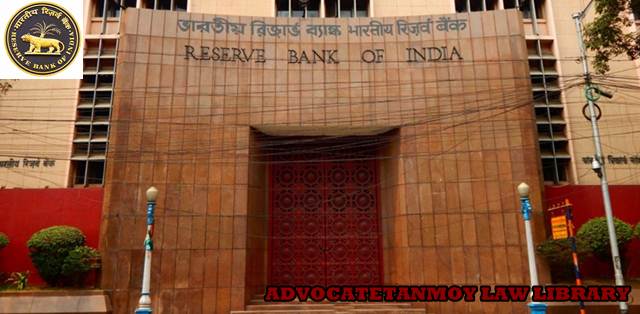
Elevated crude oil prices have direct and indirect consequences for the Indian economy. Higher crude prices increase the import bill, widen the trade deficit, weaken the current account balance, and create depreciation pressure on the Indian rupee. The Reserve Bank of India has repeatedly observed that imported inflation becomes a major challenge during periods of geopolitical instability. Rising oil prices increase transportation costs, electricity generation costs, fertiliser production expenses, and logistics expenditure across the economy. As fuel prices rise, the cost of agricultural production also increases because diesel powers irrigation pumps, tractors, and freight movement.
The Reserve Bank of India, in its assessments for 2025–26 and 2026–27, highlighted five principal transmission channels through which the West Asia conflict could affect the Indian economy.
- The first involves imported inflation and the widening of the current account deficit due to elevated crude oil prices.
- The second concerns disruptions in energy markets, fertilisers, and industrial inputs, which may reduce domestic output.
- The third channel relates to uncertainty, risk aversion, and safe-haven demand affecting liquidity, consumption, investment, and financial conditions.
- The fourth involves weaker global growth and reduced external demand affecting exports and remittance flows.
- The fifth concerns spillovers from global financial markets, leading to tighter domestic financial conditions and increased borrowing costs.
These transmission channels reflect the increasingly interconnected nature of the global economy. Unlike the 1970s, when India remained relatively insulated from international financial markets, modern India is deeply integrated into global capital flows, supply chains, and commodity markets. Consequently, geopolitical shocks now transmit more rapidly through exchange rates, equity markets, bond yields, and investor sentiment.
During January and February 2026, India’s merchandise exports contracted marginally by 0.2 per cent on a year-on-year basis, partly reflecting weakening demand in key export markets affected by global uncertainty. Exports to the United States reportedly declined by 17.5 per cent during this period, while exports to the Netherlands and the United Kingdom also contracted. Meanwhile, merchandise imports grew sharply by 22.2 per cent, driven substantially by higher gold imports and elevated commodity prices. The trade deficit widened significantly to US$61.8 billion during January–February 2026 compared with US$37.1 billion during the same period in 2025.
The role of gold imports deserves special attention in the context of geopolitical instability. Historically, periods of global uncertainty have increased investor preference for gold as a safe-haven asset. In India, cultural demand for gold combines with investment demand during crises. Rising gold imports worsen the trade deficit and increase pressure upon foreign exchange reserves. During early 2026, both the volume and price of gold imports rose sharply, contributing to external sector pressures.
Despite these challenges, India’s services exports remained relatively resilient. Information technology services, business process outsourcing, financial services, and digital consultancy continued to generate substantial export revenues. Services exports reportedly grew by 9.7 per cent year-on-year during February 2026. This resilience partly cushioned the negative effects arising from weaker merchandise trade.
Remittance inflows from Indian workers in the Gulf region have historically played a stabilising role during external shocks. Kerala, Telangana, Andhra Pradesh, Uttar Pradesh, Bihar, and several other Indian states remain heavily dependent upon remittances from migrant workers in Saudi Arabia, the UAE, Qatar, Oman, and Kuwait. During the oil boom decades of the 1970s, 1980s, and 2000s, these remittances transformed regional economies, financed housing construction, increased consumption, improved education levels, and strengthened India’s foreign exchange position.
However, conflicts in West Asia create uncertainty regarding employment conditions for migrant workers. During the Gulf War of 1990–91, thousands of Indian workers were displaced. During the COVID-19 pandemic and the oil price collapse of 2020, many Gulf economies reduced labour demand. Similar risks arise during prolonged geopolitical instability because declining oil revenues can reduce construction activity and infrastructure spending in Gulf economies. Although remittance inflows remained relatively strong during 2025–26, policymakers remain concerned that prolonged conflict could weaken labour markets in the Gulf and reduce remittance receipts over time.
Inflation remains one of the most politically sensitive consequences of the West Asia conflict for India. Food inflation and fuel inflation directly affect household budgets, particularly among low-income groups. In January and February 2026, headline inflation in India remained below target at 2.7 per cent and 3.2 per cent respectively. However, policymakers recognised that recent spikes in global energy prices represented a major risk to future inflation trends.
Although retail petrol and diesel prices initially remained stable due to government intervention and tax adjustments, several other fuel items experienced price increases. Domestic LPG prices reportedly increased by ₹60 per cylinder, while commercial LPG prices rose in multiple stages. Diesel prices for industrial bulk buyers increased significantly. Premium petrol variants also became more expensive. These adjustments demonstrated the gradual transmission of global energy prices into domestic inflation.
Food inflation in India is closely linked with fertiliser prices, monsoon conditions, transportation costs, and global commodity markets. West Asia plays an important role in global fertiliser production, particularly urea and ammonia. Disruptions in energy supplies increase fertiliser production costs because natural gas constitutes a major input. Higher fertiliser prices can eventually raise agricultural production costs and food prices.
The possibility of El Niño conditions during 2026 further intensified inflationary concerns. Historically, El Niño events have weakened monsoon rainfall in South Asia, reducing agricultural output and increasing food inflation. If geopolitical disruptions coincide with adverse climatic conditions, inflationary pressures can become particularly severe.
The Indian government has repeatedly attempted to shield consumers from global energy shocks through subsidy mechanisms, excise duty adjustments, and strategic petroleum management. However, these interventions carry fiscal costs. When governments absorb a large share of rising oil prices, fiscal deficits widen. Larger fiscal deficits may eventually increase government borrowing, raise bond yields, and reduce fiscal space for infrastructure investment and welfare spending.
The conflict in West Asia also affects India through maritime trade disruptions. The Red Sea, Bab el-Mandeb Strait, Suez Canal, and Strait of Hormuz collectively form one of the world’s most important shipping corridors. A substantial share of India’s trade with Europe passes through the Red Sea and Suez Canal route. Attacks on commercial shipping by Houthi forces in Yemen during 2024 and 2025 forced many shipping companies to reroute vessels around the Cape of Good Hope in southern Africa. This significantly increased freight costs, shipping times, and insurance premiums.
Longer shipping routes affect Indian exports by reducing competitiveness. Industries dependent upon imported intermediate goods also face delays and higher input costs. Sectors such as pharmaceuticals, chemicals, engineering goods, automobiles, textiles, and electronics experience increased logistical challenges during maritime disruptions.
Insurance premiums represent another overlooked but important economic channel. During periods of military conflict, insurance companies classify shipping routes as high-risk zones. War-risk insurance premiums rise substantially. Indian importers and exporters therefore face increased transaction costs even when physical disruptions remain limited.
The financial markets respond rapidly to geopolitical instability. During March 2026, global equity markets reportedly experienced broad corrections as investors shifted from risk-on sentiment toward safer assets. The United States dollar strengthened because investors sought safe-haven currencies. Most emerging market currencies, including the Indian rupee, faced depreciation pressure.
Currency depreciation has mixed consequences for India. A weaker rupee (1 US Dollar = 96.53 Indian Rupee, as on, May 20, 2026) may improve export competitiveness in some sectors, but it also increases the cost of imports, especially crude oil. Since petroleum imports are denominated primarily in US dollars, rupee depreciation magnifies the domestic impact of rising global oil prices.
The Reserve Bank of India has repeatedly emphasised that its exchange rate policy does not target a fixed level for the rupee. Instead, the RBI intervenes primarily to smooth excessive volatility. During periods of geopolitical stress, the central bank may sell foreign exchange reserves to stabilise markets and prevent panic-driven depreciation.
As of April 2026, India’s foreign exchange reserves reportedly stood at approximately US$697.1 billion, providing around eleven months of import cover. These reserves represent a crucial buffer against external shocks. Compared with the balance of payments crisis of 1991, contemporary India possesses far stronger external sector resilience. Nevertheless, sustained geopolitical instability can gradually erode reserves if oil prices remain elevated and capital outflows intensify.
Foreign portfolio investment flows remain highly sensitive to geopolitical and monetary conditions. During 2025–26, India reportedly experienced net foreign portfolio outflows of approximately US$16.5 billion, followed by additional outflows during early 2026. Equity markets are particularly vulnerable because international investors often reduce exposure to emerging markets during periods of uncertainty.
At the same time, foreign direct investment into India remained comparatively resilient. Gross FDI flows reportedly increased substantially during April 2025–February 2026. Technology, banking, digital infrastructure, and manufacturing sectors continued attracting global investment. Announcements involving companies such as Amazon, Microsoft, Google, and MUFG Bank reflected long-term investor confidence in India’s growth prospects.
The contrast between volatile portfolio flows and relatively stable long-term investment illustrates an important structural feature of the Indian economy. Short-term capital tends to react sharply to geopolitical shocks, while long-term investment decisions depend more upon demographic trends, market size, institutional stability, and structural reforms.
India’s growth trajectory during 2025–26 and 2026–27 reflects both resilience and vulnerability. Real GDP growth for 2025–26 was estimated at 7.6 per cent under the new GDP series with base year 2022–23. Strong consumption, investment momentum, financial stability, and policy support contributed to this growth performance.
However, the growth outlook for 2026–27 became more uncertain due to elevated commodity prices and potential disruptions in the Strait of Hormuz (See Global Oil Market Crisis). Policymakers projected real GDP growth at 6.9 per cent for 2026–27, indicating moderation compared with the previous year. The decline reflected concerns regarding global demand, shipping disruptions, and input availability.
Nevertheless, several structural strengths continued supporting the Indian economy. The services sector remained dynamic, especially information technology, telecommunications, finance, and digital services. Government infrastructure spending continued under programmes related to roads, railways, ports, airports, and logistics corridors. Manufacturing initiatives under the Production Linked Incentive schemes encouraged domestic production in electronics, semiconductors, pharmaceuticals, renewable energy equipment, and defence manufacturing.
The emphasis on domestic manufacturing acquired additional importance because the West Asia conflict exposed the vulnerability of global supply chains. Policymakers increasingly recognised the strategic importance of self-reliance in critical sectors such as energy, semiconductors, fertilisers, defence equipment, and pharmaceuticals.
Energy diversification became a central pillar of India’s long-term response to geopolitical instability. Since the early 2000s, India has attempted to diversify crude oil suppliers beyond the Gulf. Imports from Russia increased significantly after the Ukraine conflict beginning in February 2022, especially due to discounted Russian crude. India also expanded renewable energy investments in solar, wind, green hydrogen, and biofuels.
The International Solar Alliance, launched by India and France in Paris during November 2015, reflected India’s ambition to reduce dependence upon imported fossil fuels. By the mid-2020s, India emerged as one of the world’s largest renewable energy markets. Nevertheless, despite rapid expansion of renewable capacity, petroleum continued dominating transportation and industrial energy consumption.
Strategic petroleum reserves formed another important policy response. India established underground crude storage facilities at Visakhapatnam in Andhra Pradesh, Mangalore in Karnataka, and Padur in Karnataka to improve resilience against supply disruptions. Plans for additional reserves were developed during the 2020s as geopolitical risks intensified.
The fertiliser sector remains particularly vulnerable to West Asian instability. India imports substantial quantities of fertilisers and fertiliser inputs, including phosphates, potash, ammonia, and natural gas-based products. Countries such as Saudi Arabia, Qatar, Oman, and Iran play important roles in global fertiliser supply chains. Higher fertiliser prices increase subsidy burdens for the Indian government and raise agricultural input costs.
Agriculture therefore remains indirectly exposed to geopolitical conflict despite being geographically distant from the battlefield. Rising diesel prices increase irrigation and transportation costs. Fertiliser shortages can affect crop yields. Food inflation can reduce real incomes and consumption demand, particularly in rural India.
The banking and financial system also experience indirect consequences from global instability. Scheduled Commercial Banks and Non-Banking Financial Companies in India reportedly maintained healthy capital adequacy and liquidity positions during 2025–26. However, tighter global financial conditions can increase external borrowing costs for Indian corporations and financial institutions.
Government bond yields are sensitive to inflation expectations, fiscal deficits, and global interest rate movements. Rising oil prices often increase inflation expectations, leading investors to demand higher yields. Elevated yields increase borrowing costs for both governments and corporations.
The Reserve Bank of India therefore faces a complex policy challenge during geopolitical crises. If the central bank tightens monetary policy aggressively to control inflation, economic growth may weaken. If it prioritises growth and liquidity, inflationary pressures may intensify. Balancing these objectives becomes particularly difficult when inflation originates from external supply shocks rather than domestic demand.
India’s diplomatic strategy in West Asia has increasingly emphasised multi-alignment and strategic balancing. Historically, India maintained strong relations with Arab countries while supporting the Palestinian cause. After the establishment of full diplomatic relations with Israel in January 1992, India also developed extensive defence, agricultural, technological, and intelligence cooperation with Israel.
During the twenty-first century, India strengthened ties simultaneously with Saudi Arabia, the United Arab Emirates, Iran, Israel, Qatar, and Oman. This multidirectional diplomacy aimed to secure energy supplies, protect expatriate workers, attract investment, and maintain strategic flexibility.
The Chabahar Port project in southeastern Iran represented one such strategic initiative. Developed in cooperation with Iran and Afghanistan, Chabahar was intended to provide India with access to Central Asia while bypassing Pakistan. However, sanctions upon Iran and regional instability complicated the project’s implementation.
The India–Middle East–Europe Economic Corridor announced during the G20 Summit in New Delhi in September 2023 reflected another attempt to diversify trade connectivity. The proposed corridor linking India with the UAE, Saudi Arabia, Jordan, Israel, and Europe aimed to strengthen economic integration and reduce logistical dependence upon vulnerable routes. Yet ongoing conflicts in Gaza and the broader region created uncertainty regarding implementation timelines.
Defence expenditure also intersects with economic consequences of geopolitical instability. As tensions rise in West Asia, India must ensure maritime security in the Arabian Sea and Indian Ocean. Naval deployments increase operational costs. Protection of shipping lanes becomes strategically essential for energy imports and trade flows.
Indian naval operations in the Gulf of Aden and surrounding waters expanded during periods of piracy and maritime attacks. Escort missions, surveillance operations, and evacuation preparedness became recurring components of India’s maritime strategy. These activities underscore the growing relationship between national security expenditure and economic stability.
The psychological dimension of geopolitical conflict should not be underestimated. Consumer confidence, investor sentiment, and corporate expectations often deteriorate during prolonged uncertainty. Businesses may postpone investment decisions. Households may reduce discretionary spending. Financial institutions may adopt more cautious lending practices.
Yet India’s economy also demonstrated considerable resilience during previous geopolitical crises. During the Gulf War of 1990–91, India faced near-collapse in external finances. By contrast, during the conflicts of the 2020s, India possessed stronger foreign exchange reserves, more diversified exports, better-regulated financial institutions, improved digital infrastructure, and greater macroeconomic credibility.
The digital transformation of the Indian economy also created new buffers against external shocks. Expansion of digital payments through the Unified Payments Interface, direct benefit transfer mechanisms, Aadhaar-linked welfare systems, and improved financial inclusion strengthened domestic economic resilience. Even during periods of external turbulence, domestic consumption and digital services activity remained comparatively stable.
The demographic profile of India further contributes to long-term resilience. A large domestic market reduces excessive dependence upon exports compared with several East Asian economies. Urbanisation, rising incomes, infrastructure development, and expanding middle-class consumption continue generating internal demand.
However, structural vulnerabilities remain significant. Energy dependence continues exposing India to external price shocks. Manufacturing competitiveness remains uneven across sectors. Logistics costs remain relatively high compared with several global competitors. Agricultural productivity continues depending heavily upon monsoon conditions.
The future impact of the West Asia conflict upon the Indian economy will depend upon several interrelated variables. The first concerns the duration and geographic spread of the conflict. A limited conflict confined to specific territories may produce manageable economic effects. However, wider escalation involving Iran, the Strait of Hormuz, or major Gulf oil infrastructure could generate severe global disruptions.
The second variable concerns global energy markets. If oil prices remain elevated for prolonged periods above historical averages, India’s inflation, fiscal deficit, and current account deficit could deteriorate significantly. Conversely, stable energy markets would reduce macroeconomic pressures.
The third variable involves global growth prospects. Slower growth in Europe, the United States, and China would reduce demand for Indian exports. Weak global growth could also reduce investment flows and remittance growth.
The fourth variable concerns technological and structural adaptation within India itself. Expansion of renewable energy, electric mobility, domestic manufacturing, and strategic reserves can gradually reduce vulnerability to external shocks.
The fifth variable concerns international diplomacy and multilateral cooperation. Maritime security arrangements, trade agreements, energy partnerships, and regional connectivity initiatives can mitigate some economic risks associated with geopolitical instability.
India’s recent trade agreements with the United Kingdom, Oman, the European Free Trade Association, New Zealand, the European Union, and the interim trade arrangement with the United States reflected efforts to diversify economic partnerships. These agreements aim to integrate India more deeply into global value chains and reduce dependence upon any single market or region.
At the same time, geopolitical fragmentation poses long-term challenges to globalisation itself. The world economy increasingly exhibits tendencies toward strategic competition, technological decoupling, supply chain regionalisation, and economic nationalism. The West Asia conflict forms part of this broader transformation in the international order.
Historically, geopolitical conflicts have often accelerated structural economic change within India. The oil shocks of the 1970s increased awareness regarding energy vulnerability. The Gulf War of 1990–91 indirectly catalysed economic liberalisation. The disruptions of the 2020s may similarly accelerate renewable energy transitions, manufacturing diversification, logistics modernisation, and strategic autonomy initiatives.
The relationship between West Asia and India therefore extends far beyond temporary commodity price fluctuations. It reflects deep historical interdependence shaped by migration, trade, energy, finance, diplomacy, and security. The Indian Ocean has for centuries connected the western coast of India with the Arabian Peninsula and the Persian Gulf. Modern globalisation intensified these connections rather than diminishing them. (See Meta-Civilizational Architecture)
The ongoing West Asia conflict illustrates how regional wars can reshape distant economies through interconnected markets and supply chains. India’s experience demonstrates that geopolitical stability constitutes an essential foundation for sustained economic development in an interdependent world.
At present, India appears better prepared to manage external shocks than during earlier crises. Foreign exchange reserves remain substantial. The banking system (See Global Capital Markets) remains comparatively stable. Digital infrastructure enhances policy implementation. Services exports continue generating foreign exchange earnings. Government infrastructure spending supports domestic demand. Private sector balance sheets remain healthier than in previous decades.
Nevertheless, prolonged geopolitical instability would continue exerting pressure upon inflation, trade balances, shipping costs, fiscal management, and investor sentiment. The risk that an initial supply shock could evolve into a broader demand shock remains a central concern among policymakers.
The Reserve Bank of India has repeatedly emphasised vigilance regarding evolving geopolitical developments. Liquidity management, exchange rate stability, inflation control, and financial market regulation remain critical components of macroeconomic management during periods of uncertainty.
Ultimately, the impact of the West Asia conflict upon the Indian economy reveals the dual reality of globalisation. Integration into international trade, energy markets, capital flows, and migration networks generates enormous opportunities for growth and development. Simultaneously, it exposes economies to external shocks originating thousands of kilometres away.
For India, the lessons of history remain clear. Economic resilience requires diversification of energy sources, strengthening of domestic manufacturing, maintenance of adequate foreign exchange reserves, fiscal discipline, technological innovation, strategic diplomacy, and investment in infrastructure. The recurring crises of West Asia have repeatedly reinforced these imperatives across successive decades.
From the oil embargo of 1973 to the Gulf War of 1991, from the Iraq invasion of 2003 to the Red Sea disruptions of the 2020s, the pattern remains historically consistent. Conflict in West Asia alters oil prices, shipping routes, investment sentiment, and macroeconomic stability in India. Each episode leaves lasting institutional, political, and economic consequences.
The contemporary phase of conflict demonstrates that despite advances in technology and diversification, energy geopolitics still exerts profound influence over the global economy. India’s continued rise as one of the world’s largest economies will therefore depend partly upon its ability to navigate the uncertainties emerging from West Asia while simultaneously reducing structural vulnerabilities through long-term strategic transformation.
See More
Sarvarthapedia Conceptual Network: West Asia Conflict and the Indian Economy
Core Cluster: West Asia Conflict and the Indian Economy
The central node of this conceptual network is the relationship between geopolitical conflict in West Asia and macroeconomic transformation in India. This cluster intersects with energy security, inflation, trade, maritime strategy, diplomacy, migration, finance, agriculture, and globalisation.
Energy Security
Linked Concepts
- Crude Oil Imports
- OPEC Policies
- Strait of Hormuz
- Strategic Petroleum Reserves
- Renewable Energy Transition
- Energy Diplomacy
- Fuel Subsidies
- LNG Trade
- Russia–India Oil Trade
- International Solar Alliance
Cross References
Energy Security connects directly with Inflation, Fiscal Deficit, Trade Deficit, Maritime Security, Foreign Exchange Reserves, and Industrial Production. It also intersects with the historical events of the 1973 Oil Crisis, the 1979 Iranian Revolution, the 1990 Gulf War, and the Red Sea disruptions after 2023.
Inflation and Price Transmission
Linked Concepts
- Imported Inflation
- Fuel Inflation
- Food Inflation
- Core Inflation
- Monetary Policy
- LPG Pricing
- Fertiliser Costs
- Transportation Costs
- Consumer Price Index
- Supply Shock
Cross References
Inflation is connected with Crude Oil Prices, Agriculture, Monetary Policy of the Reserve Bank of India, Exchange Rate Volatility, and Household Consumption Patterns. It also links with El Niño risks and global commodity cycles.
Trade and Shipping Networks
Linked Concepts
- Suez Canal
- Bab el-Mandeb Strait
- Red Sea Shipping Routes
- Maritime Insurance
- Freight Costs
- Merchandise Exports
- Merchandise Imports
- Global Supply Chains
- Container Trade
- Logistics Corridors
Cross References
Trade and Shipping Networks connect with the India–Middle East–Europe Economic Corridor, Export Competitiveness, Shipping Insurance Premiums, and the impact of Houthi attacks in Yemen during 2024–2026.
Foreign Exchange and Financial Stability
Linked Concepts
- Foreign Exchange Reserves
- Current Account Deficit
- Capital Outflows
- Foreign Portfolio Investment
- Foreign Direct Investment
- Currency Depreciation
- Safe-Haven Demand
- Bond Yields
- Liquidity Adjustment Facility
- RBI Intervention
Cross References
This cluster connects with Global Financial Markets, Oil Price Volatility, Exchange Rate Policy, External Debt, and the 1991 Balance of Payments Crisis.
Labour Migration and Remittances
Linked Concepts
- Gulf Migration
- Indian Diaspora in West Asia
- Remittance Economy
- Kerala Gulf Migration
- Construction Labour Markets
- Expatriate Employment
- Labour Mobility
- Foreign Earnings
- Gulf Cooperation Council
- Evacuation Operations
Cross References
This cluster links with Regional Development in Kerala, Telangana, Andhra Pradesh, Uttar Pradesh, and Bihar. It also intersects with the Gulf War evacuation of 1990–91 and labour market contractions during oil price declines.
Agriculture and Fertiliser Dependency
Linked Concepts
- Urea Imports
- Fertiliser Subsidy
- Natural Gas Pricing
- Agricultural Input Costs
- Foodgrain Production
- Rural Demand
- Monsoon Dependency
- Diesel Irrigation
- Buffer Food Stocks
- Food Security
Cross References
Agriculture links directly with Inflation, Fuel Prices, Climate Risks, El Niño Conditions, and Government Subsidy Policy.
Industrial and Manufacturing Sector
Linked Concepts
- Industrial Output
- Manufacturing Supply Chains
- Production Linked Incentive Scheme
- Semiconductor Policy
- Import Dependency
- Petrochemicals
- Automobile Industry
- Electronics Manufacturing
- Infrastructure Development
- Make in India
Cross References
This cluster intersects with Energy Costs, Logistics Disruptions, Strategic Autonomy, and Domestic Manufacturing Expansion after global supply chain shocks.
Reserve Bank of India and Monetary Policy
Linked Concepts
- Repo Rate
- Liquidity Management
- Inflation Targeting
- Currency Stabilisation
- Financial Regulation
- Banking Liquidity
- Government Securities
- Commercial Paper Rates
- Monetary Transmission
- Market Volatility
Cross References
This cluster connects with Inflation Control, Currency Depreciation, Financial Stability, Bond Markets, and External Sector Management.
Geopolitical and Diplomatic Strategy
Linked Concepts
- India–Israel Relations
- India–Iran Relations
- India–Saudi Arabia Relations
- Multi-Alignment Strategy
- Chabahar Port
- Gulf Diplomacy
- Strategic Autonomy
- Defence Cooperation
- Maritime Security Doctrine
- Indian Ocean Strategy
Cross References
This cluster intersects with Energy Imports, Maritime Trade Routes, Defence Spending, and the India–Middle East–Europe Economic Corridor.
Historical Conflict Timeline Cluster
Linked Events
- Arab–Israeli War (1948)
- Suez Crisis (1956)
- Six-Day War (1967)
- Yom Kippur War (1973)
- Iranian Revolution (1979)
- Iran–Iraq War (1980–1988)
- Gulf War (1990–91)
- Iraq War (2003)
- Arab Spring (2011)
- Gaza Conflict (2023 onwards)
- Red Sea Crisis (2024–2026)
Cross References
Each conflict node connects with Oil Price Shocks, Trade Route Disruptions, Inflationary Pressures, and Changes in India’s Foreign Policy.
Globalisation and Economic Interdependence
Linked Concepts
- Global Commodity Markets
- International Trade Networks
- Economic Nationalism
- Supply Chain Regionalisation
- Trade Agreements
- Economic Corridors
- Strategic Trade Partnerships
- Global Recession Risks
- AI-Driven Market Optimism
- Multipolar Economic Order
Cross References
This cluster links with India’s Economic Liberalisation of 1991, WTO Trade Structures, Emerging Market Volatility, and the changing geopolitical structure of the twenty-first century.
Infrastructure and Connectivity
Linked Concepts
- Ports and Shipping Infrastructure
- Railway Freight Corridors
- Industrial Corridors
- Digital Infrastructure
- Energy Pipelines
- Smart Logistics Systems
- Inland Freight Networks
- Coastal Economic Zones
- Airport Cargo Systems
- Strategic Storage Facilities
Cross References
Infrastructure links with Export Growth, Domestic Manufacturing, Energy Security, and India’s long-term resilience against geopolitical shocks.
Climate and Environmental Risk Cluster
Linked Concepts
- El Niño
- Climate Change
- Extreme Weather Events
- Agricultural Vulnerability
- Renewable Energy Expansion
- Carbon Transition
- Water Stress
- Sustainable Development
- Green Hydrogen
- Energy Transition Policies
Cross References
This cluster intersects with Food Inflation, Agricultural Productivity, Energy Security, and Long-Term Economic Sustainability.
Conceptual Bridge Nodes
Oil Prices
Oil Prices serve as a bridge connecting Energy Security, Inflation, Trade Deficit, Currency Depreciation, Fiscal Deficit, Transportation Costs, and Monetary Policy.
Strait of Hormuz
The Strait of Hormuz connects Maritime Security, Crude Oil Supply Chains, Naval Strategy, Global Shipping, and India’s Energy Vulnerability.
Current Account Deficit
The Current Account Deficit connects Merchandise Trade, Remittances, Foreign Exchange Reserves, Capital Flows, and Exchange Rate Stability.
Indian Ocean
The Indian Ocean functions as a civilisational and economic connector linking India, the Gulf region, East Africa, and global maritime commerce.
Global Financial Markets
Global Financial Markets connect Safe-Haven Demand, Equity Market Corrections, Bond Yield Movements, Currency Volatility, and Foreign Portfolio Investment.
Knowledge Web Integration
The Sarvarthapedia network structure treats the West Asia conflict not as an isolated geopolitical event but as a multidimensional node within a larger system of interconnected economic, historical, strategic, climatic, and financial processes. Each concept cluster overlaps with multiple others, allowing readers to move from macroeconomic analysis toward diplomatic history, energy policy, maritime geography, financial systems, labour migration, and climate-linked vulnerabilities.
This structure reflects the principle that the Indian economy is historically embedded within wider Indian Ocean networks and global geopolitical transformations. The West Asia conflict therefore becomes simultaneously a subject of economic history, strategic studies, international relations, energy politics, development economics, and globalisation studies.