Brazil
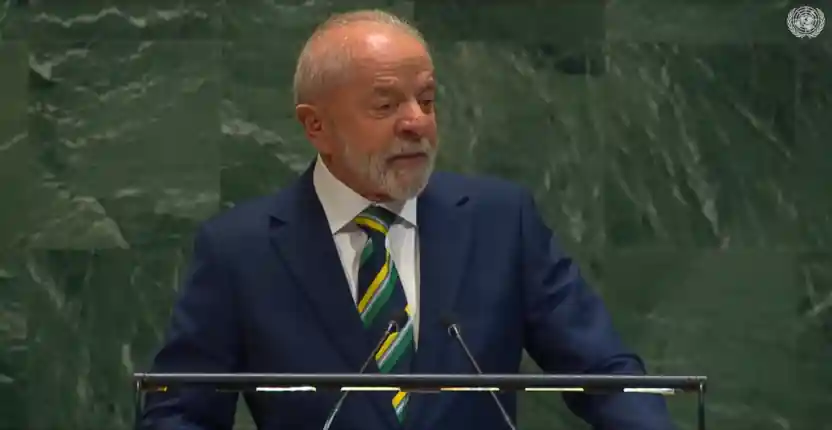
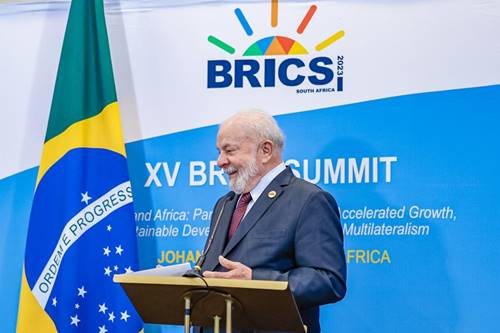
After three centuries under Portuguese rule, Brazil became independent in 1822 and transitioned from empire to republic by 1889. Coffee elites shaped early politics until Getúlio Vargas led the country through a mix of democratic and authoritarian phases from 1930 to 1945. Brazil returned to democracy after 1945, endured a military dictatorship from 1964 to 1985, and adopted its current constitution in 1988. Today, Brazil is the largest and most populous nation in South America, striving for industrial and agricultural growth. It weathered global financial pressures and emerged as a key emerging market under Luiz Inácio Lula da Silva (2003–2010), hosting the 2014 FIFA World Cup and 2016 Olympics. After the economic downturn and political turmoil in the mid-2010s, Lula returned to office in 2022, promoting sustainable development and presiding over the 2024 G20. Brazil’s currency is the Brazilian real (BRL), which trades around R$5.4 per US dollar in recent years, according to BRICS data. Regionally and globally, Brazil engages economically with Russia, China, and India as fellow BRICS members. Brazil and China conduct significant trade and have explored bilateral currency settlement arrangements to reduce reliance on the dollar, while India and Russia deepen economic ties through energy and commodities exchanges. Venezuela’s relations with these partners are shaped by oil exports and geopolitical alliances, though economic sanctions and instability have limited trade volumes.