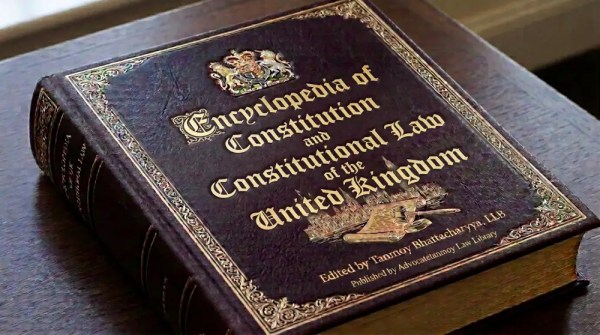
Constitution and Constitutional Law of the United Kingdom
Professional Indemnity Insurance United Kingdom: Claims-Made Policies, Run-Off Cover and Liability
Professional Indemnity Insurance (PII) is a specialised form of professional liability insurance concerned with the financial consequences of mistakes, omissions, negligent advice, breach of professional duty and other civil liabilities arising from the provision of professional services. In the United Kingdom, PII has developed into an important part of the legal, financial, surveying, architectural, accountancy, consultancy, technology and other professional sectors. It is not a single universal insurance imposed on every business. Its legal character depends upon the profession, the regulator, the nature of the professional activity, the contractual relationship with the client and the wording of the insurance policy.
The basic problem addressed by professional indemnity insurance UK is simple. A professional gives advice, prepares a document, designs a building, conducts a transaction, produces accounts, carries out a valuation, writes software, manages a project or performs another specialist service. The client subsequently alleges that the work was defective or negligent and that the defect caused a financial loss. The resulting dispute may involve a claim for damages together with substantial legal costs, expert fees, investigation costs and defence expenses. PII exists to provide an insurance resource against covered civil liability of this kind. The FCA describes PII as liability insurance covering firms where a third party claims to have suffered a loss, usually because of professional negligence. (FCA)
The expression “professional indemnity” is therefore closely connected with the idea of professional responsibility. It is not simply insurance against an accident at business premises. A public liability policy may deal with a customer suffering physical injury at a workplace; employers’ liability insurance addresses specified liabilities to employees. PII concerns another category of risk: the consequences of professional work, professional advice, professional judgment, professional documentation or professional omission.
In the UK, there is an important distinction between statutory insurance, regulatory insurance and contractual insurance. There is no general rule requiring every sole trader, limited company, partnership or consultant to hold PII merely because it operates a business. By contrast, certain regulators require PII as part of the conditions for practising. A client may also insist upon PII as a contractual condition. Consequently, the question “Is professional indemnity insurance compulsory in the UK?” cannot be answered by a universal yes or no.
The Solicitors Regulation Authority (SRA), Architects Registration Board (ARB), Royal Institution of Chartered Surveyors (RICS), ICAEW, ACCA and Financial Conduct Authority (FCA) are among the regulatory structures associated with PII requirements in particular professional sectors.
The position of solicitors and law firms provides one of the clearest examples. An SRA-authorised firm must take out and maintain qualifying professional indemnity insurance under the SRA Indemnity Insurance Rules. The SRA requires authorised bodies to maintain adequate and appropriate cover in respect of current and past practice, while its Minimum Terms and Conditions establish the regulatory framework for qualifying insurance. (Solicitors Regulation Authority)
For the legal profession, PII is principally connected with civil liability arising from private legal practice. The SRA’s current guidance describes PII as protection for firms and relevant individuals against claims of negligence or other civil liability arising from the firm’s practice. It also makes clear that PII does not simply become a general-purpose guarantee for every financial obligation of a law firm. Examples of matters normally outside the ordinary scope include employment tribunal awards, outstanding salary and certain trading debts.
Outside regulated professions, PII can become a contractual requirement. A UK company engaging an IT consultant, management consultant, software contractor, marketing agency, designer or other professional may require evidence of £1 million, £2 million, £5 million or another specified level of professional indemnity cover. Public-sector procurement and large corporate contracts frequently contain insurance requirements, meaning that a business may be unable to obtain or retain a contract without suitable PII.
The claims-made basis is one of the most important concepts in professional indemnity insurance. Under this structure, the relevant policy is generally connected with when the claim is made or, depending upon the policy wording, when the relevant circumstances are notified. This is materially different from thinking only about the date on which the professional work was carried out. The SRA specifically explains that legal-services PII normally operates on a claims-made basis, meaning that cover relates to the period when the claim is made rather than simply the period when the underlying work was performed.
Professional indemnity insurance has generated important insurance law and professional negligence disputes. Issues include notification, policy interpretation, insolvency, the definition of professional services, broker negligence and the rights of third parties. The important cases include Impact Funding Solutions Ltd v AIG Europe Insurance Ltd [2016] UKSC 57 concerning the boundary of professional services, Towergate Financial Ltd v Hopkinson [2020] EWHC 984 (Comm) concerning notification, and Norman Hay Plc v Marsh Ltd [2025] EWCA Civ 58 concerning professional negligence by an insurance broker.
This creates a practical problem known as notification of circumstances. A client does not necessarily begin with a formal letter before action or court proceedings. There may first be an email complaining about advice, an allegation that a valuation is wrong, a demand for correction of professional work, a threatened negligence claim or a regulatory complaint. The professional and broker must therefore understand the policy’s notification provisions. A failure to deal correctly with a known circumstance can create a dispute over which policy year should respond.
The issue becomes particularly important at renewal. Suppose a professional discovers a potential error shortly before the annual policy expires. The professional changes insurer at renewal and a formal claim arrives several months later. The new insurer may examine whether the underlying circumstance was already known before its policy began. The previous insurer may examine whether the circumstance was properly notified during its own policy period. This is one reason why PII renewal, claims notification, circumstance notification, retroactive cover and continuity of cover require careful attention.
The problem does not necessarily disappear when a professional retires or a firm closes. Professional work may create liabilities that emerge years later. This gives rise to run-off cover. In the solicitors’ sector, the SRA explains that where a firm closes without a successor practice, the policy in place when the firm closed extends for a further six years as run-off cover.
Run-off insurance is consequently a major issue in retirement planning, law-firm closure, mergers, succession and business sales. A professional who stops trading may have no new revenue but may still have exposure arising from old files, old advice, previous transactions or historic professional services. The existence of an insurance policy during active trading therefore cannot automatically be treated as the end of the professional’s liability once the business has ceased.
Professional indemnity insurance for solicitors is especially structured because the insurance is also part of the client-protection architecture of legal regulation. The Law Society notes that solicitors in private practice are required to have PII and that claims and associated costs may become the responsibility of the firm’s principals if appropriate cover is absent. (Law Society)
The regulatory model also illustrates an important principle: minimum insurance is not necessarily the same as adequate insurance. The SRA’s guidance requires an authorised body to consider whether its insurance is adequate and appropriate, taking account of factors such as its client profile, number and type of matters, value of engagements, probable maximum loss, historical claims experience and additional layers of insurance.
This distinction is significant for every professional sector. A firm might technically satisfy a regulatory minimum yet still face a potential liability substantially greater than that minimum. A PII policy limit therefore has to be considered against the actual risk profile of the practice. Matters such as high-value transactions, property work, construction projects, financial advice, complex corporate transactions, specialist engineering, software infrastructure and international work can materially alter the potential size of a claim.
RICS professional indemnity insurance provides another example of a profession-specific model. RICS requires regulated firms to ensure that previous and current professional work is covered by adequate and appropriate PII and requires policies to meet its approved requirements. The RICS framework includes minimum indemnity levels linked to firm turnover and requires appropriate policy wording and insurer arrangements. (RICS)
The financial-services sector has its own regulatory structure. The Financial Conduct Authority (FCA) requires certain firms to maintain PII and places responsibility on firms to obtain adequate cover under its rules. The FCA considers matters including total income, required limit of indemnity, excess, risk profile and the nature of the business when explaining how insurers assess premiums. It also requires relevant firms to consider whether the policy covers business or activities carried on in the past as well as those undertaken during the policy period.
The price of professional indemnity insurance therefore cannot be reduced to a standard UK monthly figure. Premiums depend on profession, turnover, fee income, claims history, risk profile, policy limit, excess, geographical exposure, contractual requirements, previous work, regulatory status and the insurer’s assessment of the business. A freelance designer and a conveyancing solicitor may both purchase “PII”, but they represent radically different underwriting risks.
For a professional looking for cheap professional indemnity insurance UK, the cheapest quotation is not necessarily the most useful policy. The critical issue is the relationship between premium and coverage. A low premium may reflect a lower indemnity limit, higher excess, restrictive definition of professional services, significant exclusions, limited territorial scope or inadequate retroactive protection. Conversely, a higher premium may reflect a more comprehensive policy or a higher-risk profession. Policy comparison therefore requires examination of the actual policy wording, not merely the quotation price.
A PII policy normally identifies the insured, the professional activities covered, the indemnity limit, excess, policy period, territorial limits, notification requirements, exclusions and conditions. The phrase “professional services” is particularly important. If a business performs activities outside the description given to the insurer, a dispute can arise over whether the resulting liability falls within cover.
This creates a recurring boundary between professional services and commercial activity. A software consultancy may provide bespoke programming while simultaneously selling software subscriptions. An architect may provide professional design services but also become involved in project management. A consultant may provide advice while also undertaking implementation work. A professional indemnity policy is not automatically a general insurance policy for every commercial activity undertaken by the business.
The distinction is equally important when considering contractual liability. A business may owe money under a commercial agreement without having committed professional negligence. A failure to receive payment, a trading debt, an ordinary contractual dispute or a business loss does not automatically become a PII claim merely because the parties are professional businesses. The legal question is often whether the alleged loss arises from the kind of professional civil liability that the policy was intended to insure.
Public liability insurance, employers’ liability insurance, professional indemnity insurance and cyber insurance should therefore be regarded as different components of a wider business risk structure. Employers’ liability insurance is separately compulsory for most UK employers, with a minimum cover requirement of £5 million under the relevant statutory framework. GOV.UK states that employers generally need employers’ liability insurance as soon as they become an employer and can face a £2,500 daily fine for failing to have the required insurance. (GOV.UK)
PII and cyber insurance increasingly overlap in technology-dependent professional practices. A law firm, accountant, financial adviser or consultancy may suffer a cyberattack involving confidential client information. The resulting situation can contain several different liabilities: professional negligence, breach of confidentiality, data-related liability, forensic costs, business interruption and system restoration. A PII policy should not automatically be treated as comprehensive cyber cover. The actual policy wording determines what is insured.
The growth of artificial intelligence and professional services adds another layer to PII. Professionals increasingly use AI systems for drafting, research, coding, analysis, document preparation and other tasks. The existence of an automated tool does not by itself eliminate the professional’s contractual or regulatory responsibilities. A solicitor, accountant, architect, engineer, consultant or other professional may still need to exercise appropriate professional judgment over the final work. AI-generated errors may therefore become relevant to professional negligence, confidentiality, intellectual property and contractual liability.
Intellectual property risk is another area requiring attention. A professional may unintentionally use protected material, infringing code, copyrighted imagery or another party’s intellectual property in work supplied to a client. Whether such a claim is covered depends on the precise policy wording, exclusions and extensions. Creative agencies, software businesses, designers, marketing companies and technology consultants can therefore require a different PII structure from traditional professional practices.
The excess is another practical part of PII. An excess is the amount the insured may have to bear before the insurer responds, subject to the policy terms. Increasing the excess may reduce the premium, but it also transfers more financial risk to the professional. The relationship between premium, excess and indemnity limit should therefore be considered together.
Another issue is underinsurance. A professional may purchase the minimum amount demanded by a client without considering the maximum plausible claim. A single professional negligence dispute can involve not merely the client’s immediate financial loss but also legal defence costs, expert evidence, interest and associated expenses, depending upon the policy. The correct assessment therefore involves understanding the firm’s client base, transaction values, areas of practice, historic claims and potential maximum loss.
The UK PII market also contains a significant brokerage and specialist underwriting element. Many regulated professions cannot simply select a generic online business insurance policy. Specialist brokers understand the requirements of professional regulators and the underwriting characteristics of particular occupations. This becomes especially important for firms with previous claims, unusual areas of practice, high-value clients, international exposure or difficulty obtaining renewal terms.
The UK PII market includes direct insurers, specialist insurance brokers, digital broker platforms and Lloyd’s-related specialist markets. Providers and intermediaries mentioned in the source material include Hiscox UK, AXA UK, Simply Business, Qdos Contractor, Marsh Commercial and specialist PI brokers. The appropriate purchasing route depends heavily on whether the insured is a freelancer, limited company, regulated professional practice, partnership or high-risk specialist business.
The Insurance Act 2015 also forms part of the legal environment surrounding commercial insurance and professional indemnity insurance. The SRA notes that the Act introduced changes concerning non-disclosure and misrepresentation in relation to non-consumer contracts, including PII held by SRA-authorised firms. The information supplied to insurers when arranging or renewing PII is therefore not a routine administrative exercise. Accuracy concerning claims, complaints, business activities and risk is fundamental to the insurance relationship.
The practical management of PII consequently begins before a claim exists. A professional firm should maintain accurate client records, engagement letters, file management systems, complaints procedures, risk registers and insurance records. Changes in the nature of professional services should be disclosed where required. Material client complaints and circumstances should be considered promptly against the notification provisions of the policy. Renewal should not be treated merely as obtaining a certificate for another twelve months.
The broader significance of PII lies in the fact that professional expertise creates economic dependency. Clients purchase professional judgment because they do not possess the same specialist knowledge. When that judgment is alleged to have caused financial loss, the dispute is not simply between two commercial parties. It may involve questions of duty of care, professional standard, causation, loss, contractual responsibility, regulatory obligation and insurance coverage.
For UK professionals, the central PII questions are therefore interconnected: Who must have professional indemnity insurance? What professional services are insured? What is the limit of indemnity? What is the excess? Is the policy claims-made? When must a circumstance be notified? Is previous work covered? What happens when the firm changes insurer? Is run-off cover available or required? Which exclusions apply? Does the policy satisfy the relevant regulator? Does the policy satisfy the client’s contract? Does the insurance cover the actual work being performed?
These questions make Professional Indemnity Insurance part of the wider architecture of professional regulation, commercial risk, civil liability and client protection in the United Kingdom. For a regulated profession, PII can be a condition of practising. For an unregulated consultant or contractor, it may be a contractual condition of doing business. For a professional firm, it is also a mechanism for protecting the continuity of the business when a negligence allegation develops into a substantial civil claim. The policy is ultimately only as useful as its scope, wording, limits, continuity and compliance with the professional activity actually being carried on.
Professional Indemnity Insurance (PII): Sarvarthapedia Conceptual Network
Professional Indemnity Insurance (PII) can be positioned in Sarvarthapedia not as an isolated insurance product but as a node within a larger knowledge system connecting professional responsibility, civil liability, risk, regulation, contract, insurance law, professional negligence, client protection and business continuity.
Core Node
Professional Indemnity Insurance (PII)
PII → protects against specified civil liability arising from professional services
PII → Professional Negligence
PII → Errors and Omissions
PII → Breach of Professional Duty
PII → Financial Loss
PII → Legal Defence Costs
PII → Client Protection
PII → Professional Regulation
PII → Contractual Risk Transfer
PII → Business Risk Management
The central conceptual chain is:
Professional Service → Professional Duty → Error/Omission → Client Loss → Civil Claim → Professional Liability → Insurance Response
A second chain operates through regulation:
Professional Profession → Regulatory Body → Insurance Requirement → Minimum Cover → Continuing Authorisation → Client Protection
A third operates through business relationships:
Professional Service → Contract → Insurance Requirement → Indemnity Limit → Risk Allocation → Claim
Cluster: Professional Liability
Professional Liability
Professional Liability is the wider legal concept within which PII operates.
See also:
- Professional Indemnity Insurance
- Professional Negligence
- Duty of Care
- Breach of Duty
- Civil Liability
- Economic Loss
- Damages
- Professional Standards
- Standard of Care
Conceptual relationship:
Professional Liability → arises from Professional Activity
Professional Negligence → one major source of Professional Liability
PII → insurance mechanism responding to covered Professional Liability
Cluster: Professional Negligence
Professional Negligence
Professional negligence connects professional expertise with civil liability.
Professional Advice → Reliance → Error → Loss → Claim
See also:
- Negligence
- Duty of Care
- Breach of Duty
- Causation
- Remoteness of Damage
- Damages
- Professional Standard
- Professional Liability
- Professional Indemnity Insurance
The conceptual relationship is:
Professional Negligence → Professional Liability → PII Claim
But:
Professional Negligence ≠ automatically Insured Claim
The insurance response depends upon the policy wording, insured activity, exclusions, notification requirements and applicable regulatory framework.
Cluster: Professional Services
Professional Services
PII begins with the nature of the professional service being performed.
See also:
- Legal Services
- Accountancy
- Architecture
- Surveying
- Financial Advice
- Consultancy
- Information Technology
- Software Development
- Engineering
- Design
- Management Consultancy
Conceptual network:
Professional Expertise → Professional Service → Client Reliance → Professional Duty → Potential Liability
The definition of professional services becomes important when determining whether a particular activity falls inside or outside the insurance policy.
Cluster: Insurance Law
Insurance Contract
PII is ultimately a contract of insurance.
See also:
- Insurance Contract
- Policy Wording
- Insured
- Insurer
- Broker
- Premium
- Excess
- Indemnity Limit
- Exclusion
- Condition
- Notification
- Claim
- Renewal
Conceptual structure:
Policy → Coverage → Conditions → Exclusions → Limits → Claims Procedure
The policy wording determines the boundary between:
Insured Risk ↔ Uninsured Risk
Cluster: Claims-Made Insurance
Claims-Made Basis
The claims-made structure is one of the defining concepts of professional indemnity insurance.
See also:
- Claim
- Circumstance
- Notification
- Policy Period
- Renewal
- Retroactive Cover
- Run-Off Cover
- Continuity of Cover
Conceptual network:
Professional Work → Possible Error → Circumstance → Notification → Claim → Policy Response
This creates an important temporal relationship:
Date of Professional Work ≠ necessarily Date of Insurance Response
The relevant policy may depend upon the claim or notification period, according to the policy wording.
Cluster: Notification
Notification of Circumstances
Notification connects knowledge of risk with insurance protection.
Client Complaint → Possible Circumstance → Notification → Insurer → Coverage Position
See also:
- Claims-Made Basis
- Circumstance
- Claim
- Policy Renewal
- Insurer
- Broker
- Late Notification
- Coverage Dispute
The key conceptual problem is:
Known Circumstance → Failure to Notify → Policy Transition → Coverage Dispute
Thus:
Notification → Continuity of Insurance Protection
Cluster: Run-Off Cover
Run-Off Insurance
Run-off cover connects past professional activity with future liability.
Business Closure → Historic Professional Work → Later Claim → Run-Off Cover
See also:
- Retirement
- Business Closure
- Law Firm Closure
- Successor Practice
- Historic Liability
- Claims-Made Insurance
- Professional Negligence
The conceptual principle is:
Cessation of Work ≠ Cessation of Liability
This makes run-off insurance a bridge between:
Professional History ↔ Future Civil Liability
Cluster: Regulation
Professional Regulation
Professional regulation determines whether PII is merely commercially desirable or effectively mandatory for practising.
See also:
- Solicitors Regulation Authority
- Financial Conduct Authority
- Architects Registration Board
- Royal Institution of Chartered Surveyors
- ICAEW
- ACCA
- Professional Standards
- Regulatory Compliance
Conceptual chain:
Professional Profession → Regulatory Authority → Rules → PII Requirement → Authorisation to Practise
Cluster: Solicitors’ PII
Legal Profession
Solicitors’ PII forms a major specialist branch of the UK PII system.
See also:
- Solicitors Regulation Authority
- Law Society
- SRA Indemnity Insurance Rules
- Minimum Terms and Conditions
- Law Firm
- Private Practice
- Run-Off Cover
- Professional Negligence
- Client Protection
Conceptual network:
Solicitor → Legal Service → Professional Duty → Negligence Risk → PII → Client Protection
The legal-profession branch connects directly with:
Insurance Law ↔ Legal Regulation ↔ Professional Negligence ↔ Client Protection
Cluster: Architects and Surveyors
Architectural PII
Architecture → Design Responsibility → Professional Error → Economic Loss → PII
See also:
- Architects Registration Board
- Building Design
- Construction Law
- Building Safety
- Professional Negligence
- RIBA
- Professional Liability
Surveyors’ PII
Surveying → Valuation → Inspection → Professional Opinion → Reliance → Potential Loss → PII
See also:
- RICS
- Property Valuation
- Chartered Surveyor
- Property Law
- Construction
- Professional Negligence
Cluster: Accountancy and Financial Services
Accountancy PII
Accountancy → Financial Information → Professional Advice → Client Reliance → Financial Loss → PII
See also:
- ICAEW
- ACCA
- Audit
- Tax Advice
- Accounting Standards
- Professional Negligence
Financial Services PII
Financial Advice → Client Investment Decision → Financial Exposure → Professional Liability → PII
See also:
- Financial Conduct Authority
- Investment Advice
- Financial Services Regulation
- Consumer Protection
- Conduct Risk
- Professional Liability
Cluster: Contract Law
Contractual Insurance Requirement
PII may become effectively compulsory through a commercial contract even where no regulator requires it.
Client Contract → Insurance Clause → Minimum PII Limit → Proof of Insurance → Contractual Compliance
See also:
- Commercial Contract
- Procurement
- Public Sector Procurement
- Tender
- Contractual Risk
- Indemnity Clause
- Limitation of Liability
This creates the relationship:
Regulatory Requirement ↔ Contractual Requirement
The two mechanisms are distinct but can produce the same practical consequence:
No Appropriate PII → Cannot Practise / Cannot Contract
Cluster: Risk Management
Professional Risk Management
PII is one component of a broader professional risk-management architecture.
Risk Identification → Risk Prevention → Risk Transfer → Insurance → Claims Management
See also:
- Risk Assessment
- Risk Register
- Compliance
- Internal Controls
- Client Engagement
- Record Keeping
- Complaints Procedure
- Insurance Management
PII therefore belongs to:
Risk Management → Risk Transfer
rather than:
Risk Management → Risk Elimination
Insurance does not prevent professional negligence; it transfers specified financial consequences after the insured event.
Cluster: Public Liability
Public Liability Insurance
Public liability and professional indemnity are related but conceptually distinct.
Public Liability → Physical Injury / Property Damage
Professional Indemnity → Professional Error / Advice / Financial Loss
See also:
- Employers’ Liability Insurance
- Professional Indemnity Insurance
- Business Insurance
- Third-Party Liability
The network is:
Business Risk
→ Public Liability
→ Employers’ Liability
→ Professional Liability
→ Cyber Liability
Each addresses a different liability environment.
Cluster: Employers’ Liability
Employers’ Liability Insurance
Employers’ liability concerns liabilities arising from the relationship between employer and employee.
See also:
- Employment Law
- Health and Safety
- Employers’ Liability Act 1969
- Public Liability
- Professional Indemnity
Conceptual distinction:
Employee → Employer → Employment Risk → Employers’ Liability
versus:
Client → Professional → Professional Service → Professional Liability
Cluster: Cyber Risk
Cyber Insurance
The growth of digital professional services creates an intersection between PII and cyber insurance.
Cyberattack → Data Loss → Confidentiality Breach → Client Loss
See also:
- Cyber Insurance
- Cybersecurity
- Data Protection
- Confidentiality
- Ransomware
- Data Breach
- Information Security
The conceptual boundary is:
PII → Professional Third-Party Liability
Cyber Insurance → Cyber Risk + First-Party Cyber Costs + Relevant Third-Party Risks
The two forms of insurance may therefore be complementary rather than interchangeable.
Cluster: Artificial Intelligence
AI and Professional Liability
The introduction of Artificial Intelligence into professional services creates a new branch of PII analysis.
AI Tool → Professional Use → AI Output → Human Review → Client Advice/Deliverable → Potential Error → Liability
See also:
- Artificial Intelligence
- Generative AI
- AI Governance
- Professional Negligence
- Intellectual Property
- Data Protection
- Cybersecurity
- Professional Responsibility
The important conceptual relationship is:
Automation ≠ Transfer of Professional Responsibility
Where a professional remains responsible for the final advice or deliverable, the use of an AI system may become part of the factual background of a professional liability dispute.
Cluster: Intellectual Property
Intellectual Property Risk
Professional work may involve third-party copyright, software code, designs, images, databases and other intellectual property.
See also:
- Copyright
- Trademark
- Patent
- Software Licensing
- Open Source Software
- AI-Generated Content
- Professional Indemnity
Conceptual chain:
Professional Deliverable → IP Element → Alleged Infringement → Client Loss → Civil Claim → Possible PII Response
The actual insurance position depends upon policy wording and exclusions.
Cluster: Financial Risk
Financial Loss
Financial loss is central to many professional indemnity claims.
See also:
- Economic Loss
- Damages
- Compensation
- Professional Negligence
- Causation
- Indemnity
- Claim
Conceptual chain:
Professional Error → Causation → Financial Loss → Damages → Claim
PII then introduces another layer:
Claim → Insured Liability → Insurance Response
Cluster: Indemnity
Indemnity Principle
Indemnity connects the insurance system with the underlying loss.
See also:
- Insurance Contract
- Indemnity Limit
- Damages
- Claim
- Excess
- Underinsurance
Conceptual structure:
Loss → Quantification → Covered Liability → Indemnity → Policy Limit
The policy limit creates an upper boundary on the insurer’s contractual exposure, subject to the particular policy wording.
Cluster: Policy Limit and Excess
Indemnity Limit
Indemnity Limit → Maximum Insurance Exposure
See also:
- Premium
- Excess
- Underinsurance
- Risk Assessment
- Maximum Probable Loss
Excess
Excess → Insured’s Retained Risk
Therefore:
Premium + Excess + Indemnity Limit = Core Economic Structure of PII
The professional is balancing:
Cost of Insurance ↔ Amount of Risk Retained ↔ Amount of Risk Transferred
Cluster: Claims
Professional Indemnity Claim
A PII claim generally develops through several conceptual stages:
Professional Service
→ Alleged Error
→ Client Complaint
→ Circumstance
→ Notification
→ Claim
→ Investigation
→ Defence / Settlement / Litigation
→ Damages and Costs
→ Insurance Payment, if Covered
See also:
- Professional Negligence Claim
- Civil Procedure
- Litigation
- Alternative Dispute Resolution
- Settlement
- Damages
- Defence Costs
Cluster: Insurance Disputes
Coverage Dispute
A dispute may concern not whether an error occurred but whether the insurance contract responds.
See also:
- Policy Interpretation
- Exclusion
- Notification
- Material Circumstance
- Insurer
- Broker
- Coverage
- Insurance Litigation
Conceptual distinction:
Underlying Professional Dispute
versus
Insurance Coverage Dispute
A professional can therefore face two separate legal questions:
Did the professional incur liability?
and
Does the insurance policy cover that liability?
Cluster: Insurance Broker
Insurance Broker
The broker connects the professional practice with the insurance market.
Professional Risk → Broker → Risk Presentation → Underwriter → Policy → Renewal
See also:
- Insurance Underwriting
- Insurance Market
- Premium
- Policy Wording
- Renewal
- Disclosure
- Broker Negligence
A further conceptual chain arises where the broker itself allegedly fails to arrange appropriate cover:
Broker Duty → Inadequate Insurance → Uninsured Loss → Professional Negligence Claim against Broker
Cluster: Underwriting
PII Underwriting
Insurers assess the probability and potential severity of professional liability.
See also:
- Risk Assessment
- Claims History
- Turnover
- Fee Income
- Profession
- Indemnity Limit
- Excess
- Premium
- Insurance Market Cycle
Conceptual chain:
Professional Activity → Risk Profile → Underwriting → Premium → Policy Terms
Cluster: Business Continuity
Business Continuity
PII contributes to the ability of a professional business to survive a major liability event.
Professional Claim → Defence Costs → Financial Pressure → Insurance Response → Business Continuity
See also:
- Business Risk
- Financial Resilience
- Insolvency
- Run-Off Insurance
- Succession
- Retirement
- Business Closure
This connects PII to the wider Sarvarthapedia concept:
Risk → Resilience → Continuity → Institutional Survival
Cluster: Civil Liability
Civil Liability
PII belongs within the larger architecture of civil liability.
Civil Liability
→ Contractual Liability
→ Tortious Liability
→ Professional Negligence
→ Statutory Liability
→ Insurance Response
See also:
- Tort
- Contract
- Negligence
- Damages
- Compensation
- Professional Duty
- Insurance Law
Cluster: Legal Architecture
PII as a Legal-Institutional System
The deeper Sarvarthapedia network can therefore be expressed as:
Professional Knowledge
→ Professional Service
→ Professional Duty
→ Client Reliance
→ Risk of Error
→ Civil Liability
→ Professional Indemnity
→ Insurance Contract
→ Risk Transfer
→ Client Protection
→ Professional Continuity
This connects PII to a larger institutional architecture:
Law → Regulation → Profession → Contract → Risk → Insurance → Compensation → Institutional Continuity
Cluster: UK Professional Regulation
United Kingdom PII Network
The UK-specific network can be organised around regulatory nodes:
Professional Indemnity Insurance
↔ Solicitors Regulation Authority
↔ Law Society
↔ Architects Registration Board
↔ RICS
↔ FCA
↔ ICAEW
↔ ACCA
Each regulatory branch connects to its corresponding professional system:
SRA → Solicitors → Legal Practice → Client Protection
ARB → Architects → Architectural Services → Professional Liability
RICS → Surveyors → Valuation/Property Services → Professional Liability
FCA → Regulated Financial Firms → Financial Advice → Consumer Protection
ICAEW/ACCA → Accountancy → Financial Reporting/Advice → Professional Liability
Cluster: Core Conceptual Web
Central Network
Professional Indemnity Insurance
↔ Professional Liability
↔ Professional Negligence
↔ Duty of Care
↔ Civil Liability
↔ Financial Loss
↔ Damages
↔ Insurance Contract
↔ Claims-Made Basis
↔ Notification
↔ Run-Off Cover
↔ Regulatory Compliance
↔ Contractual Risk
↔ Client Protection
↔ Business Continuity
Secondary Network
PII
→ Solicitors
→ SRA
→ Legal Practice
→ Professional Negligence
→ Client Protection
PII
→ Architects
→ ARB
→ Construction
→ Design Liability
PII
→ Surveyors
→ RICS
→ Property Valuation
→ Economic Loss
PII
→ Accountants
→ ICAEW / ACCA
→ Financial Information
→ Professional Liability
PII
→ Financial Advisers
→ FCA
→ Investment Advice
→ Consumer Risk
PII
→ Consultants
→ IT Professionals
→ Software
→ AI
→ Cyber Risk
→ Professional Liability
Cluster: See Also Knowledge Web
Direct See Also
- Professional Indemnity Insurance
- Professional Liability
- Professional Negligence
- Negligence
- Duty of Care
- Civil Liability
- Insurance Law
- Insurance Contract
- Claims-Made Insurance
- Run-Off Insurance
- Public Liability Insurance
- Employers’ Liability Insurance
- Cyber Insurance
- Risk Management
- Business Continuity
- Professional Regulation
- Contract Law
- Damages
- Compensation
- Client Protection
UK Institutional See Also
- Solicitors Regulation Authority
- Law Society
- Architects Registration Board
- Royal Institution of Chartered Surveyors
- Financial Conduct Authority
- ICAEW
- ACCA
- Insurance Act 2015
- Employers’ Liability (Compulsory Insurance) Act 1969
Cluster: Sarvarthapedia Higher-Level Connection
Risk → Responsibility → Insurance
At the highest conceptual level, Professional Indemnity Insurance belongs to the Sarvarthapedia network of institutional risk management.
Knowledge → Expertise → Professional Authority → Client Reliance → Responsibility → Liability → Risk → Insurance → Compensation → Continuity
The professional possesses specialised knowledge. That knowledge is converted into a professional service. The client relies upon the professional’s judgment. Reliance creates a field of responsibility. Failure may generate liability. Insurance transforms part of that liability into a structured financial risk-transfer mechanism.
Thus the deeper network is:
Knowledge → Responsibility → Liability → Risk → Insurance → Resilience
- US Health Insurance Crisis 2026
- Easy Loans in America: U.S. Personal Loans, Credit, Rates and Lenders
This Sarvarthapedia graph makes Professional Indemnity Insurance a connecting node between professional knowledge systems, legal responsibility, economic risk and institutional survival, rather than merely another category of commercial insurance.