
The Rule of Law is a dynamic principle reflecting the governance of society by established rules and norms, limiting arbitrary power. It contrasts with Rule by Law, which uses...
DHARMA
The concept of Dharma is central to Indian philosophy and governance, representing righteousness, moral order, and duty. The purpose of rule and administration is to establish and sustain Dharma, ensuring a just and harmonious society. If Dharma is not achieved, it leads to societal chaos, individual suffering, and a failure in the larger cosmic purpose of life. By following Dharmashasana (धर्मशासनम्) rooted in Dharma—we ensure individual and collective growth, align with universal harmony, and fulfill the true purpose of life.
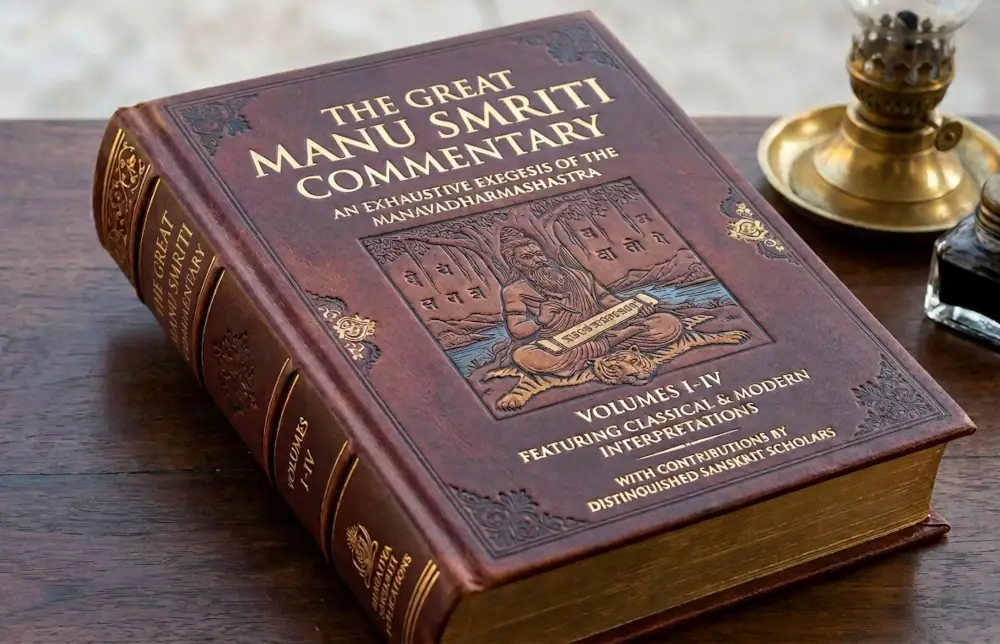
The Manusmriti, an ancient Indian text attributed to the sage Manu, outlines legal, social, and moral principles based on the concept of dharma. Compiled between 200 BCE and 200...

In an era of moral decline during Dhanananda's reign in Magadha, Kautilya emerged as a pivotal figure championing education, Dharma, and societal restoration. He emphasized that the salvation of...

Summary: Acharya Tulsi emphasized the understanding of “dharma” as a practice of self-purification, encompassing right belief, knowledge, and conduct. He advocated for a broader interpretation of “secularism” as being...

Dharma is right action. In the Rg Veda, rta is the right order of the universe. It stands for both the satya or the truth of things as well...
Rishis Will Reinstitute Sanatan Dharma if Diluted: The Vedic Doctrine of Civilizational Restoration

12 min read
European Education and its civilizational worldview caused the dilution of Sanātana Dharma in Bharatavarsha, but according to the ancient Rishi tradition, every such dilution inevitably produces a restoration through...
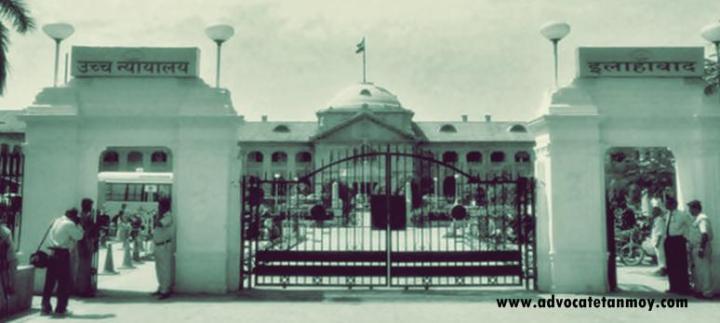
Hinduism is combination of all faiths, beliefs, thoughts and way of worship (Religions) born in India and represnts Karmayog, Gyanyog and Bhaktiyog Dharma propounded by Bhagvad Geeta which is...

धर्मात् संजायते ह्यर्थो धर्मात् कामोऽभिजायते । धर्म एवापवर्गाय तस्माद् धर्मं समाश्रयेत् । Dharma is the source of value and wealth. Satisfaction of desires also generate from the observation of...