Encyclopedia of Sanatan Dharma
Rama as a Vedic Warrior King: Food, Hunting, and Dharma in the Ramayana
Refer: Vedic Ramayana of Valmiki
दद्यान्न प्रतिगृह्णीयात्सत्यं ब्रूयान्न चानृतम् (R 3.47.17)-Always speak truth
The question of Lord Rama’s meat consumption (मांस-भोजन) in the Valmiki Ramayana belongs primarily to the field of historical dietary practice, not to the field of theology. In later centuries, Rama became the supreme object of devotion for millions, but the Rama who appears in the Valmiki Ramayana is simultaneously a divine hero, an ideal ruler, and a historical-cultural figure situated within the social norms of an ancient Vedic society. Consequently, the evidence regarding food habits must be examined within the context of the society reflected in the text rather than through the lens of modern religious identities.
According to the chronology assumed here, the epoch of Kali Yuga began on 18 February 3102 BCE, as calculated in the astronomical tradition associated with the work Aryabhatīyam. The Vedic Saṁhitās had already attained their principal form around 4500 BCE, well before the beginning of Kali Yuga. Around 3550–3500 BCE, Krishna Dvaipāyana Vyasa divided and systematized the Vedas. The drying of the Saraswati River, completed by approximately 1900 BCE, forms an important geographical marker in Indian antiquity. The Valmiki Ramayana, according to this framework, attained its present literary form around 1500–1450 BCE, while the Mahabharata reached its present form around 150–100 BCE. The Bhagavad Gita, inserted into the Mahabharata later, is placed around 650–550 BCE in its present form. Unlike the Ramayana, the Bhagavad Gita does not discuss specific foods in detail but classifies foods according to their effects on body and mind, distinguishing Sattvika, Rajasika, and Tamasika categories.
By the period when Valmiki composed his epic, the story of Rama of the Ikshvaku or Solar Dynasty was already well known. The tradition itself states that Acharya Narada instructed Valmiki to transform an already famous narrative into poetic form. Narada appears in ancient political traditions as a respected authority. In the Artha Shastra, Narada is remembered under the designation Pisuna. Alongside Acharya Shukra and Acharya Brihaspati, he belonged to a respected lineage of political thinkers. Within the chronology under discussion, Narada may be placed between 3500 and 2000 BCE, while Shukra and Brihaspati belong approximately to 3700–3600 BCE.
The Ramayana belongs to the Smriti Parampara, the remembered historical-literary tradition. Ancient Indian texts mention Narasamsha, the praise of a great human being whose life serves as an example. Rama was precisely such a figure. He was remembered as an exemplary king long before his life was transformed into epic poetry.
The social world described in the Ramayana was thoroughly Vedic. Rama was a Vedic prince educated first under Vasistha, the royal preceptor of Ayodhya, and later under Visvamitra, who instructed him in warfare, statecraft, Dharmic Administration and sacred knowledge. Ravana, despite being portrayed as an adversary, also belonged to a Vedic cultural sphere. His father was a Brahmin sage, while his mother came from a Kshatriya lineage associated with groups later designated as Rakshasas. The conflict between Rama and Ravana was therefore not a conflict between Vedic and non-Vedic civilizations but between rival political and cultural formations within the broader Vedic world.
An important feature of that civilization was the special status of the cow. The cow functioned not merely as an animal but as a central economic institution. Agriculture, dairy production, transport, and ritual life depended heavily upon cattle. Consequently, cow slaughter was condemned. The cow symbolized wealth, fertility, and productive power. Ancient legal and ritual traditions treated harm to cattle as a serious social offense. The Ramayana contains numerous references to cattle wealth, but no passage depicts Rama consuming beef.
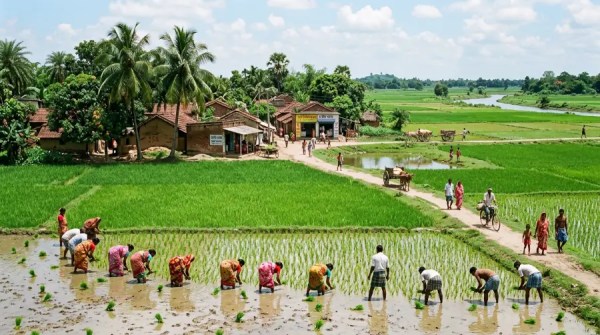
The economy reflected in the Ramayana was closely tied to agriculture. Rama’s association with Janaka of Mithila is significant in this regard. Janaka was celebrated not only as a philosopher-king but also as a patron of agricultural development. The famous episode of Ahalya has often been interpreted symbolically by some historians as representing the reclamation of barren land. Whether one accepts that interpretation or not, the narrative demonstrates the intimate connection between kingship and agricultural prosperity.
The question of meat eating must therefore be separated from the question of Dharma. In the Ramayana, Dharma means adherence to duty, law, truth, social responsibility, and Vedic injunctions. A person could consume meat and still be regarded as Dharmic, provided the conduct remained within accepted norms. Dietary habits were considered social practices rather than ultimate markers of righteousness.
The strongest evidence regarding Rama’s dietary habits comes directly from the text. When Rama prepared for exile, he informed Kausalya:
“चतुर्दश हि वर्षाणि वत्स्यामि विजने वने ।
मधुमूलफलैर्जीवन् हित्वा मुनिवदामिषम् ॥” (2.20.29)
The significant word is “आमिषम्”, meaning meat. Rama declares that he will live like a hermit, abandoning meat and subsisting on honey, roots, and fruits. The statement only makes sense if meat had previously formed part of his normal diet. One does not renounce something that was never consumed.
A second important passage occurs when Hanuman speaks to Sita in Lanka:
“न मांसं राघवो भुङ्क्ते न चापि मधुसेवते ।
वन्यं सुविहितं नित्यं भक्तमश्नाति पञ्चमम् ॥” (5.36.41)
Hanuman reports that Rama, grieving in separation, no longer eats meat and no longer drinks honey-based intoxicating beverages. Instead, he survives on simple forest fare. Again, the statement derives its force from the assumption that these foods had formerly been part of his life.
The exile narrative provides numerous examples of hunting and meat consumption. While travelling through the forests, Rama and Lakshmana are described as killing a boar, a rishya antelope, a spotted deer, and a large deer, preparing the meat and eating it before resting beneath a tree:
“तौ तत्र हत्वा चतुरो महामृगान्…” (2.52.102)
This is not an isolated event. Another passage states that after proceeding through the forest near the Yamuna, the brothers killed many deer suitable for ritual use and consumed them:
“बहून्मेध्यान् मृगान् हत्वा…” (2.55.33)
The term मेध्य indicates animals considered ritually pure and suitable for sacrificial contexts.
The construction of the forest dwelling at Chitrakuta offers particularly valuable evidence. Rama instructs Lakshmana to obtain a black antelope for a ritual connected with the consecration of their hut:
“मृगं हत्वानय क्षिप्रम्…” (2.56.23)
Lakshmana kills the animal, prepares it according to ritual prescription, drains the blood, roasts and cooks it thoroughly, and presents it for offering:
“निष्टप्तं छिन्नशोणितम्…” (2.56.27)
The text explicitly describes the meat as cooked, roasted, and prepared according to Shastric procedure. Such details indicate familiarity with established culinary and ritual practices.
The passage continues with references to offerings involving:
“पक्वैर्मांसैर्यथाविधि”
meaning “cooked meat according to prescribed procedure.”
These descriptions reveal a society in which ritual, hunting, and food preparation were interconnected. Meat could function simultaneously as nourishment and as part of sacrificial observance.
The narrative also contains references to Sita receiving meat. At one point Rama sits with Sita in a mountain region:
“सीतां मांसेन चन्दयन्” (2.96.1)
The phrase indicates that Sita was being served or pleased with meat. The following verse praises the preparation as wholesome, tasty, and properly roasted:
“इदं मेध्यमिदं स्वादु निष्टप्तमिदमग्निना” (2.96.2)
Such language resembles a realistic description of food rather than symbolic ritual language.
During the Dandaka Forest period, Rama is again depicted hunting deer and collecting meat:
“निहत्य पृषतं चान्यं मांसमादाय…” (3.44.27)
Perhaps the most striking testimony comes from Sita herself when she unknowingly speaks to Ravana disguised as an ascetic. She informs the visitor that Rama will soon return carrying abundant game:
“रुरून् गोधान् वराहांश्च हत्वादायामिषान् बहु” (3.47.23)
The list includes deer, godhā (often interpreted as monitor lizard or similar reptile), and wild boar, indicating a varied hunting diet.
Fish also appear in the epic. During the search for Sita, references occur to Rohita fish and other aquatic species. Lakshmana is imagined preparing fish for Rama, roasting them on iron spits:
“खादतो मत्स्यान्” (3.73.16)
The expression explicitly refers to eating fish.
The famous statement made by the dying Vali provides insight into contemporary dietary regulations:
“पञ्च पञ्चनखा भक्ष्या…” (4.17.39)
Vali states that Brahmins and Kshatriyas were permitted to consume five specific categories of five-nailed animals:
- Shalyaka (porcupine)
- Shvavidha (hedgehog or similar animal)
- Godha (monitor lizard)
- Shasha (hare)
- Kurma (tortoise)
The passage does not advocate unrestricted meat consumption. Instead, it reflects a regulated dietary framework familiar to the audience.
These references correspond broadly with the ritual and domestic traditions preserved in various Grihya Sutras, where specific animals are categorized as acceptable or unacceptable under defined circumstances. The evidence suggests neither universal vegetarianism nor unrestricted carnivory. Rather, it indicates a structured system governed by custom, ritual status, social class, and circumstance.
The social reality reflected in the Ramayana appears to distinguish between ordinary domestic life and special situations. Forest travel, warfare, sacrifice, and royal expeditions frequently involved hunting. Ascetics, on the other hand, often abstained from meat. This distinction explains why Rama repeatedly speaks of abandoning meat while living like a hermit. His exile required him to adopt a modified lifestyle different from that of a prince.
Vegetarianism was undoubtedly respected. Large sections of the population probably subsisted primarily on grains, dairy products, fruits, vegetables, and pulses. The Saraswati–Sindhu region is often associated with extensive agricultural production. Yet respect for vegetarianism did not necessarily imply universal abstention from meat. The textual evidence points instead toward coexistence between vegetarian and meat-consuming traditions.
The contrast between later religious movements is also noteworthy. According to traditional accounts, Parshvanatha and Mahavira emphasized strict non-violence and vegetarian discipline. Siddhartha Gautama, by contrast, accepted alms food during his wandering life and did not universally prohibit meat under all circumstances. These differing approaches demonstrate that dietary practices remained a subject of social choice rather than a single defining criterion of spiritual legitimacy.
Within the Ramayana itself, Rama is never judged morally on the basis of eating meat. His greatness derives from truthfulness, courage, loyalty, self-control, administrative competence, and unwavering commitment to Dharma. He protects sages, honors his father’s promise, remains faithful to Sita, and places public welfare above personal comfort. These qualities define his character far more than his menu.
The historical Rama described in the epic was a Kshatriya warrior-prince. He trained in archery, hunted in forests, participated in military campaigns, and spent years in wilderness conditions. Hunting supplied food, provided military training, and formed part of aristocratic culture across many ancient societies. The Ramayana portrays these activities as normal aspects of royal life.
After returning to Ayodhya, Rama ruled according to Vedic principles of governance. His reign became the model later remembered as Rama Rajya. The epic emphasizes justice, prosperity, law, agricultural development, and social harmony. Dietary habits remain peripheral. The text never presents vegetarianism as the sole mark of righteousness, nor does it present meat eating as a moral defect.
Consequently, the question “Was Rama a meat-eater?” can be answered from the textual evidence with considerable clarity. The Valmiki Ramayana contains multiple passages indicating that Rama consumed meat, venison, wild game, and fish under accepted social and ritual conditions. It also records occasions when he voluntarily abstained from meat, especially during periods of ascetic observance or intense grief. Both practices coexist within the narrative.
The larger historical significance lies elsewhere. The Ramayana preserves a picture of an ancient Vedic society in which food habits were regulated by custom, ritual law, social role, and economic realities. Cow slaughter is absent from Rama’s diet, while hunting of designated wild animals appears repeatedly. The text reflects a civilization that revered cattle, valued agriculture, respected vegetarian discipline, and nevertheless permitted specific forms of meat consumption.
The Cow and the Dharma
Within the Vedic tradition, it is held that individuals or groups who attempted to justify cow slaughter and beef consumption in the name of the Vedas were rejected by the mainstream Vedic community. Such people were viewed as having abandoned the accepted standards of Vedic culture and were consequently excluded from the social order. Over generations, these dissident groups are said to have migrated westward beyond the traditional boundaries of the Vedic world, moving into regions corresponding to parts of present-day Iran, Central Asia, and Europe. Once separated from the Vedic homeland, they gradually developed distinct customs, languages, and social systems.
For historians, these passages are important evidence regarding ancient Indian food culture. For devotees, Rama’s spiritual stature rests on Dharma rather than diet. The epic itself treats his food habits as a matter of social practice, while presenting his moral conduct as the true foundation of his enduring reputation. Thus, in the historical portrait preserved by the Valmiki Ramayana, Rama of the Kakutstha dynasty appears not as a figure defined by vegetarianism or meat eating, but as a Vedic king whose dietary practices reflected the accepted norms of his age while his greatness rested upon his unwavering commitment to Dharma.
The Standard of Lord Rama
चतुर्दश हि वर्षाणि वत्स्यामि विजने वने |
मधु मूल फलैः जीवन् हित्वा मुनिवद् आमिषम् || २-२०-२९
अमिषम् all meat, हित्वा abstaining, मुनिवत् like a hermit, मधुमूलफलैः honey, fruits and roots, जीवन् while living on, चतुर्दश fourteen, वर्षाणि years, विजने in a solitary, वने in the forest, वत्स्यामि am to dwell.
न मांसं राघवो भुङ्क्ते न चापि मधुसेवते |
वन्यं सुविहितं नित्यं भक्तमश्नाति पञ्चमम् || ५-३६-४१ ( Hanuman told Sita)
- आमिषम् = Meat
- मधु = Wine
- मुनि= Who stopped talking or communicating
Valmiki Ramayana (Examples of Meat Eating)
तौ तत्र हत्वा चतुरः महा मृगान् |
वराहम् ऋश्यम् पृषतम् महा रुरुम् |
आदाय मेध्यम् त्वरितम् बुभुक्षितौ|
वासाय काले ययतुर् वनः पतिम् || २-५२-१०२
बुभुक्षितौ famished, तौ they, तत्र there, वराहम् a boar, ऋश्यम् a whitefooted male antelope, पृषतम् spotted deer, महारुरुम् a great deer with black stripes, चतुरः four, मृगान् animals, हत्वा killed, मेध्यम् pure meat, त्वरितम् quickly, आदाय partaking as food, काले in the evening, वासाय for rest, वनस्पतिम् under a tree, ययतुः reached.
Famished, they (Rama and Lakshmana) killed a boar, a rishya (whitefooted male antelope), a spotted deer and a great deer with black stripes. They partook the meat and reached a tree by evening where they rested for the night.
क्रोशमात्रम् ततो गत्वा भ्रातरौ रामलक्ष्मनौ |
बहून्मेध्यान् मृगान् हत्वा चेरतुर्यमुनावने | २-५५-३३
बहून्मेध्यान् मृगान्= Many fatty Deers
तत: then, भ्रातरौ the two brothers, रामलक्ष्मणौ Rama and Lakshmana, क्रोशमात्रम् a krosa, गत्वा having gone, मेध्यान् suitable for sacrifice (pure), बहून् many, मृगान् deer, हत्वा having slain, यमुनावने in the forest on the bank of Yamuna, चेरतु: ate.
After walking a krosa into the forest on the bank of the Yamuna, the two brothers killed many deer suitable for sacrifice and ate them.
ऐणेयम् मांसम् आहृत्य शालाम् यक्ष्यामहे वयम् |
कर्त्व्यम् वास्तुशमनम् सौमित्रे चिरजीवभिः || २-५६-२२
सौमित्रे O Lakshmana, ऐणेयं मांसम् venison of black antelope, आहृत्य having brought, वयम् we, शालाम् this hut, यक्ष्यामहे will worship, चिरजीविभि: those who intend to live longer, वास्तुशमनम् pacification of household deity, कर्तव्यम् should be done.
मृगम् हत्वाऽऽनय क्षिप्रम् लक्ष्मणेह शुभेक्षण
कर्तव्यः शास्त्रदृष्टो हि विधिर्दर्ममनुस्मर || २-५६-२३
शुभेक्षण one who has auspicious looks, लक्ष्मण Lakshmana, मृगम् an antelope, हत्वा having killed, क्षिप्रम् quickly, इह here, आनय bring, शास्त्रदृष्ट: as prescribed by the scriptures, विधि: rites, कर्तव्यः हि will have to be carried out, धर्मम् the tradition, अनुस्मर recollect.
Slay an antelope and bring it here quickly. O Lakshmana The rites as prescribed by the scriptures will have to be carried out. You may recollect that tradition.
स लक्ष्मणः कृष्ण मृगम् हत्वा मेध्यम् पतापवान् |
अथ चिक्षेप सौमित्रिः समिद्धे जात वेदसि || २-५६-२६
अथ then, सौमित्रि: son of Sumitra, प्रतापवान् powerful, स: लक्ष्मण: that Lakshmana, मेथ्यम् fit for offering pure, कृष्णमृगम् black deer, हत्वा having killed, समिद्धे in a wellkindled, जातवेदसि fire (Yagna Kunda), चिक्षेप offered.
Then the powerful son of Sumitra killed a black deer fit for offering and offered it to the wellkindled fire.
तम् तु पक्वम् समाज्ञाय निष्टप्तम् चिन्न शोणितम् |
लक्ष्मणः पुरुष व्याघ्रम् अथ राघवम् अब्रवीत् || २-५६-२७
- निष्टप्तम् = Panfryed
- पक्वम्= Cooking
लक्ष्मण: Lakshmana, निष्टप्तम् roasted well, छिन्नशोणितम् with blood drained out, तम् that, पक्वम् cooked, परिज्ञाय having found, अथ then, पुरुषव्याघ्रम् tiger (best) among men, राघवम् to Rama, अब्रवीत् said.
With the blood drained out of the venison, Lakshmana roasted it and cooked it well, and then said to Rama, the tiger (best) among men.
अयम् कृष्णः समाप्त अन्गः शृतः कृष्ण मृगो यथा |
देवता देव सम्काश यजस्व कुशलो हि असि || २-५६-२८
समस्ताङ्ग: with all the limbs, अयम् this, कृष्णमृग: black antelope, सर्व: completely, मया by me, श्रुत: is wellcooked, देवसङ्काश like a god, देवता: devatas, यजस्व offer with sacrifice, कुशल: असि हि you are proficient.
This black antelope with all its limbs is wellcooked. O divine sire, you may make the
offering to Vastu devata in which you are proficient ( meat offered to the Yagna kunda)
वन्यैर्माल्यैः फलैर्मूलैः पक्वैर्मांसैर्यथाविधि |
अद्भर्जपैश्च वेदोक्तै र्धर्भैश्च ससमित्कुशैः || २-५६-३४
तौ तर्पयित्वा भूतानि राघवौ सह सीतया |
तदा विविशतुः शालाम् सुशुभाम् शुभलक्षणौ || २-५६-३५
पक्वैर्मांसैर्यथाविधि=Cooked meat according to Sashtra
तां तथा दर्शयित्वा तु मैथिलीं गिरिनिम्नगाम् |
निषसाद गिरिप्रस्थे सीतां मांसेन चन्दयन् || २-९६-१
सीतां मांसेन चन्दयन् = Sita was served with meat
इदं मेध्यमिदं स्वादु निष्टप्तमिदमग्निना |
एवमास्ते स धर्मात्मा सीतया सह राघवः || २-९६-२
मेध्यमिदं स्वादु निष्टप्तमिदमग्निना = panfriyed fatty meat
निहत्य पृषतम् च अन्यम् मांसम् आदाय राघवः |
त्वरमाणो जनस्थानम् ससार अभिमुखः तदा || ३-४४-२७
तदा then, राघवः Rama, अन्यम् another, पृषतम् deer, निहत्य having killed, मांसम् meat, आदाय collected, त्वरमाणः quickly, जनस्थानम् Janasthanam, अभिमुखः towards, ससार departed.
Then Rama killed another deer, collected the venison/meat and moved quickly to Janasthana.
समाश्वस मुहूर्तम् तु शक्यम् वस्तुम् इह त्वया || ३-४७-२२
आगमिष्यति मे भर्ता वन्यम् आदाय पुष्कलम् |
रुरून् गोधान् वराहान् च हत्वा आदाय अमिषान् बहु || ३-४७-२३
मुहूर्तम् for a while, समाश्वस take rest, त्वया by you, इह here, वस्तुम् to stay, शक्यम् it is possible, मे भर्ता my husband, रुरून् deer, गोधाः alligators, वराहांश्च boars, हत्वा after killing, बहून् many of them, आमिषान् varieties of meat, आदाय would fetch, पुष्कलम् in plenty, वन्यम् from the forest, आदाय getting, आगमिष्यति will come.
Sita told to Ravana(परिव्राजकरूपेण-R 3.47.1) : Rest here awhile. My husband will return with plenty of meat of many kinds from the forest, killing deer, alligators, and wild boars.
रामो अथ सह सौमित्रिः वनम् यात्वा स वीर्यवान् |
स्थूलान् हत्वा महा रोहीन् अनु तस्तार तम् द्विजम् || ३-६८-३२
रोहि मांसानि च उद्धृत्य पेशी कृत्वा महायशाः |
शकुनाय ददौ रामो रम्ये हरित शाद्वले || ३-६८-३३
रोहि मांसानि = Fish meat
न उद्विजन्ते नरान् दृष्ट्वा वधस्य अकोविदाः शुभाः || ३-७३-१३
घृत पिण्ड उपमान् स्थूलान् तान् द्विजान् भक्षयिष्यथः |
रोहितान् वक्र तुण्डान् च नल मीनान् च राघव || ३-७३-१४
पंपायाम् इषुभिः मत्स्यान् तत्र राम वरान् हतान् |
निस्त्वक्पक्षानयसतप्तानकृशान्नैककण्टकान् – यद्वा –
निः त्वक् पक्षान् अयस तप्तान् अकृशान् न अनेक कण्टकान् || ३-७३-१५
तव भक्त्या समायुक्तो लक्ष्मणः संप्रदास्यति |
भृशम् तान् खादतो मत्स्यान् पंपायाः पुष्प संचये || ३-७३-१६
O Rama, the son of the Raghu dynasty there at Pampa, by shooting an arrow at the choicest fishes with a single bone, prawns and big fishes, crooked faced fishes, fishes without scales and fins, baked on iron skewers and cooked will be offered to you by faithful Lakshmana. While you delightfully eat the fish, Lakshmana will fetch you water in a lotus leaf from the Pampa to drink. The waters of Pampa full of lotuses carry their scent, It is enjoyable, cool, healthy, and clear, resembling silver and crystal. (A suggestion was given to Rama to eat Fish)
खादतो मत्स्यान् = Fish eating
पद्म गन्धि शिवम् वारि सुख शीतम् अनामयम् |
उद्धृत्य स तदा अक्लिष्टम् रूप्य स्फटिक सन्निभम् || ३-७३-१७
अथ पुष्कर पर्णेन लक्ष्मणः पाययिष्यति |
पंच पंच नखा भक्ष्या ब्रह्म क्षत्रेण राघव |
शल्यकः श्वाविधो गोधा शशः कूर्मः च पंचमः || ४-१७-३९
Wonded Bali said: O Rama brahmins and kshatriyas are permitted to eat only the five nailed animals the porcupine, the hedgehog, the alligator, the rabbit and the tortoise.
In the above Sloka, it is argued that the Brahmins and the warrior class were permitted to eat limited meat, so why did Rama kill Monkey King Bali from the back side?
The Jungle Militia and Mother Shabari (Savari)
In the forest narratives of the Ramayana, Mother Shabari (Savari) occupies a position of considerable significance. Beyond the devotional traditions that later celebrated her unwavering faith, she may also be viewed as one of the earliest figures to recognize the strategic potential of the forest communities. Through her guidance and connections within the woodland regions, Rama was able to establish contact with numerous tribal and forest-dwelling groups who eventually became part of the military coalition that opposed Ravana. This vast confederation, remembered in the epic tradition through the symbol of the Vanaras (Monkeys), functioned as a highly organized jungle militia capable of reconnaissance, engineering, logistics, and warfare across difficult terrain. In this interpretation, the monkey emblem represented the identity of the militia rather than a literal zoological description of all its members. Shabari herself is remembered as the daughter of a warrior sage, and her role illustrates the contribution of forest communities to the political and military success of Rama’s campaign.
It should also be remembered that Rama was approximately twenty-five years of age when he departed for the forest exile. He was not an inexperienced youth but a fully trained prince educated in statecraft, military science, Vedic learning, diplomacy, and administration under the guidance of Vasistha and Visvamitra. During the years of exile, he continued to act as a warrior and protector, defending sages, maintaining order in forest regions, and ultimately organizing a large military alliance that culminated in the campaign against Lanka.
From a historical perspective, Rama was a Kshatriya prince and later an emperor whose foremost responsibility was the protection of society. His greatness rested upon his commitment to Dharma, his dedication to justice, and his willingness to sacrifice personal comfort for the welfare of his subjects. The references in the Valmiki Ramayana to hunting, meat consumption, or forest food habits should therefore be understood within the broader context of Kshatriya life and military duty. Such dietary practices neither diminished his spiritual stature nor affected his role as one of the most revered exemplars of Sanatana Dharma. The epic consistently evaluates Rama on the basis of truthfulness, courage, restraint, compassion, and adherence to duty rather than on questions of diet alone.
Throughout Indian history, dietary customs have varied considerably across regions and communities. Many communities that maintained a non-vegetarian diet have simultaneously preserved strong traditions of learning, ritual observance, and devotion. The example of numerous Bengali Brahmin traditions, where fish consumption coexisted with rigorous religious practice, demonstrates that piety and dietary habits have not always been viewed as identical categories within the broader framework of Hindu civilization.
Ancient legal and ritual texts, including portions of the Smriti literature such as the Manusmriti, discuss regulated meat consumption under specific circumstances while simultaneously emphasizing restraint, compassion, and the minimization of unnecessary violence. The underlying principle was not unrestricted consumption but ethical regulation. Within Vedic civilization, the cow and bull occupied a uniquely protected position because of their indispensable economic role in agriculture, dairy production, transport, and rural prosperity. Consequently, cattle protection became an important social and cultural value.
Similarly, the concept of Sattvika Ahara in the Bhagavad Gita is concerned primarily with the qualities of food and their effects upon the body and mind. The text emphasizes freshness, purity, wholesomeness, moderation, and balance. Its classification system focuses on the physical and psychological consequences of food rather than presenting a detailed legal code of vegetarianism and non-vegetarianism. Thus, discussions of diet in classical Indian literature often revolve around context, purpose, health, ritual requirements, and ethical conduct rather than a single universal rule applicable to all individuals regardless of occupation or circumstance.
The history of ancient India also demonstrates that the civilization placed great value on both Ahimsa (non-violence) and Kshatra (protective power). The ideal ruler was expected to combine compassion with the ability to defend society against aggression. Rama exemplifies this synthesis. He was revered not because of a particular dietary practice but because he embodied the balance between moral restraint and martial responsibility. His life illustrates the principle that Dharma requires both ethical conduct and the capacity to protect the social order when confronted by injustice, lawlessness, or external threats.
The historical and literary portrait of Rama presented in the Valmiki Ramayana is that of a warrior-king, administrator, protector, and upholder of Dharma. His food habits, whether involving periods of abstinence or the consumption of permitted forest game, were secondary aspects of his life. The enduring legacy of Rama lies in his character, leadership, military skill, administrative vision, and unwavering dedication to the welfare of his people and the preservation of righteous order.
Sanskrit Vocabulary
तौ, तत्र, हत्वा, चतुरः, महामृगान्, वराहम्, ऋश्यम्, पृषतम्, महारुरुम्, आदाय, मेध्यम्, त्वरितम्, बुभुक्षितौ, वासाय, काले, वनस्पतिम्, ययतुः। भ्रातरौ, रामलक्ष्मणौ, क्रोशमात्रम्, गत्वा, बहून्, मेध्यान्, मृगान्, हत्वा, यमुनावने, चेरतुः। ऐणेयम्, मांसम्, आहृत्य, शालाम्, यक्ष्यामहे, वयम्, वास्तुशमनम्, कर्तव्यम्, सौमित्रे, चिरजीविभिः। मृगम्, हत्वा, आनय, क्षिप्रम्, लक्ष्मण, शुभेक्षण, शास्त्रदृष्टः, विधिः, धर्मम्, अनुस्मर। कृष्णमृगम्, मेध्यम्, हत्वा, सौमित्रिः, समिद्धे, जातवेदसि, चिक्षेप। पक्वम्, निष्टप्तम्, छिन्नशोणितम्, परिज्ञाय, लक्ष्मणः, पुरुषव्याघ्रम्, राघवम्, अब्रवीत्। अयम्, कृष्णमृगः, समस्ताङ्गः, शृतः, देवसङ्काश, देवताः, यजस्व, कुशलः। वन्यैः, माल्यैः, फलैः, मूलैः, पक्वैः, मांसैः, यथाविधि, वेदोक्तैः, दर्भैः, समित्कुशैः, तर्पयित्वा, भूतानि, राघवौ, सीतया, सह, शालाम्, विविशतुः।
मैथिलीम्, गिरिनिम्नगाम्, दर्शयित्वा, निषसाद, गिरिप्रस्थे, सीताम्, मांसेन, चन्दयन्। इदम्, मेध्यम्, स्वादु, निष्टप्तम्, अग्निना, धर्मात्मा, राघवः, सीतया, सह, आस्ते। पृषतम्, निहत्य, अन्यम्, मांसम्, आदाय, राघवः, त्वरमाणः, जनस्थानम्, अभिमुखः, ससार। समाश्वस, मुहूर्तम्, वस्तुम्, इह, शक्यम्, मे, भर्ता, वन्यम्, पुष्कलम्, आदाय, आगमिष्यति। रुरून्, गोधान्, वराहान्, हत्वा, आमिषान्, बहून्, आदाय, आगमिष्यति। रामः, सौमित्रिणा, सह, वनम्, यात्वा, स्थूलान्, महारोहीन्, हत्वा, द्विजम्, तस्तार। रोहितमांसानि, उद्धृत्य, पेशीः, कृत्वा, महायशाः, शकुनाय, ददौ। रोहितान्, वक्रतुण्डान्, नलमीनान्, मत्स्यान्, इषुभिः, हतान्, अयसतप्तान्, अकृशान्, नैककण्टकान्, लक्ष्मणः, संप्रदास्यति। भृशम्, मत्स्यान्, खादतः, पंपायाः, पुष्पसंचये। पद्मगन्धि, शिवम्, वारि, सुखम्, शीतम्, अनामयम्, रूप्यस्फटिकसन्निभम्, पुष्करपर्णेन, पाययिष्यति। शल्यकः, श्वाविधः, गोधा, शशः, कूर्मः, पञ्चमः, पञ्चपञ्चनखाः, भक्ष्याः, ब्रह्मक्षत्रेण, राघव।
Read More
Sarvarthapedia Conceptual networks: Lord Rama’s Meat Consumption in the Valmiki Ramayana
Connected Concepts
- Vedic Dietary Practices
- Kshatriya Food Culture
- Dharma and Social Conduct
- Hunting in Ancient India
- Ritual Meat Offerings
- Forest Exile of Rama
- Valmiki Ramayana
- Vedic Civilization
- Cow Protection in Ancient India
- Smriti Parampara
Valmiki Ramayana
Related Topics
- Lord Rama
- Valmiki
- Narada
- Smriti Parampara
- Narasamsha Tradition
- Ayodhya
- Chitrakuta
- Dandakaranya
- Lanka Campaign
See Also
- Historical Rama
- Vedic Kingship
- Epic Literature of India
- Mahabharata
- Bhagavad Gita
Lord Rama
Connected Themes
- Ikshvaku Dynasty
- Solar Dynasty (Suryavamsha)
- Kshatriya Dharma
- Forest Exile
- Rama Rajya
- Dharma
- Military Leadership
- Statecraft
- Vedic Education
Related Persons
- Sita
- Lakshmana
- Bharata
- Hanuman
- Shabari
- Vasistha
- Visvamitra
- Janaka
Kshatriya Food Culture
Related Concepts
- Hunting Traditions
- Royal Expeditions
- Military Training
- Forest Survival
- Meat Consumption
- Fish Consumption
- Ritual Hunting
Connected Texts
- Valmiki Ramayana
- Manusmriti
- Grihya Sutras
- Dharmashastra Literature
Vedic Dietary Practices
Major Components
- Grains
- Dairy Products
- Fruits
- Roots and Tubers
- Honey
- Fish
- Game Meat
Related Concepts
- Sattvika Ahara
- Rajasika Ahara
- Tamasika Ahara
- Ritual Purity
- Food and Social Status
- Seasonal Diet
See Also
- Bhagavad Gita
- Ayurveda
- Grihastha Ashrama
Dharma
Connected Ideas
- Duty
- Truth
- Social Responsibility
- Kingship
- Justice
- Vedic Injunctions
- Moral Conduct
Not Directly Determined By
- Vegetarianism
- Meat Consumption
- Regional Food Customs
Related Articles
- Rama Rajya
- Rajadharma
- Kshatriya Dharma
- Vedic Law
Forest Exile of Rama
Important Locations
- Ayodhya
- Ganga Region
- Yamuna Forest
- Chitrakuta
- Dandakaranya
- Panchavati
- Kishkindha
Connected Themes
- Ascetic Living
- Hunting
- Survival Food
- Forest Communities
- Tribal Alliances
- Shabari
Hunting in Ancient India
Functions
- Food Procurement
- Military Training
- Royal Duty
- Forest Administration
- Protection of Settlements
Animals Mentioned
- Varaha (Boar)
- Rishya (Antelope)
- Prishata (Spotted Deer)
- Ruru Deer
- Godha
- Rohita Fish
Related Concepts
- Mamsa
- Medhya Animals
- Ritual Sacrifice
- Forest Economy
Ritual Meat Offerings
Associated Terms
- Medhya
- Pakva Mamsa
- Yajna
- Vastu Shamana
- Agni Offerings
Related Texts
- Grihya Sutras
- Kalpa Literature
- Dharmashastra
Connected Concepts
- Ritual Purity
- Consecration Ceremonies
- Household Rites
Sita
Connected Topics
- Mithila
- Janaka
- Forest Life
- Panchavati
- Lanka
- Domestic Life in Exile
Related Dietary References
- Forest Food
- Meat Served in Exile
- Household Rituals
Hanuman
Related Themes
- Messenger to Lanka
- Witness of Rama’s Ascetic Practices
- Reporting Rama’s Abstinence
- Vanara Confederation
See Also
- Kishkindha
- Sugriva
- Lanka Campaign
Shabari
Connected Themes
- Forest Communities
- Tribal Networks
- Bhakti Tradition
- Jungle Militia Theory
- Vanara Confederation
Related Persons
- Rama
- Lakshmana
- Matanga Tradition
See Also
- Forest Administration
- Tribal Alliances
- Dandakaranya
Vanara Confederation
Related Interpretations
- Forest Tribal Alliance
- Jungle Militia
- Reconnaissance Forces
- Engineering Corps
- Military Logistics
Connected Persons
- Sugriva
- Hanuman
- Nala
- Nila
- Shabari
Related Events
- Search for Sita
- Bridge to Lanka
- Lanka War
Cow Protection in Ancient India
Connected Themes
- Agricultural Economy
- Dairy Production
- Rural Wealth
- Sacred Symbolism
- Cattle Wealth
Related Concepts
- Vedic Economy
- Janaka’s Agricultural Reforms
- Village Society
- Pastoral Culture
Distinct From
- Hunting of Wild Animals
- Forest Game Consumption
Vedic Economy
Core Components
- Agriculture
- Cattle Wealth
- Irrigation
- Trade Networks
- Forest Resources
Related Figures
- Janaka
- Rama
- Ikshvaku Dynasty
See Also
- Saraswati Civilization
- Mithila
- Ayodhya
Janaka of Mithila
Connected Topics
- Agricultural Development
- Philosophy
- Sita
- Mithila Kingdom
- Vedic Kingship
Related Concepts
- Land Reclamation
- Ahalya Narrative
- Rural Administration
Ahalya Narrative
Interpretive Themes
- Land Reclamation
- Agricultural Expansion
- Cultural Renewal
- Royal Responsibility
Related Persons
- Rama
- Lakshmana
- Gautama
- Janaka
Bhagavad Gita
Related Dietary Concepts
- Sattvika Food
- Rajasika Food
- Tamasika Food
- Moderation
- Mental Discipline
Connected Themes
- Ethics
- Self-Control
- Yoga
- Dharma
Related Texts
- Mahabharata
- Upanishads
Manusmriti
Relevant Topics
- Regulated Meat Consumption
- Social Ethics
- Varna Duties
- Ahimsa
- Legal Traditions
Connected Literature
- Dharmashastra
- Grihya Sutras
- Smriti Tradition
Ahimsa and Kshatra
Dual Principles
- Compassion
- Protection
- Restraint
- Defense of Society
Exemplified By
- Rama
- Janaka
- Ideal Vedic Kingship
Related Topics
- Warfare
- Rajadharma
- State Security
Historical Chronology Framework
Key Dates
- c. 4500 BCE — Vedic Samhitas in principal form
- 3102 BCE — Beginning of Kali Yuga
- c. 3550–3500 BCE — Division of Vedas by Krishna Dvaipayana
- c. 3700–3600 BCE — Shukra and Brihaspati
- c. 3500–2000 BCE — Narada Tradition
- c. 1900 BCE — Saraswati River dries out
- c. 1500–1450 BCE — Valmiki Ramayana in present form
- c. 650–550 BCE — Bhagavad Gita in present form
- c. 150–100 BCE — Mahabharata in present form
Related Articles
- Kali Yuga
- Saraswati River
- Vyasa
- Narada
- Valmiki
- Mahabharata
Rama Rajya
Connected Themes
- Justice
- Prosperity
- Social Harmony
- Agricultural Growth
- Administrative Excellence
- Dharma-Based Governance
Related Concepts
- Rajadharma
- Vedic Economy
- Kshatriya Kingship
- Public Welfare
Read More
- Encyclopedia of Indian Economy
- Meta-Civilizational Architecture
- Encyclopedia of Ancient and Modern India
- Encyclopedia of Contemporary World History
- Contemporary Indian Politics
- Indian Law Encyclopedia
Central Knowledge Cluster
Lord Rama’s Meat Consumption ↔ Valmiki Ramayana ↔ Vedic Dietary Practices ↔ Kshatriya Food Culture ↔ Hunting Traditions ↔ Forest Exile ↔ Dharma ↔ Vedic Civilization ↔ Cow Protection ↔ Vedic Economy ↔ Janaka and Agriculture ↔ Rama Rajya ↔ Shabari and Forest Alliances ↔ Vanara Confederation ↔ Lanka Campaign ↔ Historical Rama.
Read more
- Introduction to Valmiki Ramayana
- Synopsis of Ramayana as told by Sage Narada to Valmiki
- Uttar Kanda [7th Chapter] was added to Valmiki Ramayana by foreigners to disgrace Lord Rama
- Sanskrit words used in Ramayana of Valmiki [PART-2]