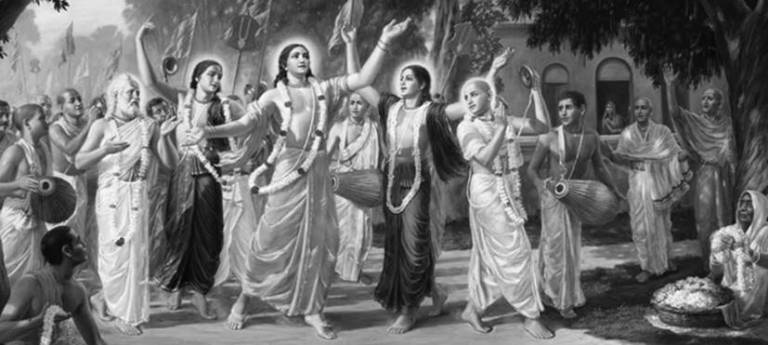
The Valmiki Ramayana, composed in Sanskrit by Rishi Valmiki (वाल्मीकि), narrates the life and ideals of Lord Rama and is traditionally structured into six principal sections. Regarded as a foundational text of Vedic culture and heritage, the epic presents Rama as the embodiment of moral virtue, selflessness, and righteous leadership. Scholars and traditional interpretations often associate this portrayal with Valmiki’s own experiences of hardship and social deprivation, which contributed to the philosophical depth of the narrative.
Rama is depicted as the ideal Vedic individual whose conduct, devotion to Dharma, and commitment to duty serve as a model for society. Through this characterization, the Ramayana encourages its audience to cultivate ethical discipline, truthfulness, courage, and compassion. Beyond its narrative dimension, the epic explores profound philosophical and spiritual themes concerning duty, sacrifice, kingship, and the human condition, establishing it as one of the great civilizational masterpieces of Indian literature.
Valmiki Ramayana: Full Sanskrit Text | Kandams 1 – 6
Read the full text of the Ramayana in Sanskrit (Devanagari)
Part [Kandam] – 1 2 3 4 5 6
- Baal Kaanda (तपस्स्वाध्यायनिरतं तपस्वी वाग्विदां वरम् । नारदं परिपप्रच्छ वाल्मीकिर्मुनिपुङ्गवम्)
- Ayodhya Kaanda (गच्छता मातुलकुलं भरतेन तदाऽनघ। शत्रुघ्नो नित्यशत्रुघ्नो नीतः प्रीतिपुरस्कृतः)
- Aranya Kaanda (प्रविश्य तु महारण्यं दण्डकारण्यमात्मवान्। ददर्श रामो दुर्धर्षस्तापसाश्रममण्डलम्)
- Kishkindha Kaanda ( स तां पुष्करिणीं गत्वा पद्मोत्पलझषाकुलाम्। रामस्सौमित्रि सहितो विललापाकुलेन्द्रियः)
- Sundar Kaanda (ततो रावणनीतायाः सीतायाः शत्रुकर्शनः। इयेष पदमन्वेष्टुं चारणाचरिते पथि)
- Yuddha Kanda (श्रुत्वा हनुमतो वाक्यं यथावदभिभाषितम् । रामः प्रीतिसमायुक्तो वाक्यमुत्तरमब्रवीत्)
वाल्मीकि रामायण: 1450-1500 BCE
Vedic Ramayana by Rishi Valmiki: A Civilizational Masterpiece
The Valmiki Ramayana is among the oldest surviving epics of the Indian subcontinent and a foundational text of Vedic civilization. Composed in Sanskrit by Rishi Valmiki (वाल्मीकि) much before the Mahabharata of Krishna Dvaipayan. 7th and 4th centuries BCE Ramayan came into present form, the work narrates the life, exile, struggles, and kingship of Lord Rama, the prince of Ayodhya in the ancient kingdom of Kosala, situated near present-day Uttar Pradesh, India. Traditionally consisting of nearly 24,000 shlokas arranged into six principal Kandas—Bala, Ayodhya, Aranya, Kishkindha, Sundara, and Yuddha—the text is regarded not merely as poetry but as a historical and philosophical chronicle of early Vedic society. The so-called Uttara Kanda, often counted as the seventh section, is considered by many traditional scholars and textual critics to be a later interpolation rather than part of the original composition.
The epic emerged during a formative phase of northern Indian civilization when the ideals of Dharma, kingship, social ethics, and spiritual discipline were being systematically articulated. Rishi Valmiki, associated with the Bharadvaja Gotra, is believed to have lived near the banks of the Tamasa River, close to the Ganga plains. Ancient traditions describe his early life as marked by poverty and social deprivation. His transformation under the guidance of Sage Narada (नारद) became one of the most enduring narratives of spiritual awakening in Indian literature. Narada introduced Valmiki to the ideal of the perfectly righteous human being, inspiring the sage to compose the Ramayana.
At the beginning of the text, Valmiki asks Narada whether a person possessing all noble qualities exists on earth. The response introduces Rama as the embodiment of the Vedic ideal. In the celebrated verse, Valmiki describes the six essential qualifications of an exemplary citizen: “गुणवान् वीर्यवान्, धर्मज्ञ कृतज्ञ सत्यवाक्यो दृढव्रतः”—one who is virtuous, courageous, knowledgeable in Dharma, grateful, truthful, and firm in resolve. These qualities, rarely united in a single individual, are fully realized in Rama. Through this literary portrayal, Valmiki encouraged listeners and future generations to emulate Rama’s conduct in governance, family life, warfare, and spiritual discipline.
The historical geography of the epic stretches across the Indian subcontinent, from Ayodhya and the forests of Dandakaranya in central India to Kishkindha near present-day Hampi, Karnataka, and finally to Lanka, identified in tradition with modern Sri Lanka. These geographical references provide insight into trade routes, forest cultures, political alliances, and social organization in ancient India. Rama’s fourteen-year exile, the abduction of Sita, and the war against Ravana are presented not merely as mythic episodes but as reflections on statecraft, justice, sacrifice, and moral duty.
A defining feature of the Valmiki Ramayana is Rama’s attitude toward power and ownership. Although heir to a vast empire, Rama consistently renounces personal ambition in favor of Dharma. This portrayal reflects Valmiki’s own philosophical understanding of deprivation and detachment. Rama governs not as a conqueror but as a selfless custodian of social harmony, becoming the model of the ideal Vedic ruler and citizen.
Beyond its narrative structure, the Ramayana profoundly shaped the religious, artistic, and ethical traditions of South and Southeast Asia for more than two millennia. It influenced temple architecture, classical dance, sculpture, theatre, and regional literatures from India to Cambodia, Thailand, Indonesia, and Nepal. Its enduring significance lies in its synthesis of history, ethics, spirituality, and civilizational memory, establishing the Valmiki Ramayana as one of humanity’s most influential literary achievements.
The so-called seventh Kanda, commonly known as the Uttara Kandam, is a later addition rather than an original component of the Valmiki Ramayana. The authentic Valmiki Ramayana concludes with the Pattabhisheka or Coronation of Emperor Rama, marking the restoration of righteous rule in Ayodhya.
The Uttara Kandam is often viewed as an independent composition attributed to an unknown author from a later period. Critics of the text argue that its literary style, thematic structure, and poetic quality differ significantly from the earlier books of the Ramayana traditionally attributed to Rishi Valmiki. Consequently, it is not accepted as part of the original Vedic Ramayana.
READ ALSO
Sarvarthapedia Conceptual Network: Valmiki Ramayana
Core Concepts
See also: Vedic Civilization, Dharma, Sanskrit Literature, Itihasa Tradition, Ancient India, Epic Literature, Civilizational Memory
The Valmiki Ramayana forms a central pillar of Vedic and post-Vedic intellectual tradition. It connects ethical governance, spiritual discipline, social order, and philosophical inquiry within a single narrative framework centered on Lord Rama.
See also:
- Introduction to the Encyclopedia of Indian Military Civilization
- Encyclopedia of Indian Economy
- Meta-Civilizational Architecture
Rishi Valmiki (वाल्मीकि)
Related Concepts
See also: Adi Kavi, Bharadvaja Gotra, Sage Narada, Sanskrit Poetry, Spiritual Transformation, Ascetic Traditions, Vedic Sages
Rishi Valmiki is traditionally regarded as the “First Poet” of Sanskrit literature. His transformation from a life associated with deprivation and hardship into spiritual enlightenment under Sage Narada links the Ramayana to themes of redemption, self-realization, and philosophical introspection.
Lord Rama
Related Concepts
See also: Dharma, Rajadharma, Ideal Kingship, Moral Leadership, Selflessness, Vedic Ethics, Ethical Governance
Lord Rama is presented as the embodiment of the ideal Vedic ruler and citizen. His conduct establishes the ethical model of truthfulness, sacrifice, restraint, duty, and compassion. Rama’s rejection of personal ambition in favor of Dharma became a foundational political and moral archetype in Indian civilization.
Dharma
Related Concepts
See also: Rajadharma, Karma, Vedic Ethics, Justice, Moral Order, Duty, Social Responsibility
Dharma is the organizing principle of the Ramayana. Every major event—including exile, warfare, kingship, and sacrifice—is interpreted through the framework of moral duty and cosmic order. Rama’s actions consistently prioritize Dharma above personal gain.
Narada (नारद)
Related Concepts
See also: Guru-Shishya Tradition, Vedic Knowledge Systems, Bhakti Traditions, Divine Messengers, Oral Tradition
Narada functions as the catalytic figure in the Ramayana’s origin narrative. His dialogue with Valmiki initiates the search for the ideal human being and ultimately inspires the composition of the epic.
Six Kandas of the Ramayana
Related Concepts
See also: Bala Kanda, Ayodhya Kanda, Aranya Kanda, Kishkindha Kanda, Sundara Kanda, Yuddha Kanda, Sanskrit Epic Structure
The Ramayana is traditionally organized into six major books, each representing a philosophical and narrative stage in Rama’s journey from princehood to ideal kingship.
Bala Kanda
See also: Rama’s Birth, Vishwamitra, Early Education, Vedic Training
Ayodhya Kanda
See also: Exile, Royal Succession, Kaikeyi, Political Ethics
Aranya Kanda
See also: Forest Traditions, Asceticism, Dandakaranya, Sita’s Abduction
Kishkindha Kanda
See also: Sugriva, Hanuman, Political Alliances, Vanara Kingdoms
Sundara Kanda
See also: Hanuman, Devotion, Lanka, Bhakti
Yuddha Kanda
See also: Ravana, Dharma Yuddha, Statecraft, Restoration of Order
Uttara Kanda Debate
Related Concepts
See also: Textual Interpolation, Ramayana Recensions, Sanskrit Textual Criticism, Later Additions
Traditional Vedic scholars and textual critics consider the Uttara Kanda a later addition rather than an original component of the Valmiki Ramayana.
Ayodhya
Related Concepts
See also: Kosala Kingdom, Ancient Indian Cities, Rajadharma, Sacred Geography
Ayodhya serves as the political and symbolic center of the Ramayana. It represents righteous governance, dynastic continuity, and Vedic statecraft.
Dandakaranya
Related Concepts
See also: Forest Civilizations, Exile, Ascetic Communities, Tribal Interactions
The forests of Dandakaranya function as spaces of moral testing, spiritual growth, and encounters between royal authority and forest cultures.
Kishkindha
Related Concepts
See also: Hampi, Vanara Kingdoms, Sugriva, Hanuman, Military Alliances
Kishkindha represents political diplomacy and strategic alliance-building within the epic narrative.
Lanka
Related Concepts
See also: Ravana, Warfare, Imperial Power, Sri Lanka, Dharma Yuddha
Lanka symbolizes both material grandeur and the dangers of power detached from Dharma. The war against Ravana becomes a struggle between righteous order and destructive ambition.
Sita (Vaidehi)
Related Concepts
See also: Feminine Virtue, Devotion, Sacrifice, Marriage Ideals, Ethical Womanhood
Sita embodies endurance, moral strength, loyalty, and spiritual resilience. Her role is central to discussions of family ethics, suffering, and social duty in Indian literature.
Hanuman
Related Concepts
See also: Bhakti, Devotion, Strength and Humility, Sundara Kanda, Service
Hanuman represents absolute devotion and disciplined strength. His role profoundly influenced later Bhakti traditions and devotional practices across India.
Ravana
Related Concepts
See also: Lanka, Abuse of Power, Hubris, Anti-Dharma, Cosmic Disorder
Ravana is portrayed as a learned but morally corrupted ruler whose downfall results from arrogance and misuse of power.
Vedic Citizenship
Related Concepts
See also: Ethical Discipline, Truthfulness, Courage, Dharma, Ideal Human Conduct
Sacred Geography of the Ramayana
Related Concepts
See also: Ayodhya, Dandakaranya, Kishkindha, Lanka, Pilgrimage Traditions, Ancient Trade Routes
The geographical movement of the Ramayana preserves historical memory and reflects political, cultural, and trade networks across ancient India and Sri Lanka.
Ramayana and Political Philosophy
Related Concepts
See also: Kingship, Governance, Justice, Ethical Rule, Statecraft, Rajadharma
The Ramayana articulates a model of governance based on restraint, moral accountability, and social harmony rather than conquest or authoritarianism.
Ramayana and Spiritual Philosophy
Related Concepts
See also: Karma, Renunciation, Asceticism, Human Suffering, Liberation, Moral Duty
Beyond its historical narrative, the Ramayana investigates existential and spiritual questions concerning duty, sacrifice, suffering, and transcendence.
South and Southeast Asian Influence
Related Concepts
See also: Ramakien, Cambodian Ramayana, Indonesian Wayang, Temple Architecture, Classical Dance, Sanskrit Cosmopolis
The Ramayana shaped literature, sculpture, theatre, dance, kingship traditions, and religious art across India, Cambodia, Thailand, Indonesia, and Nepal for more than two millennia.
Ramayana as Civilizational Memory
Related Concepts
See also: Indian Identity, Sacred Narratives, Cultural Continuity, Historical Consciousness, Moral Education
The Valmiki Ramayana functions not only as literature but also as a repository of collective memory, ethical ideals, and philosophical thought within Indian civilization.