Muslim nations condemn Israeli violations and urge urgent humanitarian aid amid Gaza ceasefire collapse.
O lamentable dawn that breaks over Gaza’s shattered earth, where the silence of the ceasefire is but a mirage trembling upon the horizon of anguish. The ink of diplomacy has scarcely dried, yet the air trembles again with the roar of defiance and despair. The so-called truce agreement, signed on 9th October 2025, conceived in Washington’s sterile chambers and signed in the shadow of October’s sorrow, falters beneath the weight of mistrust and shattered pledges. Hamas, steadfast in its intransigence, displays scant appetite for peace, while Israel — not a signatory to the fragile accord — continues to wield the thunder of its armaments upon the desolate enclave.
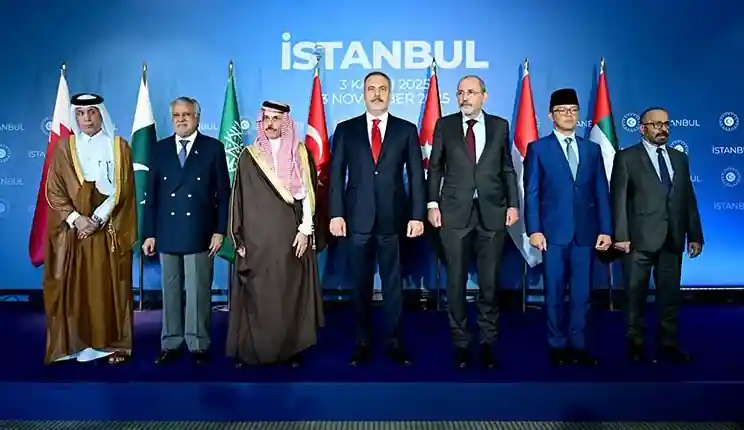
From Istanbul’s marble halls rose a collective lament: the foreign ministers of Türkiye, Pakistan, Saudi Arabia, Qatar, Jordan, Indonesia, and the Emirates gathered in solemn conclave on Monday, 3rd November, their tongues weaving resolutions of mercy and reclamation. They denounced the Israeli violations that bleed the truce dry, demanded the withdrawal of occupying forces, and implored the world to pour forth aid for the hollow-eyed children of Gaza. Pakistan, reiterating its immutable stance, called once more for a Palestine reborn — sovereign, contiguous, with Jerusalem as its heart Jerusalem as enshrined in the solemn texts of the United Nations and the Organisation of Islamic Cooperation.
Yet beyond the rhetoric lies a broken geometry of promises. The ceasefire, brokered as the first breath of Trump’s much-vaunted peace initiative, remains suspended between compliance and collapse. It promised freedom — Israelis for Palestinians, captives for captives — but left unresolved the darker riddles: Hamas’s disarmament, Israel’s withdrawal, and the fate of a homeland carved by occupation. Even as the International Stabilisation Force awaits its mandate, the cannons mock the language of restraint.
Turkish Foreign Minister Hakan Fidan, sentinel of a fading hope, speaks of Palestinians governing themselves, of unity between Gaza and the West Bank, of reconstruction unmarred by foreign tutelage. But his entreaties echo in corridors lined with suspicion. Israel resists Ankara’s hand, wary of its kinship with Hamas, even as Turkish rescuers are barred from Gaza’s borders — their mercy stranded beneath bureaucratic ice.
Erdogan, in fervid defiance, proclaims Hamas’s determination to honour the truce, urging Muslim nations to steer the reconstruction of Gaza’s ruins. Yet every night the sky contradicts him, aflame once more with phosphorescent sorrow. The rubble refuses to sleep, the children of Rafah and Khan Younis dream of bread, not banners, while the world rehearses its condolences.
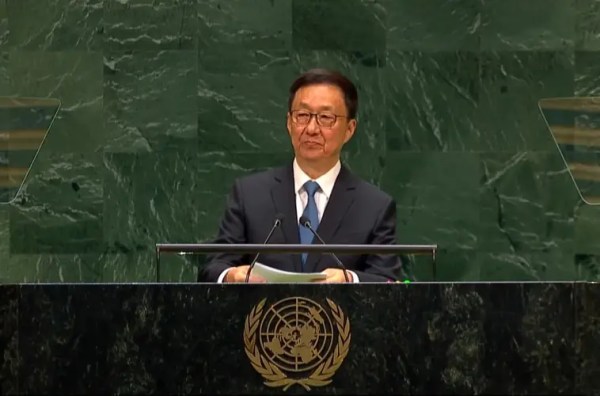
President Erdogan:
Despite the ceasefire, Israel killed over 200 Palestinians in Gaza since it started. These assaults target path to peace. We must deliver more humanitarian aid to Gaza and start rebuilding it. We won’t allow annexation of occupied West Bank [by Israel]
And thus, the ceasefire lives not as peace but as an elegy — an ephemeral treaty inked upon quicksand. The ministers may gather, the resolutions may flow, but the land itself groans in disbelief. The winds of Gaza whisper through collapsed minarets and broken homes: ceasefire is a word too fragile for the weight of this grief, too brittle for the iron of reality.
4th November 2025
Read More
- Trump Peace Declaration on Gaza (2025): Israel is not a signatory
- Sharm El-Sheikh Gaza Peace Agreement 2025: Remarks by Egypt
- PM Netanyahu’s Statement with President Donald Trump on Gaza Deal
- Why Hamas will never accept Trump’s 20-point Gaza plan