Encyclopedia of Intelligence, Espionage, and Counterintelligence
Meta-Civilizational Architecture
WikiLeaks, Julian Assange and the Battle Between Government Secrecy and Public Knowledge
WikiLeaks was not merely a website that published secret documents. It was one of the great experiments of the early twenty-first century in breaking the monopoly of the modern state over information. It appeared in 2006, when the internet had already transformed communication but had not yet fully transformed the architecture of political secrecy. Governments still operated on an old assumption: that classified information could be controlled because documents could be physically contained, copied only with difficulty, and distributed through institutions whose editors, owners and national jurisdictions were identifiable. WikiLeaks attacked that assumption at its technological foundation. It attempted to create a system in which a person inside a government, military, intelligence service or corporation could transfer an enormous quantity of secret information anonymously to an organisation operating across national borders, where the information could then be authenticated, preserved and published. The political significance of WikiLeaks therefore lay not simply in what it revealed, but in the possibility that secrecy itself could be technologically defeated.
Julian Assange, born on 3 July 1971 in Townsville, Queensland, Australia, became the human face of this experiment. His background was not that of a conventional newspaper editor or political party leader. He came from the culture of computing, hacking, cryptography and the early internet, where information was understood as something that could be copied, transmitted and secured independently of traditional institutions. WikiLeaks was therefore born at the intersection of two historical traditions that had previously existed largely apart: investigative journalism and computer security. Its early conception involved journalists, technologists, mathematicians, activists and anonymous programmers. The organisation’s technical culture mattered enormously because its objective was not simply to persuade a whistleblower to contact a journalist; it was to construct an infrastructure through which the whistleblower could bypass the traditional gatekeeper altogether.
This was the beginning of what may be called the WikiLeaks model of information warfare. A government could possess an enormous classified archive, but if one person could remove a copy of that archive and transmit it securely, the government’s physical possession of the original no longer guaranteed informational control. The document could be reproduced indefinitely. Once published on servers outside the government’s immediate jurisdiction, suppression became vastly more difficult. The state could imprison the source, but it could not imprison the copy.
The organisation’s early publications established this principle. WikiLeaks released documents concerning Kenya, Guantánamo Bay, Iceland, the United States military, corporations and authoritarian governments, gradually demonstrating that secrecy could be attacked from outside conventional journalism. The decisive moment, however, came in 2010, when WikiLeaks ceased to be principally an obscure internet organisation and became a global political force.
On 5 April 2010, WikiLeaks released the 2007 U.S. military helicopter footage from Baghdad that became known as “Collateral Murder.” The recording showed an Apache helicopter attack in which Iraqi civilians and two Reuters journalists, Namir Noor-Eldeen and Saeed Chmagh, were killed. The significance of the video was greater than the number of pages contained in an ordinary document leak. The public did not have to read thousands of military reports to understand its political force. It could see the war. The language of military briefings—targets, threats, engagements, hostile actors—was suddenly confronted by images of people moving through an ordinary Baghdad street.
The publication transformed WikiLeaks. It demonstrated that a classified archive could be converted into a public historical record of war. What governments had previously presented through official communiqués could be examined against their own internal records. The question was no longer merely whether a government had committed an error. The deeper question became whether the official narrative of war could itself be trusted.
In July 2010, WikiLeaks published approximately 90,000 U.S. military reports relating to the Afghanistan War. In October 2010, it published approximately 400,000 Iraq War Logs, described at the time as the largest classified military leak in history. These records contained reports of civilian deaths, military operations, detainee treatment, insurgent attacks and the conduct of coalition and allied forces. The Iraq material gave historians and journalists something governments normally deny them: a vast contemporaneous record from inside the machinery of war.
The Afghan and Iraq disclosures were followed in November 2010 by Cablegate, the publication of approximately 250,000 U.S. diplomatic cables. Here WikiLeaks moved from the battlefield into the machinery of international diplomacy. The documents revealed how American diplomats privately evaluated foreign leaders, governments and political movements. The contrast between public diplomacy and private diplomacy became one of the central revelations of the WikiLeaks era.
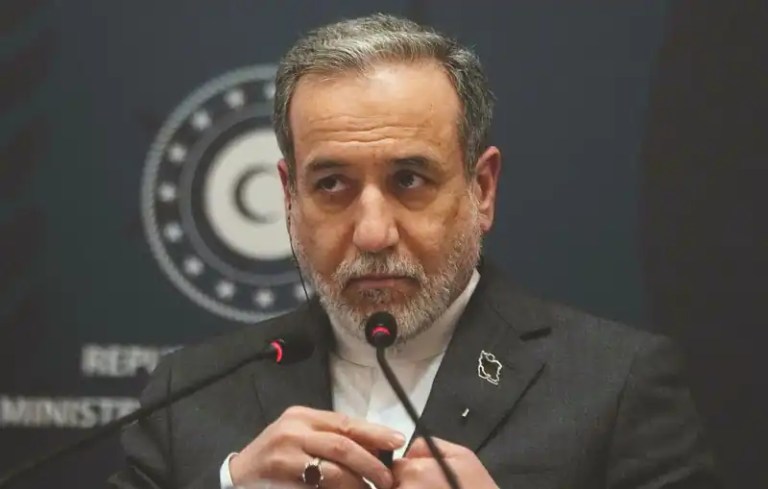
The cables concerning the Middle East were particularly significant. They showed Arab governments privately expressing deep concern about Iran and, in some cases, urging Washington to take stronger action against Tehran. In Tunisia, U.S. diplomatic reporting concerning the corruption, wealth and lifestyle of President Zine El Abidine Ben Ali’s family circulated widely during the period of the Jasmine Revolution. It would be an exaggeration to claim that WikiLeaks single-handedly caused the Arab Spring; the social, economic and political causes were much deeper. But the documents contributed something extremely powerful to a revolutionary environment: documentary confirmation of what many citizens already suspected about their rulers.
The same phenomenon appeared elsewhere. In India, the publication of U.S. diplomatic cables generated major political controversy. The 2008 cash-for-votes allegations, concerning the confidence vote associated with the Indo-U.S. nuclear agreement, became a major parliamentary issue. Other cables revealed confidential American assessments of Indian politicians and political movements, including reporting concerning Narendra Modi, Rahul Gandhi and Mayawati, while cables concerning Kashmir reported allegations of torture and mistreatment communicated to U.S. diplomats by the International Committee of the Red Cross. The importance of these documents was not that every allegation contained in a diplomatic cable automatically became established fact. A diplomatic cable is an intelligence and reporting document, not a judicial judgment. Its historical value lies in revealing what officials believed, what they were told, whom they trusted, and what they were privately reporting to their own governments.
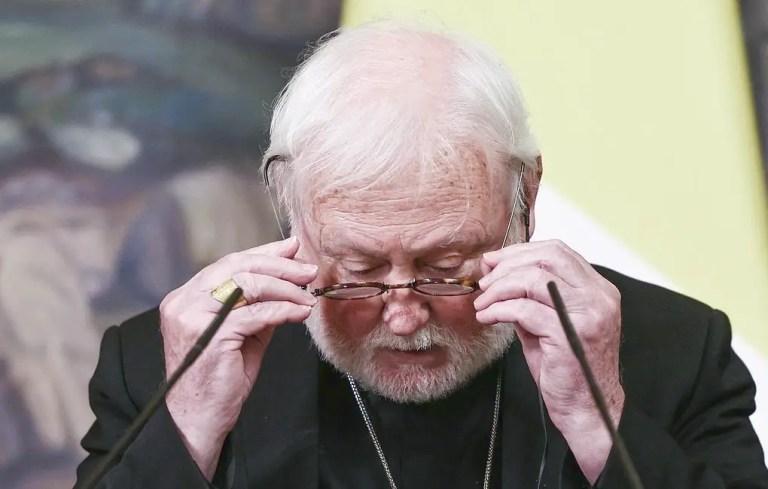
WikiLeaks similarly exposed the hidden world surrounding Vatican diplomacy (Read More Vatican Politics). U.S. diplomatic cables concerning the Holy See recorded tensions with Ireland over clerical-abuse investigations, criticisms of the Vatican’s communications machinery, concerns surrounding the historical reputation of Pope Pius XII, and the Holy See’s delicate diplomatic activity concerning Iran and China. The Vatican material demonstrated something larger than the particular controversies: even institutions that publicly speak in moral, religious or universal language possess an internal diplomatic machinery governed by negotiation, intelligence, institutional protection and strategic calculation. (Read Vaticanism)
The great WikiLeaks disclosures therefore produced an uncomfortable historical lesson. States speak one language to their populations and another language to themselves. Public speeches describe principle; confidential cables describe interests. Governments speak of sovereignty while negotiating power. Military institutions speak of security while recording failures. Political leaders speak of national interest while privately bargaining over elections, corporations, military alliances and diplomatic advantage. WikiLeaks did not invent this distinction. Historians had always known that states possessed secret archives. What WikiLeaks changed was the speed and scale with which the contents of those archives could become public.
But the organisation contained a contradiction from the beginning. Radical transparency sounds morally simple until one asks what happens when everything is published. Traditional journalism developed editorial filters precisely because information can harm as well as enlighten. A document can expose a corrupt official, but the same document may contain the name of an informant, a dissident, a civilian or a person whose life depends upon secrecy. WikiLeaks increasingly confronted criticism over the publication of large quantities of material with insufficient redaction. The dispute became particularly serious after the publication of unredacted files. Critics argued that the right to know could not automatically override the right of an uninvolved individual to remain alive and protected.
This conflict also produced one of the most important internal fractures in WikiLeaks. Daniel Domscheit-Berg, who had worked closely with Assange during the organisation’s formative years, left WikiLeaks in 2010 after a major dispute concerning its management and publication practices. The rupture was not merely personal. It revealed a structural weakness in the WikiLeaks model: the organisation depended heavily upon a small number of technically sophisticated individuals and upon Assange’s extraordinary personal energy. The departure of key technical personnel damaged the submission infrastructure on which the organisation depended.
Other individuals nevertheless became central to keeping WikiLeaks alive. Kristinn Hrafnsson, the Icelandic investigative journalist, became one of the organisation’s most important public and editorial figures and later its editor-in-chief. Sarah Harrison played a major operational and legal role and became particularly prominent in the organisation’s assistance to Edward Snowden in 2013. Birgitta Jónsdóttir, the Icelandic parliamentarian and activist, supported WikiLeaks and worked on the Icelandic legal environment for freedom of information. Iceland itself became associated with WikiLeaks’ attempt to establish a jurisdiction favourable to journalism, whistleblowing and digital freedom.
The organisation’s history consequently cannot be reduced to the story of one man. Assange was indispensable, but WikiLeaks was a network. Journalists, programmers, lawyers, activists, anonymous sources and sympathetic institutions formed the machinery that converted secret information into public knowledge. Yet the paradox was that the more successful WikiLeaks became, the more the international system concentrated its pressure upon the person who symbolised it.
The legal and political campaign against Assange became progressively more severe after 2010. Sweden pursued allegations of sexual offences, which Assange denied. His fear was that a transfer to Sweden might ultimately expose him to extradition to the United States. In June 2012, after exhausting British legal avenues concerning his proposed extradition to Sweden, Assange entered the Ecuadorian Embassy in London and sought asylum. Ecuador, under President Rafael Correa, granted him political asylum.
The embassy became his world for almost seven years.
From 2012 to 2019, one of the most extraordinary scenes in modern political history unfolded inside a diplomatic building in Knightsbridge, London: a publisher who had built a global network capable of transmitting documents across continents was himself physically confined to a few rooms. During those years WikiLeaks continued to publish, but the organisation’s relationship with Assange became increasingly difficult. He was separated from ordinary political life, dependent upon Ecuadorian protection and increasingly isolated from the technological environment that had originally made WikiLeaks powerful.
The political situation changed dramatically after Lenín Moreno became President of Ecuador in 2017. Relations between Moreno’s government and Assange deteriorated. On 11 April 2019, Ecuador withdrew his asylum and British police entered the embassy and arrested him. The image of Assange being carried out of the Ecuadorian Embassy became the symbolic end of the embassy era.
He was subsequently imprisoned at Belmarsh Prison, a high-security prison in London, while the United States pursued his extradition. In 2019, American prosecutors expanded the case against him to 18 counts, including charges under the Espionage Act relating to the obtaining and publication of classified national-defense information. The United States argued that Assange was not simply acting as a journalist receiving information but had participated in a conspiracy to obtain it, particularly through his communications with Chelsea Manning. Assange’s supporters argued that the prosecution threatened a principle much larger than his own freedom: if a publisher could be prosecuted under the Espionage Act for publishing truthful classified information, the distinction between espionage and investigative journalism could become dangerously unstable.
The legal conflict lasted for years. British courts considered whether Assange should be extradited to the United States. His supporters, including press-freedom and human-rights organisations, argued that the prosecution would create a chilling effect upon journalists who work with confidential sources. American authorities maintained that the case concerned unlawful acquisition and disclosure of national-defense information and alleged conduct that went beyond ordinary journalism.
The extraordinary confrontation finally ended in June 2024, not through a definitive judicial victory for either side but through a plea agreement. Assange agreed to plead guilty to a single count of conspiring to obtain and disclose classified national-defense information. On 26 June 2024, the plea was accepted by the U.S. District Court for the Northern Mariana Islands in Saipan. He was sentenced to 62 months, with credit for the time already served in Belmarsh. He was therefore released and travelled back to Australia.
The legal conclusion was deliberately unusual. Assange did not receive a conventional trial in the continental United States. He did not receive a sweeping judicial vindication of the proposition that his conduct was protected journalism. Nor did the United States obtain the enormous prison sentence threatened by the original prosecution. The case ended as a negotiated political-legal settlement in which Assange regained his freedom while accepting a felony conviction. The enormous legal question created by WikiLeaks therefore remained only partially answered.
His return to Australia changed the nature of the Assange story. For more than a decade he had been the central figure in a global confrontation over secrets, war, diplomacy, surveillance and journalism. After June 2024, he largely withdrew from the front line. His family and supporters emphasised the physical and psychological consequences of years of confinement. His immediate task became something remarkably ordinary compared with the preceding years: recovery, family life and adaptation to freedom.
Yet he did not disappear completely. In October 2024, at the Council of Europe in Strasbourg, Assange publicly reflected upon his imprisonment and prosecution. His appearance was important precisely because it represented the first stage of a different historical identity: no longer the constantly operating publisher of secret documents, but a man attempting to explain what the struggle had cost him.
The fate of WikiLeaks itself is more complicated than the word “dead” suggests. WikiLeaks has not formally disappeared. Its archives remain an important historical repository and portions of its technical and documentary infrastructure remain associated with the organisation. But its great age of publication has clearly ended. 2019 was the last year of major original document publication, while minor publishing activity continued into approximately 2021. By the early 2020s, the organisation was no longer producing disclosures at anything resembling the scale of 2010. Parts of the website and archival material also became difficult to access from late 2022 onward.
The decline was not caused by a single event. The world learned from WikiLeaks.
Governments strengthened cybersecurity. Intelligence organisations improved their internal controls. News organisations adopted encrypted communication systems. Whistleblowers increasingly had access to secure submission mechanisms such as SecureDrop. Journalists became more conscious of metadata, digital surveillance, source protection and operational security. The architecture of leaking therefore moved from the spectacular centralised model of WikiLeaks toward a distributed ecosystem involving established newspapers, encrypted messaging, secure drop boxes, independent publishers and specialist investigative organisations.
In this sense, WikiLeaks succeeded even where it failed.
It failed to destroy the power structures it exposed. The American state did not collapse under the Iraq War Logs. Military institutions adapted. Diplomatic systems survived Cablegate. Governments learned how to absorb scandal. The global public, confronted with millions of documents, often experienced not permanent mobilisation but information fatigue. The sheer quantity of evidence became its own obstacle. The internet created a paradox: never before had humanity possessed so much evidence of governmental conduct, yet never before had it been so difficult for ordinary citizens to distinguish a decisive document from a mountain of irrelevant information.
This became particularly visible after 2016, when WikiLeaks’ publication of Democratic Party emails placed it inside the political warfare surrounding the U.S. presidential election. The organisation’s defenders continued to describe itself as an anti-secrecy publisher, while critics increasingly viewed it as an instrument whose disclosures could serve particular geopolitical interests. The distinction between whistleblowing and information warfare became increasingly difficult to maintain.
The irony is profound. WikiLeaks began by attempting to make powerful institutions transparent. It ultimately became itself an object of geopolitical competition. States, political parties, intelligence services, journalists, activists and anonymous sources all recognised the strategic value of the platform. The organisation could be used to expose wrongdoing, embarrass an adversary, influence public opinion, alter diplomatic calculations or release politically damaging information. The same infrastructure that could expose an American military secret could also become part of a political campaign.
This is why the history of WikiLeaks cannot be written simply as a morality tale in which Assange was either a heroic journalist or a dangerous criminal. Both descriptions are inadequate to the scale of the historical phenomenon. WikiLeaks exposed genuine abuses and concealed realities of war and diplomacy. It also generated legitimate ethical questions concerning redaction and the protection of individuals. Assange became the target of an extraordinary legal campaign, but he also became involved in conduct that the United States successfully prosecuted as unlawful acquisition and disclosure of national-defense information. His 2024 guilty plea must therefore be recorded as a fact of the historical record, while the larger question concerning journalism and national-security secrecy remains contested.
The deepest lesson of WikiLeaks is therefore not simply that secrets can be leaked. Governments have always lost secrets. The deeper lesson is that information itself has become a battlefield.
In the twentieth century, power depended heavily upon armies, territory, industrial production, financial institutions and control of mass broadcasting. In the twenty-first century, another dimension has become inseparable from these: control over information—its collection, classification, concealment, authentication, publication, manipulation and interpretation. WikiLeaks entered this new battlefield before governments, newspapers and citizens had fully understood its rules.
The organisation proved that one anonymous source could release hundreds of thousands of documents; that a small technological network could embarrass superpowers; that a diplomatic cable could become a mass political weapon; that a video could change the public understanding of a war; and that the publication of secret information could cross borders faster than governments could respond.
But WikiLeaks also proved the opposite proposition: exposure is not the same thing as transformation.
The Iraq War continued. The American state survived. Diplomacy adapted. Governments tightened secrecy. Public outrage became temporary. Political systems absorbed revelations that once appeared capable of destroying them. The lesson was severe: truth can destabilise power without necessarily defeating power.
Julian Assange’s personal history became the human demonstration of that principle. The man who attempted to create an institution that could not easily be silenced spent years inside an embassy, then years inside a prison. The organisation that sought to make governments unable to hide documents eventually became largely unable to publish new ones. Yet the documents did not disappear. They entered the historical record.
That is why it is more accurate to say that WikiLeaks has entered a state of historical dormancy rather than simply “died.” The operational organisation of the great 2010 era has largely disappeared; the archive remains; the methods it pioneered have been copied and adapted; the security practices it forced upon journalism have become normal; and the political questions it raised have not been settled.
WikiLeaks changed the world without conquering it. It did not overthrow the secret state. It demonstrated its vulnerability. It did not abolish political secrecy. It demonstrated how expensive secrecy could become once the digital copy escaped. It did not establish a permanent regime of radical transparency. It demonstrated the ethical and political impossibility of publishing everything without consequence.
Its greatest historical achievement may therefore be found in the question it permanently placed before modern civilisation: Who has the right to know what the state knows, who has the right to conceal it, and who bears responsibility when information powerful enough to expose a government is also powerful enough to endanger an individual?
The Assange case did not resolve that question. It made the question unavoidable.
WikiLeaks and Julian Assange — Sarvarthapedia Conceptual Knowledge Network
I. Core Concept: Information as Power
Information Power
- Information Power → State Power
- Information Power → Political Secrecy
- Information Power → Intelligence
- Information Power → Whistleblowing
- Information Power → Investigative Journalism
- Information Power → Cybersecurity
- Information Power → Digital Archives
- Information Power → Public Accountability
- Information Power → Geopolitical Power
Information Monopoly
- State Information Monopoly → Classified Information
- Classified Information → National Security
- National Security → Military Secrecy
- Military Secrecy → Diplomatic Secrecy
- Diplomatic Secrecy → Intelligence Operations
- Information Monopoly → Censorship
- Censorship → Suppression of Historical Knowledge
- Suppression of Historical Knowledge → Whistleblowing
Radical Transparency
- Radical Transparency → WikiLeaks
- Radical Transparency → Open Information
- Open Information → Public Knowledge
- Public Knowledge → Democratic Accountability
- Democratic Accountability → Government Oversight
- Radical Transparency → Ethical Dilemma
- Ethical Dilemma → National Security vs Public Interest
II. WikiLeaks as an Information Institution
WikiLeaks
- WikiLeaks → Julian Assange
- WikiLeaks → Whistleblowing
- WikiLeaks → Cryptography
- WikiLeaks → Anonymous Sources
- WikiLeaks → Investigative Journalism
- WikiLeaks → Digital Publishing
- WikiLeaks → Classified Documents
- WikiLeaks → Open-Source Intelligence
- WikiLeaks → Global Media
- WikiLeaks → Political Controversy
WikiLeaks and Digital Architecture
- WikiLeaks → Secure Digital Submission
- Secure Digital Submission → Cryptographic Security
- Cryptographic Security → Anonymous Communication
- Anonymous Communication → Source Protection
- Source Protection → Whistleblower Security
- Whistleblower Security → Investigative Journalism
- Digital Publishing → Distributed Information
- Distributed Information → Information Resilience
- Information Resilience → Archival Persistence
WikiLeaks Archive
- WikiLeaks Archive → Historical Documentation
- Historical Documentation → War History
- Historical Documentation → Diplomatic History
- Historical Documentation → Intelligence History
- Historical Documentation → Human Rights Documentation
- Digital Archive → Historical Memory
- Historical Memory → Institutional Accountability
III. Julian Assange
Julian Assange
- Julian Assange → WikiLeaks
- Julian Assange → Cryptography
- Julian Assange → Computer Hacking Culture
- Julian Assange → Whistleblower Journalism
- Julian Assange → Freedom of the Press
- Julian Assange → National Security Law
- Julian Assange → Espionage Act
- Julian Assange → Extradition
- Julian Assange → Political Asylum
- Julian Assange → Ecuador
- Julian Assange → United States
- Julian Assange → United Kingdom
- Julian Assange → Australia
Assange Legal History
- Swedish Investigation → Julian Assange
- Ecuadorian Embassy → Political Asylum
- Political Asylum → Rafael Correa
- Rafael Correa → Ecuadorian Foreign Policy
- Embassy Asylum → Diplomatic Protection
- Embassy Asylum → International Law
- 2019 Arrest → Belmarsh Prison
- Belmarsh Prison → Extradition Proceedings
- Extradition Proceedings → United States Department of Justice
- United States Prosecution → Espionage Act
- 2024 Plea Agreement → Saipan
- 2024 Plea Agreement → Time Served
- 2024 Release → Australia
- Assange Case → Press Freedom Debate
IV. WikiLeaks and Modern Warfare
Iraq War Logs
- Iraq War Logs → Iraq War
- Iraq War → United States Military
- Iraq War Logs → Civilian Casualties
- Civilian Casualties → War Crimes Documentation
- War Crimes Documentation → Human Rights Law
- Iraq War Logs → Military Occupation
- Military Occupation → Counterinsurgency
- Counterinsurgency → Intelligence Operations
Afghanistan War Logs
- Afghanistan War Logs → War in Afghanistan
- War in Afghanistan → Taliban
- War in Afghanistan → NATO
- Afghanistan War Logs → Military Intelligence
- Military Intelligence → Counterinsurgency
- Counterinsurgency → Drone Warfare
- Drone Warfare → Remote Warfare
- Remote Warfare → Technological Warfare
Collateral Murder
- Collateral Murder → Baghdad
- Baghdad → Iraq War
- Collateral Murder → Apache Helicopter
- Apache Helicopter → Air Power
- Air Power → Rules of Engagement
- Rules of Engagement → Military Ethics
- Military Ethics → Yuddha Ethics
- Yuddha Ethics → War and Dharma
- War and Dharma → Yuddha Gita
- Yuddha Gita → Indian Military Civilization
V. Cablegate and Diplomatic Power
Cablegate
- Cablegate → United States Diplomatic Cables
- Diplomatic Cables → Foreign Policy
- Foreign Policy → Geopolitics
- Geopolitics → Strategic Geography
- Strategic Geography → Intelligence
- Intelligence → Statecraft
- Statecraft → Diplomacy
- Diplomacy → Secret Negotiations
- Secret Negotiations → Political Realism
Diplomatic Secrecy
- Diplomatic Secrecy → National Interest
- National Interest → State Sovereignty
- State Sovereignty → National Security
- National Security → Classified Information
- Classified Information → WikiLeaks
- WikiLeaks → Public Disclosure
- Public Disclosure → Democratic Scrutiny
VI. WikiLeaks and India
India Cables
- WikiLeaks India Cables → Indian Politics
- Indian Politics → Indian National Congress
- Indian Politics → Bharatiya Janata Party
- Indian Politics → Narendra Modi
- Indian Politics → Rahul Gandhi
- Indian Politics → Kashmir
- Kashmir → India–Pakistan Relations
- India–Pakistan Relations → South Asian Geopolitics
- South Asian Geopolitics → Strategic Geography
- India Cables → United States–India Relations
- United States–India Relations → Cold War and Post-Cold War Diplomacy
Political Intelligence
- Diplomatic Reporting → Political Intelligence
- Political Intelligence → Foreign Intelligence
- Foreign Intelligence → Embassy Networks
- Embassy Networks → Diplomatic Reporting
- Diplomatic Reporting → WikiLeaks
- WikiLeaks → Public Access to Diplomatic Knowledge
VII. WikiLeaks and the Arab World
Tunisia
- WikiLeaks → Tunisia
- Tunisia → Zine El Abidine Ben Ali
- Ben Ali Regime → Political Corruption
- Political Corruption → Diplomatic Cables
- Diplomatic Cables → Public Anger
- Public Anger → Arab Spring
- Arab Spring → Digital Activism
- Digital Activism → Social Media
- Social Media → Networked Political Mobilisation
Information and Revolution
- Information Disclosure → Political Consciousness
- Political Consciousness → Public Mobilisation
- Public Mobilisation → Political Revolution
- Political Revolution → Regime Legitimacy
- Regime Legitimacy → State Stability
- State Stability → Information Control
VIII. WikiLeaks and Human Rights
Human Rights Documentation
- WikiLeaks → Human Rights
- Human Rights → War Crimes
- War Crimes → Civilian Protection
- Civilian Protection → International Humanitarian Law
- International Humanitarian Law → Geneva Conventions
- Human Rights Documentation → Evidence Preservation
- Evidence Preservation → Historical Accountability
- Historical Accountability → Transitional Justice
Torture and Detention
- WikiLeaks → Guantánamo Files
- Guantánamo Files → Detainee Treatment
- Detainee Treatment → Torture
- Torture → International Human Rights Law
- International Human Rights Law → State Responsibility
- State Responsibility → Accountability
IX. WikiLeaks, Journalism and Media
Investigative Journalism
- WikiLeaks → Investigative Journalism
- Investigative Journalism → Source Protection
- Source Protection → Confidentiality
- Confidentiality → Journalistic Ethics
- Journalistic Ethics → Public Interest
- Public Interest → Freedom of the Press
Media Partnerships
- WikiLeaks → The Guardian
- WikiLeaks → The New York Times
- WikiLeaks → Der Spiegel
- WikiLeaks → Le Monde
- WikiLeaks → El País
- Media Partnerships → Collaborative Journalism
- Collaborative Journalism → Global Investigative Journalism
- Global Investigative Journalism → Cross-Border Information Networks
Journalism vs Intelligence
- Journalism → Information Collection
- Intelligence → Information Collection
- Journalism → Public Disclosure
- Intelligence → Secret Collection
- Journalism vs Intelligence → Information Ethics
- Information Ethics → National Security
- National Security → Press Freedom
X. Whistleblowing and the Modern State
Whistleblowing
- Whistleblowing → Edward Snowden
- Whistleblowing → Chelsea Manning
- Whistleblowing → Daniel Ellsberg
- Whistleblowing → Julian Assange
- Daniel Ellsberg → Pentagon Papers
- Pentagon Papers → Vietnam War
- Chelsea Manning → Iraq War Logs
- Edward Snowden → NSA Surveillance
- NSA Surveillance → Mass Surveillance
- Mass Surveillance → Digital State
- Digital State → Data Power
Whistleblower–Platform Relationship
- Whistleblower → Secret Information
- Secret Information → Information Intermediary
- Information Intermediary → WikiLeaks
- WikiLeaks → Publication
- Publication → Public Knowledge
- Public Knowledge → Accountability
- Accountability → Democratic Institutions
XI. Intelligence Civilization
Information Collection
- Information Collection → Intelligence
- Intelligence → Surveillance
- Surveillance → Counterintelligence
- Counterintelligence → Information Security
- Information Security → Cybersecurity
- Cybersecurity → Cryptography
- Cryptography → WikiLeaks
Intelligence and Civilization
- Civilization → Information
- Information → Knowledge
- Knowledge → Prediction
- Prediction → Strategy
- Strategy → State Power
- State Power → Intelligence
- Intelligence → Surveillance
- Surveillance → Counterintelligence
- Counterintelligence → Information Warfare
- Information Warfare → Cyber Warfare
XII. Information Warfare
Information as Battlefield
- Information Warfare → Psychological Warfare
- Information Warfare → Propaganda
- Information Warfare → Disinformation
- Information Warfare → Leaks
- Leaks → Political Destabilisation
- Political Destabilisation → Regime Security
- Regime Security → Counterintelligence
Digital Information Warfare
- Cyber Warfare → Cyber Espionage
- Cyber Espionage → Hacking
- Hacking → Data Theft
- Data Theft → Document Disclosure
- Document Disclosure → WikiLeaks
- WikiLeaks → Information Warfare
- Information Warfare → Modern Geopolitics
XIII. Law, Secrecy and the State
Espionage Law
- Espionage Law → National Security Law
- National Security Law → Classified Information
- Classified Information → Government Secrecy
- Government Secrecy → State Power
- State Power → Executive Authority
- Executive Authority → Judicial Review
Assange and Legal Theory
- United States v. Assange → Espionage Act
- Espionage Act → Freedom of Expression
- Freedom of Expression → First Amendment
- First Amendment → Press Freedom
- Press Freedom → Journalistic Privilege
- Journalistic Privilege → Whistleblower Protection
- Whistleblower Protection → Democratic Accountability
XIV. Political Asylum and Diplomatic Sovereignty
Ecuadorian Embassy
- Ecuadorian Embassy → Julian Assange
- Julian Assange → Asylum
- Asylum → Diplomatic Protection
- Diplomatic Protection → State Sovereignty
- State Sovereignty → International Law
- International Law → Extradition
- Extradition → Human Rights
- Human Rights → Political Persecution
Ecuador
- Rafael Correa → Ecuador
- Ecuador → Latin American Sovereignty
- Latin American Sovereignty → United States Foreign Policy
- United States Foreign Policy → WikiLeaks
- WikiLeaks → U.S.–Ecuador Relations
XV. The 2010 Information Shock
Historical Sequence
- 2006 → WikiLeaks Founded
- 2007–2009 → Early Leak Publications
- 2010 → Collateral Murder
- 2010 → Afghanistan War Logs
- 2010 → Iraq War Logs
- 2010 → Cablegate
- 2011 → Guantánamo Files and Further Disclosures
- 2012 → Ecuadorian Embassy
- 2016 → DNC and Podesta Publications
- 2019 → Assange Arrest
- 2024 → Plea Agreement and Release
- 2024 onward → Historical Archive / Operational Dormancy
The 2010 Transformation
- 2010 WikiLeaks Publications → Global Media Crisis
- Global Media Crisis → Government Secrecy Debate
- Government Secrecy Debate → Digital Journalism
- Digital Journalism → SecureDrop
- SecureDrop → Modern Whistleblower Infrastructure
- Modern Whistleblower Infrastructure → Investigative Journalism
XVI. Failure, Adaptation and Institutional Survival
Why WikiLeaks Did Not Destroy State Power
- Information Disclosure does not automatically produce Political Transformation
- Political Transformation requires Organisation
- Organisation requires Institutional Capacity
- Institutional Capacity requires Political Legitimacy
- Political Legitimacy requires Public Consensus
- Public Consensus → Political Change
State Adaptation
- WikiLeaks → State Adaptation
- State Adaptation → Cybersecurity Expansion
- Cybersecurity Expansion → Surveillance Expansion
- Surveillance Expansion → Counterintelligence
- Counterintelligence → Digital Monitoring
- Digital Monitoring → Information Control
Information Saturation
- Information Explosion → Information Overload
- Information Overload → Public Desensitisation
- Public Desensitisation → Reduced Political Impact
- Reduced Political Impact → Information Fatigue
- Information Fatigue → Difficulty of Collective Action
XVII. Ethics of Radical Transparency
The Central Ethical Conflict
- Truth → Public Interest
- Public Interest → Transparency
- Transparency → Accountability
- Accountability → Democratic Governance
But:
- Transparency → Source Exposure
- Source Exposure → Human Risk
- Human Risk → Ethical Responsibility
- Ethical Responsibility → Redaction
- Redaction → Journalistic Judgment
The Fundamental Question
- Should everything secret be published?
- National Security → Reason for Secrecy
- Public Interest → Reason for Disclosure
- Human Safety → Limit on Disclosure
- Historical Importance → Archival Preservation
- Archival Preservation → Responsible Publication
XVIII. Comparative Whistleblower Network
Daniel Ellsberg
- Daniel Ellsberg → Pentagon Papers
- Pentagon Papers → Vietnam War
- Vietnam War → Government Deception
- Government Deception → Whistleblowing
- Whistleblowing → WikiLeaks
Chelsea Manning
- Chelsea Manning → Classified Military Information
- Classified Military Information → WikiLeaks
- WikiLeaks → Iraq War Logs
- Iraq War Logs → Afghanistan War Logs
- Afghanistan War Logs → War Documentation
Edward Snowden
- Edward Snowden → NSA
- NSA → Mass Surveillance
- Mass Surveillance → Digital Privacy
- Digital Privacy → Cryptography
- Cryptography → Secure Communication
- Secure Communication → WikiLeaks-era Information Architecture
XIX. Global Network of Power
State
- State → Territory
- Territory → Sovereignty
- Sovereignty → Military
- Military → Intelligence
- Intelligence → Diplomacy
- Diplomacy → Classified Information
- Classified Information → Secrecy
Counter-State Information Network
- Whistleblower → Leak
- Leak → Digital Platform
- Digital Platform → Media
- Media → Public
- Public → Political Pressure
- Political Pressure → State Response
- State Response → Counterintelligence
- Counterintelligence → Surveillance
XX. Sarvarthapedia Master Cross-Link
WikiLeaks as a Civilizational Case Study
WikiLeaks
→ Information
→ Knowledge
→ Secrecy
→ State Power
→ Intelligence
→ Military Power
→ Diplomacy
→ War
→ Human Rights
→ Journalism
→ Whistleblowing
→ Cryptography
→ Cybersecurity
→ Surveillance
→ Counterintelligence
→ Information Warfare
→ Political Power
→ Public Accountability
→ Democracy
→ Civilization
Central Sarvarthapedia Thesis
WikiLeaks should therefore be connected not merely to “Julian Assange” or “leaks,” but to the larger Sarvarthapedia concept of Information as an Instrument of Civilization. The historical significance of WikiLeaks lies in the collision between state secrecy and public knowledge, between intelligence collection and investigative journalism, and between institutional power and distributed information. Its deepest connection is consequently with the proposition that whoever controls information can collect, interpret, secure, predict, manipulate and ultimately exercise power over complex human systems. (read more Ultimate Order Concept)
XXI. Primary “See Also” Cluster for the WikiLeaks Article
Core Nodes
- Julian Assange
- WikiLeaks
- Whistleblowing
- Information Power
- State Secrecy
- Classified Information
- Intelligence
- Counterintelligence
- Information Warfare
- Investigative Journalism
- Freedom of the Press
- Cryptography
- Cybersecurity
- Mass Surveillance
- National Security
- Human Rights
- War Crimes
- Diplomacy
- Geopolitics
- Political Asylum
- Espionage Law
Historical Nodes
- Collateral Murder
- Afghanistan War Logs
- Iraq War Logs
- Cablegate
- Guantánamo Files
- DNC Email Publications
- Podesta Email Publications
- Chelsea Manning
- Daniel Ellsberg
- Edward Snowden
- Pentagon Papers
- Ecuadorian Embassy
- Belmarsh Prison
- 2024 Assange Plea Agreement
Civilizational Nodes
- Intelligence Civilization
- Information Civilization
- Technology and Civilization
- Military Civilization
- Diplomatic Civilization
- State Formation
- Political Sovereignty
- Knowledge Systems
- Historical Memory
- Human Rights Civilization
- Complex Adaptive Systems
- Information Warfare Civilization
- Global Governance
- Modernity and Surveillance
- The Evolution of State Power