NATO
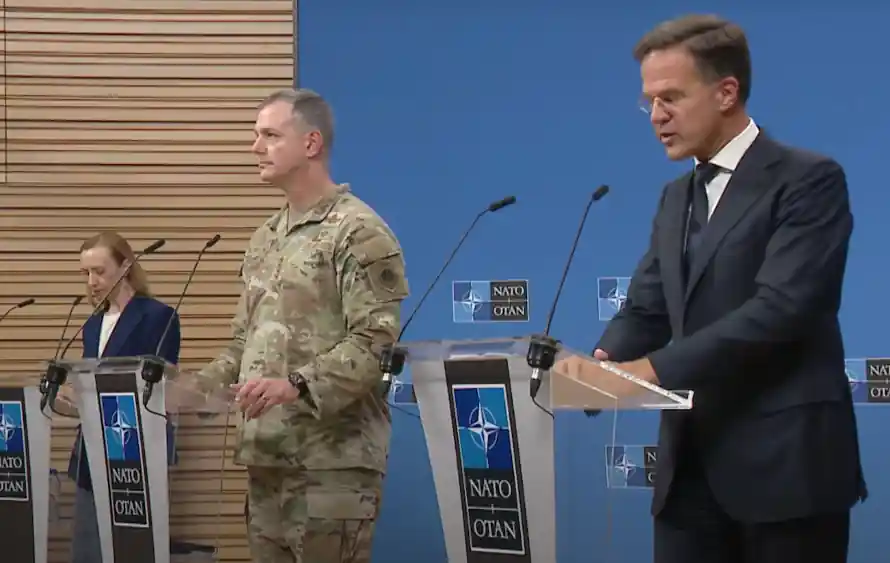
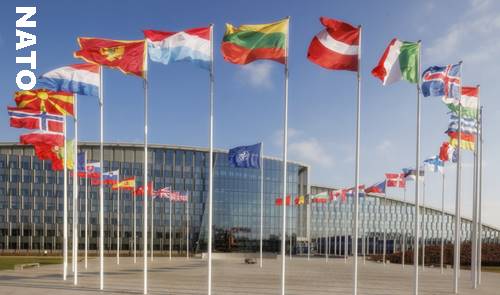
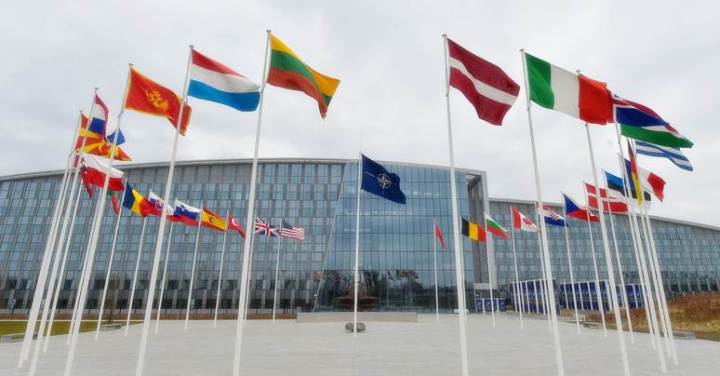
The North Atlantic Treaty Organization (NATO), founded on April 4, 1949, has evolved into a 32-member alliance central to Euro-Atlantic security. After Finland joined in 2023 and Sweden in 2024, NATO in 2026 continues strengthening its posture amid rising global instability. Russia’s 2022 full-scale invasion of Ukraine triggered the alliance’s largest military reinforcement since the Cold War, including expanded battlegroups, air defenses, and greater defense-industrial coordination. Most members now meet or approach the 2-percent defense-spending benchmark. NATO’s security agenda in 2026 extends beyond Europe. Growing missile and nuclear concerns involving Iran have prompted intensified cooperation with regional partners and expanded missile-defense exercises. The deepening strategic ties between Russia and China have also elevated Indo-Pacific coordination, with NATO working closely with Australia, Japan, South Korea, and New Zealand on cybersecurity and maritime security. Meanwhile, escalating tensions between Israel and Iran-aligned groups have increased NATO’s focus on regional stability, critical-infrastructure protection, and energy-supply security. Operationally, NATO continues to modernize its force structure, expand joint readiness plans, and build long-range defense production capacity. As of 2026, the alliance remains the world’s most capable military coalition, confronting simultaneous challenges from Russia in Europe, Iranian proxy activity in the Middle East, and China’s expanding global influence.