Date: November 14, 2024
Major International Political Developments in 2024: A Comprehensive Analysis
Geopolitical Shifts: The year 2024 has been marked by significant geopolitical shifts and international political developments, with ongoing conflicts, diplomatic realignments, and rising powers shaping the global landscape in unprecedented ways. Key areas of focus include the Russia-Ukraine war, which has not only transformed the security dynamics in Europe but also prompted a reevaluation of energy dependencies across the continent and beyond.
The Israel-Gaza conflict remains a flashpoint, drawing attention from international humanitarian organizations and influencing foreign policy decisions worldwide, as various nations navigate their positions amidst regional complexities. The evolving roles of NATO, G7, BRICS, the African Union, and ASEAN are increasingly scrutinized, revealing both the challenges and opportunities that arise from these groupings striving for global influence and collaboration.
Particularly noteworthy Geopolitical Shifts is the rise of India as an emerging global power, as its economic growth and strategic initiatives position it as a key player in international affairs. Additionally, the upcoming American presidential election is expected to influence global politics in a profound way, as differing policies and ideologies could reshape alliances and provoke shifts in foreign engagement strategies. This comprehensive analysis drives into these critical events, examining their implications on the international stage while considering the interconnectedness of nations and the complexities of their relationships in an ever-evolving world order.
Russia-Ukraine War: A Protracted Conflict with Global Implications
The Russia-Ukraine war, now well into its second year, continues to dominate international headlines and remains a focal point in global politics. Despite numerous attempts at diplomatic negotiations, the conflict shows no signs of abating. Russia’s ongoing military operations in Ukraine have led to widespread devastation, triggering one of the largest humanitarian crises in Europe since World War II. The war has also resulted in severe economic sanctions against Russia, which have impacted not only the Russian economy but also global energy markets.
The NATO alliance has been actively involved, providing military aid, financial support, and intelligence sharing with Ukraine. This has included advanced weaponry, such as missile defense systems and drones, significantly altering the dynamics on the battlefield. The conflict has further solidified NATO’s unity, with Sweden and Finland’s accession to the alliance marking a strategic shift in response to perceived threats from Russia. The war has underscored the need for NATO’s continued presence in Eastern Europe, bolstering the defense capabilities of member states bordering Russia.
The geopolitical ramifications of the Russia-Ukraine conflict extend beyond Europe. The war has strained relations between Russia and the West, driving Russia to deepen ties with China, Iran, and other non-Western countries. The conflict has also exacerbated global food insecurity, given Ukraine’s role as a major exporter of wheat and other agricultural products. This situation has led to rising food prices, particularly affecting developing nations in Africa and the Middle East.
Israel-Gaza War: A Renewed Cycle of Violence and Regional Tensions
The Israel-Gaza war, reignited in 2024, has led to a devastating escalation of violence in the Middle East. The conflict began with a massive Hamas rocket attack on Israel, prompting a strong military response. The situation rapidly deteriorated, resulting in significant civilian casualties on both sides. This renewed conflict has once again brought the Israeli-Palestinian issue to the forefront of international diplomacy.
The United States, traditionally a strong ally of Israel, has called for restraint while pushing for a ceasefire. However, the conflict has exposed deep divisions within the international community, with countries like Iran and Turkey openly supporting Hamas, further complicating efforts for peace. The ongoing violence has also strained Israel’s relations with its Arab neighbors, especially those involved in the Abraham Accords, such as the UAE and Bahrain.
The Israel-Gaza war has broader implications for Middle Eastern geopolitics, potentially destabilizing an already volatile region. It has prompted concerns about the security of energy supplies from the Gulf, with the potential to disrupt global oil markets. Additionally, the conflict has sparked protests and demonstrations across the Arab world, reflecting the enduring resonance of the Palestinian cause.
NATO’s Strengthened Role in Global Security
In 2024, NATO has continued to expand its role as a cornerstone of global security, particularly in the wake of the Russia-Ukraine conflict. The alliance has focused on bolstering its eastern flank, increasing military deployments, and conducting joint exercises to deter potential aggression from Russia. NATO’s increased defense spending, driven by member states’ commitment to meeting the 2% GDP target, reflects a renewed focus on collective defense.
Beyond Europe, NATO has also been addressing challenges in other regions. The alliance has increased its presence in the Indo-Pacific, aiming to counter China’s growing influence. This includes deepening partnerships with countries like Japan, South Korea, and Australia, signaling NATO’s commitment to a more global security role. The concept of “NATO 360” has emerged, emphasizing the need to address security threats from all directions, including cyber warfare, terrorism, and hybrid threats.
G7’s Focus on Global Economic Stability and Climate Change
The G7 summit in 2024 was marked by discussions on global economic stability, climate change, and technological innovation. Amid ongoing economic challenges such as inflation and supply chain disruptions, the G7 countries have pledged to support sustainable economic growth and reduce dependence on authoritarian regimes for critical resources like energy and rare earth minerals.
Climate change remains a top priority for the G7, with member nations reaffirming their commitment to achieving net-zero emissions by 2050. The summit also highlighted the need for greater investment in clean energy technologies and infrastructure to combat the effects of global warming. Additionally, the G7 has focused on countering China’s Belt and Road Initiative by promoting infrastructure investments in developing countries through the Partnership for Global Infrastructure and Investment (PGII).
African Union’s Push for Greater Influence on the Global Stage
In 2024, the African Union (AU) has sought to assert its influence in international politics, advocating for a permanent seat on the United Nations Security Council. The AU has also been instrumental in addressing conflicts within the continent, such as the ongoing crises in Sudan, the Sahel region, and the Horn of Africa. Efforts to implement the African Continental Free Trade Area (AfCFTA) are progressing, with the goal of boosting intra-African trade and economic integration.
The AU’s emphasis on “African solutions to African problems” reflects a growing desire for self-reliance and reduced dependence on Western aid. The organization has also strengthened ties with BRICS and China, exploring alternative development models and financing options.
ASEAN’s Balancing Act Amid U.S.-China Rivalry
The Association of Southeast Asian Nations (ASEAN) has continued to navigate the complex dynamics of U.S.-China rivalry in 2024. The regional bloc has sought to maintain its neutrality while strengthening economic and security ties with both superpowers. The Indo-Pacific Economic Framework (IPEF) led by the U.S. and China’s Belt and Road Initiative (BRI) remain key areas of engagement for ASEAN member states.
ASEAN’s centrality in regional diplomacy has been underscored by efforts to address the political crisis in Myanmar and territorial disputes in the South China Sea. The bloc has also prioritized economic recovery post-COVID-19, with a focus on digital transformation and sustainable development.
BRICS Expansion and the Push for Multipolarity
The BRICS bloc (Brazil, Russia, India, China, and South Africa) has made headlines in 2024 with discussions around expansion, bringing in new members such as Saudi Arabia, the UAE, and Egypt. This expansion aims to strengthen BRICS’ influence as a counterbalance to Western-dominated institutions like the IMF and the World Bank. The group’s focus on de-dollarization and the creation of a new reserve currency reflects a broader push for a multipolar world order.
BRICS’ emphasis on South-South cooperation and sustainable development has resonated with many developing nations, offering an alternative to Western-led globalization. The group’s support for regional stability and economic partnerships is seen as a key driver in reshaping global governance structures.
The American Election: A Pivotal Moment for Global Politics
The upcoming American presidential election in November 2024 is set to be a significant event with far-reaching implications for international relations. The election will determine the future of U.S. foreign policy, particularly in areas such as NATO’s involvement in Europe, relations with China, and commitments to climate change and global trade.
The election has also seen debates on America’s role in international organizations like the United Nations and the World Trade Organization, with candidates differing on approaches to multilateralism versus isolationism. The outcome could either reaffirm or challenge the U.S.’s position as a global leader, depending on the election results.
India’s Rise as a Global Power
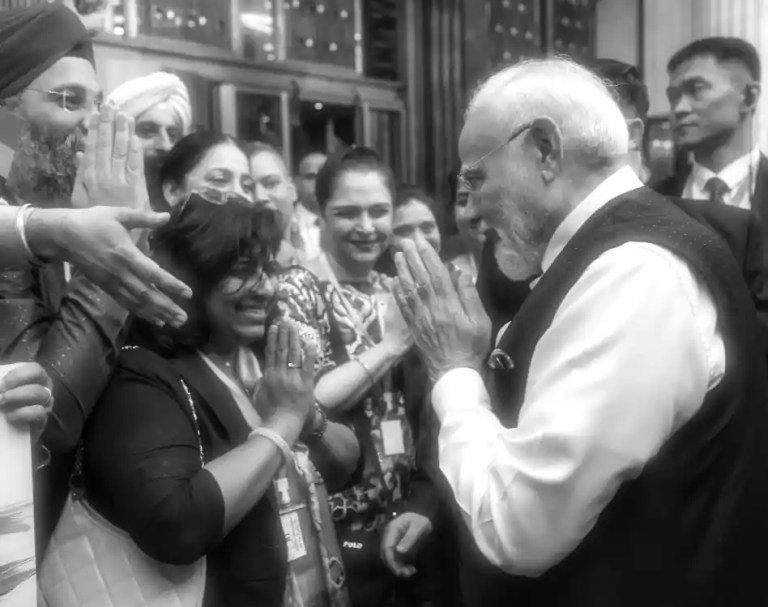
India’s ascent as a major international power has been one of the most significant developments in 2024. Under the visionary leadership of Prime Minister Narendra Modi, India has pursued an assertive foreign policy that prioritizes national interests while fostering global collaboration. This approach has not only strengthened ties with key global players but also expanded its influence in international organizations like the G20 and BRICS, where India is actively advocating for reforms to better represent developing nations. Furthermore, India’s strategic partnerships with the U.S., Japan, and Australia through the Quad alliance have significantly bolstered its position in the Indo-Pacific region, allowing it to counter China’s regional dominance more effectively.
These collaborations have facilitated joint military exercises, enhanced trade relations, and promoted shared democratic values, ultimately contributing to a more stable and prosperous regional order. As India continues to navigate the complex geopolitical landscape, its growing presence on the global stage signals a shift towards a multipolar world, where emerging powers play crucial roles in shaping international norms and addressing global challenges.
India’s economic growth, driven by technological innovation, a young workforce, and a robust digital economy, has positioned it as a critical player in global supply chains, making significant contributions to various industries, including information technology, manufacturing, and agriculture. The increasing integration of artificial intelligence and automation in its business processes has further optimized efficiency and productivity, allowing India to emerge as a hub for startups and entrepreneurial ventures. Additionally, India’s focus on renewable energy and sustainability aligns with global efforts to combat climate change, further enhancing its diplomatic credentials as it strives to reduce carbon emissions while promoting green technologies. The country’s commitment to transitioning towards clean energy sources, such as solar and wind power, not only addresses environmental concerns but also creates numerous job opportunities, thus driving economic growth.
The successful hosting of the G20 summit in New Delhi showcased India’s ability to lead on global issues, cementing its status as an emerging superpower while fostering international cooperation on pressing challenges like trade, health security, and climate change. As India continues to leverage its strengths and navigate the complexities of the global landscape, it is poised to play an increasingly influential role in shaping the future of the world economy.
A Transformative Year in Global Politics
The year 2024 has been a transformative one in global politics, marked by conflicts, diplomatic realignments, and the emergence of new powers. The Russia-Ukraine war and the Israel-Gaza conflict have underscored the volatility of the current geopolitical landscape. Meanwhile, organizations like NATO, the G7, and BRICS are evolving to address new challenges and shape the future of international relations.
The rise of India as a global power and the outcomes of the American presidential election will have significant implications for the balance of power in the coming years. As the world navigates these complexities, the pursuit of peace, stability, and sustainable development remains more crucial than ever.
Advocatetanmoy
Huma Arham
Read More: Geopolitical Shifts
- North Korean Troop Increase in Russia: Zelenskyy’s Anguish
- Ukraine & Middle East War | Macron, Scholz, Starmer & Biden Meeting
- Strength in Unity: PM Starmer’s Pledge at NATO Summit for Global Security
- Iran’s Bilateral Relations with Germany (2024)
- China-U.S. relationship: President Xi Spoke with Biden on Phone (02/04/2024)
- Netanyahu Declares Victory Over Nasrallah: A Turning Point for Israel