Vance Defends Trump, Rebukes Pope Leo XIV in Explosive Turning Point Speech
April 15, 2026 — A sharp and increasingly public rift between the United States administration and the Vatican deepened after JD Vance warned that Pope Leo XIV should “be careful when he talks about matters of theology,” during a contentious appearance at a Turning Point USA event in Georgia on April 14.
Speaking before a lively audience, Vance—a practicing Catholic—attempted to draw a clear distinction between religious authority and political leadership, stating that while he respects the pope and welcomes debate, “the Pope’s job is to preach the gospel,” whereas elected leaders must apply moral principles to complex policy decisions. His remarks came amid escalating tensions following the pope’s strong criticism of the U.S.-Israeli war on Iran and repeated calls for peace and reconciliation.
The event was briefly disrupted when a heckler shouted, “Jesus Christ does not support genocide,” referencing the ongoing humanitarian crisis in Gaza. Vance acknowledged the sentiment but firmly defended the administration, arguing that Donald Trump had played a decisive role in securing a ceasefire agreement and increasing humanitarian aid to the region, while blaming the previous Joe Biden administration for earlier failures.
Expanding on his criticism, Vance took issue with a recent statement by Pope Leo XIV that “God is never on the side of those who wield the sword,” arguing that such a position overlooks historical instances like the liberation of Europe during World War II, where force was used to defeat tyranny. He invoked the long-standing “just war theory” tradition within Christian theology, insisting that religious leaders must ensure their statements are “anchored in truth.”
The vice president’s remarks followed an earlier escalation by Trump, who launched a blistering attack on the pope via social media, calling him “WEAK on Crime, and terrible for Foreign Policy” and controversially suggesting that Leo’s election was politically motivated. The president also sparked outrage after posting—and later deleting—an image depicting himself as Jesus, later claiming it was intended to portray him as a doctor “making people better.”
Meanwhile, Pope Leo XIV has continued to amplify his message of peace, forgiveness, and moral responsibility during his ongoing Africa tour. In a powerful address at the Martyrs’ Memorial in Algiers, he warned that “violence will not have the final word,” urging nations to reject hatred and build bridges. During a visit to Annaba, he added that “God’s heart is torn apart by wars, violence, injustice and lies,” reinforcing his stance against escalating global conflicts, including tensions in the Middle East.
The pope’s remarks have resonated with many of the Catholic Church’s 1.4 billion followers, but have also intensified a rare diplomatic strain between Washington and the Vatican. Analysts note that the dispute reflects a broader clash over morality, war, and political authority, with both sides asserting their influence over how ethical principles should guide modern governance and international relations.
As the exchange grows more heated, Vance’s intervention signals that the administration is prepared to push back directly against religious critiques, even as it insists it remains committed to dialogue, peace efforts, and humanitarian action worldwide.
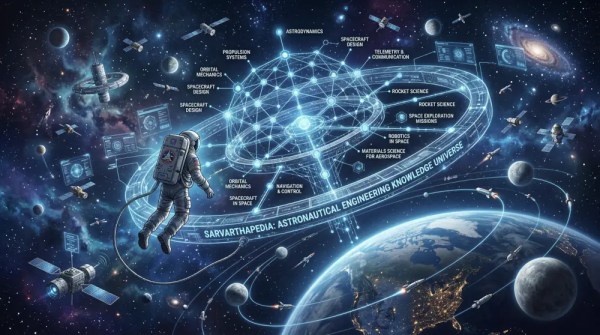
Sarvarthapedia Conceptual Network: US–Vatican Rift and Political–Religious Tension
This cluster explores the escalating conflict between the United States administration and the Vatican, centered on the exchange involving JD Vance, Pope Leo XIV, and Donald Trump.
See also
Church–State Relations
Political Theology
Diplomatic Conflict
Global Governance
Moral Authority
Cluster: Leadership Roles and Institutional Authority
JD Vance and Political Responsibility
Represents the assertion that elected leaders apply moral principles to policy, while maintaining limits on religious intervention in governance.
See also
Executive Decision-Making
Public Policy Ethics
Religion in American Politics
Pope Leo XIV and Spiritual Authority
Embodies the role of moral guidance, peace advocacy, and theological interpretation, influencing global ethical discourse.
See also
Catholic Social Teaching
Vatican Diplomacy
Religious Leadership
Donald Trump and Political Assertion
Demonstrates strong executive rhetoric and resistance to external moral critique, including from religious institutions.
See also
Political Communication
Populism
Leadership and Media Strategy
Joe Biden and Policy Continuity Debate
Serves as a reference point in policy comparison and accountability narratives within US political discourse.
See also
Administrative Legacy
Foreign Policy Transitions
Domestic vs Global Policy
Cluster: Theology, War, and Ethical Debate
Just War Theory
Invoked by Vance to challenge absolute pacifist interpretations, emphasizing moral justification for the use of force.
See also
Ethics of War
Moral Philosophy
Historical Theology
Papal Peace Doctrine
Advanced by Pope Leo XIV, focusing on nonviolence, reconciliation, and humanitarian concern.
See also
Pacifism
Conflict Resolution
Human Rights Ethics
God, War, and Moral Interpretation
Central debate on whether divine authority can align with military action, reflecting deep theological divisions.
See also
Religious Ethics
Philosophy of Religion
Moral Absolutism vs Pragmatism
Cluster: Conflict Zones and Humanitarian Narratives
Gaza Crisis and Ceasefire Debate
A focal point of political defense and ethical criticism, highlighted by public protest and policy claims.
See also
Humanitarian Aid
Middle East Conflict
War Ethics
Iran Conflict and Global Security
Triggers broader discussions on military intervention, diplomacy, and global stability.
See also
Geopolitics
International Security
Alliance Systems
Cluster: Media, Controversy, and Public Perception
Political Rhetoric and Public Backlash
The controversy illustrates how statements, protests, and speeches shape public discourse and polarization.
See also
Freedom of Speech
Public Opinion
Media Framing
Religious Symbolism in Politics
Trump’s controversial imagery highlights tensions around sacred representation in political messaging.
See also
Religious Iconography
Cultural Sensitivity
Symbolic Politics
Cluster: Vatican Diplomacy and Global Influence
Africa Tour and Peace Messaging
Pope Leo XIV’s Africa tour reinforces the Vatican’s commitment to peace, forgiveness, and global solidarity.
See also
Soft Power
Religious Diplomacy
Global South Relations
Martyrs’ Memorial Address in Algiers
A key moment emphasizing that violence will not prevail, strengthening the pope’s global moral stance.
See also
International Speeches
Peacebuilding Narratives
Diplomatic Messaging
Cluster: Governance, Ethics, and Ideological Divide
Political vs Spiritual Boundaries
The controversy highlights tensions over who defines moral authority in governance.
See also
Secularism
Legitimacy of Power
Institutional Roles
Ideological Polarization and Global Discourse
Reflects widening divides between policy pragmatism and moral idealism in international debates.
See also
Global Ideological Conflict
Cultural Politics
Ethics in International Relations
See also
- Glossary of Vaticanism and Vatican Politics
- Glossary of Religious Terms
- Glossary of Female/Woman Psychology
- Glossary of Diplomacy
Network Synthesis
This knowledge web connects leadership figures, theological frameworks, geopolitical conflicts, and media dynamics into a unified conceptual system. The dispute reveals how religion, politics, and global crises intersect, shaping evolving debates on war, morality, authority, and the future of international governance.