India and Pakistan Military: Rivalry, Power, and Legacy
India and Pakistan Military: Rivalry, Power, and Legacy
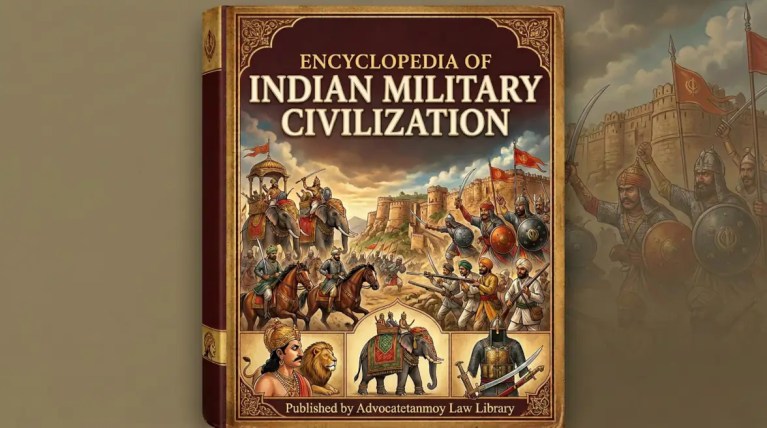
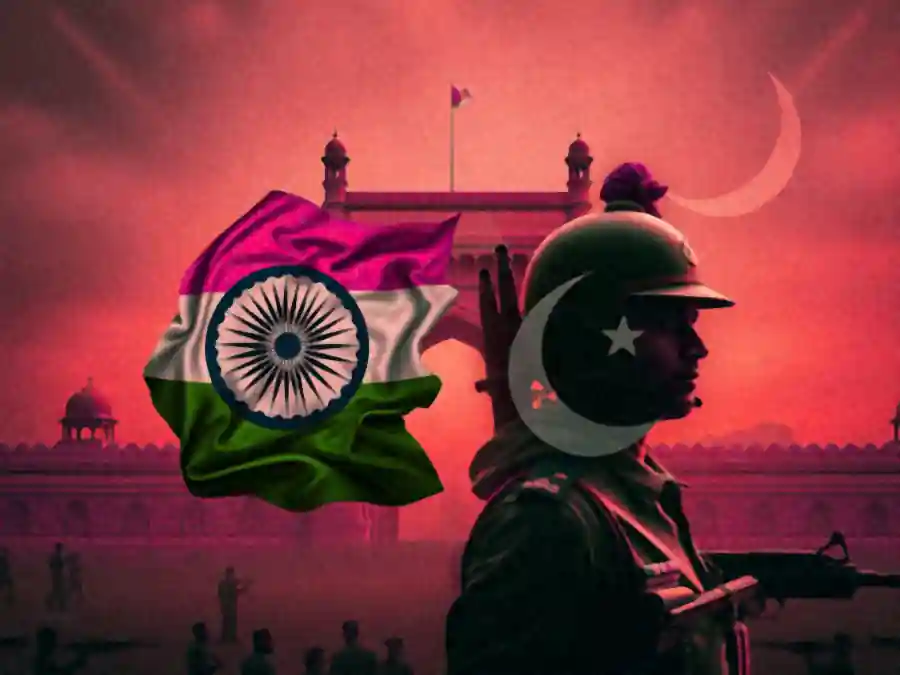
The military histories of India and Pakistan are inseparable from the history of the Partition of British India in August 1947, one of the most transformative and traumatic events of the twentieth century. Emerging from the same colonial military tradition, both states inherited personnel, equipment, regimental cultures, and strategic assumptions from the former British Indian Army, yet their armed forces evolved along dramatically different paths. What began as a division of men and materiel soon became one of the world’s most enduring military rivalries, shaping the political, strategic, and psychological landscape of South Asia for more than seven decades. The military relationship between the two countries has been defined by wars, crises, nuclear competition, ideological confrontation, and competing visions of national identity. It is a story not merely of armies and weapons, but of states seeking legitimacy, security, and prestige in a region where history remains a living force. (See Encyclopedia of Indian Military Civilization)
At the moment of independence in August 1947, the armed forces of the former British Raj were divided between the new Dominion of India and the Dominion of Pakistan. The division was complex and contentious. India inherited the larger share of military infrastructure, industrial capacity, and personnel, while Pakistan received approximately one-third of the military assets despite its limited industrial base. The process occurred amid communal violence that claimed hundreds of thousands of lives and displaced millions. Many officers who had trained together under British command suddenly found themselves serving opposing states. Regiments with centuries of shared history were divided, and military loyalties were rapidly redefined according to national allegiance.
The first major test came almost immediately. In October 1947, tribal militias from Pakistan’s northwest, supported by elements within Pakistan, entered the princely state of Jammu and Kashmir. The ruler, Maharaja Hari Singh, signed the Instrument of Accession to India on 26 October 1947, after which Indian troops were airlifted into Srinagar on 27 October 1947. The ensuing conflict, known as the First Indo-Pakistani War (1947–1948), established the central strategic issue that would dominate relations between the two countries for decades. Fierce fighting occurred in locations such as Baramulla, Poonch, Uri, and Leh. By the time a United Nations-sponsored ceasefire took effect on 1 January 1949, Kashmir had been divided along a ceasefire line, later known as the Line of Control (LoC). Neither side achieved its objectives, and both emerged convinced that the dispute would eventually require military resolution.
During the 1950s, the strategic trajectories of the two militaries began to diverge. Pakistan, feeling vulnerable due to its smaller population and limited economic resources, sought external alliances. It joined the Southeast Asia Treaty Organization (SEATO) in 1954 and the Central Treaty Organization (CENTO) in 1955, securing substantial military aid from the United States. American assistance brought modern equipment, including tanks, artillery, and aircraft. Pakistan’s military establishment increasingly viewed itself as the guardian of national survival against a larger Indian neighbor.
India, under Prime Minister Jawaharlal Nehru, pursued a policy of nonalignment, emphasizing diplomatic engagement over military expansion. Defense spending remained relatively modest, reflecting a belief that development rather than militarization should be the primary national priority. This approach would be severely challenged during the next decade.
The defining military shock for independent India came during the Sino-Indian War of October–November 1962. Fighting erupted in the disputed border regions of Aksai Chin and the North-East Frontier Agency (NEFA), now Arunachal Pradesh. Chinese forces rapidly overwhelmed Indian positions, exposing deficiencies in planning, logistics, intelligence, and leadership. The defeat had profound consequences. It shattered assumptions about strategic security and triggered a massive military modernization effort. New mountain divisions were raised, infrastructure projects accelerated, and defense budgets increased dramatically. The trauma of 1962 became a foundational moment in modern Indian military history, shaping strategic thinking for generations.
Pakistan interpreted India’s defeat as evidence of weakness. Encouraged by its own modernization and by perceptions of Indian vulnerability, Pakistani leaders believed that the balance of power had shifted in their favor. This assessment contributed directly to the Second Indo-Pakistani War of 1965.
The conflict began with Operation Gibraltar in August 1965, an attempt by Pakistan to infiltrate forces into Indian-administered Kashmir and encourage an uprising. When the operation failed to generate the expected popular revolt, fighting escalated into conventional warfare across the international border. Major battles occurred at Asal Uttar, Khem Karan, Chawinda, Sialkot, and Lahore. Tank engagements ranked among the largest since the Second World War. Although both countries claimed victory, the war ended largely in a military stalemate. The Tashkent Agreement, signed in Tashkent, Uzbekistan, on 10 January 1966, restored pre-war positions. Yet the conflict reinforced mutual hostility and deepened the military rivalry.
The most decisive conflict between the two states occurred in 1971. Political tensions in Pakistan had intensified after the 1970 general election, in which the Awami League led by Sheikh Mujibur Rahman won a majority but was denied power by the West Pakistani establishment. The resulting crisis escalated into violence when the Pakistani military launched Operation Searchlight in Dhaka on 25 March 1971. Millions of refugees fled into India, creating humanitarian and political pressures.
India provided support to the Mukti Bahini resistance movement and prepared for military intervention. On 3 December 1971, Pakistan launched preemptive air strikes against Indian airfields, triggering full-scale war. Indian forces conducted a highly coordinated campaign involving the Army, Navy, and Air Force. In the eastern theater, rapid advances toward Dhaka culminated in the surrender of Pakistani forces on 16 December 1971. Approximately 93,000 Pakistani military personnel became prisoners of war. The conflict resulted in the creation of Bangladesh, representing the greatest military defeat in Pakistan’s history and one of India’s most significant strategic victories.
The aftermath transformed military thinking on both sides. India emerged with increased confidence and regional influence. Pakistan, meanwhile, embarked on a search for strategic solutions that could prevent another catastrophe. One consequence was an intensified commitment to acquiring nuclear weapons.
The nuclear dimension began to reshape South Asian security during the 1970s. India’s first nuclear test, conducted at Pokhran, Rajasthan, on 18 May 1974, was officially described as a “peaceful nuclear explosion.” Known internationally as Smiling Buddha, the test demonstrated India’s nuclear capabilities and alarmed Pakistan. Prime Minister Zulfikar Ali Bhutto famously declared that Pakistan would pursue nuclear weapons even if it required immense sacrifice.
Throughout the late 1970s and 1980s, Pakistan’s nuclear program expanded under the guidance of scientists such as A.Q. Khan. Simultaneously, the military became increasingly central to Pakistani politics following General Muhammad Zia-ul-Haq’s coup on 5 July 1977. Military rule strengthened institutional influence over foreign policy, security affairs, and national ideology.
The 1980s witnessed another major shift due to the Soviet-Afghan War (1979–1989). Pakistan became a frontline state supporting Afghan resistance forces with American and Saudi assistance. The Pakistani military and intelligence services gained unprecedented resources and experience. Networks developed during this period would later influence regional security dynamics, including developments in Kashmir.
India, meanwhile, expanded its conventional capabilities. The armed forces acquired advanced aircraft, armored vehicles, and naval platforms. The Indian Navy increasingly projected power across the Indian Ocean, while the Air Force modernized with aircraft such as the MiG-29 and Mirage 2000.
The late 1980s brought one of the most dangerous crises of the era. In 1986–1987, India conducted Operation Brasstacks, a massive military exercise in Rajasthan involving hundreds of thousands of troops. Pakistan viewed the exercise as a potential cover for invasion and mobilized its own forces. Although war was avoided through diplomacy, the episode highlighted the dangers of misperception.
During the 1990s, the rivalry entered a new phase characterized by insurgency and proxy conflict. Armed militancy intensified in Jammu and Kashmir after 1989, with India accusing Pakistan of supporting insurgent groups. Pakistan denied direct involvement while expressing political support for Kashmiri self-determination. Violence in the region became a persistent source of instability.
The overt nuclearization of South Asia occurred in May 1998. India conducted a series of nuclear tests at Pokhran between 11 and 13 May 1998, declaring itself a nuclear weapons state. Pakistan responded with its own tests at Chagai, Balochistan, on 28 and 30 May 1998. For the first time, two openly declared nuclear powers confronted each other in South Asia. Nuclear deterrence fundamentally altered strategic calculations, reducing the likelihood of full-scale war while creating new forms of risk and competition.
The first major conflict of the nuclear era emerged in 1999. During the Kargil War, Pakistani forces and irregular fighters occupied positions on the Indian side of the Line of Control in the Kargil sector of Ladakh. India launched a determined military response involving infantry assaults, artillery bombardment, and air operations. Intense fighting occurred at locations such as Tiger Hill, Tololing, and Dras. Under international pressure, Pakistan withdrew its forces. The conflict demonstrated that nuclear weapons did not eliminate conventional warfare; rather, they constrained its scale.
The early twenty-first century saw increasing focus on terrorism and asymmetric conflict. The attack on the Indian Parliament in New Delhi on 13 December 2001 triggered a major military mobilization known as Operation Parakram. For nearly a year, both countries maintained large forces near the border. Although war was avoided, the crisis exposed limitations in India’s ability to rapidly punish cross-border attacks.
India, meanwhile, continued refining its doctrine of proactive deterrence. Following the 2008 Mumbai attacks, attributed to Lashkar-e-Taiba, public opinion demanded visible retaliation. For years, strategic restraint prevailed, but by the mid-2010s, under a more assertive political leadership, India began to cross previous thresholds. The 2016 surgical strikes across the Line of Control, following the Uri attack in Jammu and Kashmir, and the 2019 Balakot airstrike in Khyber Pakhtunkhwa after the Pulwama bombing in February 2019, signaled a doctrinal shift: calibrated, overt use of force designed to impose costs on Pakistan while avoiding full-scale escalation. These actions demonstrated both improved intelligence capabilities and a willingness to operate within the grey zone of conflict. Pakistan responded with air operations of its own during the crisis of 27 February 2019, briefly capturing Indian Air Force pilot Wing Commander Abhinandan Varthaman before releasing him. The release was widely interpreted as an effort to manage escalation while preserving domestic prestige. The two militaries thus entered a new phase of limited confrontation conducted under the nuclear shadow but constrained by political prudence.
Beyond direct confrontation, both militaries pursued ambitious modernization programs, though with markedly different objectives and resources. India’s expanding economy enabled sustained investment in defense technology, force projection, and indigenous production. Initiatives such as Make in India, launched in 2014, encouraged domestic defense manufacturing. Indigenous achievements included the HAL Tejas light combat aircraft and the aircraft carrier INS Vikrant, commissioned in Kochi on 2 September 2022. India’s maritime strategy increasingly emphasized dominance in the Indian Ocean and protection of sea lines of communication.
A particularly significant milestone was the development of a credible nuclear triad. The commissioning of the ballistic missile submarine INS Arihant represented the final component required for land-based, air-based, and sea-based nuclear delivery capabilities. This development enhanced India’s second-strike capability and strengthened the credibility of its deterrent posture.
Pakistan’s modernization strategy followed a different path. Constrained by economic limitations, it focused on maintaining deterrence through selective technological investments and external partnerships. Cooperation with China became central. Joint projects included the JF-17 Thunder fighter aircraft, while Chinese assistance supported infrastructure, missile development, and naval modernization. Pakistan also emphasized tactical nuclear systems such as the Nasr (Hatf-IX) missile, intended to counter India’s conventional military advantages and doctrines associated with rapid offensive operations.
Where India sought strategic depth through diversified international partnerships—including cooperation with the United States, France, Russia, Israel, and Japan—Pakistan relied increasingly on China as its principal strategic partner. This alignment reflected both geopolitical necessity and shared interests in balancing Indian influence.
One of the most striking differences between the two military institutions lies in their relationship with political authority. In India, the armed forces have remained firmly subordinate to elected civilian leadership since independence. Despite wars, emergencies, insurgencies, and political crises, the military has never attempted to seize power. This tradition reflects both constitutional design and institutional culture. The Indian armed forces emphasize professionalism, political neutrality, and loyalty to democratic governance. Their role has been that of a national instrument rather than a political actor.
Pakistan followed a different trajectory. The military emerged as the most powerful institution in the state, repeatedly intervening in politics. Major military takeovers occurred under General Ayub Khan (1958), General Zia-ul-Haq (1977), and General Pervez Musharraf (1999). Even during periods of civilian rule, the military retained substantial influence over national security, foreign relations, and strategic decision-making. Consequently, Pakistan’s armed forces became not merely defenders of the state but central participants in governance.
The Pakistani Army’s self-image as guardian of national ideology has further reinforced this role. The institution often portrays itself as protector of Pakistan’s Islamic identity and ultimate defender against India. This perception has strengthened internal cohesion and public legitimacy but has also complicated democratic development. Civilian governments frequently operate within constraints imposed by military preferences, particularly regarding India, Afghanistan, and nuclear policy.
The contrast extends into strategic culture. India’s military doctrine traditionally emphasized restraint, deterrence, and strategic autonomy. Although contemporary policy has become more assertive, particularly after 2014, Indian strategic thinking continues to emphasize long-term stability and measured escalation control. Pakistan’s strategic culture, shaped by perceptions of vulnerability and asymmetry, emphasizes achieving parity through unconventional methods and deterrence. The result has been a persistent action-reaction cycle. Indian military modernization encourages Pakistani countermeasures. Pakistani support for asymmetric strategies provokes Indian responses. Each side interprets the other’s actions through a lens of suspicion.
The twenty-first century has introduced new domains of competition. Both countries have invested in cyber warfare, electronic warfare, space-based surveillance, artificial intelligence, and precision-guided munitions. India’s anti-satellite test in March 2019, known as Mission Shakti, demonstrated emerging space capabilities. Pakistan has likewise expanded its focus on cyber defense and technological adaptation, though on a smaller scale.
India’s strategic ambitions increasingly extend beyond South Asia. Participation in forums such as the Quadrilateral Security Dialogue (Quad), growing naval deployments, and expanding defense partnerships reflect aspirations consistent with great-power status. Military reforms, including proposals for integrated theater commands, seek to enhance joint operations among the Army, Navy, and Air Force. Although implementation has faced bureaucratic challenges, the effort reflects a broader transformation toward networked warfare and expeditionary capability.
Pakistan faces a different set of pressures. Economic fragility, fiscal constraints, and internal security challenges require balancing external deterrence with domestic stability. Militancy within regions such as Khyber Pakhtunkhwa and Balochistan continues to demand military attention. Simultaneously, the military’s involvement in projects associated with the China–Pakistan Economic Corridor (CPEC) has expanded its role beyond traditional defense functions into economic and infrastructural management.
Yet beneath these differences lies a remarkable common heritage. Both militaries trace their origins to the same colonial institution. Many regiments share historical roots stretching back to the nineteenth century. Traditions of discipline, professionalism, and regimental pride remain visible on both sides of the border. Soldiers who once served under a common flag became representatives of competing national visions.
Both armed forces have demonstrated courage under difficult circumstances. Indian soldiers in the mountains of Ladakh, Siachen, and Kargil, and Pakistani soldiers in Kashmir, Balochistan, and along the Durand Line, have operated in some of the world’s harshest environments. Their experiences reveal similarities often obscured by political rivalry.
The comparative military history of India and Pakistan since the 1950s is therefore more than a record of wars, weapons, and doctrines. It is a study of nation-building through military institutions. India’s evolution—from the trauma of 1962 to the triumph of 1971, from peacekeeping operations abroad to precision strikes in its neighborhood—illustrates a gradual movement toward strategic confidence and global engagement. Pakistan’s trajectory—from the crises of 1947 to nuclear deterrence, proxy warfare, and counterinsurgency campaigns—reveals a persistent struggle to reconcile security imperatives with political development.
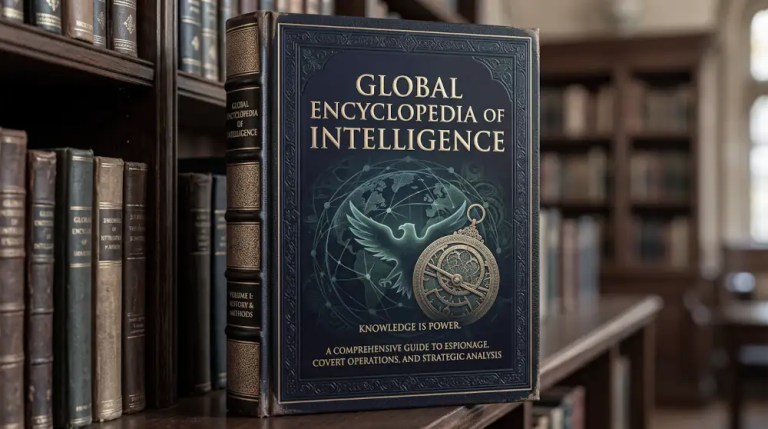
As the twenty-first century advances, the balance remains precarious. Both countries possess nuclear weapons, sophisticated militaries, and deeply entrenched threat perceptions. Every modernization initiative by one side tends to generate a response from the other. Every crisis revives historical memories. The security dilemma that emerged during Partition continues to shape contemporary policy. ( See Intelligence, Espionage, and Counterintelligence)
If seven decades of rivalry can be reduced to a single observation, it is that security and insecurity have grown together. India, larger in territory, population, and economic capacity, seeks recognition as a major global power while preserving regional stability. Pakistan, smaller yet strategically resilient, seeks survival, deterrence, and relevance within an environment it often perceives as hostile. Their militaries remain heirs to a common institutional ancestry but have become symbols of distinct national projects.
The enduring irony is that neither military can fully understand itself without reference to the other. Each has shaped the other’s doctrines, procurement priorities, organizational reforms, and strategic assumptions. From the divided regiments of 1947 to the nuclear-armed adversaries of the present century, the military histories of India and Pakistan remain intertwined. They constitute one of the most consequential rivalries in modern international history—a story of power, identity, deterrence, institutional evolution, and the enduring shadow of history across the South Asian subcontinent.
Postscript (2025): The military confrontation triggered by Operation Sindoor (2025) marked the most serious India–Pakistan crisis since Balakot, demonstrating how rapidly limited strikes could escalate between two nuclear-armed rivals while still remaining below the threshold of full-scale war. In the aftermath of the conflict, Pakistan elevated Asim Munir to the rank of Field Marshal on 20 May 2025, making him only the second officer in Pakistan’s history to receive the five-star rank after Ayub Khan. The promotion was presented by Islamabad as recognition of his leadership during the crisis and underscored the military’s continuing centrality in Pakistan’s political system. In June 2025, Munir was received by Donald Trump at the White House for a high-profile luncheon and discussions on regional security, an unusually prominent diplomatic engagement for a serving army chief.
Select Bibliography
Arjun Subramaniam — India’s Wars: A Military History, 1947–1971. HarperCollins India, 2016.
Reason to read: A modern, authoritative operational history of India’s early wars written by a senior military historian; excellent on campaigns, joint operations, and institutional lessons.
Arjun Subramaniam — Full Spectrum: India’s Wars, 1972–2020 (India’s Wars II). HarperCollins India, 2020/2022 (editions vary).
Reason to read: Continuation of Subramaniam’s magisterial survey covering late Cold War and contemporary conflicts, modernization and doctrinal change.
Srinath Raghavan — 1971: A Global History of the Creation of Bangladesh. Harvard University Press, 2013.
Reason to read: A deeply researched diplomatic-military history of the 1971 war that situates the conflict in international context and explains the campaign’s operational and political drivers.
V. P. Malik — Kargil: From Surprise to Victory. HarperCollins India, first published 2006 (paperback/editions later).
Reason to read: First-hand account by India’s Army Chief during Kargil; valuable for operational details, decision-making, and lessons from the 1999 Kargil conflict.
Ayesha Siddiqa — Military Inc.: Inside Pakistan’s Military Economy. Pluto Press (1st ed. 2007); Oxford University Press (Pakistan editions).
Reason to read: Groundbreaking investigation of the Pakistani military’s economic empire and institutional interests—essential for understanding why the army dominates Pakistan’s politics and strategy.
Aqil Shah — The Army and Democracy: Military Politics in Pakistan. Harvard University Press, 2014.
Reason to read: Scholarly analysis of civil–military relations in Pakistan demonstrating how the army shapes politics, policy and strategic choices—key to interpreting Pakistan’s military behavior.
Husain Haqqani — Pakistan: Between Mosque and Military. Carnegie Endowment for International Peace (or equivalent), 2005.
Reason to read: A clear, well-documented study of Pakistan’s political-military nexus and the growing role of religion in state affairs—useful background for Pakistan’s strategic posture.
Pervez Musharraf — In the Line of Fire: A Memoir. Free Press / Simon & Schuster, 2006.
Reason to read: Memoir by Pakistan’s former army chief/president; provides insider perspective (and controversies) on late-1990s–2000s policies including Kargil, coup politics, and the post-9/11 period.
Stephen P. Cohen — The Idea of Pakistan. Brookings Institution Press / Oxford University Press editions, 2004 (various printings 2004–2006).
Reason to read: Seminal political-strategic study that examines Pakistan’s state formation, the army’s centrality, and the long-term roots of Pakistan’s security dilemmas.
Kaushik Roy (ed./author) — selected works on South Asian military history (e.g., The Army in British India: From Colonial Warfare to Total War, 1857–1947 / related studies). Bloomsbury / academic presses (various).
Reason to read: Roy’s scholarship illuminates the colonial military legacy, regimental cultures, and organisational continuities that shaped both Indian and Pakistani forces after Partition. (Useful for contextualising post-1950 developments.)
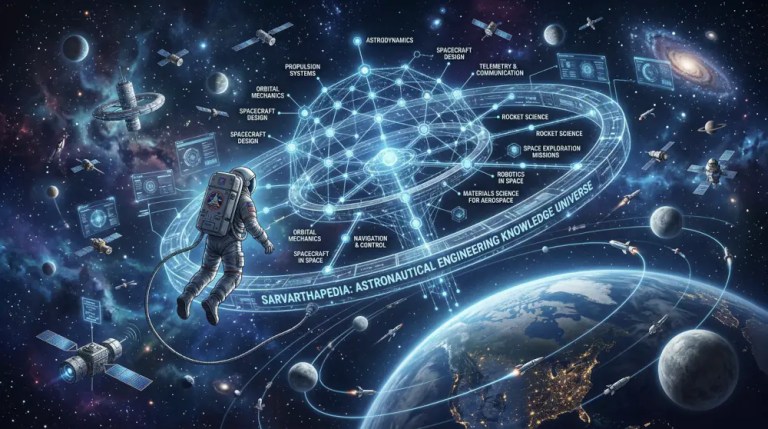
Sarvarthapedia Conceptual Network: India and Pakistan Military History
This article belongs to the broader Sarvarthapedia network of military history, state formation, strategic studies, nuclear deterrence, civil-military relations, South Asian geopolitics, and post-colonial state development.
Core Concepts
- Partition of India (1947)
- History of Pakistan (12-Volume)
- British Indian Army
- State Formation
- Civil-Military Relations
- Kashmir Conflict
- South Asian Security
- Nuclear Deterrence
- Military Modernization
- Counterinsurgency Warfare
- Strategic Culture
- Cold War Alliances
- Proxy Warfare
- Democratic Civilian Control
- Military Rule
- Defense Industrialization
- Regional Balance of Power
Knowledge Network: Origins and Partition
India and Pakistan Military History ↔ Partition of India (1947)
The military rivalry originated directly from the division of the British Indian Army during Partition.
Related Topics:
- British Withdrawal from India
- Mountbatten Plan
- June 3 Plan
- Radcliffe Line
- Princely States
- Kashmir Accession Crisis
- Refugee Crisis of 1947
- State Formation in South Asia
India and Pakistan Military History ↔ British Indian Army
Both militaries inherited:
- Regimental traditions
- Officer training systems
- Military doctrine
- Command structures
- Colonial military culture
Related Topics:
- Colonial Military Institutions
- Imperial Defense Strategy
- World War I and Indian Soldiers
- World War II and Indian Soldiers
- Decolonization of Armed Forces
Kashmir Conflict Cluster
India and Pakistan Military History ↔ Kashmir Conflict
Kashmir became the central strategic dispute shaping military planning on both sides.
Related Topics:
- First Indo-Pakistani War (1947–48)
- Instrument of Accession
- Line of Control (LoC)
- Insurgency in Jammu and Kashmir
- Siachen Conflict
- Kargil War
- Cross-Border Militancy
- United Nations and Kashmir
Kashmir Conflict ↔ Siachen Glacier
Siachen emerged from unresolved border demarcation.
Related Topics:
- Operation Meghdoot
- High-Altitude Warfare
- Saltoro Ridge
- Glacier Warfare
- Extreme Environment Operations
Kashmir Conflict ↔ Kargil War
Kargil represented a limited conflict under nuclear conditions.
Related Topics:
- Operation Vijay
- Operation Safed Sagar
- Nuclear Deterrence
- Mountain Warfare
- Strategic Surprise
Civil-Military Relations Cluster
India and Pakistan Military History ↔ Civil-Military Relations
One of the most important comparative themes in South Asian history.
Related Topics:
- Democratic Governance
- Military Coups
- Constitutional Authority
- National Security Institutions
- Strategic Decision-Making
India ↔ Democratic Civilian Control
India maintained uninterrupted civilian supremacy.
Related Topics:
- Jawaharlal Nehru
- Indian Constitution
- Parliamentary Democracy
- Ministry of Defence
- Professional Military Institutions
Pakistan ↔ Military Dominance
Pakistan’s military became a major political actor.
Related Topics:
- Ayub Khan
- Yahya Khan
- Zia-ul-Haq
- Pervez Musharraf
- Military Government
- Praetorian States
- Military Economy
Pakistan Military Dominance ↔ Military Inc.
The military expanded beyond defense into economic sectors.
Related Topics:
- Military-Owned Enterprises
- Defense Housing Authorities
- Civil-Military Bureaucracies
- Economic Power and Armed Forces
Indo-Pakistani Wars Cluster
India and Pakistan Military History ↔ First Indo-Pakistani War (1947–48)
The foundational conflict of the rivalry.
Related Topics:
- Kashmir Accession
- Srinagar Airlift
- Ceasefire Line
- United Nations Mediation
India and Pakistan Military History ↔ Indo-Pakistani War of 1965
The first major conventional war between the two states.
Related Topics:
- Operation Gibraltar
- Operation Grand Slam
- Battle of Asal Uttar
- Battle of Chawinda
- Tashkent Agreement
India and Pakistan Military History ↔ Indo-Pakistani War of 1971
The most decisive war in South Asian history.
Related Topics:
- Bangladesh Liberation War
- Operation Searchlight
- Refugee Crisis
- Joint Warfare
- Dhaka Surrender
- Operation Trident
- Operation Python
1971 War ↔ Creation of Bangladesh
The war fundamentally altered the regional balance of power.
Related Topics:
- Bengali Nationalism
- East Pakistan
- Humanitarian Intervention
- National Self-Determination
Nuclear Weapons Cluster
India and Pakistan Military History ↔ Nuclear Deterrence
Nuclearization transformed the strategic environment after 1998.
Related Topics:
- Strategic Stability
- Escalation Control
- Nuclear Signaling
- Deterrence Theory
- Arms Races
India ↔ Smiling Buddha (1974)
India’s first nuclear test initiated a new strategic era.
Related Topics:
- Pokhran-I
- Nuclear Technology
- Peaceful Nuclear Explosion Debate
Pakistan ↔ Nuclear Weapons Program
Pakistan pursued nuclear parity after 1974.
Related Topics:
- A. Q. Khan
- Chagai Tests
- Strategic Balance
- Nuclear Proliferation
Nuclear Deterrence ↔ Kargil War
Kargil demonstrated that limited conventional conflict remained possible under nuclear deterrence.
Related Topics:
- Stability-Instability Paradox
- Limited War Doctrine
- Escalation Management
Nuclear Deterrence ↔ Balakot Crisis (2019)
An example of military action below the nuclear threshold.
Related Topics:
- Air Power
- Crisis Management
- Strategic Signaling
- Deterrence Dynamics
Cold War Cluster
India and Pakistan Military History ↔ Cold War
Cold War alignments shaped military development.
Related Topics:
- Bipolar World Order
- Superpower Competition
- Strategic Alliances
Pakistan ↔ SEATO and CENTO
Pakistan aligned with Western security structures.
Related Topics:
- United States Military Aid
- Containment Strategy
- Anti-Communist Alliances
India ↔ Non-Alignment
India pursued strategic autonomy.
Related Topics:
- Non-Aligned Movement
- Third World Diplomacy
- Strategic Independence
China Connection Cluster
India and Pakistan Military History ↔ China
China became a major factor in South Asian military calculations.
Related Topics:
- Sino-Indian War (1962)
- Sino-Pakistani Partnership
- Border Disputes
- Himalayan Security
Sino-Indian War (1962) ↔ Indian Military Reform
The defeat triggered major military transformation.
Related Topics:
- Border Roads Organisation
- Mountain Warfare
- Defense Modernization
- Strategic Reassessment
Pakistan ↔ China Partnership
China became Pakistan’s principal strategic partner.
Related Topics:
- Defense Cooperation
- Technology Transfer
- JF-17 Thunder
- China-Pakistan Economic Corridor
- Strategic Balancing
Proxy Warfare and Insurgency Cluster
India and Pakistan Military History ↔ Proxy Warfare
Indirect conflict became a central feature after conventional parity weakened.
Related Topics:
- Asymmetric Warfare
- Non-State Actors
- Covert Operations
- Strategic Depth
Pakistan ↔ Proxy Strategy
Groups were used as instruments of regional influence.
Related Topics:
- Lashkar-e-Taiba
- Jaish-e-Mohammed
- Afghan Jihad
- Kashmir Insurgency
Pakistan ↔ ISI
The Inter-Services Intelligence Directorate became a key strategic institution.
Related Topics:
- Intelligence Agencies
- Afghan Resistance
- Covert Operations
- Counterterrorism
Pakistan ↔ Tehrik-i-Taliban Pakistan (TTP)
Former strategic dynamics generated internal security threats.
Related Topics:
- Blowback
- Counterinsurgency
- Internal Security
- Zarb-e-Azb
- Radd-ul-Fasaad
India ↔ Counterinsurgency Warfare
India developed extensive experience managing insurgencies.
Related Topics:
- Punjab Insurgency
- Northeast Insurgencies
- Kashmir Counterinsurgency
- Internal Security Operations
Military Modernization Cluster
India and Pakistan Military History ↔ Military Modernization
Modernization increasingly defines contemporary competition.
Related Topics:
- Defense Technology
- Military Innovation
- Force Restructuring
- Indigenous Production
India ↔ Defense Industrialization
India seeks strategic autonomy through domestic production.
Related Topics:
- Make in India
- Defence Research and Development
- Aerospace Industry
- Naval Expansion
Related Military Systems:
- LCA Tejas
- INS Vikrant
- INS Arihant
- Agni Missile Family
- BrahMos Missile
Pakistan ↔ Selective Modernization
Pakistan focuses on cost-effective strategic capabilities.
Related Topics:
- Strategic Deterrence
- Missile Development
- Air Power Modernization
Related Military Systems:
- JF-17 Thunder
- Nasr Missile
- Shaheen Missile Series
- Babur Cruise Missile
Strategic Doctrine Cluster
India ↔ Strategic Restraint
India traditionally emphasized controlled escalation and long-term stability.
Related Topics:
- No First Use
- Credible Minimum Deterrence
- Strategic Autonomy
- Limited War Concepts
Pakistan ↔ First-Use Nuclear Doctrine
Pakistan views nuclear weapons as compensation for conventional imbalance.
Related Topics:
- Full Spectrum Deterrence
- Tactical Nuclear Weapons
- Escalation Dominance
India ↔ Cold Start Doctrine
Developed in response to mobilization challenges observed after Operation Parakram.
Related Topics:
- Rapid Mobilization
- Integrated Battle Groups
- Limited Conventional War
Comparative State Formation Cluster
India and Pakistan Military History ↔ State Formation
The military trajectories reflect broader national development paths.
Related Topics:
- Nation-Building
- Political Institutions
- Constitutional Development
- Security States
- Democratic Consolidation
India ↔ Developmental-Democratic Model
Characteristics:
- Civilian supremacy
- Institutional continuity
- Economic expansion
- Military professionalism
Related Topics:
- Democratic Governance
- Economic Liberalization
- Emerging Power Status
Pakistan ↔ Security-State Model
Characteristics:
- Military centrality
- Strategic competition
- Political intervention
- Security-focused governance
Related Topics:
- National Security State
- Military Bureaucracy
- Strategic Parity
Global Context Cluster
India and Pakistan Military History ↔ International Relations
Their rivalry influences global security calculations.
Related Topics:
- Nuclear Strategy
- Great Power Competition
- Regional Security Complexes
- Crisis Diplomacy
India and Pakistan Military History ↔ United Nations Peacekeeping
Despite rivalry, both militaries have extensive peacekeeping records.
Related Topics:
- International Security
- Peace Operations
- Military Diplomacy
- Global South Contributions
Central Hub Connections
India and Pakistan Military History Connects Directly To
- Partition of India (1947)
- British Indian Army
- Kashmir Conflict
- Indo-Pakistani Wars
- Bangladesh Liberation War
- Civil-Military Relations
- Military Coups
- Democratic Civilian Control
- Nuclear Deterrence
- Cold War
- Sino-Indian War
- China-Pakistan Relations
- Proxy Warfare
- Counterinsurgency Warfare
- Military Modernization
- Defense Industrialization
- Strategic Culture
- South Asian Geopolitics
- State Formation
- International Security
Most Important Cross-References
Partition of India → Kashmir Conflict → Indo-Pakistani Wars → Nuclear Deterrence
British Indian Army → Civil-Military Relations → India’s Democratic Model / Pakistan’s Military-Dominant Model
Sino-Indian War → Indian Military Reform → 1971 Victory → Modern Military Modernization
Afghan Jihad → ISI Expansion → Proxy Warfare → Kashmir Insurgency → Counterterrorism
Nuclear Tests (1998) → Kargil War → Limited Conflict Under Nuclear Conditions → Balakot Crisis
Military Modernization → India-China Competition → India-Pakistan Strategic Balance → South Asian Security Architecture
This network places “India and Pakistan Military: Rivalry, Power, and Legacy” at the intersection of military history, political development, nuclear strategy, regional geopolitics, and post-colonial state formation, making it a foundational hub article within Sarvarthapedia’s South Asia and Military Studies knowledge system.
India and Pakistan Military
India and Pakistan Military ↔ Partition of British India (1947)
Partition of British India ↔ State Formation
Partition of British India ↔ Boundary Creation
Partition of British India ↔ Population Transfer
Partition of British India ↔ Kashmir Dispute
Partition of British India ↔ British Indian Army Division
British Indian Army Division ↔ Colonial Military Legacy
Colonial Military Legacy ↔ Regimental System
Colonial Military Legacy ↔ Officer Corps
Colonial Military Legacy ↔ Military Professionalism
Colonial Military Legacy ↔ Civil-Military Traditions
Civil-Military Relations Cluster
Civil-Military Relations ↔ Military Authority
Civilian Control ↔ Democratic Governance
Democratic Governance ↔ Constitutional Supremacy
Constitutional Supremacy ↔ India
Military Dominance ↔ Political Intervention
Political Intervention ↔ Military Rule
Military Rule ↔ Pakistan
India ↔ Civilian Supremacy
Civilian Supremacy ↔ Professional Military
Professional Military ↔ Institutional Restraint
Institutional Restraint ↔ Democratic Stability
Pakistan ↔ Military Centrality
Military Centrality ↔ National Security State
National Security State ↔ Strategic Insecurity
Strategic Insecurity ↔ Security Establishment
Security Establishment ↔ Political Influence
Kashmir Cluster
Kashmir Dispute ↔ Territorial Conflict
Territorial Conflict ↔ National Identity
Territorial Conflict ↔ Strategic Geography
Strategic Geography ↔ Himalayan Frontier
First Indo-Pakistani War (1947–48)
First Indo-Pakistani War ↔ Kashmir Dispute
First Indo-Pakistani War ↔ Ceasefire Line
Ceasefire Line ↔ Line of Control
Line of Control ↔ Border Militarization
Kashmir ↔ Strategic Doctrine
Kashmir ↔ Indian Security Doctrine
Kashmir ↔ Pakistani Security Doctrine
Kashmir ↔ Insurgency
Kashmir ↔ Proxy Warfare
Military Evolution Cluster
Military Evolution ↔ Strategic Culture
Strategic Culture ↔ Historical Experience
Historical Experience ↔ Threat Perception
Threat Perception ↔ Defense Planning
India’s Military Evolution
Professionalization ↔ Institutional Development
Institutional Development ↔ Strategic Confidence
Strategic Confidence ↔ Modernization
Modernization ↔ Power Projection
Pakistan’s Military Evolution
Militarization ↔ Political Authority
Political Authority ↔ Military Prestige
Military Prestige ↔ Strategic Dominance
Strategic Dominance ↔ National Narrative
Sino-Indian War Cluster
Sino-Indian War (1962)
Sino-Indian War ↔ Strategic Shock
Strategic Shock ↔ Defense Reform
Defense Reform ↔ Military Expansion
Military Expansion ↔ Infrastructure Development
Infrastructure Development
Infrastructure Development ↔ Border Roads Organisation
Border Roads Organisation ↔ Mountain Warfare
Mountain Warfare ↔ Himalayan Defense
Chinese Threat
Chinese Threat ↔ Two-Front Challenge
Two-Front Challenge ↔ Indian Defense Strategy
Indian Defense Strategy ↔ Force Modernization
Indo-Pak War (1965) Cluster
Indo-Pak War (1965)
Indo-Pak War ↔ Operation Gibraltar
Operation Gibraltar ↔ Infiltration Strategy
Infiltration Strategy ↔ Miscalculation
Conventional Warfare
Conventional Warfare ↔ Tank Warfare
Tank Warfare ↔ Punjab Front
Punjab Front ↔ Sialkot Sector
Punjab Front ↔ Lahore Sector
Strategic Lessons
Strategic Lessons ↔ Military Adaptation
Military Adaptation ↔ Operational Learning
Operational Learning ↔ Future Planning
Bangladesh War Cluster
Indo-Pak War (1971)
Indo-Pak War ↔ Bangladesh Liberation
Bangladesh Liberation ↔ East Pakistan Crisis
East Pakistan Crisis ↔ Political Breakdown
Indian Military Success
Joint Operations ↔ Army-Air Force Coordination
Army-Air Force Coordination ↔ Operational Synergy
Operational Synergy ↔ Strategic Victory
Operation Trident
Operation Trident ↔ Naval Warfare
Naval Warfare ↔ Maritime Dominance
Maritime Dominance ↔ Sea Denial
Dhaka Surrender
Dhaka Surrender ↔ Decisive Victory
Decisive Victory ↔ Regional Power Status
Regional Power Status ↔ Strategic Confidence
Nuclear Deterrence Cluster
Nuclear Weapons ↔ Strategic Deterrence
Strategic Deterrence ↔ Balance of Power
Balance of Power ↔ Regional Stability
Regional Stability ↔ Crisis Management
Smiling Buddha (1974)
Smiling Buddha ↔ Nuclear Capability
Nuclear Capability ↔ Strategic Autonomy
Strategic Autonomy ↔ India
Pakistan Nuclear Program
Pakistan Nuclear Program ↔ Strategic Compensation
Strategic Compensation ↔ Security Anxiety
Security Anxiety ↔ Nuclear Parity
Nuclear Doctrine
No First Use ↔ India
First Use Doctrine ↔ Pakistan
Credible Minimum Deterrence ↔ Stability
Tactical Nuclear Weapons ↔ Escalation Control
Siachen Cluster
Siachen Glacier
Siachen Glacier ↔ Operation Meghdoot
Operation Meghdoot ↔ Strategic Initiative
Strategic Initiative ↔ Territorial Advantage
High-Altitude Warfare
High-Altitude Warfare ↔ Logistics
Logistics ↔ Operational Endurance
Operational Endurance ↔ Soldier Resilience
Afghanistan and Strategic Depth Cluster
Soviet-Afghan War
Soviet-Afghan War ↔ Pakistan
Pakistan ↔ Strategic Depth Theory
Strategic Depth Theory ↔ Afghanistan
Intelligence Networks
ISI ↔ Proxy Networks
Proxy Networks ↔ Non-State Actors
Non-State Actors ↔ Regional Influence
Blowback
Blowback ↔ Domestic Militancy
Domestic Militancy ↔ Internal Security Crisis
Internal Security Crisis ↔ Counterterrorism
Proxy Warfare Cluster
Proxy Warfare
Proxy Warfare ↔ Hybrid Warfare
Hybrid Warfare ↔ Irregular Conflict
Irregular Conflict ↔ Gray Zone Strategy
Lashkar-e-Taiba
Lashkar-e-Taiba ↔ Cross-Border Militancy
Cross-Border Militancy ↔ Kashmir Insurgency
Jaish-e-Mohammed
Jaish-e-Mohammed ↔ Proxy Conflict
Proxy Conflict ↔ Escalation Risk
Gray Zone Strategy
Plausible Deniability ↔ Limited Conflict
Limited Conflict ↔ Nuclear Shield
Nuclear Shield ↔ Escalation Management
Kargil Cluster
Kargil War (1999)
Kargil War ↔ Limited Conventional War
Limited Conventional War ↔ Nuclear Environment
Operation Vijay
Operation Vijay ↔ Mountain Warfare
Mountain Warfare ↔ Tactical Recovery
Tactical Recovery ↔ Military Professionalism
Intelligence Failure
Intelligence Failure ↔ Institutional Reform
Institutional Reform ↔ Strategic Learning
Strategic Learning ↔ Capability Development
War on Terror Cluster
September 11 Attacks
September 11 Attacks ↔ Global War on Terror
Global War on Terror ↔ Pakistan’s Strategic Shift
Counterterrorism
Counterterrorism ↔ Internal Security
Internal Security ↔ Military Operations
Military Operations ↔ State Authority
Tehrik-i-Taliban Pakistan
TTP ↔ Insurgency
Insurgency ↔ Counterinsurgency
Counterinsurgency ↔ Military Adaptation
Operation Zarb-e-Azb
Operation Zarb-e-Azb ↔ Counterterror Campaign
Counterterror Campaign ↔ Territorial Reassertion
Twenty-First Century Crisis Cluster
Indian Parliament Attack (2001)
Parliament Attack ↔ Operation Parakram
Operation Parakram ↔ Military Mobilization
Military Mobilization ↔ Strategic Signaling
Mumbai Attacks (2008)
Mumbai Attacks ↔ Terrorism
Terrorism ↔ Strategic Restraint Debate
Uri Attack (2016)
Uri Attack ↔ Surgical Strikes
Surgical Strikes ↔ Coercive Signaling
Pulwama Attack (2019)
Pulwama Attack ↔ Balakot Airstrike
Balakot Airstrike ↔ Cross-Border Air Operations
Cross-Border Air Operations ↔ Escalation Ladder
Military Modernization Cluster
Military Modernization
Military Modernization ↔ Technological Transformation
Technological Transformation ↔ Strategic Competitiveness
India
Make in India ↔ Defense Self-Reliance
Defense Self-Reliance ↔ Indigenous Production
Tejas ↔ Indigenous Aviation
INS Vikrant ↔ Aircraft Carrier Capability
INS Arihant ↔ Nuclear Triad
Pakistan
JF-17 Thunder ↔ Joint Development
Joint Development ↔ China Partnership
Nasr Missile ↔ Tactical Deterrence
Tactical Deterrence ↔ Battlefield Nuclear Strategy
Strategic Culture Comparison
India
Strategic Restraint ↔ Gradual Power Accumulation
Gradual Power Accumulation ↔ Economic Growth
Economic Growth ↔ Defense Investment
Pakistan
Security Anxiety ↔ Search for Parity
Search for Parity ↔ Asymmetric Strategy
Asymmetric Strategy ↔ Nuclear Dependence
Security Dilemma
Indian Modernization ↔ Pakistani Countermeasures
Pakistani Proxy Strategy ↔ Indian Retaliation
Indian Retaliation ↔ Escalation Cycle
South Asian Security Cluster
South Asian Security
South Asian Security ↔ Deterrence Stability
Deterrence Stability ↔ Crisis Management
Crisis Management ↔ Escalation Prevention
India
Regional Power ↔ Indo-Pacific Strategy
Indo-Pacific Strategy ↔ Global Integration
Pakistan
Regional Balancer ↔ China Alignment
China Alignment ↔ Strategic Dependency
China
China ↔ Pakistan Partnership
Pakistan Partnership ↔ Strategic Balancing
Strategic Balancing ↔ Indian Security Calculations
Master Knowledge Web
- Partition (1947) ↔ Kashmir Dispute ↔ Indo-Pak Wars
- Indo-Pak Wars ↔ Military Evolution ↔ Strategic Culture
- Strategic Culture ↔ Civil-Military Relations ↔ National Identity
- National Identity ↔ Security Doctrine ↔ Defense Planning
- Defense Planning ↔ Military Modernization ↔ Strategic Capability
- Strategic Capability ↔ Conventional Power ↔ Nuclear Deterrence
- Nuclear Deterrence ↔ Crisis Stability ↔ Limited Conflict
- Limited Conflict ↔ Proxy Warfare ↔ Counterinsurgency
- Counterinsurgency ↔ Internal Security ↔ Military Adaptation
- Military Adaptation ↔ Professionalization ↔ Strategic Confidence
- Strategic Confidence ↔ Regional Power Status ↔ Global Integration
- Strategic Insecurity ↔ Search for Parity ↔ Asymmetric Strategy
- Asymmetric Strategy ↔ Proxy Warfare ↔ Nuclear Shield
- Nuclear Shield ↔ Escalation Management ↔ South Asian Stability
- South Asian Stability ↔ Security Dilemma ↔ Indo-Pak Rivalry
- Indo-Pak Rivalry ↔ Shared Colonial Legacy ↔ Divergent National Destinies
- Shared Colonial Legacy ↔ India and Pakistan Military History ↔ South Asian Geopolitics