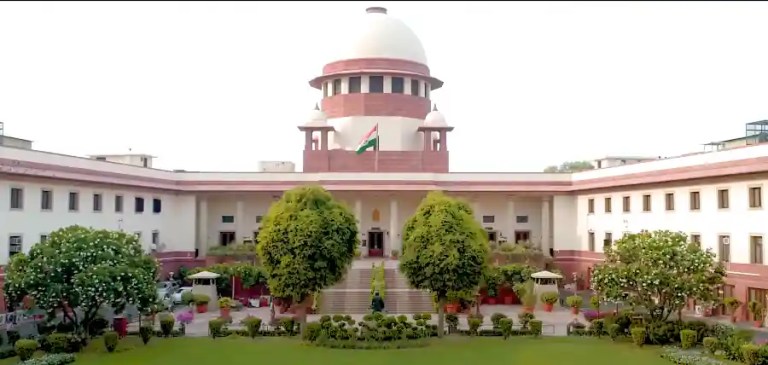
Guidelines for Trial Judges Under the POCSO Act in India
The Protection of Children from Sexual Offences (POCSO) Act, 2012, stands as a comprehensive legislative framework in India aimed at safeguarding children from sexual exploitation, assault, harassment, and pornography. Enacted to address the rising concerns of child sexual abuse, the Act emphasizes the paramount importance of the child’s best interests, privacy, and dignity throughout all stages of legal proceedings. For a trial judge presiding over cases under this Act, understanding and implementing its provisions is crucial to ensure justice is delivered swiftly, sensitively, and effectively. The Act defines a child as any person below 18 years, making its protections age-specific and gender-neutral, applicable across the nation, including Jammu and Kashmir. Judges must approach these trials with a child-centric lens, recognizing that sexual offences against children are heinous crimes that demand stringent handling to prevent further trauma to the victim.
Beginning with the offences outlined in the Act, a trial judge must first grasp the spectrum of crimes to appropriately frame charges and assess evidence. Penetrative sexual assault, as defined in Section 3, encompasses any act where the offender penetrates the child’s body with a penis, object, body part, or manipulates the child to do so, including oral acts. This offence carries a minimum punishment of seven years imprisonment, extendable to life, plus a fine under Section 4. Judges should note that the definition is broad, covering even slight penetration, to ensure no act escapes accountability. Aggravated penetrative sexual assault under Section 5 elevates the severity when committed by individuals in positions of authority or trust, such as police officers, armed forces personnel, public servants, staff in jails, hospitals, educational or religious institutions, or relatives in shared households. Factors like gang assaults, use of deadly weapons, causing grievous hurt, exploiting disabilities, repeated offences, assaults on children under 12, or during communal violence aggravate the crime, mandating rigorous imprisonment of at least ten years to life under Section 6. A judge must meticulously identify these aggravating elements during trial to impose fitting penalties, ensuring that the exploitation of power dynamics is duly punished.
Similarly, sexual assault in Section 7 involves non-penetrative touching of private parts with sexual intent, punishable by three to five years imprisonment and a fine per Section 8. Its aggravated form in Section 9 mirrors the trust-abuse scenarios, with punishments ranging from five to seven years under Section 10. Sexual harassment under Section 11 includes non-contact acts like utterances, gestures, exhibiting objects, forcing the child to expose themselves, showing pornography, stalking, or threats involving depictions, punishable up to three years. Judges should interpret “sexual intent” as a question of fact, relying on circumstantial evidence to avoid dismissing cases prematurely. The Act also addresses pornography-related offences in Chapter III, where using a child for pornographic purposes in any media under Section 13 attracts up to five years for first offences and seven years for subsequent ones per Section 14(1). If combined with direct participation in assaults, penalties align with the respective assault sections, escalating to life imprisonment. Storage of child pornography for commercial purposes under Section 15 carries up to three years. Abetment and attempts in Chapter IV are treated seriously, with punishments matching or halving the main offence, emphasizing that instigation, conspiracy, or aiding— including through coercion or trafficking—warrants equal rigor. For judges, framing charges must incorporate these definitions precisely, avoiding dilution, and recognizing that the Act overrides lesser punishments in overlapping IPC sections like 375 or 376, opting for the harsher one under Section 42.
Moving to the investigation phase, although primarily handled by police and magistrates, a trial judge’s role includes reviewing its compliance to ensure the trial’s integrity. Chapter V mandates reporting of offences under Section 19 by anyone with knowledge or apprehension, including children, to Special Juvenile Police Units or local police, with reports recorded promptly, read back, and entered in a book. For child informants, simple language and interpreters are required if needed. Judges should scrutinize if police provided immediate care and protection under Section 19(5), such as shelter or medical aid within 24 hours, and reported to the Child Welfare Committee and court within the same timeframe. Failure to report incurs penalties under Section 21, but children are exempt. Media and institutions must report exploitative material under Section 20, with non-compliance punishable. False complaints under Section 22 are penalized only if malicious, protecting genuine reports. Media procedures in Section 23 prohibit identity disclosure or reputation-lowering reports, with violations leading to six months to one year imprisonment. In recording statements under Chapter VI, police must do so at the child’s preferred place, by a non-uniformed female officer, ensuring no accused contact, no overnight detention, and identity protection per Section 24. Magistrates recording under Section 25 (CrPC 164) must capture the child’s exact words, provide case documents, and avoid the accused advocates’ presence. Additional provisions in Section 26 require parental or trusted presence, interpreters, special educators for disabled children, and audio-video recording where possible. Medical examinations under Section 27 follow CrPC 164A, conducted by female doctors for girls, in trusted presence. A judge, upon detecting procedural lapses—like lack of sensitivity or delays—may order remedies or exclude tainted evidence, upholding the Act’s intent to minimize revictimization.
The trial process, central to a judge’s duties, is governed by Chapters VII and VIII, designating Special Courts for speedy trials. Under Section 28, state governments appoint Sessions Courts as Special Courts in consultation with High Court Chief Justices, with jurisdiction over related offences, including the IT Act’s child pornography. Judges must apply presumptions in Sections 29 and 30: for offences under Sections 3,5,7,9, the court presumes commission unless disproved, and presumes culpable mental state (intent, knowledge), rebuttable only beyond a reasonable doubt. This shifts the burden to the accused, aiding prosecution in child cases where direct evidence may be scarce. Proceedings follow CrPC under Section 31, with Special Public Prosecutors appointed per Section 32, experienced advocates deemed Public Prosecutors. Section 33 empowers Special Courts to take direct cognizance of complaints or police reports, without committal. Crucially, judges must foster a child-friendly atmosphere: routing questions through the court during child examinations to avoid direct confrontation, permitting breaks, allowing trusted persons’ presence, minimizing repeated testimonies, banning aggressive questioning or character attacks, and ensuring dignity. Identity non-disclosure is mandatory unless beneficial to the child, with reasons recorded. Compensation for trauma or rehabilitation can be directed alongside punishment. For child offenders, the Juvenile Justice Act applies per Section 34, with the court determining age if disputed. Evidence recording must occur within 30 days of cognizance, trial completion within one year per Section 35, with delays justified. To prevent exposure, child testimony uses video conferencing or screens under Section 36, ensuring the accused hears but doesn’t see the child. Trials are in camera, with parents or a trusted person present, or via commission if needed per Section 37. Interpreters or experts assist under Section 38. Judges may associate NGOs, psychologists, or experts per Section 39, and ensure legal aid for victims under Section 40. Medical exams with consent are exempt from offences per Section 41.
Evidence handling in POCSO trials demands acute judicial sensitivity, as the child’s statement often forms the core. Judges should evaluate testimony holistically, considering the presumptions that favor credibility unless rebutted. Corroboration isn’t mandatory if the child’s account is reliable, but medical evidence under Section 27 can support findings of injury or infection. For pornography cases, digital evidence from media or storage must be authenticated, with the chain of custody scrutinized. In aggravated cases, evidence of trust abuse— like positional authority or familial ties—must be proven through documents, witnesses, or circumstances. Judges should exclude inadmissible evidence, such as prior sexual history, to prevent character assassination. Audio-video recordings of statements enhance reliability, reducing disputes over narration. For disabled children, expert-assisted evidence ensures accessibility. The Act’s overriding effect under Section 42A means inconsistencies with other laws favor POCSO’s stringent provisions. Public awareness and monitoring by Child Rights Commissions under Sections 43-44 ensure implementation, but judges focus on courtroom adherence. In sum, a POCSO trial judge acts as guardian of the child’s rights, balancing swift justice with empathy, ensuring offences are rigorously punished while evidence is fairly assessed.
Expanding on offences, judges must internalize that POCSO’s definitions fill gaps in IPC, providing child-specific protections. For instance, penetrative assault’s inclusivity covers manipulative acts, ensuring judges don’t narrow interpretations. Aggravation factors highlight vulnerability: a relative’s assault under Section 5(n) or institutional staff’s under 5(o) demands higher scrutiny, as trust betrayal amplifies harm. Punishments are minimum-based, allowing judicial discretion for maximums based on gravity—life for repeated or disabling assaults. Sexual assault’s touch-based definition requires proving intent, often inferred from context, while harassment’s media-inclusive scope addresses modern threats like online grooming. Pornography offences emphasize “use” broadly, including production and distribution, with enhanced penalties for participatory assaults underscoring compound harm. Abetment’s explanations cover misrepresentation or facilitation, vital for prosecuting enablers in trafficking rings. Judges should frame charges comprehensively, including attempts, to capture full criminality.
In investigation oversight, judges review FIRs and chargesheets for compliance: was the report under Section 19 handled sensitively? Did police secure care under 19(5)? Lapses can lead to acquittals or retrials, so judges may summon records early. Statement recordings’ child-friendly mandates prevent coercion claims; absence of audio-video might weaken prosecution, prompting judicial directives for better practices. Medical reports must detail findings without speculation, and judges ensure consent exemptions don’t misapply. False information penalties deter misuse but protect children, guiding judges to probe motives in dismissal motions.
Trial conduct is where judges’ child-centric approach shines. Special Courts’ speedy ethos combats delays that retraumatize victims. Presumptions invert typical burdens, compelling the accused to disprove acts or intent, aligning with child protection conventions. Question-routing protects from intimidation, with judges rephrasing harshly worded cross-examinations. Breaks and support persons reduce stress, while identity safeguards prevent social stigma. Compensation awards, though discretionary, should consider emotional impacts, drawing from guidelines. Timeline adherence—30 days for evidence, one year for trial—forces efficient case management, with judges recording delay reasons to avoid appeals. In-camera trials maintain confidentiality, extendable to commissions for vulnerable children.
Evidence evaluation prioritizes the child’s voice: consistent testimonies suffice for conviction, per judicial precedents interpreting POCSO. Presumptions aid where corroboration lacks, but judges must allow fair rebuttal. For example, in aggravated cases, evidence of prior convictions under 5(t) escalates penalties. Digital evidence in pornography requires expert analysis for authenticity. Judges weigh disabilities, using special educators to interpret communications accurately. Overall, the Act empowers judges to deliver restorative justice, focusing on rehabilitation alongside punishment.
To delve deeper, consider how offences integrate international standards from the UN Convention on the Rights of the Child, which India acceded to in 1992. The preamble stresses preventing inducement, exploitation in prostitution, and pornographic use, as reflected in definitions. Judges apply this by viewing offences through a rights lens, ensuring privacy under Article 15(3) of the Constitution. In framing charges, specificity is key: distinguishing aggravated from basic forms avoids under-punishment. For gang assaults, each participant’s liability is joint, per the explanations, demanding a collective evidence assessment.
Investigation’s mandatory reporting creates a vigilant ecosystem; judges enforce this by penalizing non-reporters in related proceedings. Child statements’ simple language mandate ensures comprehensibility, with translators for linguistic barriers. Medical exams’ promptness prevents evidence loss, and female doctors’ requirements for girls minimize discomfort. Judges, reviewing investigation diaries, can quash cases if violations indicate bias.
Trial procedures embody sensitivity: cognizance without committal accelerates justice. Special Prosecutors’ expertise ensures robust arguments, while judges’ powers mirror the Sessions Courts for efficiency. Child-friendly measures— no repeated calls, no aggression—prevent secondary abuse. Video-linked testimony under Section 36 is innovative, balancing rights. Compensation, per rules, covers therapy or education, highlighting a restorative focus.
Evidence under POCSO is presumption-driven, easing prosecution burdens in sensitive cases. Child testimonies, if natural and uncoached, hold weight; judges discern inconsistencies from trauma, not deceit. Medical evidence corroborates but doesn’t mandate penetration proof for non-penetrative offences. For pornography, metadata evidence proves commercial intent. Attempts’ half-punishment still deters, with acts towards commission sufficient.
In practice, judges monitor implementation, aligning with Section 44’s Commissions. Training under Section 43 equips stakeholders, indirectly aiding judicial efficacy. The Act’s non-derogatory nature strengthens it against conflicting laws.
Ultimately, POCSO empowers trial judges to be protectors, ensuring offences are met with justice, investigations are scrutinized, trials are compassionate, and evidence is fairly weighed, all for the child’s holistic development. This framework, if diligently applied, combats child sexual abuse effectively, fostering a safer society.
Furthermore, in handling offences, judges must consider the Act’s evolution, amended in 2018 to include the death penalty for aggravated penetrative assault on children under 12, though the provided text is from the 2018 version. But sticking to supplied info, punishments are life-max. For harassment, the fact-question of intent allows judicial discretion based on the totality of circumstances, preventing frivolous claims while protecting victims.
In an investigation, Section 19(7) grants good-faith reporting immunity, encouraging disclosures; judges uphold this to build trust. Media obligations under 20 extend to hotels or studios, broadening detection; violations should be noted in trials if impacting the case.
Trial-wise, Section 33(8) compensation is prescriptive, per rules, allowing interim relief for urgent needs. Age determination under 34 is final unless proven wrong later, protecting the orders’ validity.
Evidence-wise, audio-video under 26(4) serves as the best evidence, reducing tampering claims. For experts under 38, qualifications ensure reliability.
To elaborate on offences, Section 5’s 21 clauses cover diverse scenarios, from weapon use to pregnancy causation or HIV infection, each demanding evidence of consequence for aggravation. Judges accurately classify to apply Section 6’s rigorous imprisonment.
For pornography, Section 13’s media-inclusive definition captures digital age threats, with Section 14’s graduated penalties for repeat offenders deterring recidivism.
Abetment’s three modes—instigation, conspiracy, aiding—include explanations for comprehensive coverage, like harboring for exploitation.
Investigation’s 24-hour reporting to CWC ensures holistic care, with judges reviewing if steps are taken.
Statement recording’s no-uniform rule de-escalates fear, essential for truthful accounts.
Medical’s trusted presence comforts, with nomination if parents are absent.
Special Courts’ IT jurisdiction under 28(3) allows trying online child abuse, expanding the scope.
Presumptions under 29-30 are rebuttable, balancing rights; judges explain in judgments how rebutted or not.
Procedure under 33 emphasizes indirect questioning, with courts putting questions, shielding children.
Frequent breaks acknowledge attention spans, while a trusted person`s presence provides emotional support.
No repeated testimony minimizes trauma, a key main idea.
Dignity maintenance prohibits shaming, aligning with the preamble’s well-being focus.
Identity protection includes family details, broad enough to prevent indirect disclosure.
Compensation for trauma is innovative, beyond punishment.
Powers as the Sessions Court ensure procedural familiarity.
For child offenders, JJ Act integration separate from adult trials.
Timelines under 35 force efficiency, with reasons for delays accountable.
Non-exposure to the accused via tech preserves mental health.
In-camera with parents fosters security.
Interpreters for evidence ensure accuracy.
Guidelines under 39 associate experts for support.
Legal aid under 40 equalizes access.
Exemptions under 41 prevent misapplication to medical care.
The alternate punishment under 42 chooses harsher, maximizing deterrence.
Not in derogation under 42A supplements other laws.
Awareness and training under 43 promote implementation.
Monitoring under 44 by the Commission provides oversight.
Rules under 45 detail procedures, like fees for interpreters.
Removing difficulties under 46 allows governmental adjustments.
In analysis, judges deal with trials by prioritizing child welfare, applying presumptions, ensuring sensitivity, and imposing stringent punishments, all based on the Act’s provisions.
Consider hypothetical: A judge in a penetrative assault case by a teacher (aggravated under 5(f)) would presume commission, require the accused to disprove, use video testimony, award compensation, and sentence to life if grievous harm is proven.
For evidence, if a child is disabled, expert assistance is mandatory for fair trial.
Thus, the Act equips judges to handle such sensitive cases effectively.
In offences, the Act’s definition of “domestic relationship” references the Domestic Violence Act, broadening familial assaults.
“Shared household” includes live-in arrangements, capturing modern families (Domestic Violence Act).
For armed forces, area-specific aggravation under 5(b) highlights duty breaches.
Gang assault’s common intention deems all guilty, simplifying prosecution.
Use of corrosive substances or fire in 5(h) addresses acid attacks in sexual contexts.
Causing mental illness or impairment in 5(j) links to the Mental Health Act, requiring medical evidence.
Exploiting disability in 5(k) protects the vulnerable, with judges assessing advantage taken.
Repeated assaults in 5(l) recognize chronic abuse.
Under 12 in 5(m) lowers the threshold, acknowledging greater vulnerability.
Relative or guardian in 5(n) target sincestuous acts.
Institution ownership in 5(o) holds higher-ups accountable.
Position of trust in 5(p) is broad, covering tutors or coaches.
Knowing pregnancy in 5(q) adds cruelty.
Attempted murder in 5(r) combines with assault.
Communal violence in 5(s) addresses riot contexts.
Prior conviction in 5(t) for recidivism.
Stripping in public in 5(u) humiliates, aggravates.
Similar for sexual assault aggravation in 9.
For harassment, enticement for pornography in 11(vi) links to Chapter III.
Punishment for storage in 15 target distributors.
Abetment’s explanations cover wilful concealment or facilitation, broad for networks.
Attempt’s “any act towards” in 18 catches early stages.
Investigation’s entry number in 19(2) ensures traceability.
Translator fees prescribed, ensuring quality.
Care arrangement reasons written, for accountability.
No liability for good faith, encouraging reports.
Obligation on media etc., creates duty.
Failure punishment in 21 targets in-charge too.
False complaint in 22 requires intent to humiliate, protecting innocents.
Media procedure in 23 prohibits incomplete info reports.
Disclosure only if in child’s interest, by court.
Liability joint for publishers.
Recording at residence in 24 reduces intimidation.
No uniform, no contact, no night detention, identity protection key.
Magistrate statement as spoken, no advocate for the accused.
Copy of documents provided.
Presence of trusted interpreters, special educators.
Audio-video preferred.
Medical per CrPC, woman doctor, trusted presence.
Special Courts designation, deemed if existing.
Try other offences together.
IT jurisdiction for child porn.
Presumption unless contrary proved.
Culpable state presumed, rebutted beyond doubt.
CrPC applies save otherwise.
Special PP with 7 years of practice.
Cognizance direct.
Question routing, breaks, trusted presence, no repeat, no aggression, dignity, identity hide, compensation, Sessions’ powers.
Child offender JJ Act.
Age determination recorded.
No invalidity for later proof.
Evidence 30 days, trial 1 year.
No see accused, via tech.
In camera, parents present.
Interpreter, expert.
Guidelines for experts.
Legal aid, free if needed.
Exempt medical with consent.
Harsher punishment.
Addition to other laws.
Publicity, training.
Monitoring by Commissions.
Rules by Central Govt.
Remove difficulties.
This detailed analysis shows how judges navigate POCSO trials, emphasizing child protection in every aspect.
Finally, POCSO is a robust law where trial judges must embody sensitivity, speed, and severity to deal with POCSO trials, covering offences’ definitions and punishments, investigation’s child-friendly procedures, trial’s special mechanisms, and evidence’s presumption-aided evaluation, all to ensure justice for child victims. The Protection of Children from Sexual Offences (POCSO) Act, 2012, represents a pivotal piece of legislation in India, crafted to shield children from the scourge of sexual offences while prioritizing their physical, emotional, and social well-being. As a trial judge handling cases under this Act, one must approach the proceedings with an unwavering commitment to the child’s best interests, as enshrined in the preamble, which draws from constitutional provisions like Article 15(3) and international obligations under the UN Convention on the Rights of the Child. Judges are tasked with ensuring that the law’s intent—to treat sexual exploitation as heinous and to safeguard privacy at every stage—is upheld. This analysis, based solely on the supplied text, delves into the offences, investigation, trial, and evidence, highlighting main ideas such as child-centric procedures, presumptions of guilt, speedy trials, and sensitive evidence handling, to guide how a judge should deal with such trials.
The offences delineated in Chapter II form the foundation for judicial framing of charges and sentencing. Penetrative sexual assault under Section 3 is broadly defined to include any penetration of the child’s vagina, mouth, urethra, or anus with a penis, object, body part, or through manipulation, as well as oral application. This expansive scope ensures that even minimal intrusion or coercive acts are criminalized, reflecting the Act’s aim to capture all forms of invasive abuse. Punishment under Section 4 is stringent, with a minimum of seven years imprisonment, extendable to life, plus a fine, emphasizing deterrence for these grave violations. Judges must carefully evaluate evidence to confirm the act’s occurrence, avoiding narrow interpretations that could undermine the child’s testimony. Aggravated penetrative sexual assault in Section 5 escalates when perpetrated by authority figures like police officers within station limits or during duties, armed forces in deployment areas, public servants, or staff in custodial institutions such as jails, hospitals, schools, or religious places. Other aggravating factors include gang assaults—where common intention deems all participants equally liable—use of weapons, fire, or corrosives, causing grievous hurt or organ injury, leading to incapacity, pregnancy, HIV infection, exploiting mental or physical disabilities, repeated offences, assaults on children under 12, by relatives or in shared households, in positions of trust, knowing the child is pregnant, with attempted murder, during communal violence, by prior convicts, or involving public stripping. Section 6 mandates rigorous imprisonment of at least ten years to life and fine, compelling judges to identify these elements through meticulous fact-finding to impose enhanced penalties that account for the betrayal of trust and heightened vulnerability.
Sexual assault per Section 7 covers non-penetrative physical contact with sexual intent, such as touching private parts or forcing the child to touch another’s, punishable by three to five years and a fine under Section 8. The aggravated variant in Section 9 parallels Section 5’s scenarios, with punishments of five to seven years under Section 10. Judges should treat “sexual intent” as a factual question, inferring it from context to prevent dismissals based on technicalities. Sexual harassment in Section 11 encompasses non-contact acts like words, sounds, gestures, exhibiting body parts or objects, forcing child exposure, showing pornographic material, stalking via any means, threatening with depictions, or enticing for pornography with gratification, punishable up to three years and a fine per Section 12. The explanation that intent is factual allows judicial discretion based on circumstances. Chapter III addresses pornography, where using a child for pornographic purposes in Section 13 involves media representations of sexual organs, acts, or obscene depictions, including preparation and distribution, with punishments under Section 14 ranging from five years for first offences to seven for repeats, escalating to life if combined with direct penetrative or aggravated assaults. Storage for commercial purposes in Section 15 carries up to three years or a fine, or both. These provisions highlight the Act’s focus on exploiting children visually, requiring judges to handle digital evidence with care. Chapter IV’s abetment in Section 16 includes instigation, conspiracy, or aiding, with explanations covering misrepresentation, facilitation, or harboring through coercion, punishable as the main offence under Section 17 if committed in consequence. Attempts in Section 18, involving acts towards commission, attract up to half the punishment. Judges must apply Section 42’s alternate punishment rule, choosing the harsher between POCSO and IPC sections like 376, ensuring maximum deterrence.
The investigation phase, though pre-trial, demands judicial oversight to verify procedural adherence, as lapses can taint the trial. Chapter V mandates reporting under Section 19 by any person, including children, with apprehension or knowledge of an offence, to Special Juvenile Police Units or local police. Reports must be numbered, recorded in writing, read back, and booked, with child reports in simple language and interpreters if needed. Main ideas include immediate care for vulnerable children—shelter or hospital within 24 hours—with written reasons, and notification to the Child Welfare Committee and court within 24 hours. Good-faith reporters face no liability, encouraging disclosures. Obligations on media and institutions in Section 20 require reporting exploitative material, broadening detection. Punishment for failure in Section 21 is up to six months or a fine for individuals, one year and a fine for in-charges, but children are exempt. False complaints under Section 22, if intended to humiliate or extort, attract six months or a fine, with harsher penalties for targeting children, but no punishment for child complainants. Media procedures in Section 23 prohibit reputation-damaging or identity-revealing reports, with disclosure only by court if in the child’s interest, and joint liability for publishers, punishable by six months to one year or fine. Judges, reviewing chargesheets, should quash or remand if reporting violations suggest bias or delay, upholding the Act’s emphasis on prompt, sensitive initiation.
Chapter VI details recording statements, crucial for evidence integrity. Police recordings under Section 24 occur at the child’s residence or choice, by a non-uniformed female sub-inspector or above, with no accused contact, no night detention, and identity protection from the media. Magistrates under Section 25 record as spoken by the child, excluding accused advocates, and provide document copies post-final report. Additional provisions in Section 26 require parental or trusted presence, interpreters or special educators for disabilities, and audio-video, where possible. Medical examinations in Section 27 follow CrPC 164A, even without FIR, by woman doctors for girls, in the trusted presence or nominated woman if absent. Judges must ensure these procedures were followed, as non-compliance—e.g., uniformed officers or lack of video—could lead to evidence exclusion or credibility doubts, aligning with the main idea of minimizing trauma through child-friendly methods.
The trial in Special Courts, as per Chapter VII, is where the judge’s role is most direct. Designation under Section 28 involves notifying Sessions Courts as Special Courts, deemed if already children’s courts, with jurisdiction over related CrPC-chargeable offences and IT Act child pornography. Presumptions in Section 29 assume commission of offences under Sections 3,5,7,9 unless contrary proved, and Section 30 presumes culpable mental state (intent, motive, knowledge), rebuttable beyond a reasonable doubt. These shift burdens, aiding prosecution in child cases. CrPC applies per Section 31, with Special Public Prosecutors under Section 32, advocates with seven years’ practice. Chapter VIII’s procedures in Section 33 allow direct cognizance, question-routing through court for child examinations, frequent breaks, no repeated testimony, no aggressive questioning or character assassination, dignity maintenance, identity non-disclosure unless beneficial (recorded reasons), compensation for trauma or rehabilitation, and Sessions’ powers. For child offenders in Section 34, JJ Act applies, with court determining age. Timelines under Section 35: child evidence within 30 days of cognizance, trial within one year, with delay reasons recorded. Non-exposure to the accused in Section 36 via video or screens, ensuring accused hears for fair trial. In-camera trials per Section 37 with parents or trusted, or the commission if needed. Assistance under Section 38 with interpreters or experts. Judges must enforce these to create a supportive environment, awarding compensation proactively and managing timelines to prevent adjournments, embodying speedy, sensitive justice.
Evidence assessment integrates these elements, with the child’s statement (before Magistrate) central, bolstered by presumptions. Judges evaluate testimonies for consistency, not requiring corroboration if inspiring confidence, but medical reports under Section 27 provide supportive proof of injuries or infections. Audio-video recordings enhance reliability, while expert input for disabilities ensures accessibility. In pornography cases, media material must be authenticated. Presumptions require the accused’s rebuttal, but judges balance with fair hearing. Compensation evidence includes trauma assessments. Main ideas highlight presumption-aided, child-friendly evaluation to secure convictions without revictimization.
Chapter IX’s miscellaneous provisions support: guidelines under Section 39 for expert association, legal aid in Section 40, exemptions for consented medical in Section 41, harsher punishment in Section 42, non-derogation in Section 42A, awareness and training in Section 43, monitoring by Commissions in Section 44, rules in Section 45 for details like fees, and difficulty removal in Section 46. Judges leverage these for holistic handling.
In dealing with trials, judges must frame charges precisely and objectively, oversee investigation compliance, conduct child-friendly proceedings, and assess evidence with presumptions, all to protect and rehabilitate the child while punishing offenders severely. This Act empowers judges to transform courtrooms into spaces of healing and justice, addressing the heinous nature of child sexual offences through rigorous yet empathetic application.
To further analyze, consider the offences’ integration with broader legal frameworks. The definitions fill IPC gaps, ensuring child-specific rigors. For example, aggravation in family contexts under 5(n) targets hidden abuses, requiring judges to probe household dynamics through witnesses. Gang assaults’ deemed liability simplifies multi-accused trials, focusing on intention evidence. Pornography’s direct participation escalation in Section 14 recognizes compounded trauma, with judges linking to assault sections for sentencing.
Investigation’s mandatory reporting creates a societal net, with judges enforcing through contempt if ignored in cases. The 24-hour care mandate ensures immediate protection, and judges can order retrospective care if lapsed. Statement procedures’ emphasis on comfort— no uniform, preferred place—reduces false negatives from fear, a key judicial consideration in credibility assessments.
Trial presumptions revolutionize burden, as child victims often lack witnesses; judges explain in judgments how rebutted, promoting transparency. Question-routing prevents badgering, with judges intervening to rephrase. Breaks and support mitigate fatigue, while identity protection prevents stigma, essential for rehabilitation. Compensation, per sub-section 33(8), can be interim, based on evidence of harm.
Evidence in POCSO relies on quality over quantity; a child’s uncorroborated testimony suffices if reliable, per judicial practice interpreting the Act. Medical evidence corroborates but doesn’t override, e.g., absence of injury doesn’t disprove harassment. For attempts, “act towards” evidence like planning documents suffices. Judges weigh all in light of the child’s developmental needs.
The Act’s preamble underscores prevention ( by Police) and well-being, guiding judges to view trials as restorative.
Compliance checklist by the Trial Judge: Investigation under POCSO prioritizes child sensitivity and speed, mandating mandatory reporting by any person aware of an offence (including media or institutions) to Special Juvenile Police Units or local police, with failure punishable. Reports must be recorded promptly, read back to informants, and if by a child, in simple language with interpreters if needed. Police must avoid detaining children overnight, ensure no contact with the accused, protect identity, and refer vulnerable children to care within 24 hours while notifying the Child Welfare Committee and Special Court. Statements are recorded preferably at the child’s residence or chosen place by a female officer (sub-inspector or above) not in uniform. Magistrate-recorded statements under Section 164 CrPC follow child-spoken narration without the accused’s advocate’s presence. Medical examinations occur promptly, even without FIR, preferably by female doctors in the presence of trusted persons, with assistance for disabled children via special educators or experts.
Tanmoy Bhattacharyya
30th December 2025