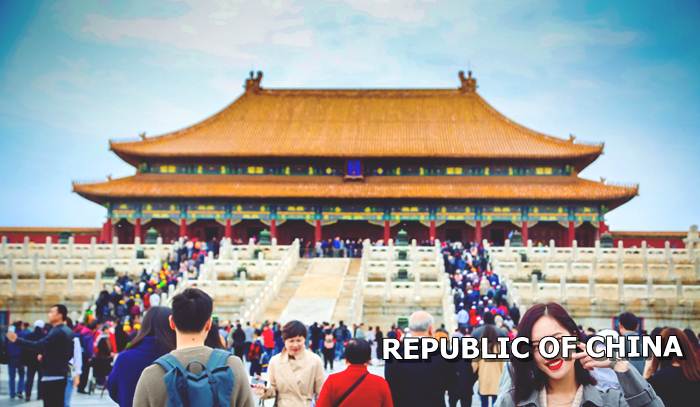
China
In the 19th century, the Qing Dynasty weakened due to overexpansion, economic strain, internal rebellions, foreign intervention, and military defeats. After the 1911 Revolution, China became a republic under Sun Yat-sen, but the new state soon fragmented into warlord conflict and political turmoil. Civil war erupted between the Nationalists, led by Chiang Kai-shek, and the Chinese Communist Party. Japanese occupation and the brutal war from 1937–1945 devastated the country and caused massive loss of life. After World War II, the civil war resumed, ending with a Communist victory in 1949 and the creation of the People’s Republic of China under Mao Zedong. Mao’s rule consolidated sovereignty but imposed harsh political and economic campaigns, resulting in millions of deaths. After Mao’s death in 1976, leaders such as Deng Xiaoping promoted market-oriented reforms and opening to global trade, fueling rapid economic growth and major poverty reduction. Under Xi Jinping (2025), China has expanded global influence while maintaining tight political control and pursuing initiatives such as the Belt and Road.
Official Government & Legislative Websites:
The National People’s Congress (NPC) website: http://www.npc.gov.cn (English version available). The State Council of China: http://www.gov.cn (English version available). Ministry of Justice of the PRC: http://www.moj.gov.cn Supreme People’s Court: http://www.court.gov.cn