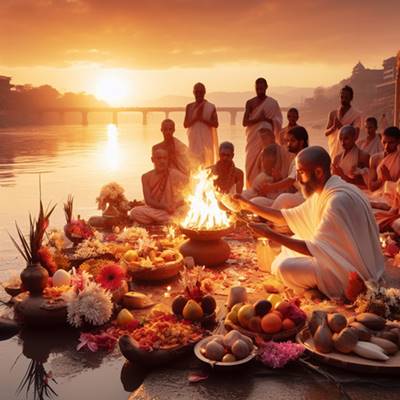
Encyclopedia of Sanatan Dharma
Hindu Scriptures and Interpretation
Dharma in Early Indian Thought: From Cosmic Order to Metaphysical Principle
The Vedic-Sanskrit term “Dharma” derives from the verbal root dhṛ—“to uphold,” “to sustain,” “to support.” In the earliest Vedic-Arya imagination preserved in the Rigveda, composed approximately between c.4500–3500 BCE in the north-western regions of the Indian subcontinent, especially the Saraswati and Sapta-Sindhu zone of present Punjab and Afghanistan, the word did not initially signify religion in the later institutional sense. Rather, Dharma indicated the sustaining principle of cosmic order, civilizational consciousness, ritual stability, social coherence, and divine regularity. The Rigvedic poets employed the word in plural as well as singular forms—dharmāṇi, dharmaṇā, vidharmaṇi—revealing a semantic field broader than later juridical or sectarian meanings.
The oldest Vedic references associate Dharma with the maintenance of the universe through sacrifice and truth. The hymn:
“य॒ज्ञेन॑ य॒ज्ञम॑यजन्त दे॒वास्तानि॒ धर्मा॑णि प्रथ॒मान्या॑सन् ।”
(ऋग्वेद १०.९०.१६)
declares that through sacrifice the gods established the primordial Dharmas. Here Dharma signifies archetypal ordinances through which cosmos and society become possible. The verse belongs to the famous Puruṣa Sūkta, probably among the comparatively later strata of the Rigveda, reflecting an emerging theological synthesis in Vedic culture around c.4500–3200 BCE.
In another celebrated passage:
“त्रीणि॑ प॒दा वि च॑क्रमे॒ विष्णु॑र्गो॒पा अदा॑भ्यः ।अतो॒ धर्मा॑णि धा॒रय॑न् ॥”
(ऋग्वेद १.२२.१८)
Viṣṇu is portrayed as sustaining the Dharmāṇi through his cosmic strides. The verse preserves an archaic cosmology where Dharma is neither law code nor morality alone; it is the structural rhythm of existence itself. The Devata preserves spatial and metaphysical order by “holding” Dharma. This connection between cosmic stability and Dharma became foundational for subsequent Indian thought (See Encyclopedia of Ancient and Modern India).
The Rigvedic seers repeatedly connect Dharma with Ṛta, the principle of cosmic truth and order. In the hymns to Mitra and Varuṇa, guardians of universal regularity, Dharma acquires ethical resonance:
“धर्म॑णा मित्रावरुणा विपश्चिता व्र॒ता र॑क्षेथे”
(ऋग्वेद ५.६३.७)
Mitra and Varuṇa protect vows through Dharma. In this setting Dharma is the operational expression of Ṛta in ritual and moral life. The Vedic world viewed disorder not merely as social failure but as cosmic disruption.
The term also appears in connection with Agni, the sacrificial fire who mediates between humans and gods. The verse:
“क॒विम॒ग्निमुप॑ स्तुहि स॒त्यध॑र्माणमध्व॒रे ।”
(ऋग्वेद १.१२.७)
calls Agni “satyadharmāṇam,” one whose Dharma is truth itself. The compound reveals an early convergence between truth (satya) and Dharma. This was not abstract philosophy; Vedic ritualists believed that correct sacrificial performance maintained fertility, rain cycles, kingship, and clan prosperity.
Several hymns use the phrase “prathamāni dharmāṇi”—the primordial Dharmas. These expressions suggest ancient ritual precedents inherited from mythical antiquity. In:
“तानि॒ धर्मा॑णि प्रथ॒मान्या॑सन्”
(ऋग्वेद १.१६४.५०)
the poets identify the first Dharmas with divine sacrificial acts. Such passages indicate that Dharma originally referred to sacred patterns established by gods and reenacted by humans.
By the Neo-Vedic periods, approximately c.3200–3000 BCE, during the eastward expansion of Vedic culture into the Gangetic plains, the concept underwent refinement in the Brāhmaṇa literature. The Shatapatha Brahmana, associated chiefly with the Śukla Yajurveda and composed in regions corresponding to present-day Uttar Pradesh and Bihar, presents Dharma in a more systematic ritual and cosmological framework.
A significant passage states:
“धर्मासि सुधर्मेति… एष वै धर्मो य एष तपति… एतेनेदं सर्वं धृतम्”
(शतपथब्राह्मण १४.२.२.२९)
The text identifies Dharma with the solar principle: “This indeed is Dharma, that which shines (the Sun); by it all this universe is upheld.” Here the etymological sense from dhṛ (“to uphold”) becomes explicit. Dharma is not merely human duty but the sustaining force of existence itself. The Brāhmaṇa authors transformed the older poetic intuition into ritual metaphysics. Sacrifice, sun, cosmic order, speech, and kingship were all linked through Dharma.
The Śatapatha Brāhmaṇa emerged during a period of increasing ritual complexity and political centralization in the eastern Gangetic basin. Kuru-Pañcāla culture had already standardized many Vedic rites, and Dharma gradually acquired institutional dimensions. Royal consecration rituals (Rājasūya), fire sacrifices, and social hierarchy were justified as expressions of cosmic Dharma. Thus Dharma became simultaneously cosmological, liturgical, and political.
In the Rigveda, Dharma often appears fluid and plural; in the Brāhmaṇa texts it becomes increasingly singular and normative. The transition reflects historical transformation from semi-nomadic pastoral clans to stratified agrarian polities. Ritual precision acquired supreme significance because cosmic order was believed to depend on exact sacrificial performance.
The Upaniṣadic age, c.3200–3500 BCE, further interiorized Dharma. Although the word remained linked to duty and cosmic law, thinkers increasingly connected it with knowledge of the Self (Ātman) and ultimate reality (Brahman). This intellectual atmosphere eventually influenced the composition of the Brahma Sutras, traditionally attributed to Bādarāyaṇa, probably compiled between c.200 BCE and 400 CE.
The Brahma Sūtra contains the aphorism:
“सर्वधर्मोपपत्यधिकरणम्”
(ब्रह्मसूत्र २.१.३७)
In the Badarayan`s Brahma Sutra context, Dharma no longer signifies merely ritual acts or cosmic ordinances; it refers to all attributes or principles attributable to Brahman. The philosophical debate concerns whether the qualities ascribed to ultimate reality are logically coherent. Here Dharma evolves into a technical metaphysical category.
This transformation marks one of the most significant semantic developments in Indian intellectual history. In the Rigveda, Dharma sustains cosmos through sacrifice; in the Brāhmaṇas it structures ritual and society; in the Brahma Sūtras it becomes subordinated to ontological inquiry into Brahman. Yet continuity remains visible throughout these chronological layers. Dharma always retains the sense of “that which upholds.”
The Rigvedic corpus uses Dharma in relation to devatas such as Varuṇa, Mitra, Agni, Soma, Savitṛ, and Viṣṇu. For example:
“ऋत॑स्य गोपा॒वधि॑ तिष्ठथो॒ रथं॒ सत्य॑धर्माणा”
(ऋग्वेद ५.६३.१)
The devatas stand established in true Dharma. Another verse:
“वृषा॒ धर्मा॑णि दधिषे”
(ऋग्वेद ९.६४.१)
presents Soma as bearer of Dharmas. The repeated plural usage implies multiple sustaining ordinances rather than a singular codified doctrine.
Equally important is the ethical dimension emerging in hymns addressed to Varuṇa:
“अचि॑त्ती॒ यत्तव॒ धर्मा॑ युयोपिम” (ऋग्वेद ७.८९.५)
The poet confesses violations of divine Dharma committed unknowingly. Here Dharma enters the sphere of conscience, guilt, and moral accountability. This anticipates later Dharmashāstric notions of righteous conduct.
By the late first millennium BCE, Dharma became central to Buddhism, Jainism, and emerging Hindu legal literature. Yet the Vedic foundations remained influential. The ancient seers never restricted Dharma to sectarian identity. It was simultaneously cosmic principle, ritual correctness, social order, divine ordinance, truth, law, ethical obligation, and metaphysical support.
The historical journey of Dharma from the early Rigvedic hymns of the north-western subcontinent to the speculative metaphysics of the Brahma Sūtras mirrors the evolution of Indian civilization itself. Few words in world intellectual history have carried such layered continuity across more than two millennia of textual tradition.
Reference of Dharma In Rigveda, Satapath Brahman and Brahma Sutram
१. क॒विम॒ग्निमुप॑ स्तुहि स॒त्यध॑र्माणमध्व॒रे । दे॒वम॑मीव॒चात॑नम् ॥
(ऋग्वेद १.१२.७ / १.१.२३.१)
२. त्रीणि॑ प॒दा वि च॑क्रमे॒ विष्णु॑र्गो॒पा अदा॑भ्यः । अतो॒ धर्मा॑णि धा॒रय॑न् ॥
(ऋग्वेद १.२२.१८ / १.२.७.३)
३. त्वं तमि॑न्द्र॒ पर्व॑तं॒ न भोज॑से म॒हो नृ॒म्णस्य॒ धर्म॑णामिरज्यसि ।
प्र वी॒र्ये॑ण दे॒वताति॑ चेकिते॒ विश्व॑स्मा उ॒ग्रः कर्म॑णे पु॒रोहि॑तः ॥
(ऋग्वेद १.५५.३ / १.४.१९.३)
४. तुभ्यं॑ शु॒क्रास॒: शुच॑यस्तुर॒ण्यवो॒ मदे॑षू॒ग्रा इ॑षणन्त भु॒र्वण्य॒पामि॑षन्त भु॒र्वणि॑ ।
त्वां त्सा॒री दस॑मानो॒ भग॑मीट्टे तक्व॒वीये॑ ।
त्वं विश्व॑स्मा॒द्भुव॑नात्पासि॒ धर्म॑णासु॒र्या॑त्पासि॒ धर्म॑णा ॥
(ऋग्वेद १.१३४.५ / २.१.२३.५)
५. ते सू॒नव॒: स्वप॑सः सु॒दंस॑सो म॒ही ज॑ज्ञुर्मा॒तरा॑ पू॒र्वचि॑त्तये ।
स्था॒तुश्च॑ स॒त्यं जग॑तश्च॒ धर्म॑णि पु॒त्रस्य॑ पाथः प॒दमद्व॑याविनः ॥
(ऋग्वेद १.१५९.३ / २.३.२.३)
६. ते हि द्यावा॑पृथि॒वी वि॒श्वश॑म्भुव ऋ॒ताव॑री॒ रज॑सो धार॒यत्क॑वी ।
सु॒जन्म॑नी धि॒षणे॑ अ॒न्तरी॑यते दे॒वो दे॒वी धर्म॑णा॒ सूर्य॒: शुचि॑: ॥
(ऋग्वेद १.१६०.१ / २.३.३.१)
७. स॒प्तार्ध॑ग॒र्भा भुव॑नस्य॒ रेतो॒ विष्णो॑स्तिष्ठन्ति प्र॒दिशा॒ विध॑र्मणि ।
ते धी॒तिभि॒र्मन॑सा॒ ते वि॑प॒श्चित॑: परि॒भुव॒: परि॑ भवन्ति वि॒श्वत॑: ॥
(ऋग्वेद १.१६४.३६ / २.३.२१.१)
८. श॒क॒मयं॑ धू॒ममा॒राद॑पश्यं विषू॒वता॑ प॒र ए॒नाव॑रेण ।
उ॒क्षाणं॒ पृश्नि॑मपचन्त वी॒रास्तानि॒ धर्मा॑णि प्रथ॒मान्या॑सन् ॥
(ऋग्वेद १.१६४.४३ / २.३.२२.३)
९. य॒ज्ञेन॑ य॒ज्ञम॑यजन्त दे॒वास्तानि॒ धर्मा॑णि प्रथ॒मान्या॑सन् ।
ते ह॒ नाकं॑ महि॒मान॑: सचन्त॒ यत्र॒ पूर्वे॑ सा॒ध्याः सन्ति॑ दे॒वाः ॥
(ऋग्वेद १.१६४.५० / २.३.२३.४)
१०. पि॒तुं नु स्तो॑षं म॒हो ध॒र्माणं॒ तवि॑षीम् । यस्य॑ त्रि॒तो व्योज॑सा वृ॒त्रं विप॑र्वम॒र्दय॑त् ॥
(ऋग्वेद १.१८७.१ / २.५.६.१)
११. यः पु॒ष्पिणी॑श्च प्र॒स्व॑श्च॒ धर्म॒णाधि॒ दाने॒ व्य१॒॑वनी॒रधा॑रयः ।
यश्चास॑मा॒ अज॑नो दि॒द्युतो॑ दि॒व उ॒रुरू॒र्वाँ अ॒भित॒: सास्यु॒क्थ्य॑: ॥
(ऋग्वेद २.१३.७ / २.६.११.२)
१२. क्रत्वा॒ दक्ष॑स्य॒ तरु॑षो॒ विध॑र्मणि दे॒वासो॑ अ॒ग्निं ज॑नयन्त॒ चित्ति॑भिः ।
रु॒रु॒चा॒नं भा॒नुना॒ ज्योति॑षा म॒हामत्यं॒ न वाजं॑ सनि॒ष्यन्नुप॑ ब्रुवे ॥
(ऋग्वेद ३.२.३ / २.८.१७.३)
१३. वै॒श्वा॒न॒राय॑ पृथु॒पाज॑से॒ विपो॒ रत्ना॑ विधन्त ध॒रुणे॑ष॒च गात॑वे ।
अ॒ग्निर्हि दे॒वाँ अ॒मृतो॑ दुव॒स्यत्यथा॒ धर्मा॑णि स॒नता॒ न दू॑दुषत् ॥
(ऋग्वेद ३.३.१ / २.८.२०.१)
१४. स॒मि॒ध्यमा॑नः प्रथ॒मानु॒ धर्मा॒ सम॒क्तुभि॑रज्यते वि॒श्ववा॑रः ।
शो॒चिष्के॑शो घृ॒तनि॑र्णिक्पाव॒कः सु॑य॒ज्ञो अ॒ग्निर्य॒जथा॑य दे॒वान् ॥
(ऋग्वेद ३.१७.१ / ३.१.१७.१)
१५. यस्त्वद्धोता॒ पूर्वो॑ अग्ने॒ यजी॑यान्द्वि॒ता च॒ सत्ता॑ स्व॒धया॑ च श॒म्भुः ।
तस्यानु॒ धर्म॒ प्र य॑जा चिकि॒त्वोऽथ॑ नो धा अध्व॒रं दे॒ववी॑तौ ॥
(ऋग्वेद ३.१७.५ / ३.१.१७.५)
१६. घृ॒तव॑न्तः पावक ते स्तो॒काः श्चो॑तन्ति॒ मेद॑सः ।
स्वध॑र्मन्दे॒ववी॑तये॒ श्रेष्ठं॑ नो धेहि॒ वार्य॑म् ॥
(ऋग्वेद ३.२१.२ / ३.१.२१.२)
१७. इ॒नोत पृ॑च्छ॒ जनि॑मा कवी॒नां म॑नो॒धृत॑: सु॒कृत॑स्तक्षत॒ द्याम् ।
इ॒मा उ॑ ते प्र॒ण्यो॒३॒॑ वर्ध॑माना॒ मनो॑वाता॒ अध॒ नु धर्म॑णि ग्मन् ॥
(ऋग्वेद ३.३८.२ / ३.२.२३.२)
१८. इन्द्र॑ ऋभु॒मान्वाज॑वान्मत्स्वे॒ह नो॒ऽस्मिन्त्सव॑ने॒ शच्या॑ पुरुष्टुत ।
इ॒मानि॒ तुभ्यं॒ स्वस॑राणि येमिरे व्र॒ता दे॒वानां॒ मनु॑षश्च॒ धर्म॑भिः ॥
(ऋग्वेद ३.६०.६ / ३.४.७.६)
१९. आप्रा॒ रजां॑सि दि॒व्यानि॒ पार्थि॑वा॒ श्लोकं॑ दे॒वः कृ॑णुते॒ स्वाय॒ धर्म॑णे ।
प्र बा॒हू अ॑स्राक्सवि॒ता सवी॑मनि निवे॒शय॑न्प्रसु॒वन्न॒क्तुभि॒र्जग॑त् ॥
(ऋग्वेद ४.५३.३ / ३.८.४.३)
२०. ऋ॒तेन॑ ऋ॒तं ध॒रुणं॑ धारयन्त य॒ज्ञस्य॑ शा॒के प॑र॒मे व्यो॑मन् ।
दि॒वो धर्म॑न्ध॒रुणे॑ से॒दुषो॒ नॄञ्जा॒तैरजा॑ताँ अ॒भि ये न॑न॒क्षुः ॥
(ऋग्वेद ५.१५.२ / ४.१.७.२)
२१. अस्य॒ हि स्वय॑शस्तर आ॒सा वि॑धर्म॒न्मन्य॑से । तं नाकं॑ चि॒त्रशो॑चिषं म॒न्द्रं प॒रो म॑नी॒षया॑ ॥
(ऋग्वेद ५.१७.२ / ४.१.९.२)
२२. स॒मि॒धा॒नः स॑हस्रजि॒दग्ने॒ धर्मा॑णि पुष्यसि । दे॒वानां॑ दू॒त उ॒क्थ्य॑: ॥
(ऋग्वेद ५.२६.६ / ४.१.२०.१)
२३. ऋत॑धीतय॒ आ ग॑त॒ सत्य॑धर्माणो अध्व॒रम् । अ॒ग्नेः पि॑बत जि॒ह्वया॑ ॥
(ऋग्वेद ५.५१.२ / ४.३.५.२)
२४. ऋत॑स्य गोपा॒वधि॑ तिष्ठथो॒ रथं॒ सत्य॑धर्माणा पर॒मे व्यो॑मनि ।
यमत्र॑ मित्रावरु॒णाव॑थो यु॒वं तस्मै॑ वृ॒ष्टिर्मधु॑मत्पिन्वते दि॒वः ॥
(ऋग्वेद ५.६३.१ / ४.४.१.१)
२५. धर्म॑णा मित्रावरुणा विपश्चिता व्र॒ता र॑क्षेथे॒ असु॑रस्य मा॒यया॑ ।
ऋ॒तेन॒ विश्वं॒ भुव॑नं॒ वि रा॑जथ॒: सूर्य॒मा ध॑त्थो दि॒वि चित्र्यं॒ रथ॑म् ॥
(ऋग्वेद ५.६३.७ / ४.४.१.७)
२६. व्र॒तेन॑ स्थो ध्रु॒वक्षे॑मा॒ धर्म॑णा यात॒यज्ज॑ना ।
नि ब॒र्हिषि॑ सदतं॒ सोम॑पीतये ॥
(ऋग्वेद ५.७२.२ / ४.४.१०.२)
२७. उ॒त या॑सि सवित॒स्त्रीणि॑ रोच॒नोत सूर्य॑स्य र॒श्मिभि॒: समु॑च्यसि ।
उ॒त रात्री॑मुभ॒यत॒: परी॑यस उ॒त मि॒त्रो भ॑वसि देव॒ धर्म॑भिः ॥
(ऋग्वेद ५.८१.४ / ४.४.२४.४)
२८. घृ॒तव॑ती॒ भुव॑नानामभि॒श्रियो॒र्वी पृ॒थ्वी म॑धु॒दुघे॑ सु॒पेश॑सा ।
द्यावा॑पृथि॒वी वरु॑णस्य॒ धर्म॑णा॒ विष्क॑भिते अ॒जरे॒ भूरि॑रेतसा ॥
(ऋग्वेद ६.७०.१ / ५.१.१४.१)
२९. यो वा॑मृ॒जवे॒ क्रम॑णाय रोदसी॒ मर्तो॑ द॒दाश॑ धिषणे॒ स सा॑धति ।
प्र प्र॒जाभि॑र्जायते॒ धर्म॑ण॒स्परि॑ यु॒वोः सि॒क्ता विषु॑रूपाणि॒ सव्र॑ता ॥
(ऋग्वेद ६.७०.३ / ५.१.१४.३)
३०. उदु॒ ष्य दे॒वः स॑वि॒ता हि॑र॒ण्यया॑ बा॒हू अ॑यंस्त॒ सव॑नाय सु॒क्रतु॑: ।
घृ॒तेन॑ पा॒णी अ॒भि प्रु॑ष्णुते म॒खो युवा॑ सु॒दक्षो॒ रज॑सो॒ विध॑र्मणि ॥
(ऋग्वेद ६.७१.१ / ५.१.१५.१)
३१. यत्किं चे॒दं व॑रुण॒ दैव्ये॒ जने॑ऽभिद्रो॒हं म॑नु॒ष्या॒३॒॑श्चरा॑मसि ।
अचि॑त्ती॒ यत्तव॒ धर्मा॑ युयोपि॒म मा न॒स्तस्मा॒देन॑सो देव रीरिषः ॥
(ऋग्वेद ७.८९.५ / ५.६.११.५)
३२. या इ॑न्द्र प्र॒स्व॑स्त्वा॒सा गर्भ॒मच॑क्रिरन् ।
परि॒ धर्मे॑व॒ सूर्य॑म् ॥
(ऋग्वेद ८.६.२० / ५.८.१२.५)
३३. नि यद्यामा॑य वो गि॒रिर्नि सिन्ध॑वो॒ विध॑र्मणे ।
म॒हे शुष्मा॑य येमि॒रे ॥
(ऋग्वेद ८.७.५ / ५.८.१८.५)
३४. प्र स क्षयं॑ तिरते॒ वि म॒हीरिषो॒ यो वो॒ वरा॑य॒ दाश॑ति ।
प्र प्र॒जाभि॑र्जायते॒ धर्म॑ण॒स्पर्यरि॑ष्ट॒: सर्व॑ एधते ॥
(ऋग्वेद ८.२७.१६ / ६.२.३३.६)
३५. मि॒त्रावरु॑णवन्ता उ॒त धर्म॑वन्ता म॒रुत्व॑न्ता जरि॒तुर्ग॑च्छथो॒ हव॑म् ।
स॒जोष॑सा उ॒षसा॒ सूर्ये॑ण चादि॒त्यैर्या॑तमश्विना ॥
(ऋग्वेद ८.३५.१३ / ६.३.१६.१)
३६. वि॒शां राजा॑न॒मद्भु॑त॒मध्य॑क्षं॒ धर्म॑णामि॒मम् । अ॒ग्निमी॑ळे॒ स उ॑ श्रवत् ॥
(ऋग्वेद ८.४३.२४ / ६.३.३३.४)
३७. य उ॒क्था केव॑ला द॒धे यः सोमं॑ धृषि॒तापि॑बत् ।
यस्मै॒ विष्णु॒स्त्रीणि॑ प॒दा वि॑चक्र॒म उप॑ मि॒त्रस्य॒ धर्म॑भिः ॥
(ऋग्वेद ८.५२.३ / ६.४.२०.३)
३८. इन्द्रा॑य॒ साम॑ गायत॒ विप्रा॑य बृह॒ते बृ॒हत् । ध॒र्म॒कृते॑ विप॒श्चिते॑ पन॒स्यवे॑ ॥
(ऋग्वेद ८.९८.१ / ६.७.१.१)
३९. त्वां य॒ज्ञैर॑वीवृध॒न्पव॑मान॒ विध॑र्मणि । अथा॑ नो॒ वस्य॑सस्कृधि ॥
(ऋग्वेद ९.४.९ / ६.७.२३.४)
४०. असृ॑ग्र॒मिन्द॑वः प॒था धर्म॑न्नृ॒तस्य॑ सु॒श्रिय॑: । वि॒दा॒ना अ॑स्य॒ योज॑नम् ॥
(ऋग्वेद ९.७.१ / ६.७.२८.१)
४१. स वा॒युमिन्द्र॑म॒श्विना॑ सा॒कं मदे॑न गच्छति ।
रणा॒ यो अ॑स्य॒ धर्म॑भिः ॥
(ऋग्वेद ९.७.७ / ६.७.२९.२)
४२. पव॑मान धि॒या हि॒तो॒३॒॑ऽभि योनिं॒ कनि॑क्रदत् ।
धर्म॑णा वा॒युमा वि॑श ॥
(ऋग्वेद ९.२५.२ / ६.८.१५.२)
४३. विश्वो॒ यस्य॑ व्र॒ते जनो॑ दा॒धार॒ धर्म॑ण॒स्पते॑: ।
पु॒ना॒नस्य॑ प्र॒भूव॑सोः ॥
(ऋग्वेद ९.३५.६ / ६.८.२५.६)
४४. पव॑स्व देवायु॒षगिन्द्रं॑ गच्छतु ते॒ मद॑: । वा॒युमा रो॑ह॒ धर्म॑णा ॥
(ऋग्वेद ९.६३.२२ / ७.१.३४.२)
४५. वृषा॑ सोम द्यु॒माँ अ॑सि॒ वृषा॑ देव॒ वृष॑व्रतः । वृषा॒ धर्मा॑णि दधिषे ॥
(ऋग्वेद ९.६४.१ / ७.१.३६.१)
४६. हि॒न्वा॒नो वाच॑मिष्यसि॒ पव॑मान॒ विध॑र्मणि ।
अक्रा॑न्दे॒वो न सूर्य॑: ॥
(ऋग्वेद ९.६४.९ / ७.१.३७.४)
४७. विश्वा॒ धामा॑नि विश्वचक्ष॒ ऋभ्व॑सः प्र॒भोस्ते॑ स॒तः परि॑ यन्ति के॒तव॑: ।
व्या॒न॒शिः प॑वसे सोम॒ धर्म॑भि॒: पति॒र्विश्व॑स्य॒ भुव॑नस्य राजसि ॥
(ऋग्वेद ९.८६.५ / ७.३.१२.५)
४८. दि॒वो न सानु॑ स्त॒नय॑न्नचिक्रद॒द्द्यौश्च॒ यस्य॑ पृथि॒वी च॒ धर्म॑भिः ।
इन्द्र॑स्य स॒ख्यं प॑वते वि॒वेवि॑द॒त्सोम॑: पुना॒नः क॒लशे॑षु सीदति ॥
(ऋग्वेद ९.८६.९ / ७.३.१३.४)
४९. त्वं स॑मु॒द्रो अ॑सि विश्व॒वित्क॑वे॒ तवे॒माः पञ्च॑ प्र॒दिशो॒ विध॑र्मणि ।
त्वं द्यां च॑ पृथि॒वीं चाति॑ जभ्रिषे॒ तव॒ ज्योतीं॑षि पवमान॒ सूर्य॑: ॥
(ऋग्वेद ९.८६.२९ / ७.३.१७.४)
५०. त्वं प॒वित्रे॒ रज॑सो॒ विध॑र्मणि दे॒वेभ्य॑: सोम पवमान पूयसे ।
त्वामु॒शिज॑: प्रथ॒मा अ॑गृभ्णत॒ तुभ्ये॒मा विश्वा॒ भुव॑नानि येमिरे ॥
(ऋग्वेद ९.८६.३० / ७.३.१७.५)
५१. अ॒भि प्रि॒याणि॑ पवते पुना॒नो दे॒वो दे॒वान्त्स्वेन॒ रसे॑न पृ॒ञ्चन् ।
इन्दु॒र्धर्मा॑ण्यृतु॒था वसा॑नो॒ दश॒ क्षिपो॑ अव्यत॒ सानो॒ अव्ये॑ ॥
(ऋग्वेद ९.९७.१२ / ७.४.१३.२)
५२. तक्ष॒द्यदी॒ मन॑सो॒ वेन॑तो॒ वाग्ज्येष्ठ॑स्य वा॒ धर्म॑णि॒ क्षोरनी॑के ।
आदी॑माय॒न्वर॒मा वा॑वशा॒ना जुष्टं॒ पतिं॑ क॒लशे॒ गाव॒ इन्दु॑म् ॥
(ऋग्वेद ९.९७.२२ / ७.४.१५.२)
५३. प्र दा॑नु॒दो दि॒व्यो दा॑नुपि॒न्व ऋ॒तमृ॒ताय॑ पवते सुमे॒धाः ।
ध॒र्मा भु॑वद्वृज॒न्य॑स्य॒ राजा॒ प्र र॒श्मिभि॑र्द॒शभि॑र्भारि॒ भूम॑ ॥
(ऋग्वेद ९.९७.२३ / ७.४.१५.३)
५४. अक्रा॑न्त्समु॒द्रः प्र॑थ॒मे विध॑र्मञ्ज॒नय॑न्प्र॒जा भुव॑नस्य॒ राजा॑ ।
वृषा॑ प॒वित्रे॒ अधि॒ सानो॒ अव्ये॑ बृ॒हत्सोमो॑ वावृधे सुवा॒न इन्दु॑: ॥
(ऋग्वेद ९.९७.४० / ७.४.१८.५)
५५. त्वां रि॑हन्ति मा॒तरो॒ हरिं॑ प॒वित्रे॑ अ॒द्रुह॑: ।
व॒त्सं जा॒तं न धे॒नव॒: पव॑मान॒ विध॑र्मणि ॥
(ऋग्वेद ९.१००.७ / ७.४.२८.२)
५६. तर॑त्समु॒द्रं पव॑मान ऊ॒र्मिणा॒ राजा॑ दे॒व ऋ॒तं बृ॒हत् ।
अर्ष॑न्मि॒त्रस्य॒ वरु॑णस्य॒ धर्म॑णा॒ प्र हि॑न्वा॒न ऋ॒तं बृ॒हत् ॥
(ऋग्वेद ९.१०७.१५ / ७.५.१४.५)
५७. स तू प॑वस्व॒ परि॒ पार्थि॑वं॒ रजो॑ दि॒व्या च॑ सोम॒ धर्म॑भिः ।
त्वां विप्रा॑सो म॒तिभि॑र्विचक्षण शु॒भ्रं हि॑न्वन्ति धी॒तिभि॑: ॥
(ऋग्वेद ९.१०७.२४ / ७.५.१६.४)
५८. दि॒वो ध॒र्तासि॑ शु॒क्रः पी॒यूष॑: स॒त्ये विध॑र्मन्वा॒जी प॑वस्व ॥
(ऋग्वेद ९.१०९.६ / ७.५.२०.६)
५९. अजी॑जनो अमृत॒ मर्त्ये॒ष्वाँ ऋ॒तस्य॒ धर्म॑न्न॒मृत॑स्य॒ चारु॑णः ।
सदा॑सरो॒ वाज॒मच्छा॒ सनि॑ष्यदत् ॥
(ऋग्वेद ९.११०.४ / ७.५.२२.४)
६०. सूर्यं॒ चक्षु॑र्गच्छतु॒ वात॑मा॒त्मा द्यां च॑ गच्छ पृथि॒वीं च॒ धर्म॑णा ।
अ॒पो वा॑ गच्छ॒ यदि॒ तत्र॑ ते हि॒तमोष॑धीषु॒ प्रति॑ तिष्ठा॒ शरी॑रैः ॥
(ऋग्वेद १०.१६.३ / ७.६.२०.३)
६१. अ॒ग्निमी॑ळे भु॒जां यवि॑ष्ठं शा॒सा मि॒त्रं दु॒र्धरी॑तुम् ।
यस्य॒ धर्म॒न्त्स्व१॒॑रेनी॑: सप॒र्यन्ति॑ मा॒तुरूध॑: ॥
(ऋग्वेद १०.२०.२ / ७.७.२.२)
६२. त्वे ध॒र्माण॑ आसते जु॒हूभि॑: सिञ्च॒तीरि॑व ।
कृ॒ष्णा रू॒पाण्यर्जु॑ना॒ वि वो॒ मदे॒ विश्वा॒ अधि॒ श्रियो॑ धिषे॒ विव॑क्षसे ॥
(ऋग्वेद १०.२१.३ / ७.७.४.३)
६३. त्रि॒प॒ञ्चा॒शः क्री॑ळति॒ व्रात॑ एषां दे॒व इ॑व सवि॒ता स॒त्यध॑र्मा ।
उ॒ग्रस्य॑ चिन्म॒न्यवे॒ ना न॑मन्ते॒ राजा॑ चिदेभ्यो॒ नम॒ इत्कृ॑णोति ॥
(ऋग्वेद १०.३४.८ / ७.८.४.३)
६४. आ या॒त्विन्द्र॒: स्वप॑ति॒र्मदा॑य॒ यो धर्म॑णा तूतुजा॒नस्तुवि॑ष्मान् ।
प्र॒त्व॒क्षा॒णो अति॒ विश्वा॒ सहां॑स्यपा॒रेण॑ मह॒ता वृष्ण्ये॑न ॥
(ऋग्वेद १०.४४.१ / ७.८.२६.१)
६५. गम॑न्न॒स्मे वसू॒न्या हि शंसि॑षं स्वा॒शिषं॒ भर॒मा या॑हि सो॒मिन॑: ।
त्वमी॑शिषे॒ सास्मिन्ना स॑त्सि ब॒र्हिष्य॑नाधृ॒ष्या तव॒ पात्रा॑णि॒ धर्म॑णा ॥
(ऋग्वेद १०.४४.५ / ७.८.२६.५)
६६. नि प॒स्त्या॑सु त्रि॒तः स्त॑भू॒यन्परि॑वीतो॒ योनौ॑ सीदद॒न्तः ।
अत॑: सं॒गृभ्या॑ वि॒शां दमू॑ना॒ विध॑र्मणाय॒न्त्रैरी॑यते॒ नॄन् ॥
(ऋग्वेद १०.४६.६ / ८.१.२.१)
६७. ए॒ता विश्वा॒ सव॑ना तूतु॒मा कृ॑षे स्व॒यं सू॑नो सहसो॒ यानि॑ दधि॒षे ।
वरा॑य ते॒ पात्रं॒ धर्म॑णे॒ तना॑ य॒ज्ञो मन्त्रो॒ ब्रह्मोद्य॑तं॒ वच॑: ॥
(ऋग्वेद १०.५०.६ / ८.१.९.६)
६८. वा॒ज्य॑सि॒ वाजि॑नेना सुवे॒नीः सु॑वि॒तः स्तोमं॑ सुवि॒तो दिवं॑ गाः ।
सु॒वि॒तो धर्म॑ प्रथ॒मानु॑ स॒त्या सु॑वि॒तो दे॒वान्त्सु॑वि॒तोऽनु॒ पत्म॑ ॥
(ऋग्वेद १०.५६.३ / ८.१.१८.३)
६९. अरि॑ष्ट॒: स मर्तो॒ विश्व॑ एधते॒ प्र प्र॒जाभि॑र्जायते॒ धर्म॑ण॒स्परि॑ ।
यमा॑दित्यासो॒ नय॑था सुनी॒तिभि॒रति॒ विश्वा॑नि दुरि॒ता स्व॒स्तये॑ ॥
(ऋग्वेद १०.६३.१३ / ८.२.५.३)
७०. मि॒त्राय॑ शिक्ष॒ वरु॑णाय दा॒शुषे॒ या स॒म्राजा॒ मन॑सा॒ न प्र॒युच्छ॑तः ।
ययो॒र्धाम॒ धर्म॑णा॒ रोच॑ते बृ॒हद्ययो॑रु॒भे रोद॑सी॒ नाध॑सी॒ वृतौ॑ ॥
(ऋग्वेद १०.६५.५ / ८.२.९.५)
७१. ह॒विष्पान्त॑म॒जरं॑ स्व॒र्विदि॑ दिवि॒स्पृश्याहु॑तं॒ जुष्ट॑म॒ग्नौ ।
तस्य॒ भर्म॑णे॒ भुव॑नाय दे॒वा धर्म॑णे॒ कं स्व॒धया॑ पप्रथन्त ॥
(ऋग्वेद १०.८८.१ / ८.४.१०.१)
७२. य॒ज्ञेन॑ य॒ज्ञम॑यजन्त दे॒वास्तानि॒ धर्मा॑णि प्रथ॒मान्या॑सन् ।
ते ह॒ नाकं॑ महि॒मान॑: सचन्त॒ यत्र॒ पूर्वे॑ सा॒ध्याः सन्ति॑ दे॒वाः ॥
(ऋग्वेद १०.९०.१६ / ८.४.१९.६)
७३. इ॒मम॑ञ्ज॒स्पामु॒भये॑ अकृण्वत ध॒र्माण॑म॒ग्निं वि॒दथ॑स्य॒ साध॑नम् ।
अ॒क्तुं न य॒ह्वमु॒षस॑: पु॒रोहि॑तं॒ तनू॒नपा॑तमरु॒षस्य॑ निंसते ॥
(ऋग्वेद १०.९२.२ / ८.४.२३.२)
७४. मा नो॑ हिंसीज्जनि॒ता यः पृ॑थि॒व्या यो वा॒ दिवं॑ स॒त्यध॑र्मा ज॒जान॑ ।
यश्चा॒पश्च॒न्द्रा बृ॑ह॒तीर्ज॒जान॒ कस्मै॑ दे॒वाय॑ ह॒विषा॑ विधेम ॥
(ऋग्वेद १०.१२१.९ / ८.७.४.४)
७५. द्र॒प्सः स॑मु॒द्रम॒भि यज्जिगा॑ति॒ पश्य॒न्गृध्र॑स्य॒ चक्ष॑सा॒ विध॑र्मन् ।
भा॒नुः शु॒क्रेण॑ शो॒चिषा॑ चका॒नस्तृ॒तीये॑ चक्रे॒ रज॑सि प्रि॒याणि॑ ॥
(ऋग्वेद १०.१२३.८ / ८.७.८.३)
७६. रा॒यो बु॒ध्नः सं॒गम॑नो॒ वसू॑नां॒ विश्वा॑ रू॒पाभि च॑ष्टे॒ शची॑भिः ।
दे॒व इ॑व सवि॒ता स॒त्यध॒र्मेन्द्रो॒ न त॑स्थौ सम॒रे धना॑नाम् ॥
(ऋग्वेद १०.१३९.३ / ८.७.२७.३)
७७. प॒श्चेदम॒न्यद॑भव॒द्यज॑त्र॒मम॑र्त्यस्य॒ भुव॑नस्य भू॒ना ।
सु॒प॒र्णो अ॒ङ्ग स॑वि॒तुर्ग॒रुत्मा॒न्पूर्वो॑ जा॒तः स उ॑ अ॒स्यानु॒ धर्म॑ ॥
(ऋग्वेद १०.१४९.३ / ८.८.७.३)
७८. सोम॑स्य॒ राज्ञो॒ वरु॑णस्य॒ धर्म॑णि॒ बृह॒स्पते॒रनु॑मत्या उ॒ शर्म॑णि ।
तवा॒हम॒द्य म॑घव॒न्नुप॑स्तुतौ॒ धात॒र्विधा॑तः क॒लशाँ॑ अभक्षयम् ॥
(ऋग्वेद १०.१६७.३ / ८.८.२५.३)
७९. वि॒भ्राड्बृ॒हत्सुभृ॑तं वाज॒सात॑मं॒ धर्म॑न्दि॒वो ध॒रुणे॑ स॒त्यमर्पि॑तम् ।
अ॒मि॒त्र॒हा वृ॑त्र॒हा द॑स्यु॒हन्त॑मं॒ ज्योति॑र्जज्ञे असुर॒हा स॑पत्न॒हा ॥
(ऋग्वेद १०.१७०.२ / ८.८.२८.२)
८०. प्र वो॑ ग्रावाणः सवि॒ता दे॒वः सु॑वतु॒ धर्म॑णा । धू॒र्षु यु॑ज्यध्वं सुनु॒त ॥
(ऋग्वेद १०.१७५.१ / ८.८.३३.१)
८१. ग्रावा॑णः सवि॒ता नु वो॑ दे॒वः सु॑वतु॒ धर्म॑णा । यज॑मानाय सुन्व॒ते ॥
(ऋग्वेद १०.१७५.४ / ८.८.३३.४)
८२. सर्वधर्मोपपत्यधिकरणम् । (ब्रह्मसूत्र २.१.३७)
८३. अथ प्राङिवोदङ्ङुत्क्रामति धर्मासि सुधर्मेत्येष वै धर्मो य एष तपत्येष हीदं सर्वं धारयत्येतेनेदं सर्वं धृतमेष उ प्रवर्ग्यस्तदेतमेवैतत्प्रीणाति तस्मादाह धर्मासि सुधर्मेति ॥ (शतपथब्राह्मणम् १४.२.२.[२९])
Sarvarthapedia Vedic Vocabulary
धर्म, सत्यधर्म, विधर्मन्, स्वधर्मन्, धर्मणा, धर्माणि, धर्मभिः, धर्मस्पतेः, धर्मकृते, सुधर्म, ऋत, ऋतस्य, ऋतेन, ऋतावरी, सत्य, सत्यम्, व्रत, व्रता, व्रतैः, देव, देवाः, अग्नि, अग्निम्, वैश्वानर, इन्द्र, विष्णु, मित्र, वरुण, मित्रावरुण, सोम, पवमान, सविता, सूर्य, अश्विन, मरुत, बृहस्पति, धाता, विधाता, यज्ञ, अध्वर, हविः, होता, पुरोहित, ब्रह्म, ब्रह्मोद्यत, कवि, विपश्चित्, मनीषा, धीति, मनस्, वाच्, चित्ति, दक्ष, क्रतु, वीर्य, वाज, रत्न, ज्योतिस्, भानु, शुचि, शोचिस्, मधु, घृत, पवित्र, अमृत, नाक, स्वर्ग, दिव्, द्यौस्, पृथिवी, रोदसी, भुवन, रजस्, व्योमन्, समुद्र, सिन्धु, पर्वत, गर्भ, रेतस्, प्रजा, मातृ, पुत्र, जन, विश्व, विश्वचक्षस्, विश्वम्भुव, गोपा, असुर, माय, तपत्, धारयत्, धारण, धरण, पथ, पद, त्रीणि पदा, क्रम, योनिः, कलश, धेनु, वत्स, उक्षा, हविष्पान्त, सुवित, सुषुम्न, महिमन्, श्रियः, कीर्ति, तेजस्, ओजस्, तविषी, शची, बल, उग्र, राजा, क्षय, शर्मन्, स्वधा, प्रीणाति, प्रवर्ग्य, साध्य, अज, अमीवचातन, सुपर्ण, गरुत्मन्, ज्येष्ठ, स्वर, तपस्, अधिष्ठान, धाम, केतु, रश्मि, चक्र, नृम्ण, दान, दाशुष, स्तोम, साम, उक्थ, मन्त्र, हवम्, सवन, सोमपीतये, देववीतये, वाजिनेय, अध्वर्यु, प्रज्ञा, चेतस्, सुवर्चस्, ब्रह्मण, सपर्य, नमस्, श्रद्धा, कर्म, सुक्रतु, धिषणा, प्रथमानि, पूर्व, सनातन, अजरा, भूमान्, सुदक्ष, तनू, शरीर, आत्मन्, वात, चक्षुस्, औषधि, मधुदुघा, पयस्, भक्ष, क्षत्र, महत्, चित्र, सुपेशस्, विश्वरूप, सुभृत, वृत्रहन्, दस्युहन्, सपत्नहन्, अमित्रहन्, सत्यधर्मा, धर्मवन्, धर्मासन, धर्मेण, धर्माय, धर्मवत्, धर्मपथ, धर्मधारक, धर्मचारिन्, धर्मसंस्थित, धर्मपाल, धर्मज्ञ, धर्मयुक्त, धर्मसंश्रित, धर्मप्रधान, धर्ममय, धर्मसमन्वित, धर्मसंवित्, धर्मरक्षित, धर्मव्रत, धर्मशील, धर्मसंहित, धर्माधिष्ठित, धर्मोपपत्ति, सर्वधर्मोपपत्ति।
Vedic Conceptual Nod
धर्म
See also ऋत, सत्य, सत्यधर्म, विधर्मन्, स्वधर्मन्, व्रत, यज्ञ, अध्वर, ब्रह्म, ब्रह्मसूत्र, शतपथब्राह्मण, अग्नि, विष्णु, मित्रावरुण, सोम, पवमान, सविता, सूर्य, विश्व, भुवन, धारण, प्रजा, तपस्, स्वधा
Conceptual cluster
धारण, विश्वव्यवस्था, यज्ञसंरचना, ऋतसंविधान, देवमानवसम्बन्ध, ब्रह्माण्डीय-नियम, सामाजिक-संतुलन, दैवी-नियम, आध्यात्मिक-आधार
ऋत
See also धर्म, सत्य, सत्यधर्म, वरुण, मित्र, विश्व, व्योमन्, भुवन, व्रत, देव, सूर्य, काल, ब्रह्माण्ड
Conceptual cluster
सृष्टिनियम, कालचक्र, दैवी-व्यवस्था, सत्याधिष्ठान, ब्रह्माण्डीय-संतुलन
सत्यधर्म
See also धर्म, सत्य, ऋत, अग्नि, सविता, वरुण, मित्र, सूर्य, देव, ब्रह्म
Conceptual cluster
सत्याधारित-धर्म, दैवी-नियम, यज्ञीय-शुद्धि, दार्शनिक-संहति
विधर्मन्
See also धर्म, रजस्, सोम, पवमान, सृष्टि, भुवन, विष्णु, व्योमन्
Conceptual cluster
विस्तारित-धर्म, दिशानियम, ब्रह्माण्डीय-प्रसारण, गतिशील-व्यवस्था
स्वधर्मन्
See also धर्म, स्वधा, अग्नि, यज्ञ, देववीति, पुरुष, कर्म
Conceptual cluster
आत्मनिष्ठ-कर्तव्य, आचार, यज्ञीय-स्वरूप, दैव-मानव-संयोजन
यज्ञ
See also अध्वर, अग्नि, होता, हविः, सोम, ब्रह्म, देव, धर्म, ऋत, सवन, प्रवर्ग्य
Conceptual cluster
दैवी-संवाद, ब्रह्माण्डीय-आहुति, सामाजिक-एकता, वैदिक-अनुष्ठान
अग्नि
See also वैश्वानर, होता, पुरोहित, यज्ञ, हविः, देव, धर्म, सत्यधर्म, ज्योतिस्
Conceptual cluster
यज्ञाग्नि, देवदूत, प्रकाश, परिवर्तन, शुद्धि, देवमानव-माध्यम
विष्णु
See also त्रीणि पदा, धर्माणि, गोपा, विश्व, भुवन, सृष्टि, सूर्य
Conceptual cluster
विश्वव्यापकता, त्रिविक्रम, धारण, ब्रह्माण्डीय-स्थिति
मित्र
See also वरुण, सत्य, ऋत, धर्म, व्रत, सूर्य, द्यावापृथिवी
Conceptual cluster
मैत्री, अनुबन्ध, दैवी-नियम, सामाजिक-संहति
वरुण
See also ऋत, धर्म, सत्यधर्म, मित्र, जल, द्यौस्, व्रत, पाश
Conceptual cluster
ऋतसंरक्षक, दैवी-न्याय, नैतिक-निग्रह, विश्व-संतुलन
मित्रावरुण
See also धर्मणा, ऋत, व्रत, सत्यधर्म, सूर्य, वर्षा, द्यावा-पृथिवी
Conceptual cluster
द्वैत-दैवत्व, नियम-संतुलन, सामाजिक-ऋतुचक्र, दैवी-समन्वय
सोम
See also पवमान, यज्ञ, सवन, अमृत, धर्म, इन्द्र, देव
Conceptual cluster
अमृतत्व, प्रेरणा, दैवी-रस, आध्यात्मिक-ऊर्जा
पवमान
See also सोम, पवित्र, धर्मभिः, वायु, रजस्, देव, अमृत
Conceptual cluster
शुद्धि, प्रवाह, आध्यात्मिक-परिष्कार, ब्रह्माण्डीय-गति
सविता
See also सूर्य, धर्म, रश्मि, जगत्, प्रेरणा, देव
Conceptual cluster
प्रेरक-देवता, सृष्टिचालन, कालगति, दैवी-प्रकाश
सूर्य
See also सविता, ज्योतिस्, चक्षुस्, धर्म, ऋत, द्यौस्, विश्व
Conceptual cluster
प्रकाश, काल, दृष्टि, धर्मचक्र, दैवी-साक्षित्व
ब्रह्म
See also ब्रह्मसूत्र, मन्त्र, वाच्, यज्ञ, धर्म, सत्य, तपस्
Conceptual cluster
परम-तत्त्व, मन्त्रशक्ति, ज्ञान, वेदाधार
ब्रह्मसूत्र
See also सर्वधर्मोपपत्ति, ब्रह्म, वेदान्त, धर्म, उपनिषद्
Conceptual cluster
वेदान्त-दर्शन, तात्त्विक-समन्वय, ब्रह्ममीमांसा
शतपथब्राह्मण
See also प्रवर्ग्य, धर्मासि सुधर्म, यज्ञ, अग्नि, ब्राह्मणग्रन्थ
Conceptual cluster
यज्ञव्याख्या, ब्राह्मणीय-दर्शन, अनुष्ठान-तत्त्व, वैदिक-व्याख्यान
व्रत
See also धर्म, ऋत, वरुण, मित्र, देव, नियम
Conceptual cluster
नियमपालन, दैवी-आचार, नैतिक-अनुशासन
देव
See also अग्नि, इन्द्र, विष्णु, सोम, सूर्य, मित्र, वरुण, यज्ञ
Conceptual cluster
दैवी-शक्ति, विश्वव्यवस्था, यज्ञभागिता, ब्रह्माण्डीय-क्रिया
इन्द्र
See also सोम, वीर्य, वृत्रहन्, धर्म, वज्र, मरुत
Conceptual cluster
शक्ति, युद्ध, वर्षा, दैवी-वीरत्व
द्यावा-पृथिवी
See also भुवन, धर्मणा, वरुण, सूर्य, विश्व, रजस्
Conceptual cluster
द्वन्द्व-ब्रह्माण्ड, स्थूल-सृष्टि, दैवी-आधार
भुवन
See also विश्व, रजस्, व्योमन्, धर्म, सृष्टि, प्रजा
Conceptual cluster
लोकसंरचना, ब्रह्माण्डीय-स्तर, अस्तित्व-क्षेत्र
रजस्
See also विधर्मन्, व्योमन्, भुवन, सूर्य, सोम
Conceptual cluster
आकाशीय-प्रदेश, गति, अन्तरिक्ष, दैवी-विस्तार
तपस्
See also ब्रह्म, धर्म, सत्य, अग्नि, सृष्टि
Conceptual cluster
सृजन-ऊर्जा, आध्यात्मिक-ताप, ज्ञानोत्पत्ति
स्वधा
See also स्वधर्मन्, पितृ, यज्ञ, हविः, धर्म
Conceptual cluster
आत्मिक-पोषण, पितृसंस्कार, यज्ञीय-आधार
प्रवर्ग्य
See also शतपथब्राह्मण, धर्मासि सुधर्म, यज्ञ, अग्नि
Conceptual cluster
वैदिक-अनुष्ठान, ब्राह्मणीय-रहस्य, ऊर्जासंस्कार
सर्वधर्मोपपत्ति
See also ब्रह्मसूत्र, धर्म, ब्रह्म, वेदान्त
Conceptual cluster
धर्मसमन्वय, वेदान्तीय-सिद्धान्त, तात्त्विक-एकत्व
Deep Conceptual Nod
Dharma
Core Concepts
- Ṛta
- Satya
- Yajña
- Cosmic Order
- Ritual Order
- Social Order
- Divine Law
- Sustaining Principle
- Brahman
- Ātman
- Vedic Cosmology
- Vedic Ritualism
- Sacred Speech
- Kingship
- Moral Accountability
- Metaphysics
- Ontology
- Solar Symbolism
- Sacrificial Theology
- Primordial Ordinances
Etymology and Semantic Origins
- Root dhṛ (“to uphold,” “to sustain,” “to support”)
- Sustaining force of cosmos
- Structural stability
- Sacred foundation
- Supportive principle
- Preservation of existence
- Cosmic maintenance
- Ontological support
See also:
- Cosmic Order
- Ṛta
- Brahman
- Ontology
Dharma in the Rigveda
Historical Context
- c.1500–1200 BCE
- Sapta-Sindhu region
- North-western Indian subcontinent
- Punjab
- Afghanistan
- Early Indo-Aryan culture
- Vedic clans
- Pastoral-sacrificial society
Rigvedic Expressions
- dharma
- dharmāṇi
- dharmaṇā
- vidharmaṇi
- satyadharmāṇaḥ
- prathamāni dharmāṇi
Principal Themes
- Cosmic stability
- Divine regularity
- Ritual continuity
- Sacrificial order
- Universal structure
- Sacred law
- Moral alignment
- Divine ordinance
See also:
- Yajña
- Ṛta
- Agni
- Viṣṇu
- Mitra
- Varuṇa
- Soma
Dharma and Ṛta
Conceptual Relationship
- Ṛta as cosmic truth
- Dharma as operational order
- Ritual expression of Ṛta
- Ethical manifestation of cosmic law
- Stability of heaven and earth
- Universal regularity
Associated Deities
- Mitra
- Varuṇa
- Savitṛ
- Viṣṇu
Related Themes
- Vows
- Truth
- Cosmic harmony
- Moral restraint
- Divine surveillance
- Sacred covenant
See also:
- Satya
- Moral Accountability
- Divine Law
- Cosmic Order
Dharma and Yajña
Sacrificial Foundations
- Sacrifice as cosmic reenactment
- Primordial sacrifice
- Ritual maintenance of universe
- Sacred reciprocity
- Divine-human exchange
- Liturgical continuity
Puruṣa Sūkta
- Primordial Dharmas
- Cosmic sacrifice
- Creation theology
- Social origins
- Universal integration
Ritual Functions
- Fertility
- Rain cycles
- Kingship legitimacy
- Clan prosperity
- Cosmic renewal
See also:
- Agni
- Soma
- Sacrificial Theology
- Ritual Order
Dharma and Agni
Agni as Mediator
- Priest among gods
- Messenger between humans and deities
- Satyadharmāṇaḥ
- Ritual purity
- Sacred fire
- Divine intelligence
Ritual Significance
- Fire sacrifice
- Correct liturgical performance
- Sacred transmission
- Preservation of order
See also:
- Yajña
- Sacred Speech
- Ritualism
- Satya
Dharma and Viṣṇu
Cosmic Preservation
- Three strides of Viṣṇu
- Spatial stabilization
- Upholding the worlds
- Sustaining Dharmāṇi
- Cosmic measurement
Cosmological Symbolism
- Heaven-earth linkage
- Universal expansion
- Divine guardianship
- Eternal order
See also:
- Cosmic Order
- Vedic Cosmology
- Divine Law
Dharma and Mitra–Varuṇa
Guardianship of Order
- Protection of vows
- Cosmic surveillance
- Moral accountability
- Enforcement of truth
- Ethical discipline
Associated Concepts
- Ṛta
- Satya
- Vrata
- Oath
- Covenant
See also:
- Conscience
- Divine Justice
- Moral Law
Dharma and Soma
Soma as Bearer of Dharmas
- Sacred vitality
- Ritual ecstasy
- Cosmic nourishment
- Immortality symbolism
- Dynamic sacred order
Symbolic Dimensions
- Fluidity
- Regeneration
- Divine inspiration
- Universal circulation
See also:
- Yajña
- Amṛta
- Sacrificial Theology
Dharma in the Brāhmaṇa Literature
Historical Context
- c.1000–700 BCE
- Gangetic expansion
- Kuru-Pañcāla culture
- Eastern Vedic civilization
- Ritual centralization
- Agrarian states
Śatapatha Brāhmaṇa
- Śukla Yajurveda tradition
- Uttar Pradesh
- Bihar
- Ritual metaphysics
- Solar theology
Conceptual Developments
- Dharma as sustaining force
- Solar Dharma
- Ritual precision
- Political theology
- Royal consecration
- Liturgical systematization
See also:
- Rājasūya
- Solar Symbolism
- Ritual Order
- Kingship
Dharma and the Sun
Solar Identification
- Dharma as solar power
- Cosmic illumination
- Sustainer of existence
- Universal support
- Source of order
Associated Themes
- Light
- Stability
- Visibility
- Cosmic rhythm
- Sacred time
See also:
- Savitṛ
- Cosmic Maintenance
- Vedic Cosmology
Dharma and Kingship
Political Dimensions
- Royal legitimacy
- Ritual sovereignty
- Cosmic kingship
- Social hierarchy
- Governance through order
Historical Background
- Emergence of centralized polities
- Agricultural expansion
- Institutional ritualism
- State formation
See also:
- Rājasūya
- Social Order
- Divine Authority
Dharma and Social Order
Social Dimensions
- Clan organization
- Hierarchical order
- Communal stability
- Duty structures
- Ethical norms
Historical Transformation
- From pastoral tribes to agrarian societies
- Institutionalization of ritual
- Codification tendencies
See also:
- Varṇa
- Kingship
- Ritual Society
Dharma in the Upaniṣadic Age
Historical Context
- c.700–400 BCE
- Interiorization of ritual
- Rise of philosophical inquiry
- Ascetic movements
Philosophical Shifts
- Dharma and self-knowledge
- Ātman
- Brahman
- Internal sacrifice
- Spiritual realization
Intellectual Developments
- Knowledge over ritual
- Contemplative metaphysics
- Ethical inwardness
See also:
- Vedānta
- Ātman
- Brahman
- Mokṣa
Dharma in the Brahma Sūtras
Historical Context
- c.200 BCE–400 CE
- Systematic Vedānta
- Philosophical synthesis
- Metaphysical inquiry
Conceptual Transformation
- Dharma as attribute
- Ontological category
- Logical coherence
- Nature of Brahman
- Philosophical theology
Sarvadharmopapatti
- Compatibility of attributes
- Ultimate reality
- Transcendent principles
See also:
- Vedānta
- Ontology
- Brahman
- Metaphysics
Dharma and Metaphysics
Ontological Dimensions
- Foundation of existence
- Cosmic support
- Principle of reality
- Universal coherence
- Being and order
Philosophical Themes
- Substance and support
- Permanence
- Universal law
- Reality structure
See also:
- Brahman
- Ontology
- Cosmic Order
Dharma and Ethics
Moral Dimensions
- Accountability
- Sin and transgression
- Conscience
- Righteous conduct
- Ethical obligation
Varuṇic Theology
- Confession of wrongdoing
- Awareness of violation
- Divine judgment
- Moral restoration
See also:
- Satya
- Ṛta
- Moral Law
Dharma and Sacred Speech
Linguistic Dimensions
- Mantra
- Vedic recitation
- Ritual utterance
- Preservation through speech
- Sacred sound
Ritual Importance
- Correct pronunciation
- Oral transmission
- Liturgical authority
See also:
- Brāhmaṇa Literature
- Yajña
- Agni
Dharma Across Historical Phases
Early Rigvedic Phase
- Cosmic principle
- Ritual order
- Divine regularity
Middle Vedic Phase
- Ritual system
- Social integration
- Political theology
Upaniṣadic Phase
- Interiorized knowledge
- Philosophical abstraction
- Spiritual discipline
Vedāntic Phase
- Ontological inquiry
- Attributes of Brahman
- Metaphysical synthesis
See also:
- Indian Intellectual History
- Vedānta
- Vedic Ritualism
Related Vedic Deities
Agni
- Sacrifice
- Mediation
- Truth
Viṣṇu
- Cosmic preservation
- Spatial order
Mitra
- Covenant
- Harmony
Varuṇa
- Moral law
- Universal oversight
Soma
- Sacred vitality
- Ritual energy
Savitṛ
- Solar order
- Cosmic motion
See also:
- Vedic Pantheon (Devata)
- Cosmic Governance
Related Philosophical Traditions
Vedānta
- Brahman
- Ultimate reality
- Ontology
- Ontology of Technological Civilization
Mīmāṃsā
- Ritual authority
- Sacred duty
- Vedic injunction
Buddhism
- Dharma as teaching
- Universal law
- Phenomenal reality
Jainism
- Dharma as medium of motion
- Ethical discipline
See also:
- Indian Philosophy
- Religious Thought
- Metaphysics
Major Associated Concepts
Cosmic Order
- Ṛta
- Universal law
- Sacred stability
Ritual Order
- Yajña
- Fire sacrifice
- Liturgical precision
Moral Order
- Satya
- Ethical duty
- Accountability
Social Order
- Kingship
- Hierarchy
- Governance
Philosophical Order
- Brahman
- Ontology
- Metaphysics
See also:
- Indian Civilization
- Vedic Tradition
- Contemporary Indian Politics
- History of Pakistan
- Jewish Library